For Novosibirsk buyers, the real search intent is rarely “a cheap LED strip.” It is usually “a lighting system that survives winter, meets documentation requirements, delivers reliable colour and white-light quality, and can be installed without surprises.” The four product families below address the highest-value project briefs: retail and hospitality interiors, illuminated signage, facade and bridge accents, and IP67/IP68 commercial silicone systems.

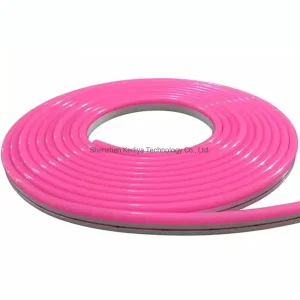
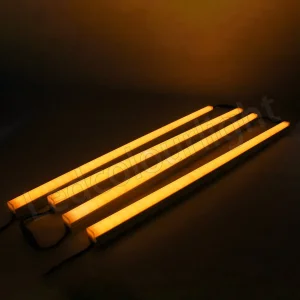
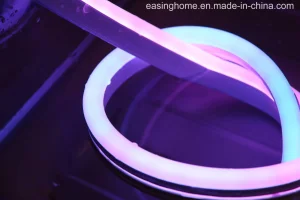
Novosibirsk is not a generic destination on a freight quotation. It is the largest city in Siberia, the administrative center of Novosibirsk Oblast, a major transport and logistics gateway, and one of Russia’s most important scientific and educational hubs. The city’s economy spans logistics, trade, manufacturing, food processing, energy services, construction, higher education, scientific research, retail, hospitality and public infrastructure. Tolmachevo International Airport, the Trans-Siberian Railway corridor and the regional road network make Novosibirsk a natural distribution point for Siberia and the wider Siberian Federal District. Akademgorodok, the well-known scientific campus, adds a distinctive demand profile: research facilities, universities, technology companies and knowledge-economy workplaces that value flicker-free light, precise dimming, high colour rendering and dependable control systems.
For lighting procurement, however, the decisive factor is the climate. Novosibirsk has a sharply continental climate with long, severe winters, significant snow and ice, strong seasonal temperature swings, condensation risks during shoulder seasons and extended periods of darkness. These conditions change the technical brief. Standard PVC-based strip products may become stiff or brittle in deep cold. Driver cold-start behaviour matters. Cable jackets, connectors, sealing methods and thermal expansion all affect long-term reliability. In commercial interiors, the contrast between bright snow outside and darker interior spaces also increases the need for high-quality tunable white light, good glare control and stable colour temperature. In public-realm projects, snow, ice-melt chemicals, UV exposure and freeze-thaw cycles raise the value of IP67/IP68 silicone systems, UV-stabilised materials and well-engineered power injection.
The local commercial landscape is equally relevant. Retail chains and mixed-use centers compete on experience; hotels, restaurants and bars use lighting as a brand asset; museums, theatres and event venues require scene-based control; transport hubs and logistics parks prioritise durability and maintenance access; science and education campuses need visual comfort and flicker performance. Seasonal ice festivals, winter celebrations, facade illuminations and pop-up retail also create demand for RGBWW and DMX addressable tubes that can deliver saturated colour and warm white from the same compact profile.
This is why semantic search intent for Novosibirsk is more nuanced than a product keyword. Buyers search for “RGBWW tube light manufacturer,” “IP68 RGBWW strip exporter,” “DMX pixel tube supplier” and “EAC compliant LED strip” because they are trying to de-risk a project. A credible supplier should answer the engineering, compliance, logistics and after-sales questions before the first purchase order is issued.
Planning model for RFQ evaluation, not a market statistic. The purpose is to align sourcing decisions with Novosibirsk’s climate and project risk profile.
“RGBWW” is not always used consistently in the lighting market. Technical buyers should confirm what the acronym means for each supplier. It may mean RGB plus one warm-white channel, RGB plus two white channels, or a 5-in-1 RGB+CCT platform combining red, green, blue, warm white and cool white. For Novosibirsk projects that need both dramatic colour and comfortable white light, the most flexible specification is usually a 5-in-1 RGB+CCT LED strip or a tube built around an equivalent architecture. This allows saturated colour for branding and events, plus 2700K–6500K tunable white for retail, hospitality, museums and workspaces.
Project performance depends less on the acronym and more on the specification stack: LED chip binning, CRI, CCT tolerance, lumens per watt, power per metre, voltage drop, driver quality, control protocol, PWM frequency, ingress protection, silicone grade, UV stability, cold-flex performance, copper thickness, PCB thermal design and packaging. A seemingly similar RGBWW tube can behave very differently after two winters in Novosibirsk.
Best for saturated colour effects and cost-sensitive decorative applications. White light is created by mixing channels, so white quality and colour rendering are usually weaker than dedicated white or RGBWW systems.
Adds a white channel for better white-light performance. Suitable for bars, game rooms, signage and entertainment. Confirm whether the white channel is warm, neutral or cool, and ask for CRI data.
Adds warm and cool white or a dual-white capability, enabling tunable white and richer colour. Ideal for retail, hospitality, museums, facades and multi-use venues where scenes switch between daytime white and evening colour.
Information gain matters here: a supplier who explains voltage drop, cold flexibility, driver cold start, DMX addressing and EAC documentation is far more valuable to a Novosibirsk project than one who only publishes a colour keyword.
The following application profiles are designed for Novosibirsk’s commercial, cultural and industrial reality. They are planning scenarios, not claims of completed projects, and can be adapted through OEM/ODM work.
RGBWW tube lighting can create feature walls, ceiling coves and brand accents while providing tunable white for merchandising. High CRI and stable white bins matter in cosmetics, fashion and food retail. For Novosibirsk’s long winter, warm-white scenes and dynamic colour can make interiors feel more inviting.
Hotels, restaurants, bars, game rooms and clubs benefit from flexible silicone neon and addressable tubes. DMX-controlled scenes support evening events, seasonal promotions and social-media-friendly interiors. Waterproof sealing and low-heat silicone profiles improve safety and cleaning routines.
DMX addressable pixel tubes and IP67/IP68 RGBWW strips can outline buildings, entrances and landscape features. In snow and ice conditions, maintenance access and connector protection are as important as brightness. A practical design uses remote drivers, service loops and documented address plans.
Seasonal installations require robust handling, cold-flex materials and reliable power distribution. RGBWW and RGBW meteor tubes or neon flex can support temporary winter attractions, pop-up markets and holiday illuminations. Packing, test procedures and spare sections should be planned for rapid installation.
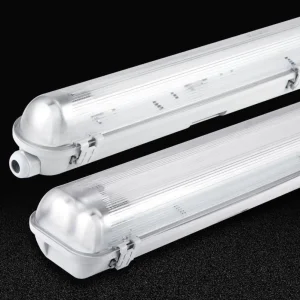
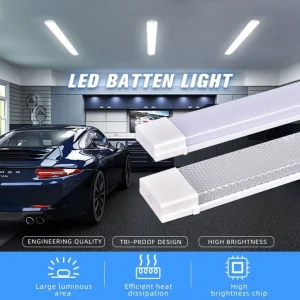
Transport hubs and logistics parks need durable linear lighting with clear maintenance access. Where RGBWW is used for wayfinding or branding, controls should be segregated from safety lighting. Tri-proof batten options can complement decorative RGBWW systems in back-of-house and industrial zones.
Akademgorodok and the wider scientific ecosystem value flicker-free operation, precise dimming, high CRI and colour consistency. Museums and exhibition spaces may need scene control and low-glare details. For laboratories and teaching spaces, separate certified luminaires should be used for task lighting.
The additional four original product families below expand the project toolkit for event lighting, residential ambience, indoor tri-proof requirements and outdoor RGBW installations.
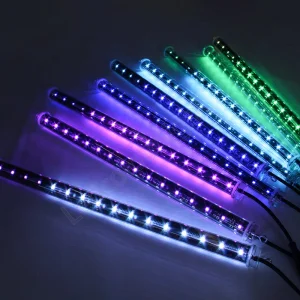
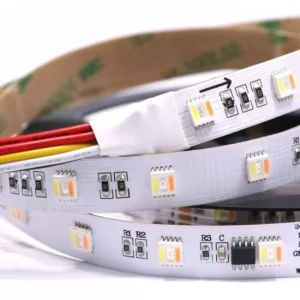
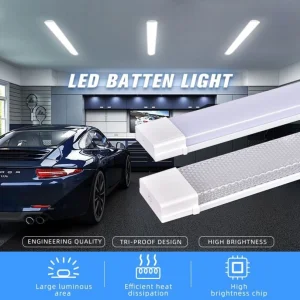
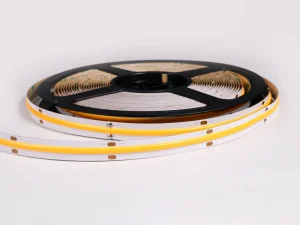
The next development cycle for RGBWW and RGB+CCT tube lighting will be shaped by four forces: higher efficacy, better white-light quality, deeper digital control and lower lifecycle impact.
More projects will specify RGB+CCT 5-in-1 architecture instead of single-white RGBW. DMX512, SPI, DALI-2 and IP-based control will coexist, with better commissioning tools and clearer address planning for facades and venues.
Improved LED bins, thermal design and COB solutions will raise useful efficacy. Sensor fusion—ambient light, presence and temperature—will make RGBWW scenes adaptive. Digital twins and pre-programmed control files will reduce installation risk.
Circadian tuning, colour stability over temperature, predictive maintenance and remote diagnostics will become more common. For Siberian cities, the ability to shift warm-white balance during long dark seasons will be a meaningful differentiator.
Recyclable aluminium, lower-impact silicone, replaceable drivers, modular connectors and product-passport-style documentation will support circular procurement. Compliance will increasingly focus on lifecycle data and traceability, not only on product labels.
The practical roadmap for a Novosibirsk buyer is not to chase every feature, but to specify a future-ready system: quality RGB+CCT chips, robust DMX/SPI control, remote-driver options, IP68 connectors, cold-flex silicone, clear power-injection calculations, and documentation that can be shared with the installer, importer and local certification partner.
China remains the world’s most concentrated lighting manufacturing ecosystem, and Zhongshan in Guangdong is one of its most important LED production clusters. The advantage is not simply lower cost. It is the density of component suppliers, PCB and driver specialists, silicone extrusion capacity, optics, connectors, packaging and testing services within a short radius. This allows a project-specific RGBWW tube to move from specification to sample, from sample to pilot order, and from pilot order to repeat production with fewer hand-offs.
Zhongshan Alterra Lighting Co., Ltd. operates with ISO 9001 and TÜV certified manufacturing discipline, a documented quality system and an export record covering 122 countries. For Novosibirsk buyers, the relevant advantages are practical: responsive sampling, OEM/ODM customisation, incoming and in-process inspection, stable BOM control, warehouse traceability and logistics coordination through multiple routes.
Access to LED chips, drivers, silicone, PCB, aluminium profiles and connectors supports fast prototyping and repeatable production.
IQC, IPQC and FQC processes reduce risk before shipment. Order traceability supports bulk-project accountability.
Clear labeling, inventory tracking and logistics management help synchronise multi-model orders for Siberian projects.
Air via Tolmachevo, rail via the Trans-Siberian corridor and road freight through border crossings can be compared for cost and schedule.
Supply-chain resilience also means planning for winter logistics. Moisture-barrier packaging, desiccant, anti-static protection, shock labels, spare LED sections, spare connectors and clearly marked cartons reduce installation delays. For a Novosibirsk project, the most efficient supplier is not the one with the lowest unit price alone; it is the one whose BOM, documentation, packing and spare-parts strategy prevent site downtime.
Across global markets, lighting demand is shifting from simple illumination toward experience, data and lifecycle performance. Commercial real estate, retail, hospitality, museums, transport hubs and public-realm projects increasingly ask for one system that can deliver branded colour, tunable white, scene automation and energy efficiency. RGBWW and RGB+CCT products fit that brief because they combine colour effects and white-light quality in a single compact profile.
At the same time, industrial and infrastructure buyers are more cautious than decorative consumers. They ask for IP ratings, driver certificates, photometric files, RDM/DMX compatibility, maintenance access, spare parts and clear warranty terms. In Russia and the broader CIS region, import logistics, currency planning and EAC documentation add another layer. Suppliers that treat compliance and documentation as part of the product—rather than an afterthought—are better positioned for repeat business.
The competitive advantage for a China-based exporter serving Novosibirsk is therefore a combination of manufacturing depth and localised project thinking: the ability to recommend the right silicone profile, calculate power injection, provide control files, document the BOM and pack for a long winter journey. That is the practical meaning of information gain in a global lighting market.
An exporter cannot replace the role of an importer or local legal advisor, but it can make the import and installation process much smoother. For Novosibirsk projects, practical support should cover technical clarification, product selection, sample evaluation, wiring diagrams, DMX address planning, packaging, spare parts and after-sales communication.
For the Eurasian Economic Union market, electrical products are commonly assessed against technical regulations such as TR CU 004/2011 on low-voltage equipment and TR CU 020/2011 on electromagnetic compatibility, with EAC marking requirements applying according to the product and configuration. Final certification and marking obligations should be confirmed by the importer and an accredited local certification body. As a manufacturer, Alterra Lighting can support the technical file package—product descriptions, models, driver information, labels, test reports and photos—to help the importer’s compliance process.
Compliance note: requirements depend on the final product configuration, driver, application and current regulations. The importer should verify EAC obligations with a qualified local certification body before customs clearance and sale.
Zhongshan Alterra Lighting Co., Ltd. was established in 2020, specializing in the research, development, production, and sales of photographic lighting equipment. After years of dedicated development, the company has earned a strong reputation in the industry and established long-term, stable partnerships with distributors across 12 provinces in China. The company has also successfully expanded into international markets, with products exported to 122 countries, becoming one of the most recognized brands in the global photographic lighting industry.
Looking ahead, Alterra Lighting will continue to uphold the core values of “innovation, quality, and service,” and remain committed to providing high-quality lighting solutions for global users of photographic equipment, contributing to the advancement of the industry.
ISO 9001 & TÜV Certified | Industry-Compliant Operations
With a clean, well-organized production environment and high employee satisfaction, we ensure efficient and stable manufacturing output. Every finished product is fully traceable, guaranteeing reliable quality control and assurance.
Every finished product undergoes a minimum of six strict inspection processes before delivery, ensuring a bulk order pass rate of 98.6%.
All quality control stages—including IQC (Incoming Quality Control), IPQC (In-Process Quality Control), and FQC (Final Quality Control)—are implemented under standardized operating procedures to ensure consistent product reliability.
Our warehouses operate under strict 6S management standards (Sort, Set in order, Shine, Standardize, Sustain, Safety), supported by regular cross-departmental audits.
Our dedicated R&D team combines strong engineering expertise with market-oriented innovation.
We focus on developing high-performance and cost-optimized lighting solutions that:
 Cloth Cutting
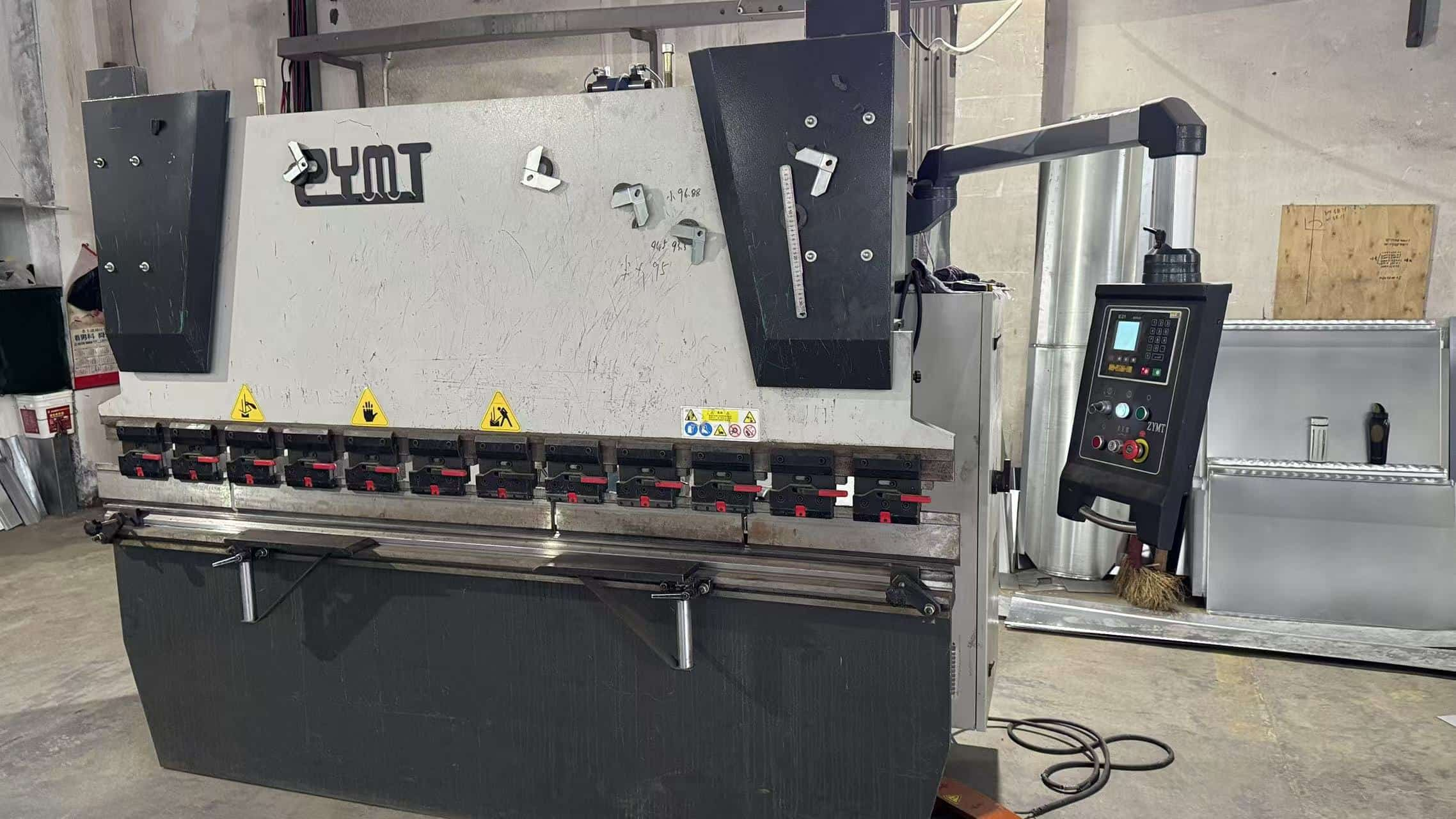 Bending
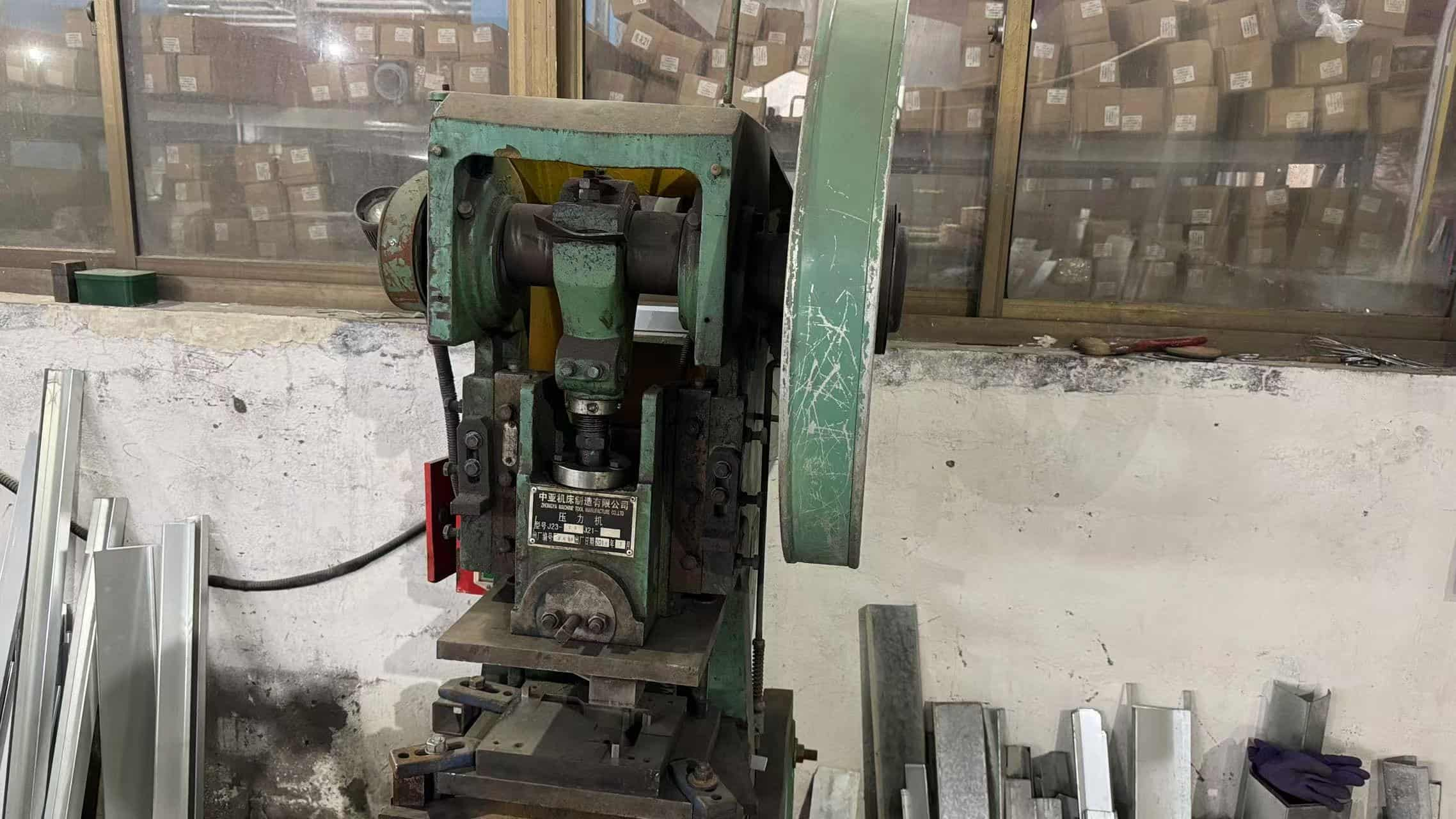 Punching
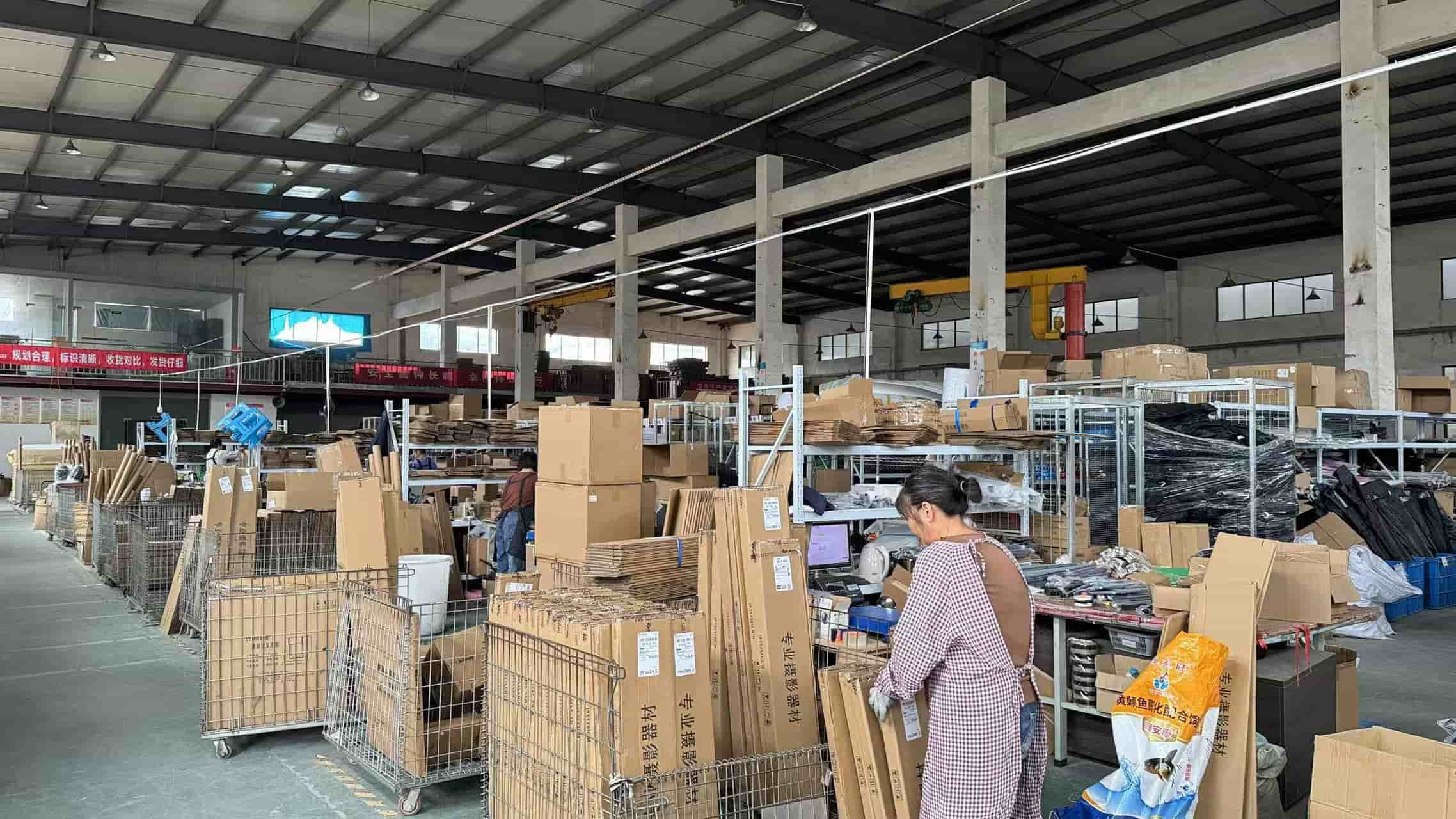 Assembly
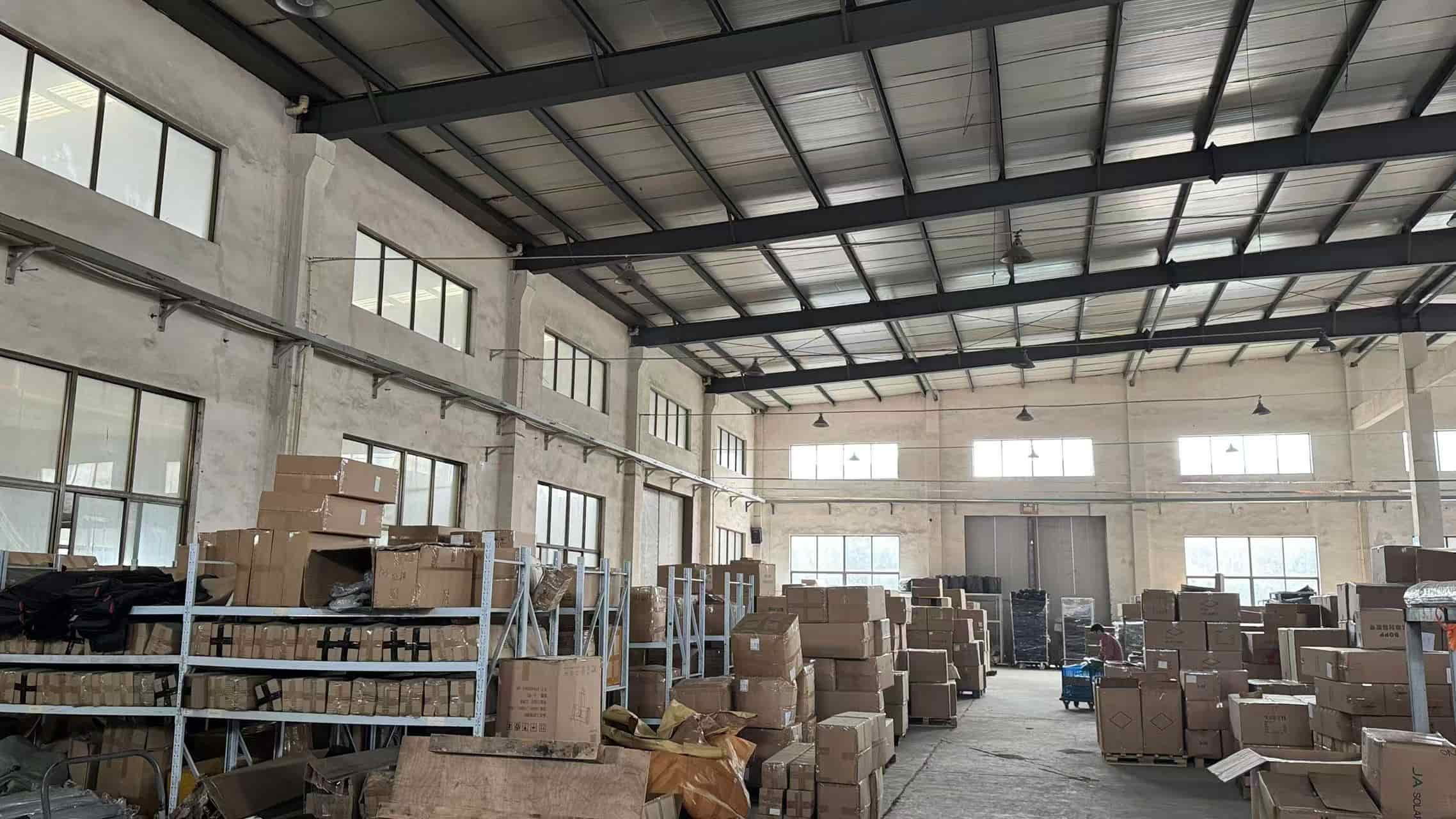 Packed Products
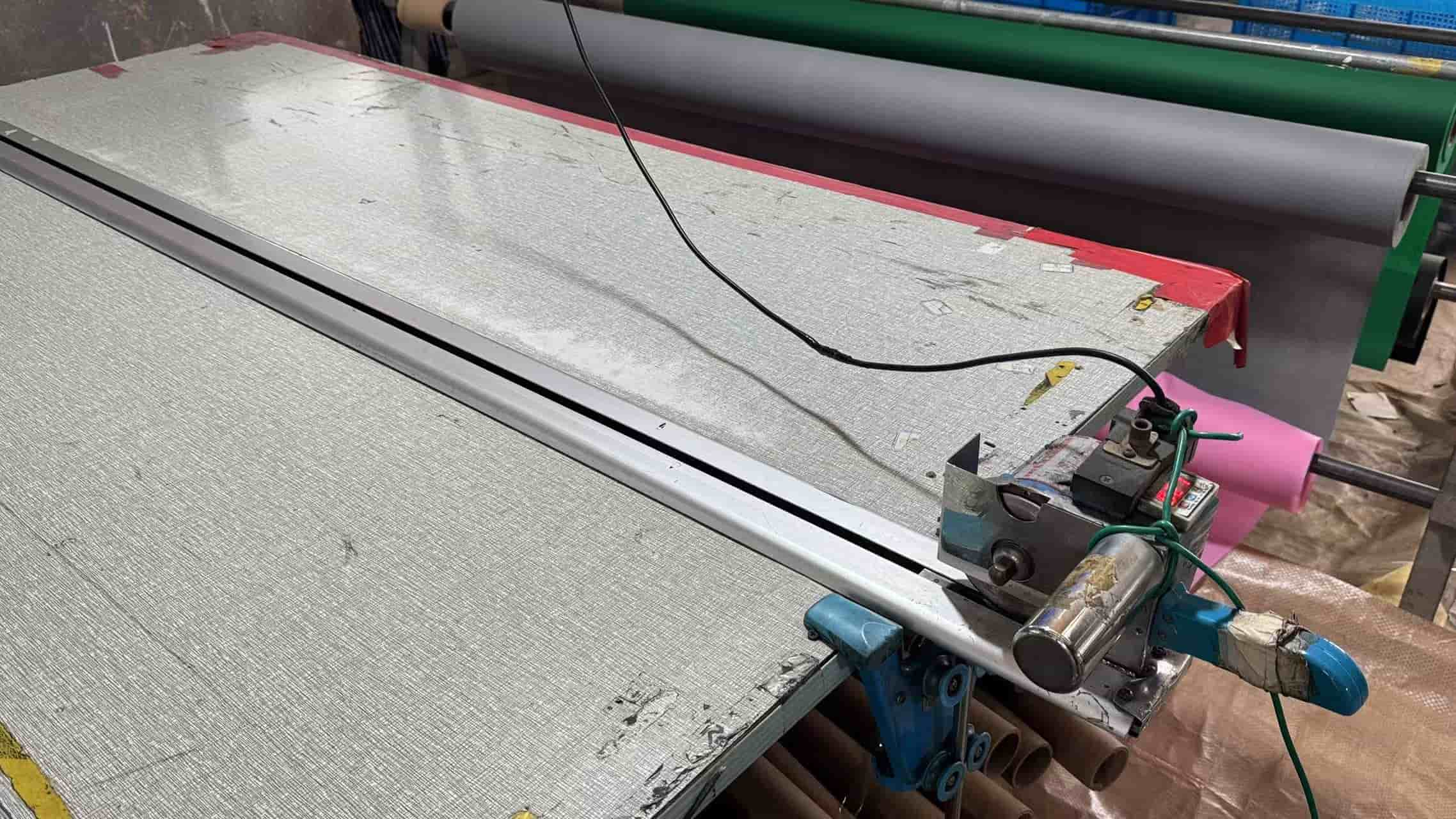 Cutting Machine
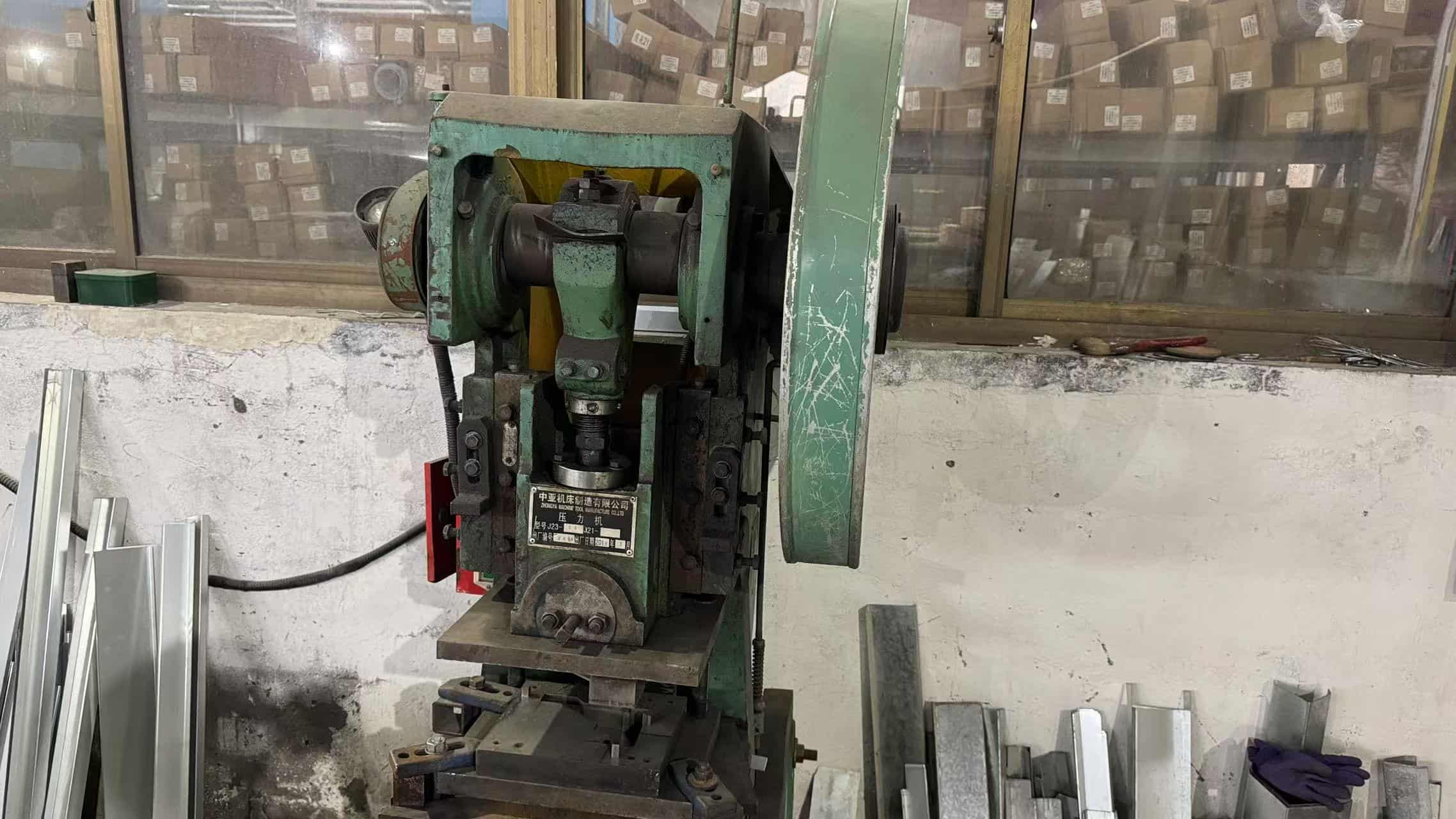 Punching Machine
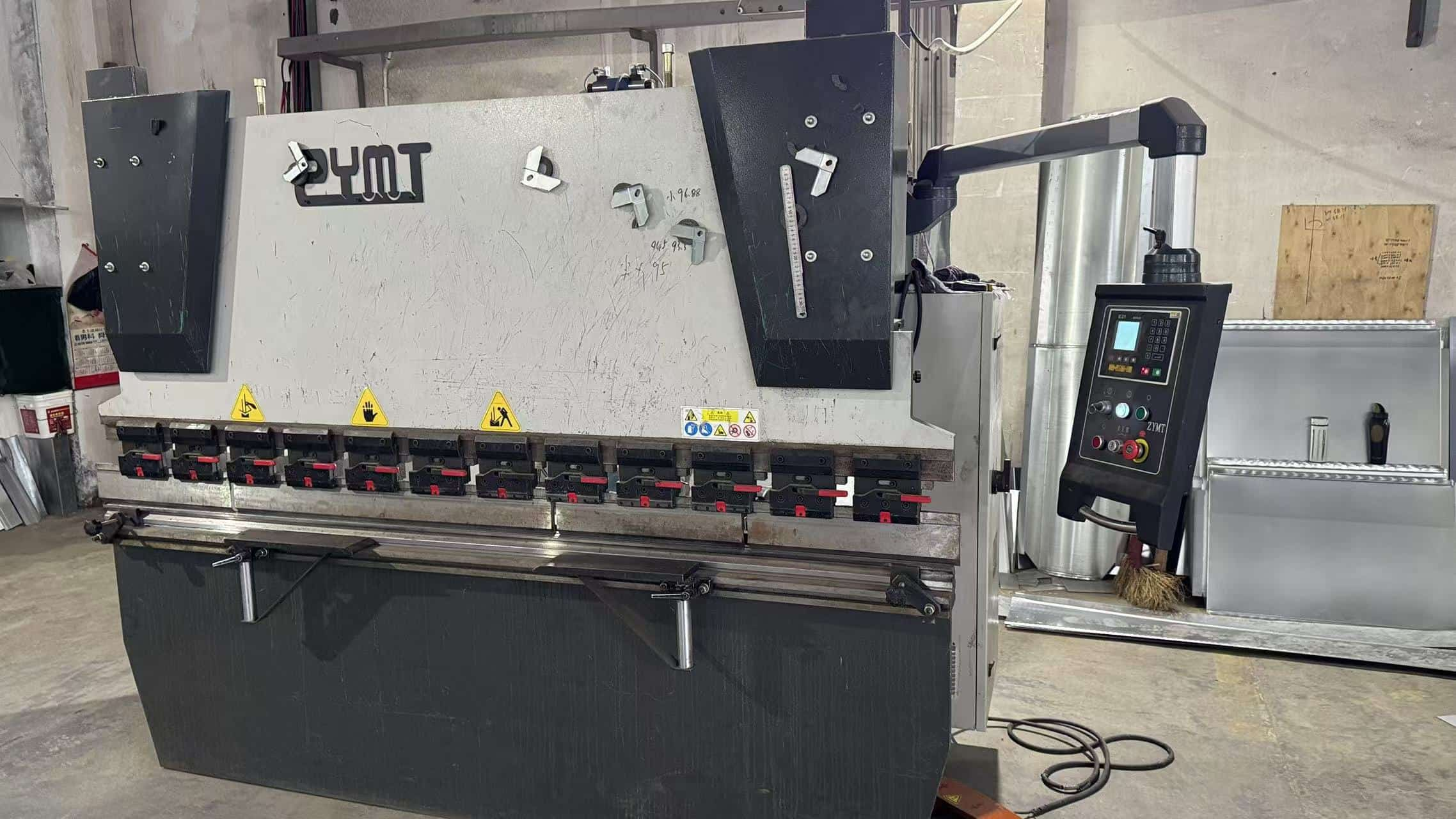 Bending Machine
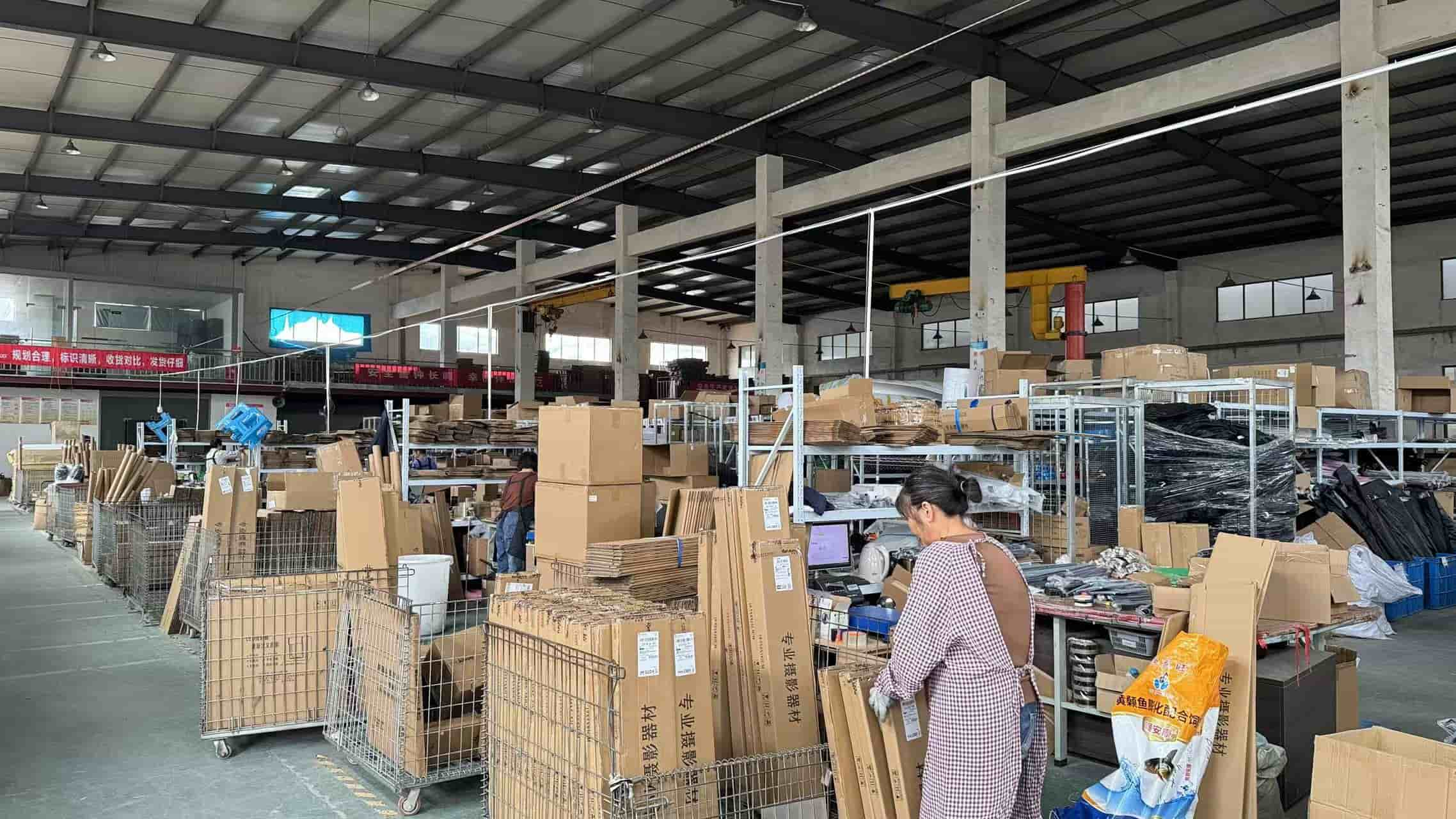 Assembly Line
Zhongshan Alterra Lighting Co., Ltd. is the manufacturing company described in this profile. The company operates manufacturing and quality processes under ISO 9001 and TÜV certified discipline and exports products to 122 countries. For Novosibirsk projects, we operate as a China-based manufacturer and exporter with OEM/ODM support.
Yes. Shipments to Novosibirsk can be coordinated by air, rail or road depending on volume, schedule and the importer’s preference. The practical route and cost should be confirmed at quotation stage. We prepare export documents, packing lists and carton marks and can coordinate with the buyer’s freight forwarder.
RGBWW can refer to RGB plus warm white or to RGB plus warm and cool white. For projects requiring both colour effects and tunable white, confirm the exact chip architecture. A 5-in-1 RGB+CCT option is often more flexible for retail, hospitality and architectural scenes.
We can support the technical file package commonly requested by importers and certification partners, including product descriptions, model lists, driver information, labels, test reports and photos. The final EAC certification and marking responsibility depends on the importer and the accredited local certification body.
For snow, ice, rain or condensation exposure, specify silicone-based IP67/IP68 systems, suitable cable and connector protection, remote driver options where practical, and cold-flex information. The exact product should be matched to the mounting location and maintenance access.
Yes. Product options include DMX addressable pixel tubes and SPI-based LED strip. For smooth commissioning, request a channel plan, addressing schedule, wiring diagram and recommended controller/power architecture before installation begins.
IP67 generally provides dust tightness and protection against temporary immersion under defined test conditions. IP68 generally indicates protection against continuous immersion under specified conditions agreed between manufacturer and user. The correct choice depends on installation exposure, drainage, cable entry and maintenance practice.
OEM/ODM support can include customised length, colour temperature, CRI target, voltage, connector type, control protocol and packaging. Final feasibility should be confirmed by model and order quantity.
Sample evaluation is recommended for high-value or weather-exposed projects. Sampling allows the buyer and installer to review light quality, connector design, control compatibility and packing before bulk production. Details depend on the selected model.
Send your requirement through the inquiry page with the application, installation environment, required length, voltage, colour/CCT, control protocol, IP rating, approximate quantity and target schedule. Our team can then propose the most suitable RGBWW tube light or LED system configuration.
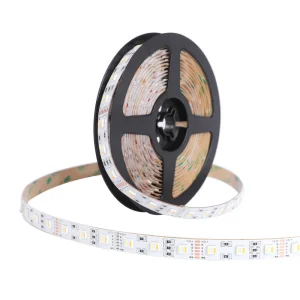
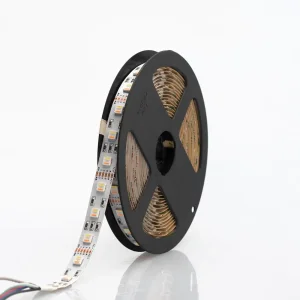
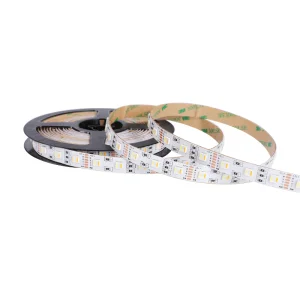
Explore the final eight original product families for indoor tri-proof lighting, waterproof RGBW strips, dustproof T8 tubes, high-density decorative strips, 5-in-1 RGB+CCT options, IP68 neon flex and energy-efficient battens. Each product link preserves the original URL for direct inquiry.


 Alterra Lighting