Explore our highly-curated architectural and professional studio illumination modules engineered to meet strict global certification criteria.
In modern industrial architecture, illumination represents far more than simple visibility; it is a fundamental catalyst for operational safety, workforce efficiency, and corporate decarbonization. High bay lighting systems are specifically engineered for high-ceiling environments (typically ranging from 6 meters or 20 feet up to over 15 meters) where standard fixtures fail to deliver uniform photometrical coverage. Historically, these areas relied on heavy-duty High-Intensity Discharge (HID) or Metal Halide (MH) systems which suffered from long strike times, severe lumen depreciation, and massive power consumption.
The global transition toward high-efficiency LED High Bay lighting is driven by strict ESG (Environmental, Social, and Governance) policies, carbon neutral targets, and skyrocketing electricity costs. Today’s industrial operations demand intelligent, high-lumen-density solutions that incorporate advanced optics to minimize glare, improve Color Rendering Indexes (CRI), and integrate seamlessly with Building Management Systems (BMS) through smart protocols like DALI-2, Zigbee, or Bluetooth Mesh.
The concentration of the global LED lighting supply chain in China, particularly within the Guangdong province (with key hubs like Zhongshan, Shenzhen, and Huizhou), is not merely a product of labor arbitrage. Rather, it represents a highly integrated industrial ecosystem characterized by vertical supply chain alignment, scale economies, and unmatched engineering agility.
Chinese manufacturers benefit from instantaneous local sourcing of all critical components. The proximity to premium LED chip packagers (such as San'an, Nationstar, or Epistar), driver engineering pioneers (like MeanWell, Inventronics, and Lifud), and raw metal processing facilities allows Chinese OEMs to compress development cycles from months to weeks. Aluminum extrusion, high-pressure die-casting for thermal management sinks, optical polycarbonate lenses, and automated surface-mount technology (SMT) lines are often located within the same industrial park.
This proximity translates into structural advantages for global procurement entities:
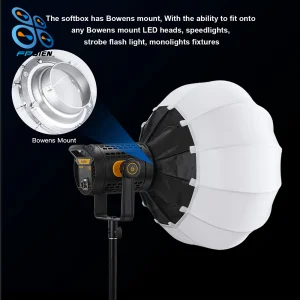
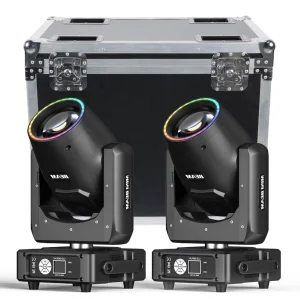
Established in 2020, Zhongshan Alterra Lighting Co., Ltd. has rapidly emerged as a prominent force specializing in the research, development, production, and distribution of state-of-the-art photographic and high-intensity industrial lighting equipment. Rooted in the global lighting hub of Zhongshan, China, Alterra has leveraged advanced optical design practices to establish a robust footprint across domestic and international markets.
With years of dedicated, science-led development, the company has secured a respected standing in the global industry. Domestically, Alterra maintains long-term, stable distribution partnerships across 12 provinces. Internationally, our advanced products have successfully penetrated markets across 122 countries, serving as a trusted brand for high-efficiency illumination systems. Looking forward, Alterra Lighting continues to champion the core tenets of "innovation, quality, and service," aiming to deliver peak-performance lighting solutions that enhance efficiency and safety on a global scale.
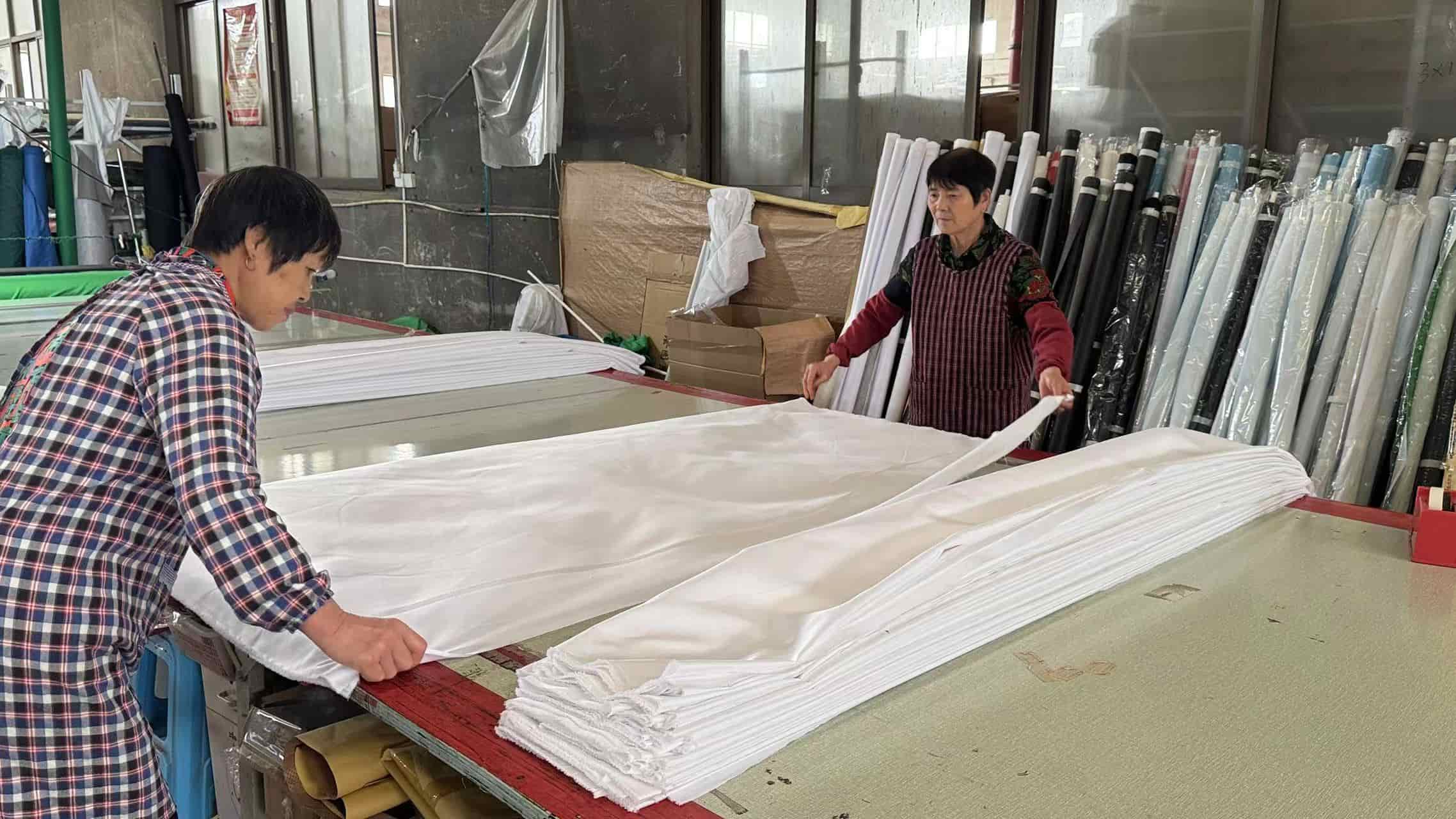
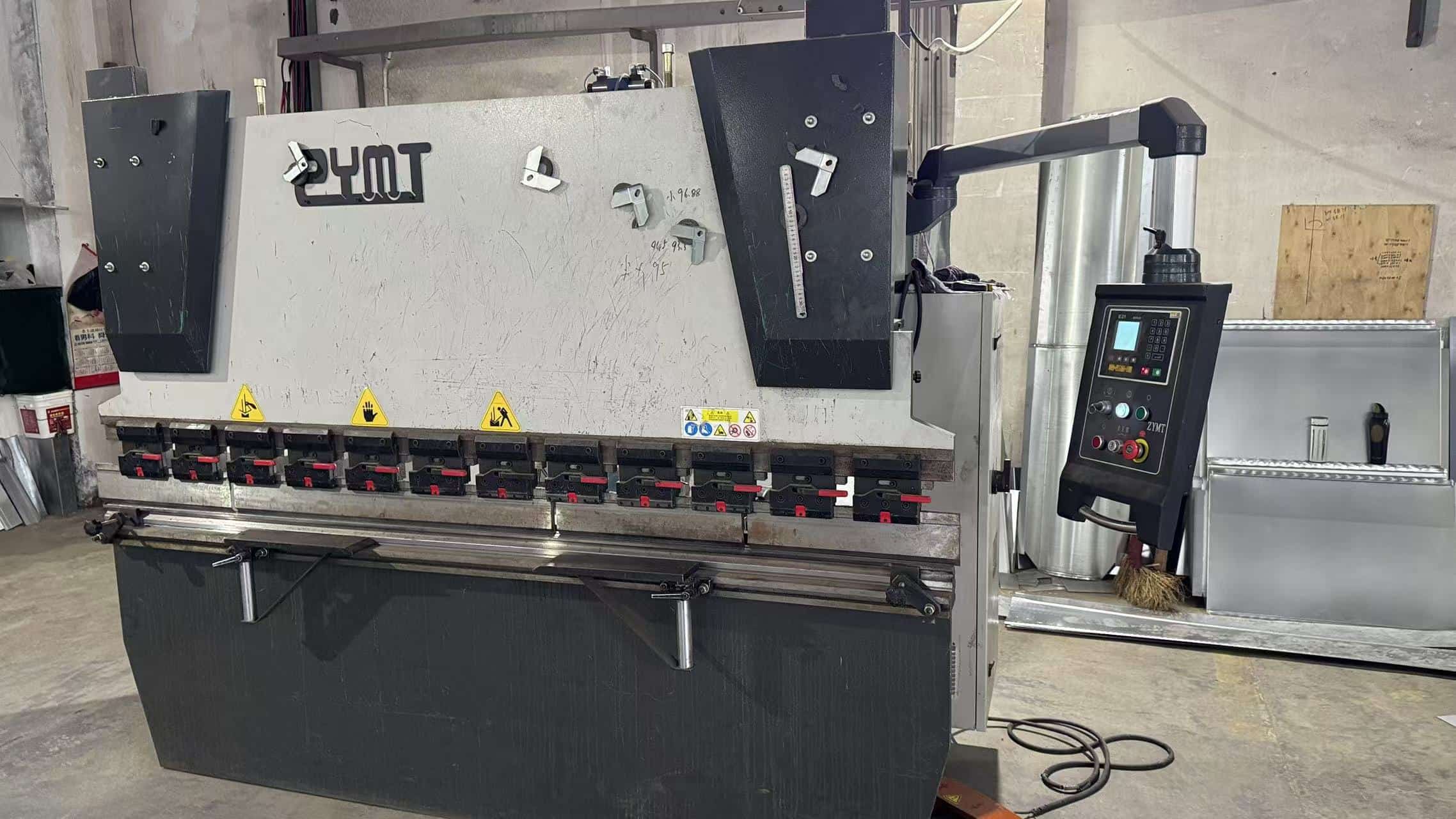
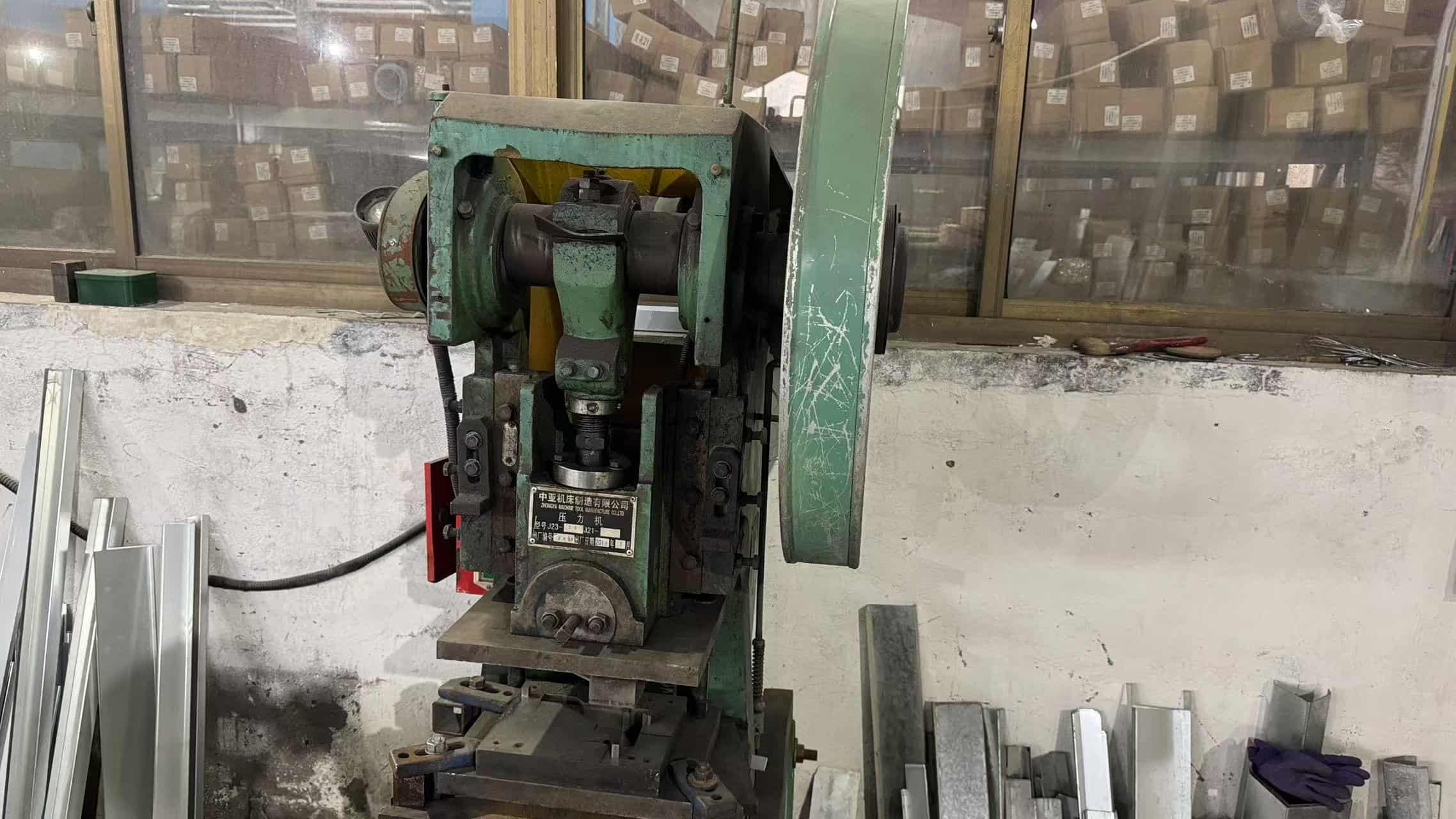
Alterra operates under stringent ISO 9001 and TÜV certification framework, ensuring that each step of the manufacturing journey meets uncompromising quality standards. Our facility incorporates clean-room environments, automated SMT processes, and standardized assembly protocols designed to eliminate assembly anomalies and maximize structural durability.
Quality assurance at Alterra is driven by a multi-stage validation methodology. Every high bay component or studio light undergoes a minimum of six rigorous inspections prior to dispatch. This process begins with Incoming Quality Control (IQC) on raw diodes, thermal substrates, and drivers, advances through In-Process Quality Control (IPQC) during physical component integration, and concludes with final verification (FQC) testing—including prolonged thermal stress and burn-in testing—to guarantee a bulk order pass rate of 98.6%.
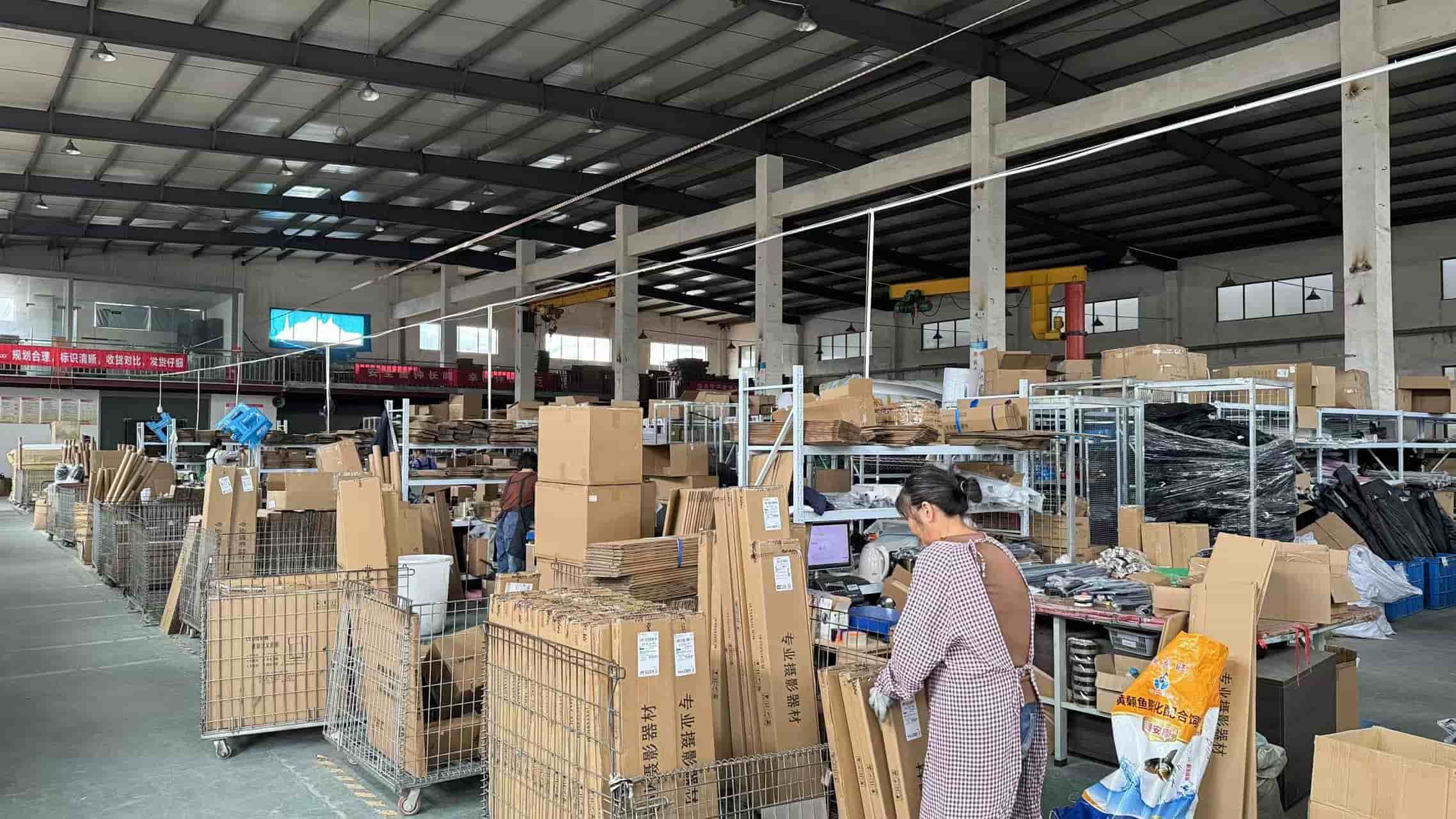
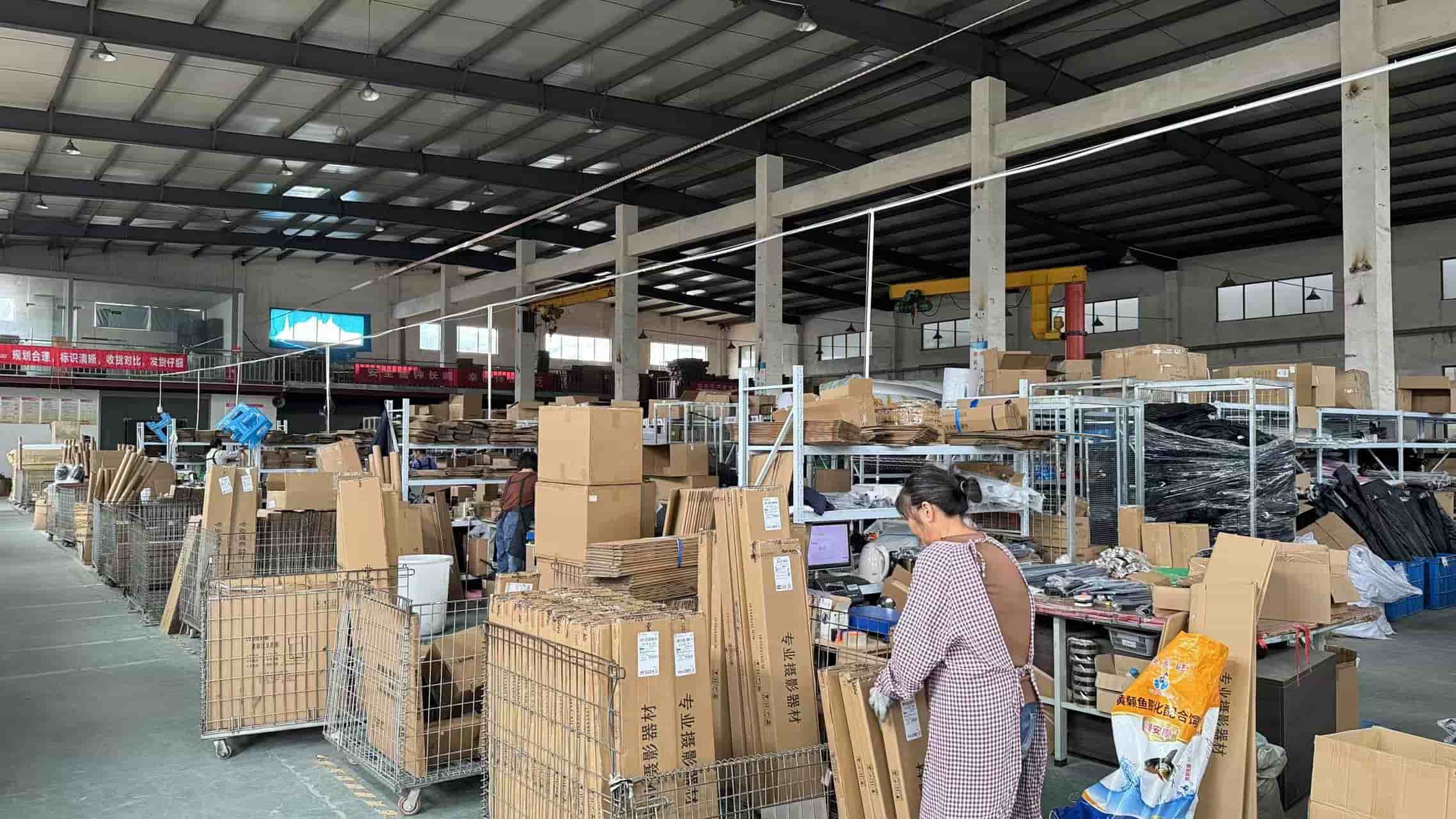
Furthermore, our logistics framework is managed under strict 6S criteria (Sort, Set in order, Shine, Standardize, Sustain, Safety). This systematic approach enforces real-time electronic inventory tracking, precise cross-departmental auditing, and absolute confidentiality of custom tooling designs to assure fast, accurate, and safe international dispatch.
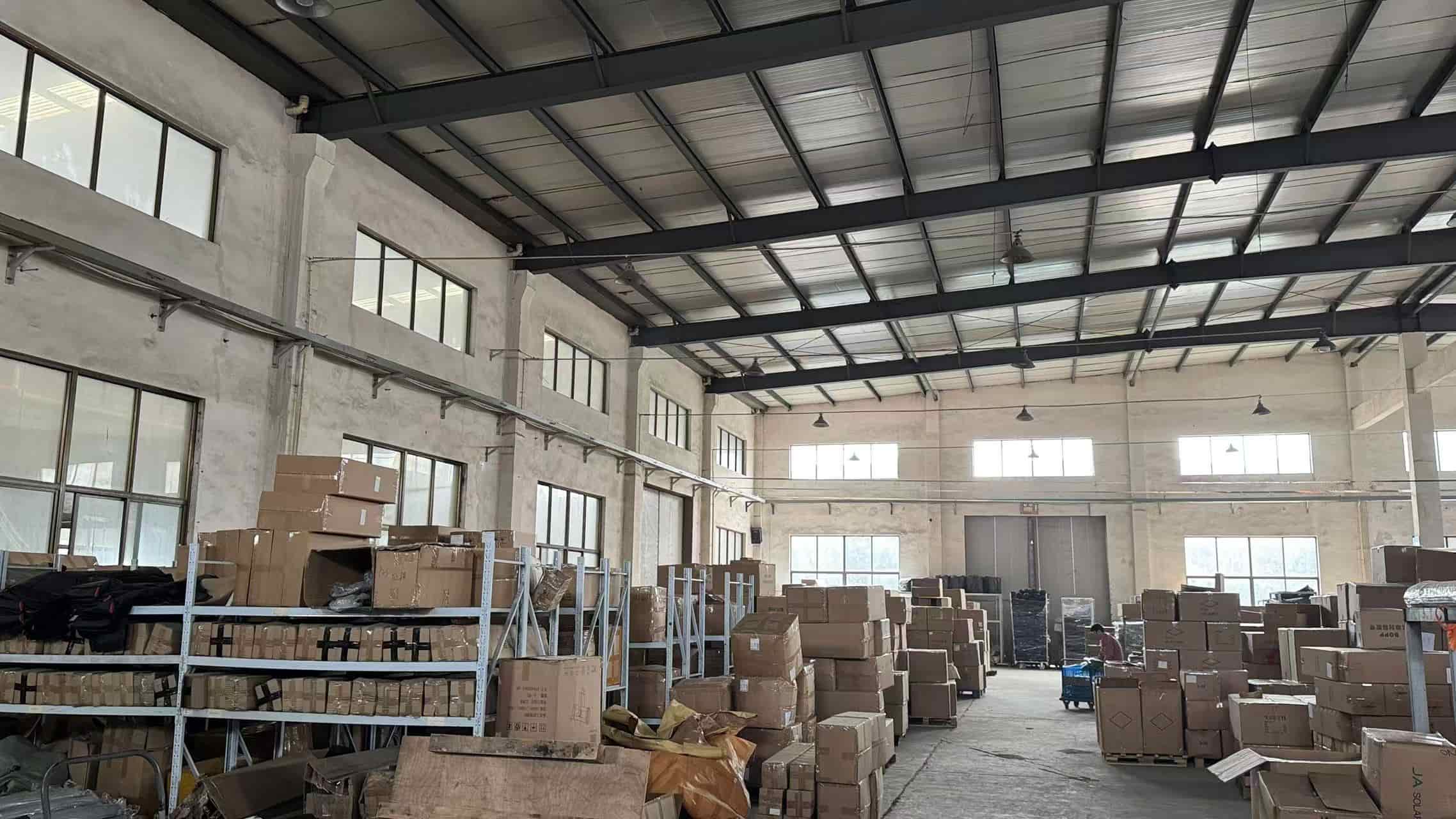
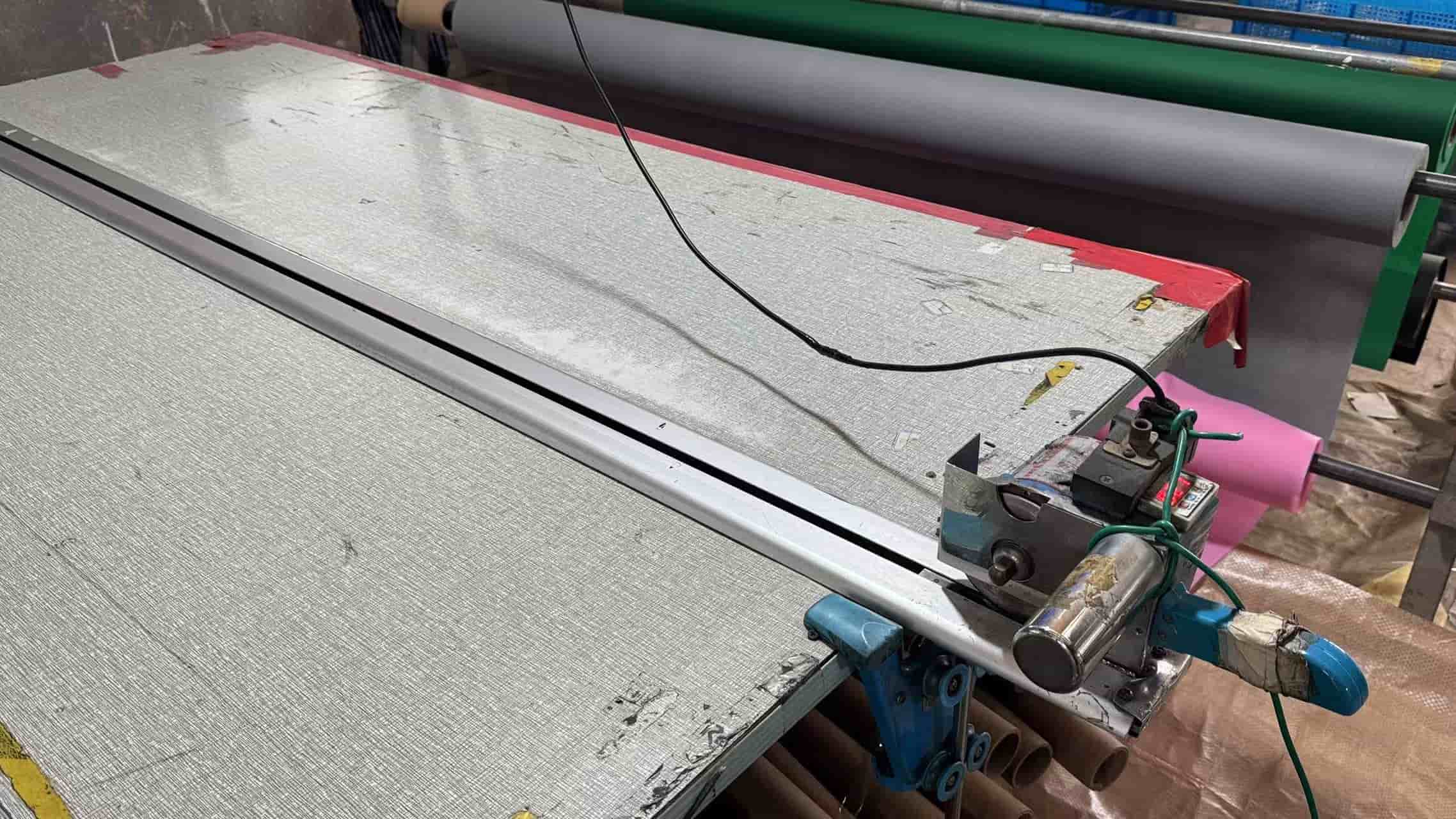
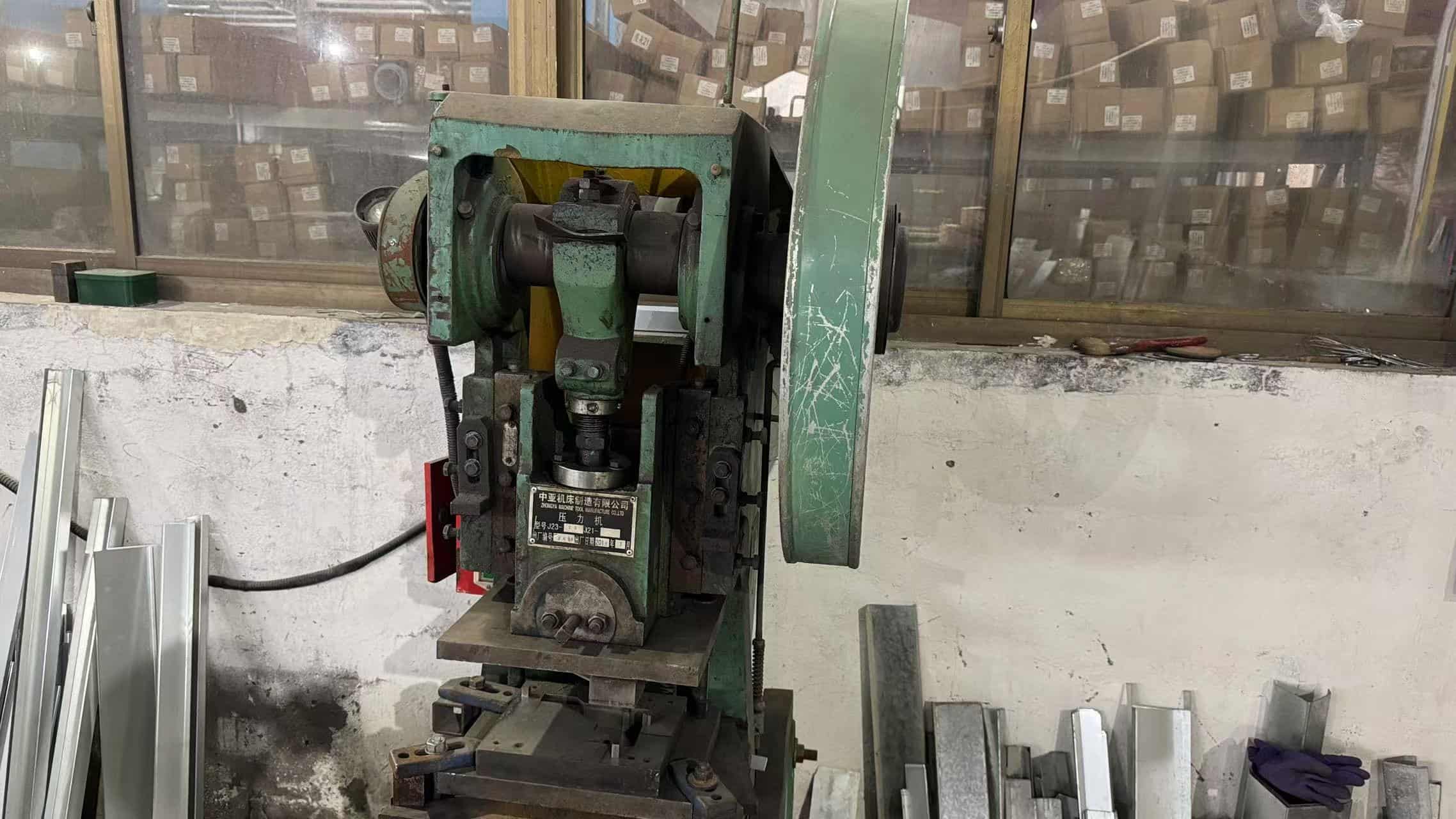
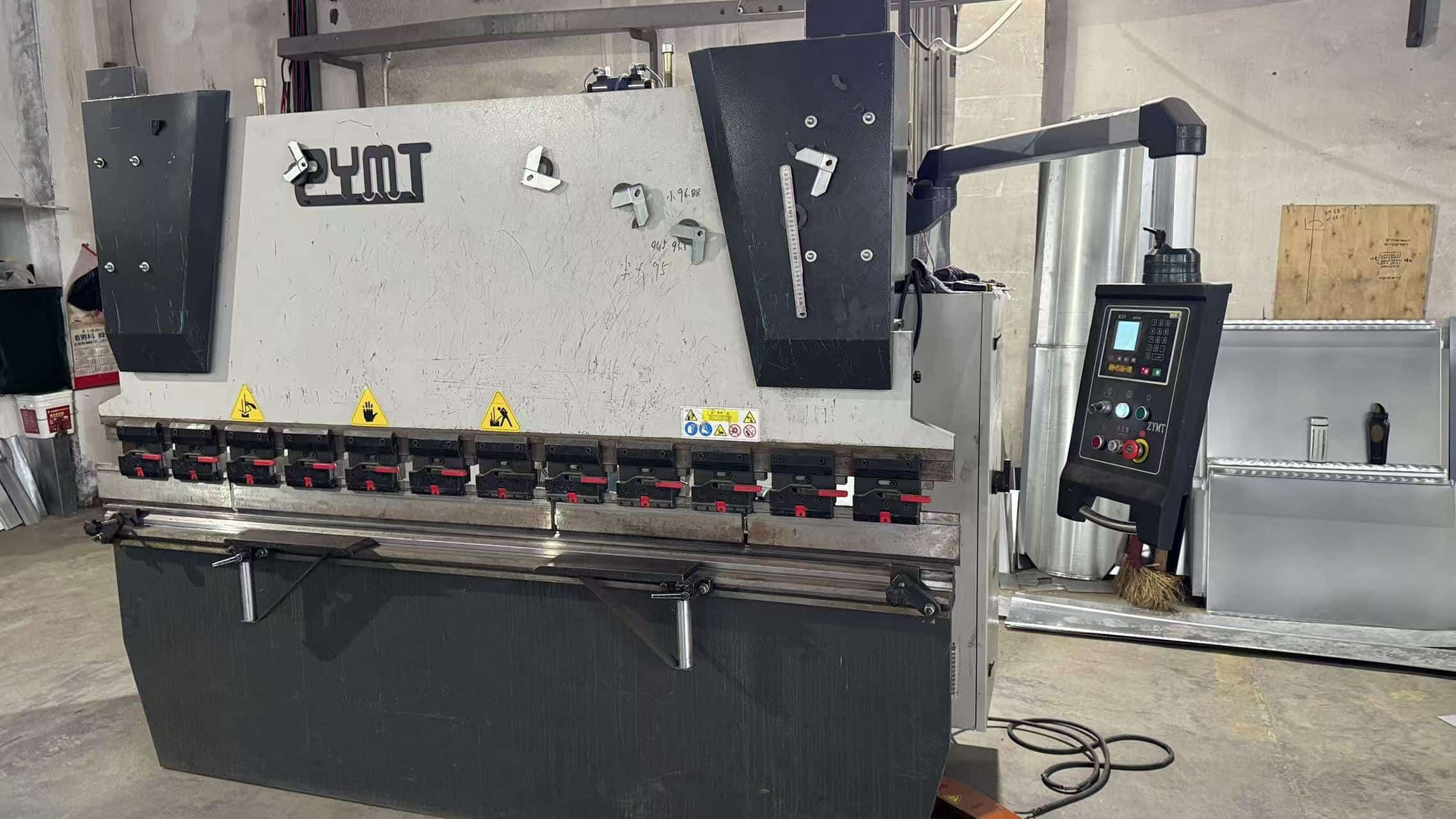
Industrial settings present diverse environmental challenges, each demanding specific architectural configurations from high bay lighting solutions. Standard fixtures cannot be applied universally to a clean pharmaceutical laboratory, a high-heat steel casting foundry, or a freezing logistics center.
Logistics Warehousing and Cold Storage: These facilities require high-efficiency lighting with custom, narrow beam distribution (such as a 60° or 90° optical lens) to target aisleways while avoiding waste on top shelves. Cold storage demands ruggedized drivers capable of operating continuously in sub-zero environments (down to -40°C) without starting lag or compromised lifespan.
Heavy Duty Manufacturing & Foundries: Characterized by high ambient temperatures, airborne particulates, and corrosive residues, these zones require IP65/IP66 waterproof and dustproof high bays. The housings must utilize advanced heat sinks engineered with integrated air channels to maximize convection cooling and protect internal components from premature failure.
Commercial Retail & Sports Arenas: Aesthetics, color accuracy, and glare mitigation are crucial in these public spaces. Sourcing high bays with a low Unified Glare Rating (UGR < 19) and high CRI (Color Rendering Index > 90) prevents discomfort and ensures optimal visibility for athletes and customers.
The industrial lighting landscape is shifting from simple illumination toward intelligent, integrated systems. Future trends are focused on maximizing efficiency and user control through several key innovations:
When evaluating China-based high bay suppliers, international procurement managers should focus on verifying several key performance criteria to ensure quality and compliance:
Certifications & Regulatory Compliance: Ensure all products carry verified test reports matching your region's requirements, such as UL/cUL for North America, CE/RoHS for Europe, and SAA for Australia. Confirming these credentials with the certifying bodies prevents import delays and ensures safety compliance.
Optical Performance Metrics: Request official IES files to confirm light distribution patterns and review TM-21 projection data. A quality fixture should demonstrate a lumen maintenance level of at least L70 at 50,000 hours of continuous operation.
Thermal Management Architecture: Evaluate the heat sink design. High-quality die-cast aluminum structures provide the thermal dissipation needed to keep junctions cool and prevent premature driver failure.
UFO High Bay lights feature a circular footprint, typically making them easier to install as single-point retrofits for traditional metal halide lights. They are well-suited for open spaces like warehouses and sports arenas. Linear High Bay lights are configured in rectangular layouts, making them ideal for high-rack warehouse aisles to provide focused, directional coverage.
The driver regulates input voltage fluctuations to deliver steady current to the LED array. Premium drivers (such as MeanWell, Inventronics, or Lifud) protect against voltage surges, thermal overload, and electrical noise. Quality drivers ensure flicker-free output, support smooth dimming, and extend the overall lifespan of the fixture.
For general dry warehouses, an IP20 or IP40 rating is often sufficient. However, for environments with moisture, dust, or airborne debris (such as processing plants or foundries), an IP65 or IP66 rating is recommended. These ratings ensure the internal electronics are sealed against dust and water ingress, maintaining safe and reliable operation.
Yes. Professional photographic lighting requires precise color accuracy (CRI > 95), low flicker indexes, and structured glare control. Applying these optical guidelines to industrial LED design results in high bays with superior color rendition, comfortable light levels, and reliable performance—improving safety and productivity in demanding industrial environments.
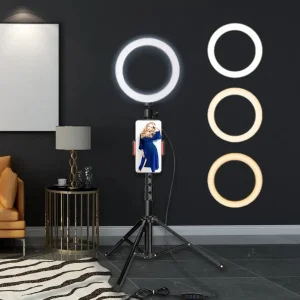
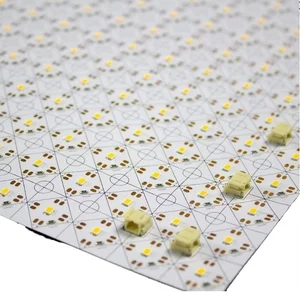
Explore our specialized high-CRI ring lights, adjustable tracking fixtures, and flexible matrix boards developed for modern B2B applications.
 Alterra Lighting