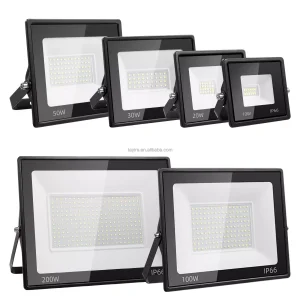
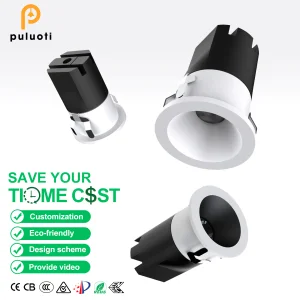
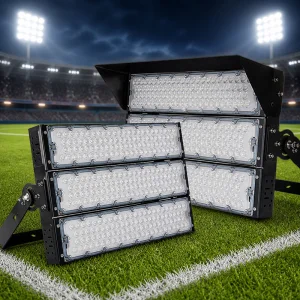
Engineered for immediate integration into Boston's local retrofitting projects, luxury residential properties, and corporate office renovations.
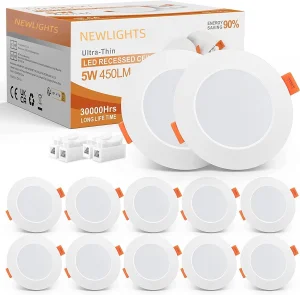
The Greater Boston area, spanning Cambridge, the Seaport District, and the Route 128 technology corridor, represents a unique convergence of historic preservation and cutting-edge industrial modernization. With municipal goals aimed at achieving carbon neutrality, the integration of high-performance architectural spotlighting is not merely a design preference—it is a regulatory and economic mandate.
Boston's commercial building landscape is governed by the stringent Massachusetts Stretch Energy Code, alongside local initiatives like the Building Energy Reporting and Disclosure Ordinance (BERDO). These regulations require facility operators and real estate developers to severely limit lighting power density (LPD) while maintaining interior spatial quality. High-efficacy spot lighting, engineered with high lumens-per-watt ratios, allows project engineers to target specific work surfaces and architectural elements without wasting energy on unoccupied ambient spaces.
Moreover, the booming life sciences sector in Kendall Square demands lighting solutions that satisfy cleanroom guidelines and strict electromagnetic interference (EMI) limits. Spotlights deployed in these R&D facilities must be dust-proof, moisture-sealed, and compatible with building management systems (BMS) utilizing 0-10V, DALI-2, or wireless Casambi controls. As a leading exporter to North American markets, our factory designs fixtures that seamlessly interface with these smart protocols, giving Boston engineers full control over their light output and color-temperature profiling.
On a global scale, the commercial lighting sector is moving beyond basic energy savings toward smart building integration and Human-Centric Lighting (HCL). Driven by global ESG commitments, companies are evaluating products based on their total carbon footprint, ease of disassembly, and overall circular-economy design. Spotlights are no longer isolated light fixtures; they are nodes in a larger IoT network, equipped with integrated sensors that monitor occupancy, daylight harvesting, and space utilization.
This global trend requires spot lighting manufacturers to adopt agile engineering practices. Tunable white technology (2700K to 6500K) is now a standard requirement in corporate headquarters, retail stores, and academic centers to match natural circadian rhythms. By optimizing spectrum output and reducing glare (maintaining a Unified Glare Rating or UGR below 15), modern spotlights improve concentration in offices and boost sales in high-end retail venues.
Located in the heart of China’s lighting capital, Zhongshan Alterra Lighting Co., Ltd. leverages a highly optimized supply chain that delivers world-class performance at competitive prices. Unlike regional boutique suppliers, our factory combines deep component localization with strict international quality controls. This allows us to handle bespoke architectural modifications while ensuring stable bulk shipments.
Our structural design team uses advanced thermal analysis software to optimize die-cast aluminum heat sinks. This prevents thermal degradation of the LED chip, extending its operational lifespan and maintaining color consistency (SDCM < 3) over years of continuous service. By using top-tier components like Cree, Osram, and Citizen LED packages, along with Mean Well, Lifud, or Philips drivers, we deliver fixtures that meet or exceed American and European safety standards (UL, ETL, CE, RoHS).
Understanding the unique environmental and architectural requirements of different Boston locales is essential for proper lighting selection:
Requires dust-proof, IP-rated, easy-to-clean downlights. Low UGR designs reduce eye strain for laboratory technicians working under high-magnification equipment, while strict EMI shielding prevents interference with sensitive laboratory instruments.
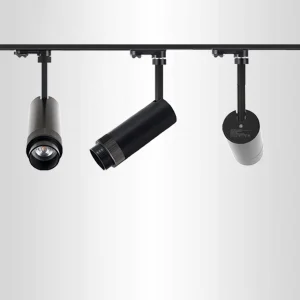
Demands gallery-grade track lighting with adjustable beam angles (15° to 60°) and excellent color rendering (CRI > 95, R9 > 80) to illuminate historical structural columns, art installations, and luxury retail displays without heat damage.
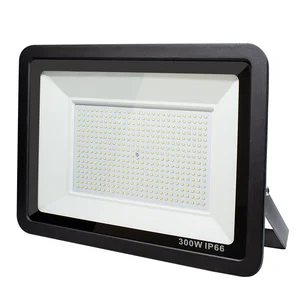
Outdoor architectural illumination along the Boston Harbor requires heavy-duty IP66 waterproof and anti-corrosive marine-grade coatings to withstand salt-fog exposure, severe freeze-thaw cycles, and heavy nor'easters.
Zhongshan Alterra Lighting Co., Ltd. was established in 2020, specializing in the research, development, production, and sales of photographic lighting equipment and premium commercial architectural luminaires. After years of dedicated development, the company has earned a strong reputation in the industry and established long-term, stable partnerships with distributors across 12 provinces in China. The company has also successfully expanded into international markets, with products exported to 122 countries, becoming one of the most recognized brands in the global photographic and commercial lighting industry.
Looking ahead, Alterra Lighting will continue to uphold the core values of "innovation, quality, and service," and remain committed to providing high-quality lighting solutions for global users of photographic equipment and architectural systems, contributing to the advancement of the industry.
ISO 9001 & TÜV Certified | Industry-Compliant Operations
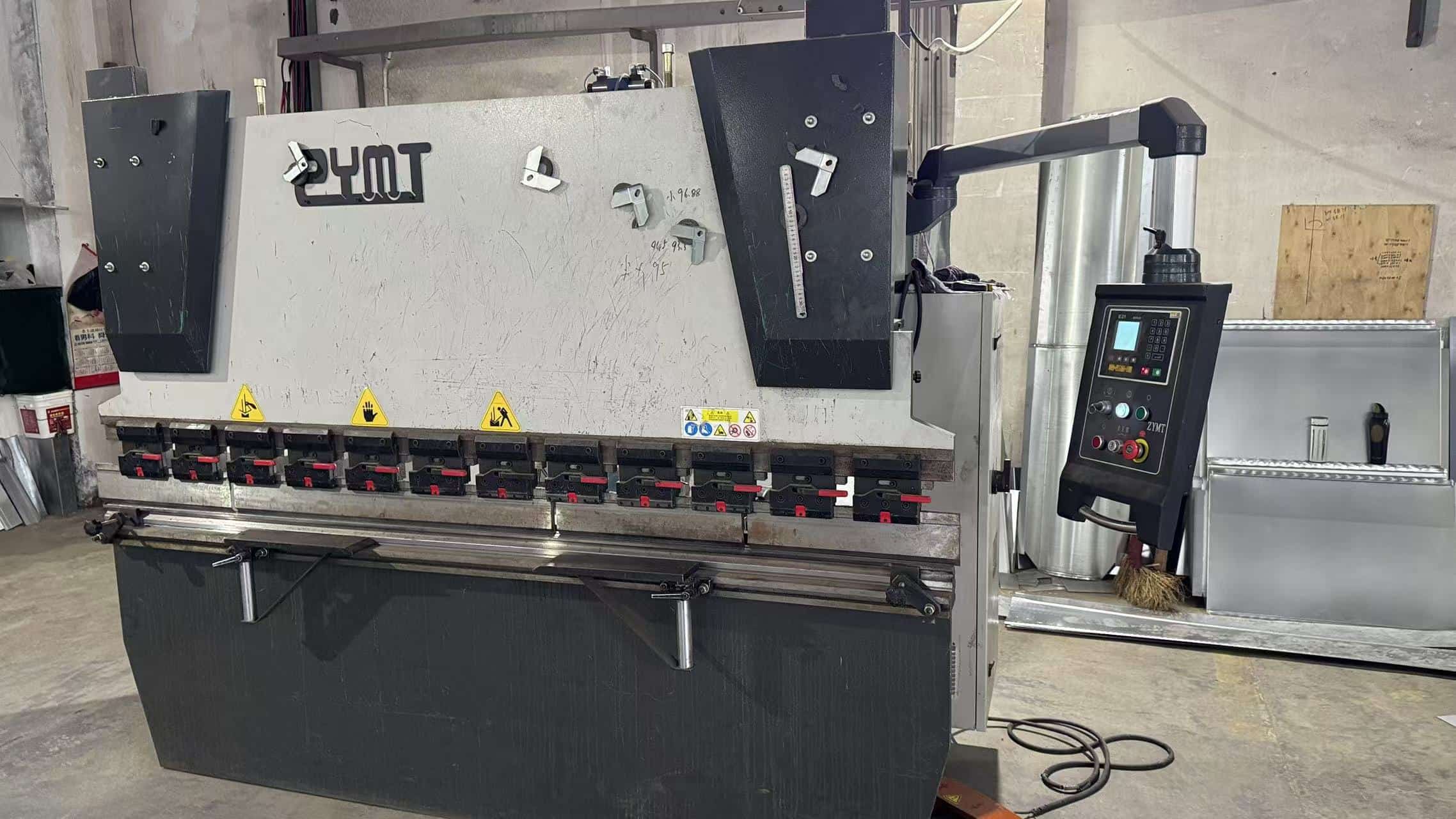
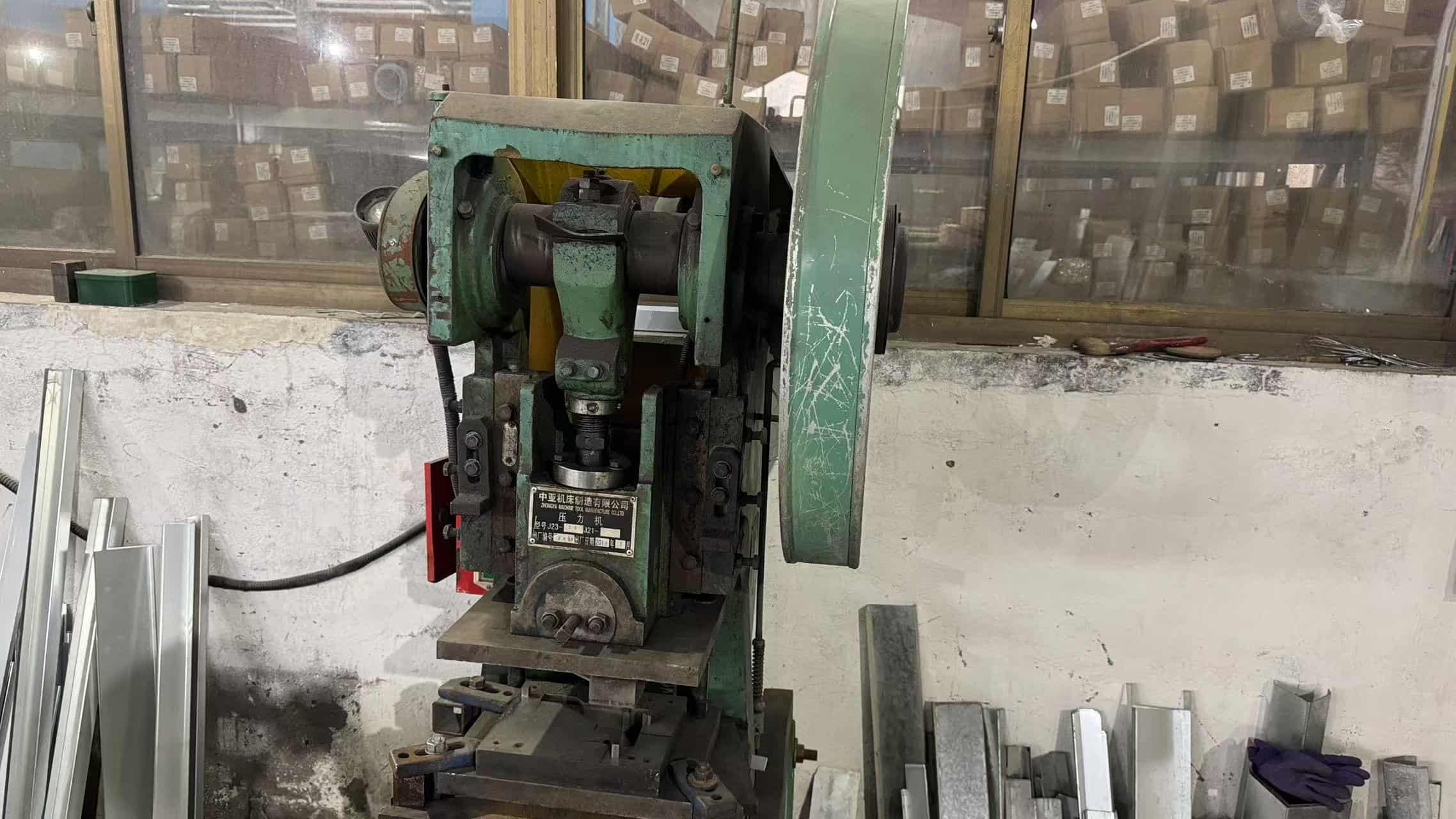
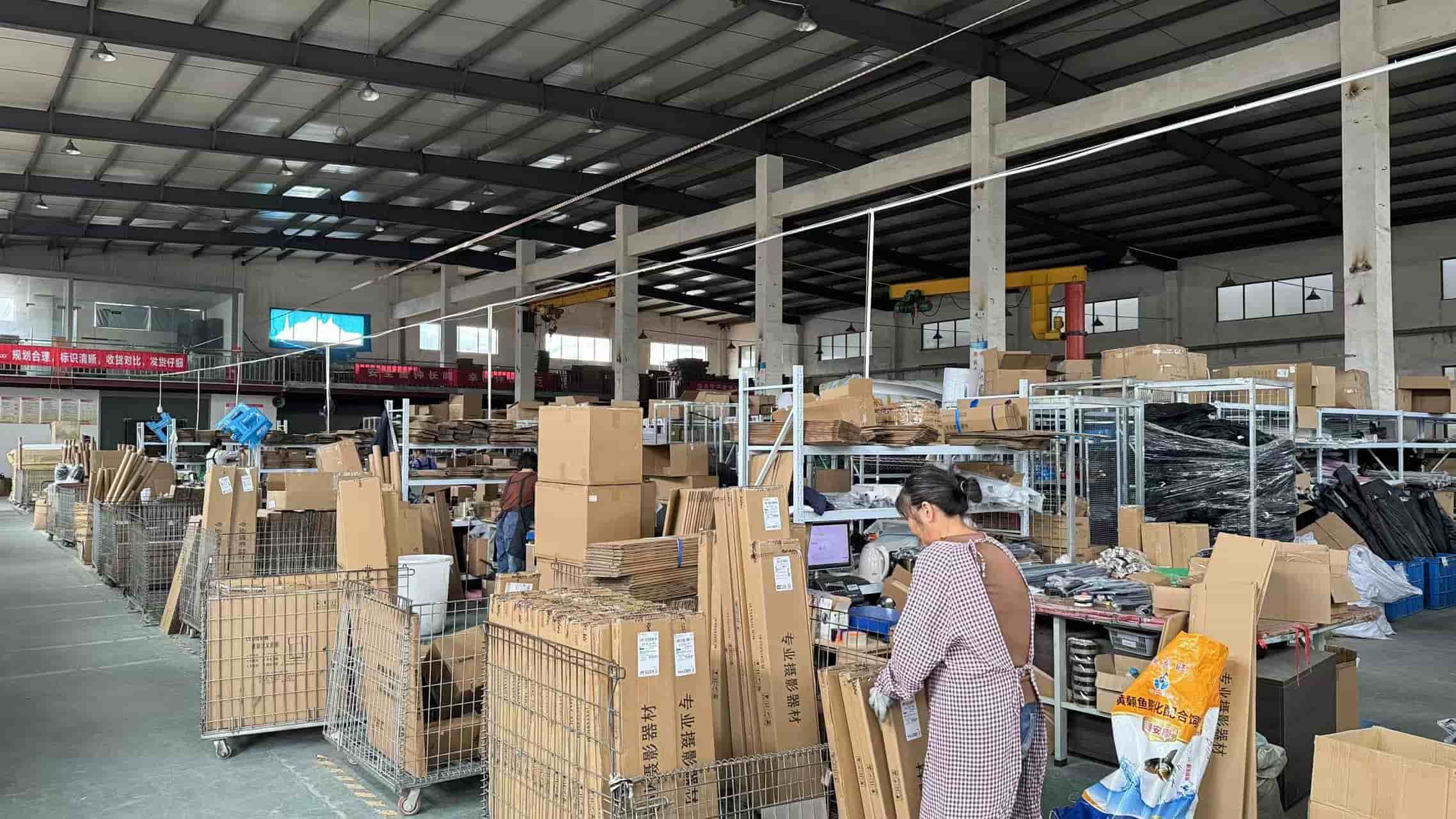
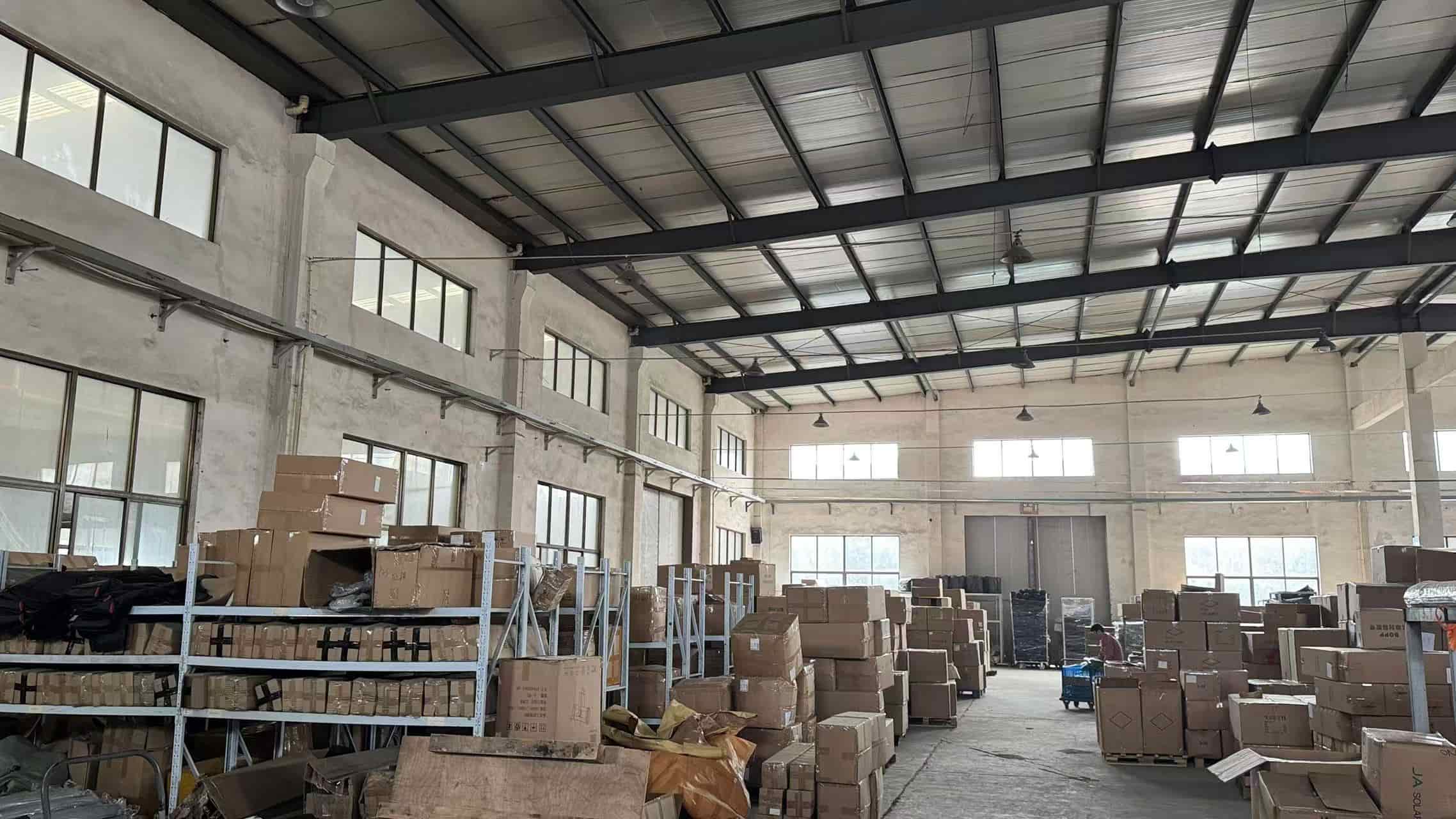
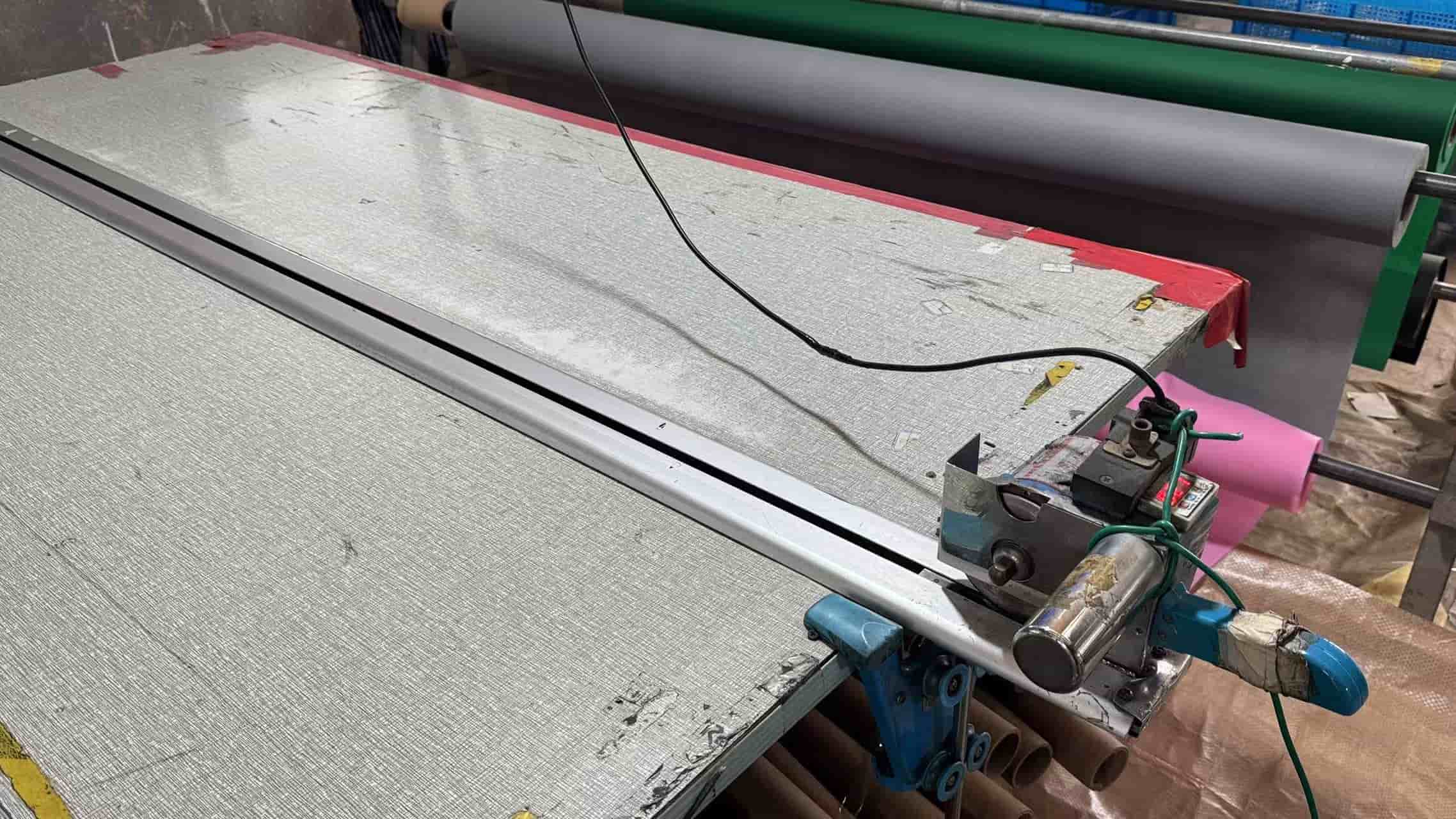
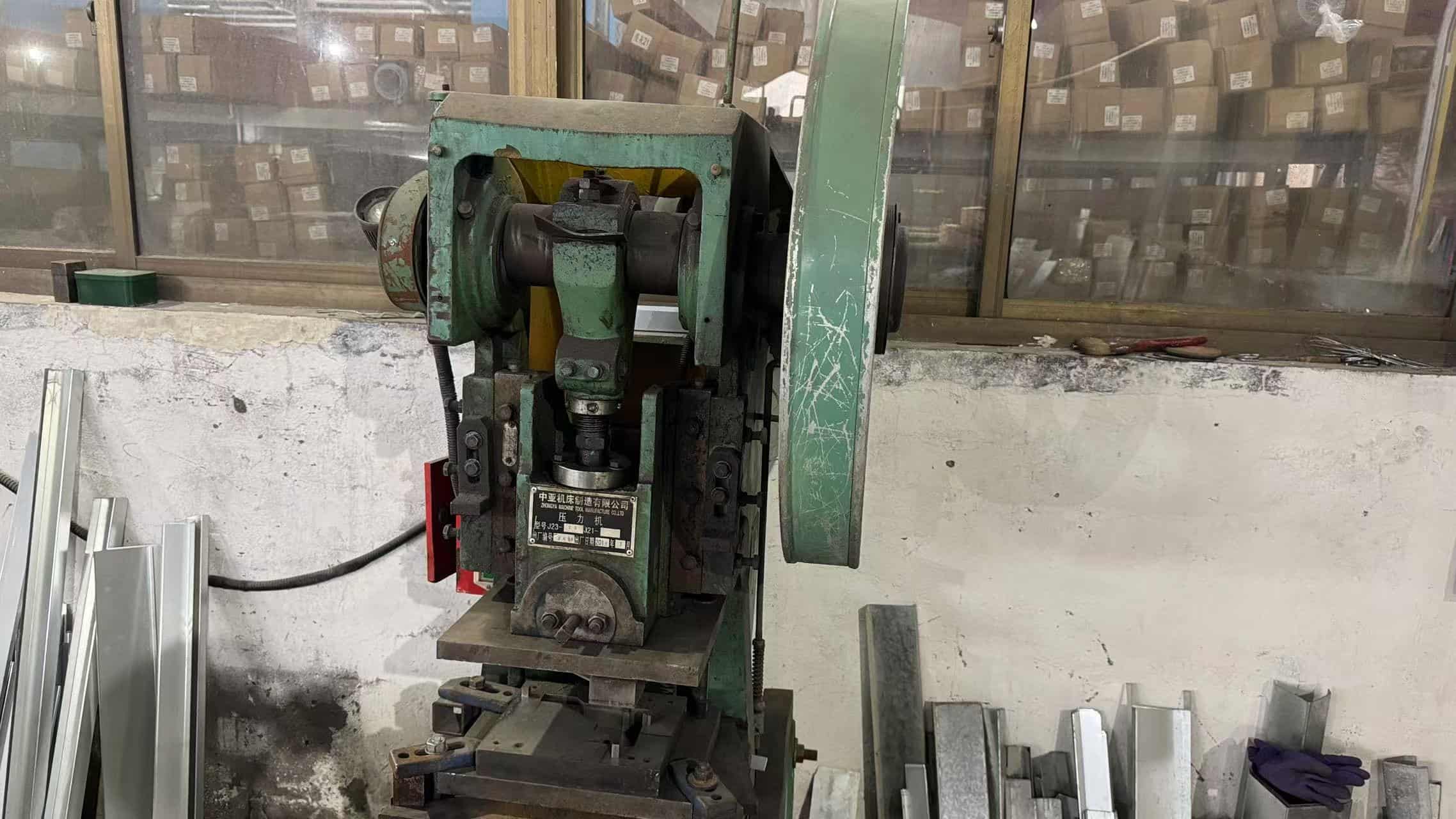
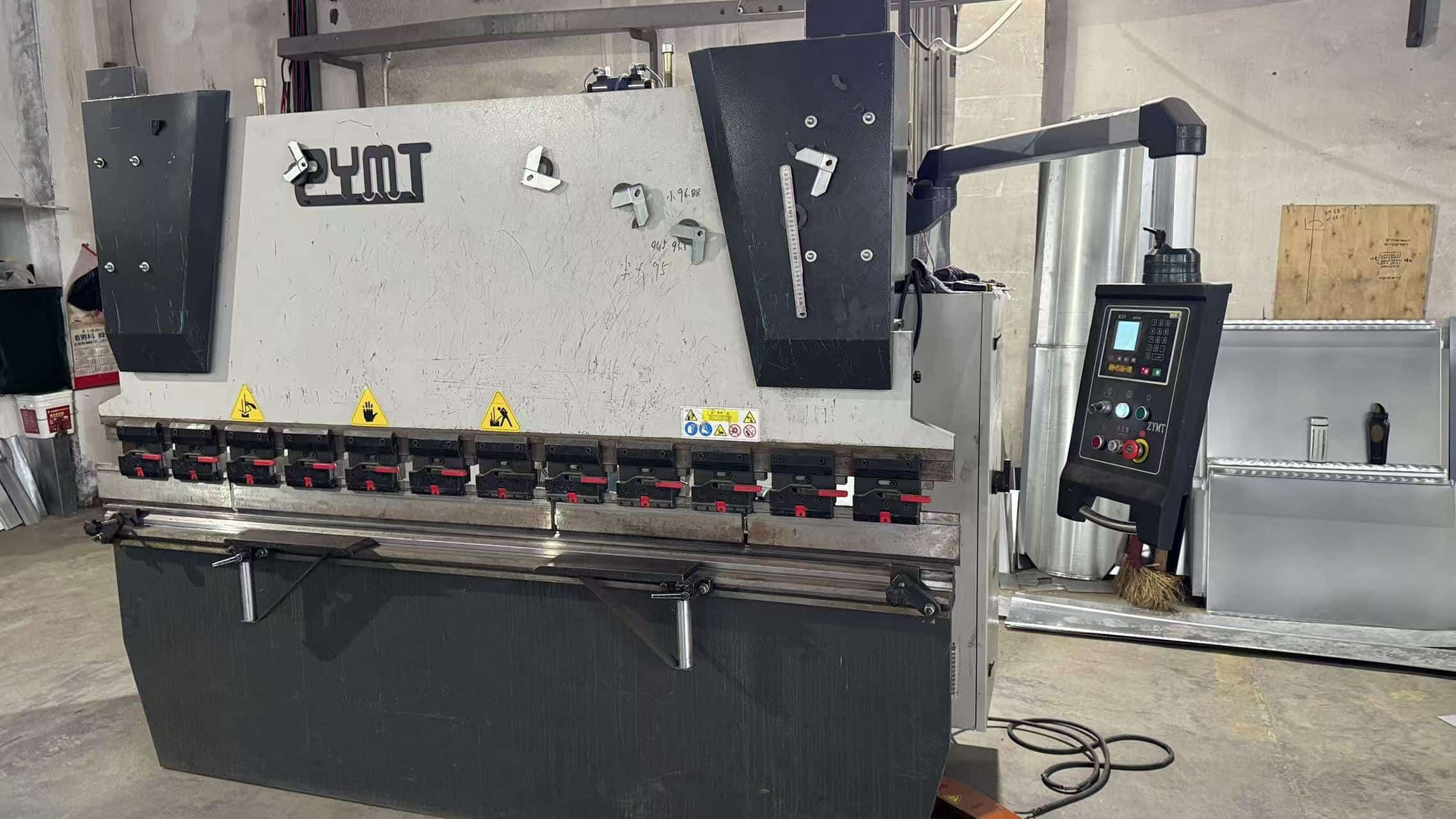
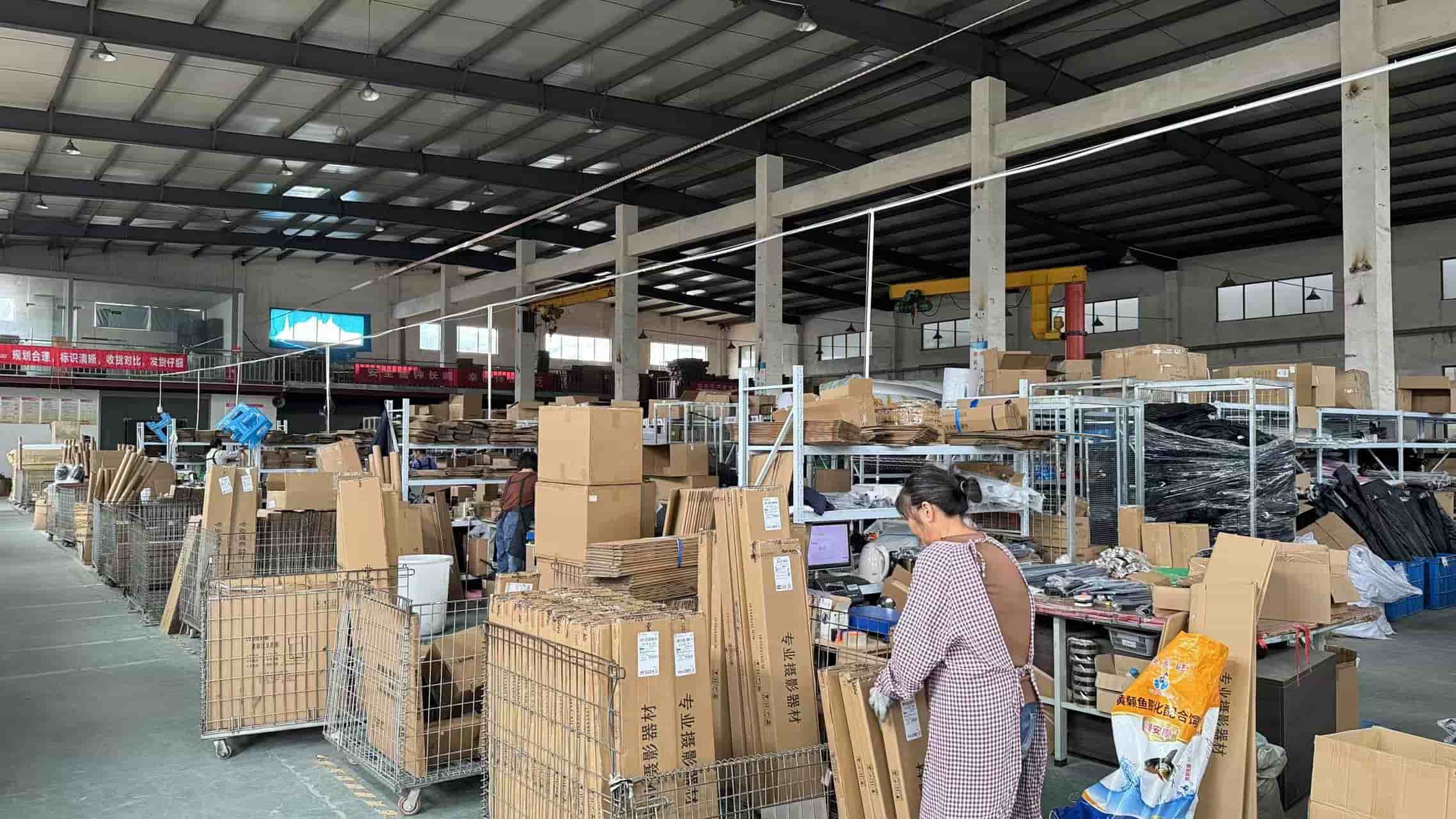
With a clean, well-organized production environment and high employee satisfaction, we ensure efficient and stable manufacturing output. Every finished product is fully traceable, guaranteeing reliable quality control and assurance. Our manufacturing facility utilizes high-speed bending machines, computer-aided punching presses, and dedicated cleanroom assembly lines to maintain absolute mechanical and electrical precision across both small-batch custom and high-volume orders.
Every finished product undergoes a minimum of six strict inspection processes before delivery, ensuring an impressive bulk order pass rate of 98.6%.
All quality control stages—including IQC (Incoming Quality Control), IPQC (In-Process Quality Control), and FQC (Final Quality Control)—are implemented under standardized operating procedures to ensure consistent product reliability and color consistency. We perform rigorous thermal stress testing, high-voltage insulation tests, CCT integration sphere tests, and IPX6 waterproof simulation tests for all exterior spotlight models.
Our warehouses operate under strict 6S management standards (Sort, Set in order, Shine, Standardize, Sustain, Safety), supported by regular cross-departmental audits. We maintain a systematic warehousing layout to guarantee that components are stored under temperature-controlled and low-humidity conditions:
Our dedicated R&D team combines strong engineering expertise with market-oriented innovation. We focus on developing high-performance and cost-optimized lighting solutions that:

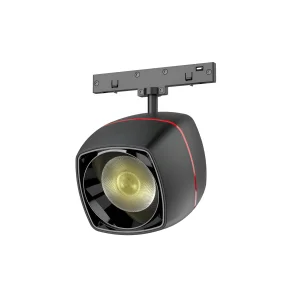
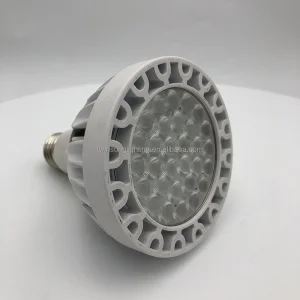
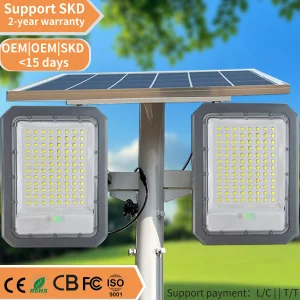
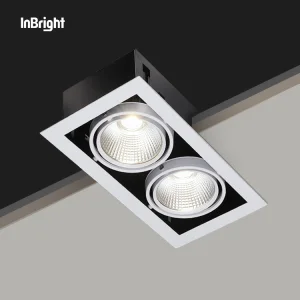
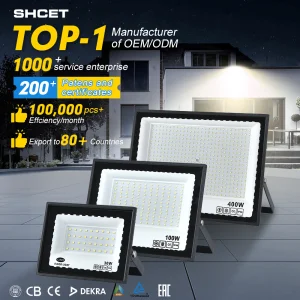
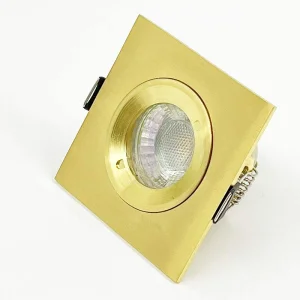
Explore our full line of project-ready architectural luminaires, certified for distribution and high-performance commercial integration in Boston.
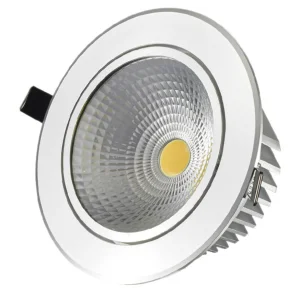
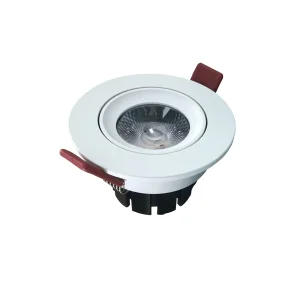
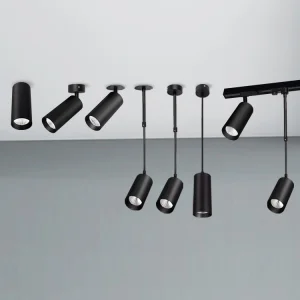
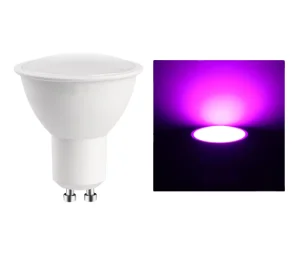
When sourcing industrial and architectural spot lighting from a Chinese manufacturer for integration in Boston developments, procurement teams must evaluate several technical metrics to avoid compliance bottlenecks:
The lifespan of high-density spotlights is directly correlated with chip temperatures. Alterra utilizes A380 die-cast aluminum with high thermal conductivity. This ensures that heat is rapidly dissipated from the junction box, maintaining safe junction temperatures even during continuous 24/7 operation in enclosed ceiling spaces.
Boston's high-end offices and university lecture halls require flicker-free dimming (compliant with IEEE 1789 standards). The drivers we supply integrate advanced PWM (Pulse Width Modulation) circuits that prevent high-frequency ripple, ensuring clean video capture during virtual conferencing and reducing eye fatigue.
To highlight architectural elements without wasting light energy, beam angle control is vital. We offer interchangeable optical lenses (utilizing PMMA materials with >92% light transmittance) in standard configurations of 15°, 24°, 36°, and 60°, allowing designers to tune beam patterns on-site.
Yes. All spotlights and floodlights exported to Boston and the broader North American market can be ordered with UL, ETL, or CSA safety listings, ensuring complete compliance with the Massachusetts Electrical Code (MEC) and local electrical inspector audits.
We achieve high system efficacy (up to 150 lm/W) by combining top-tier COB packages with highly efficient LED drivers. This design minimizes power consumption, making it easier for buildings to comply with BERDO emissions caps and qualify for utility rebate programs like Mass Save.
Our standard manufacturing lead time is 15-25 days depending on the customization required. Sea freight to the Port of Boston typically takes 30-35 days, while air freight solutions can deliver urgent orders within 7-10 days.
Absolutely. We offer customized CCT tuning, including dim-to-warm solutions (3000K down to 1800K) and high-CRI configurations (up to 98 Ra) to match historic gas-lamp and incandescent aesthetics in areas like Beacon Hill or Back Bay.
Connect directly with our engineering team for personalized quotes, IES photometric file downloads, and customized product options tailored to your Boston architectural designs.
Send Inquiry Now Alterra Lighting