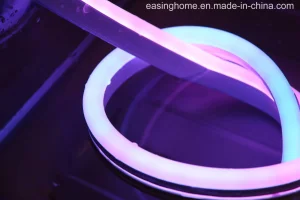
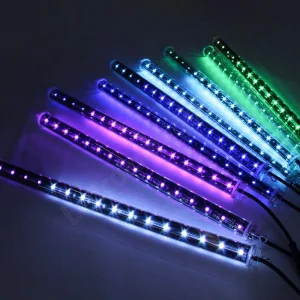
Discover our high-durability, IP68 rated, and addressable linear lighting systems optimized for Seoul's modern architectural structures and broadcasting studios.

South Korea stands at the global forefront of display technology and semiconductor design. In recent years, this technological leadership has transitioned rapidly into the Solid-State Lighting (SSL) sector. Cities like Seoul, Busan, and Incheon are scaling up their Smart City frameworks, integrating complex internet-of-things (IoT) architectures directly with public and commercial architectural lighting designs.
In the professional broadcast domain, the explosive growth of K-Content (Korean dramas, variety shows, and K-Pop music videos) has transformed local studio demands. Conventional RGB lighting is no longer sufficient; directors and colorists require RGBWW (Red, Green, Blue, Warm White, Cool White) systems that yield exceptionally high CRI (Color Rendering Index) and TLCI (Television Lighting Consistency Index) values above 95. This prevents color casting on camera sensor captures and ensures realistic skin tone reproduction under variable ambient setups.
Importing electronic and lighting systems into South Korea requires adherence to rigid safety and electromagnetic compatibility (EMC) regulations. The primary gatekeeper is the KC (Korea Certification) mark, administered by the Korean Agency for Technology and Standards (KATS). Key requirements include:
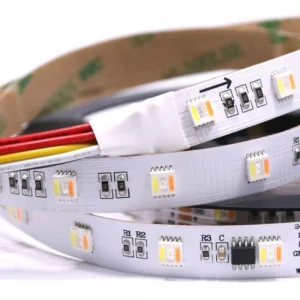
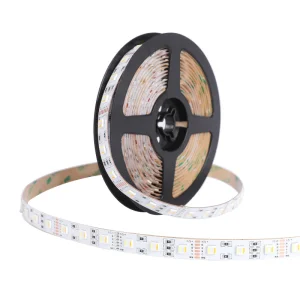
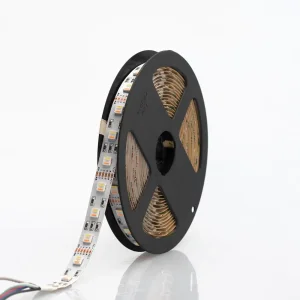
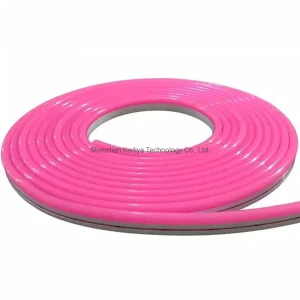
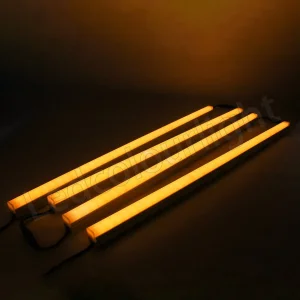
Globally, the architectural and entertainment sectors are pivoting from static colors to dynamic, addressable pixel structures. Conventional RGB fixtures suffer from "color gaps" in the warm white and cool white spectrums. By integrating five discrete LED dies in one package—Red, Green, Blue, Warm White (typically 2700K), and Cool White (typically 6500K)—RGBWW strip and tube light architectures deliver a continuous spectrum capable of simulating natural daylight cycles (circadian lighting) and producing highly saturated artistic hues simultaneously.
A specialized R&D and manufacturing powerhouse serving high-end requirements in South Korea and 122 countries worldwide.
Zhongshan Alterra Lighting Co., Ltd. was established in 2020, specializing in the research, development, production, and sales of professional and architectural photographic lighting equipment. After years of dedicated development, the company has earned a strong reputation in the global industry and established long-term, stable partnerships with distributors across 12 provinces in China. The company has also successfully expanded into international markets, with products exported to 122 countries, becoming one of the most recognized brands in the global photographic lighting industry.
Looking ahead, Alterra Lighting will continue to uphold the core values of "innovation, quality, and service," and remain committed to providing high-quality lighting solutions for global users of photographic equipment, contributing to the advancement of the industry.
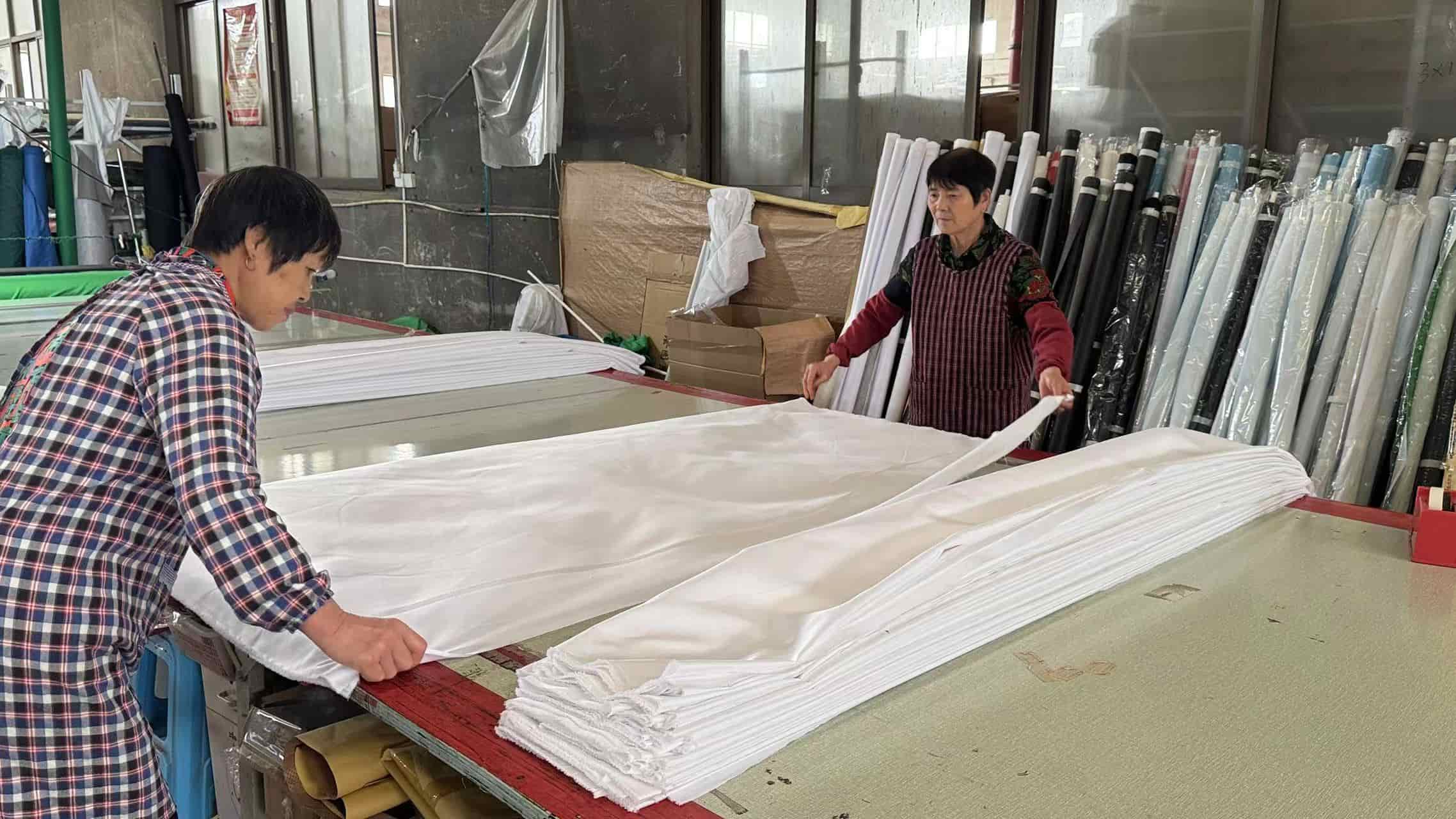
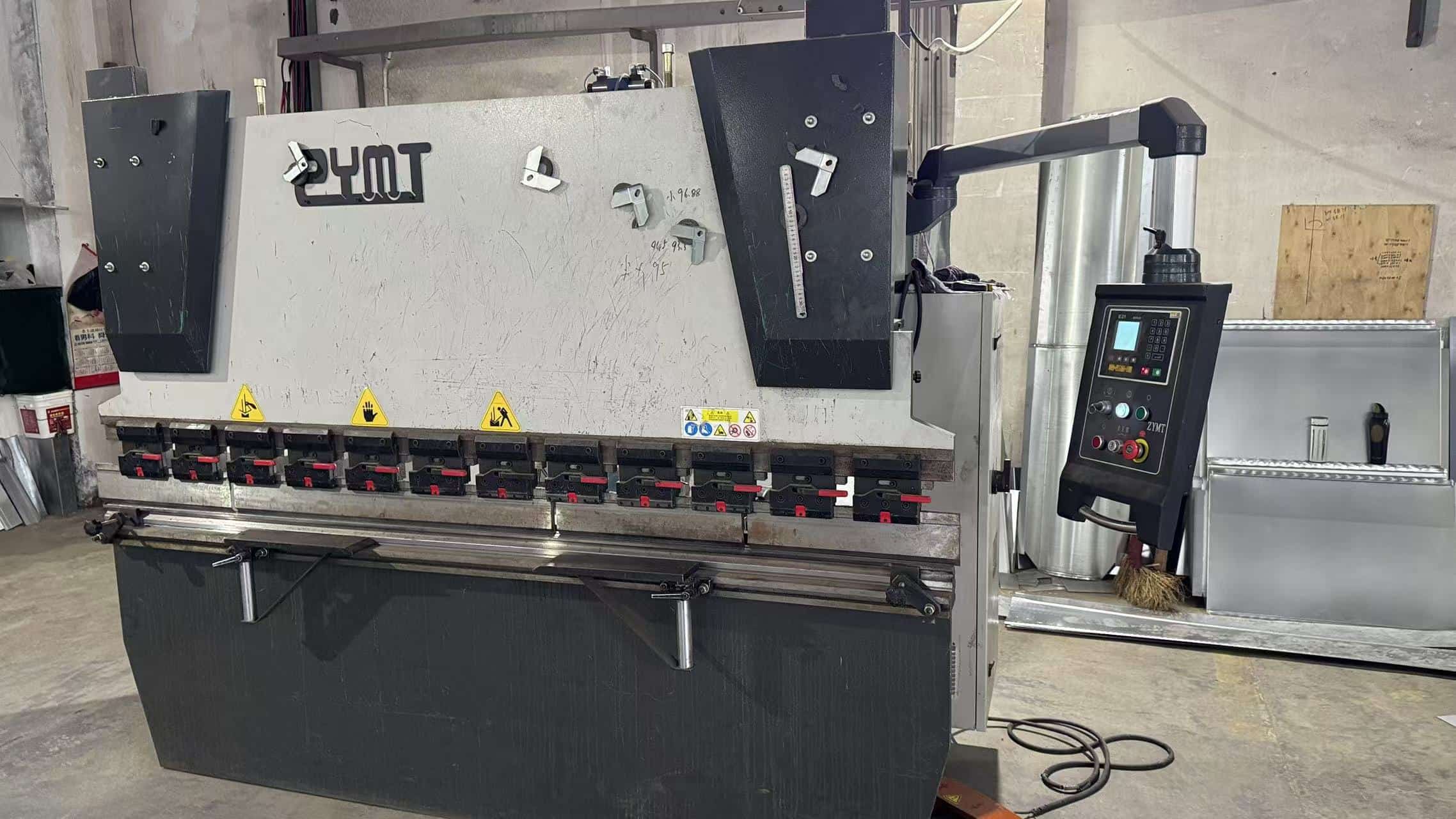
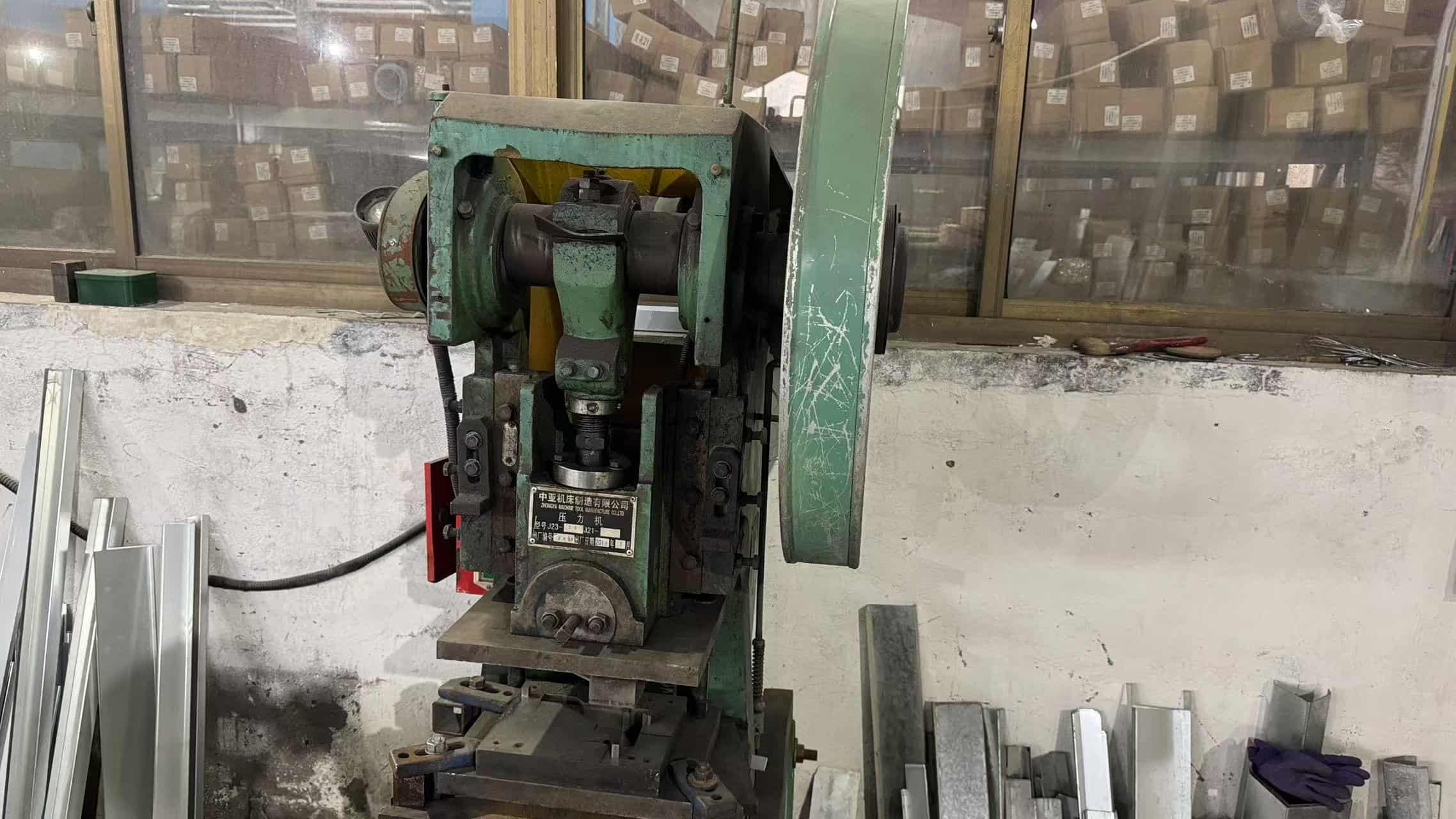
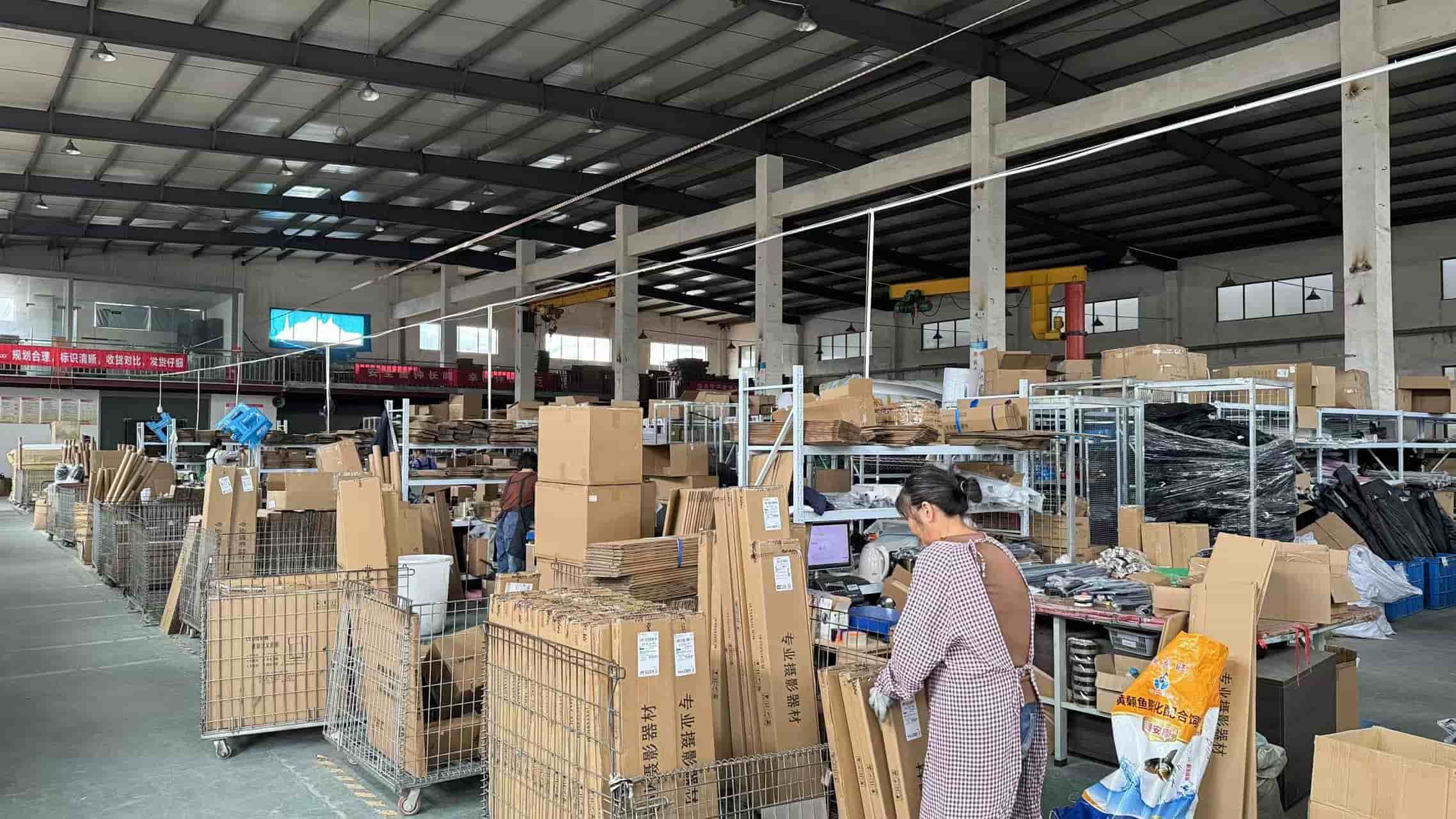
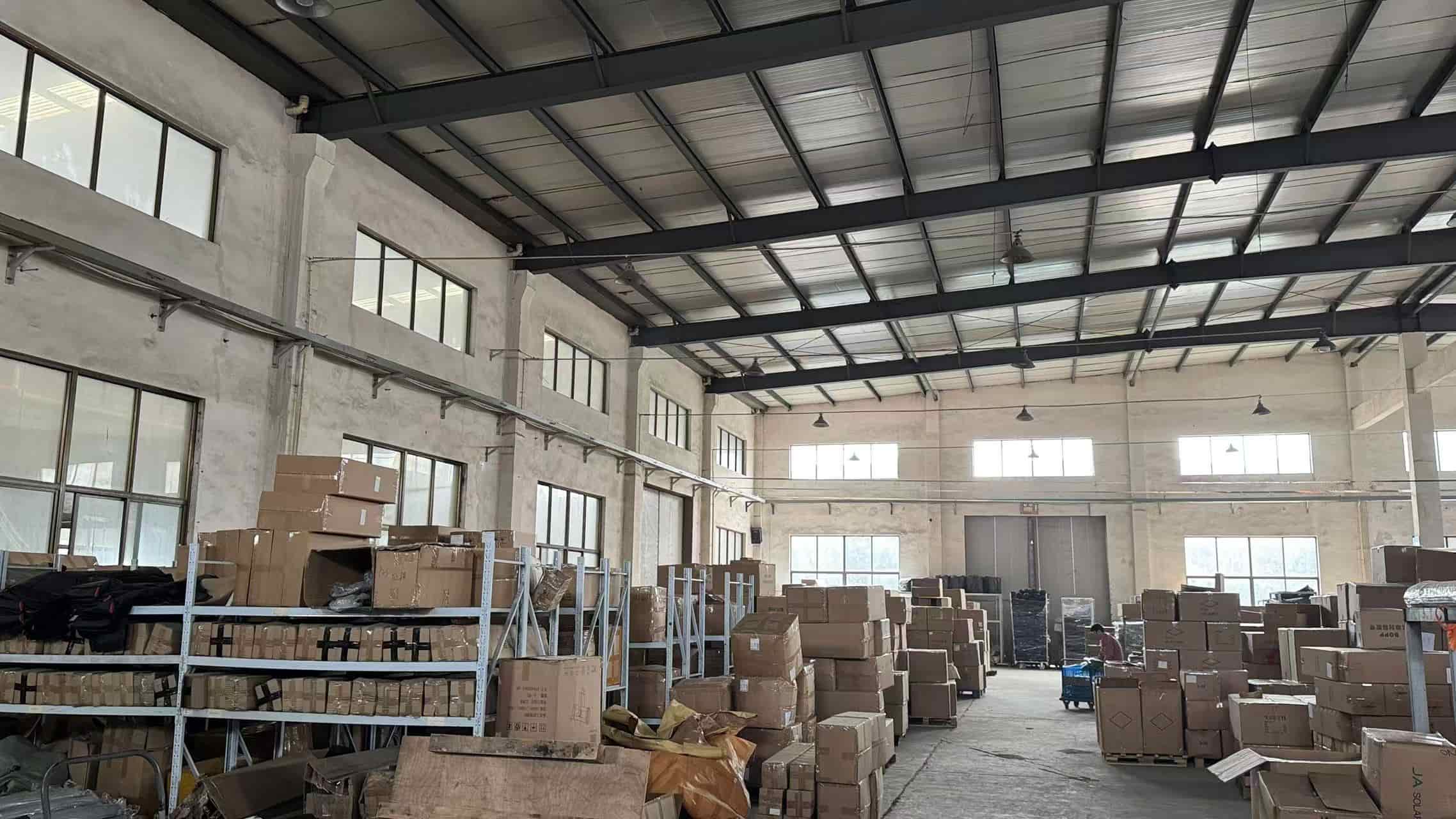
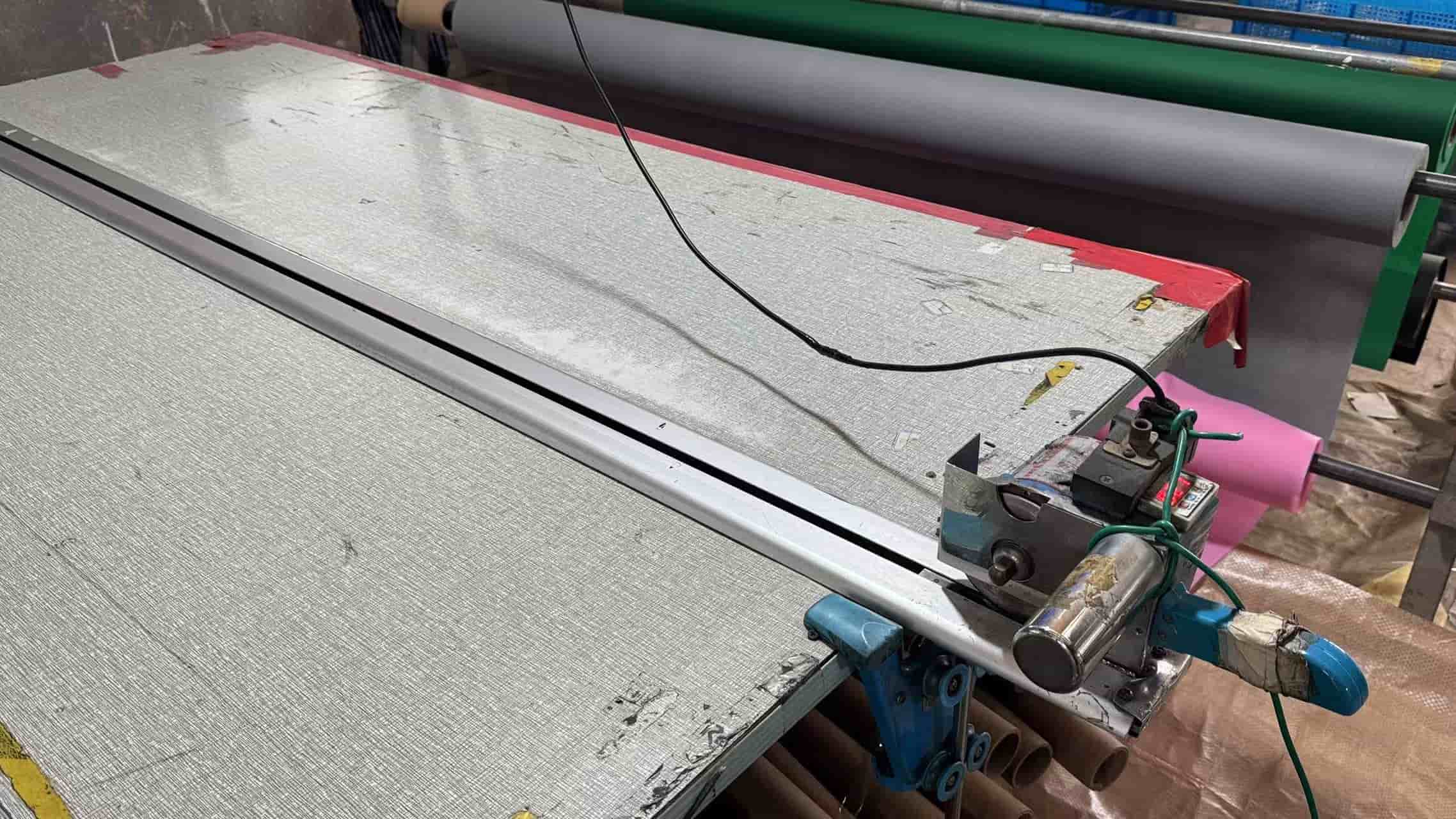
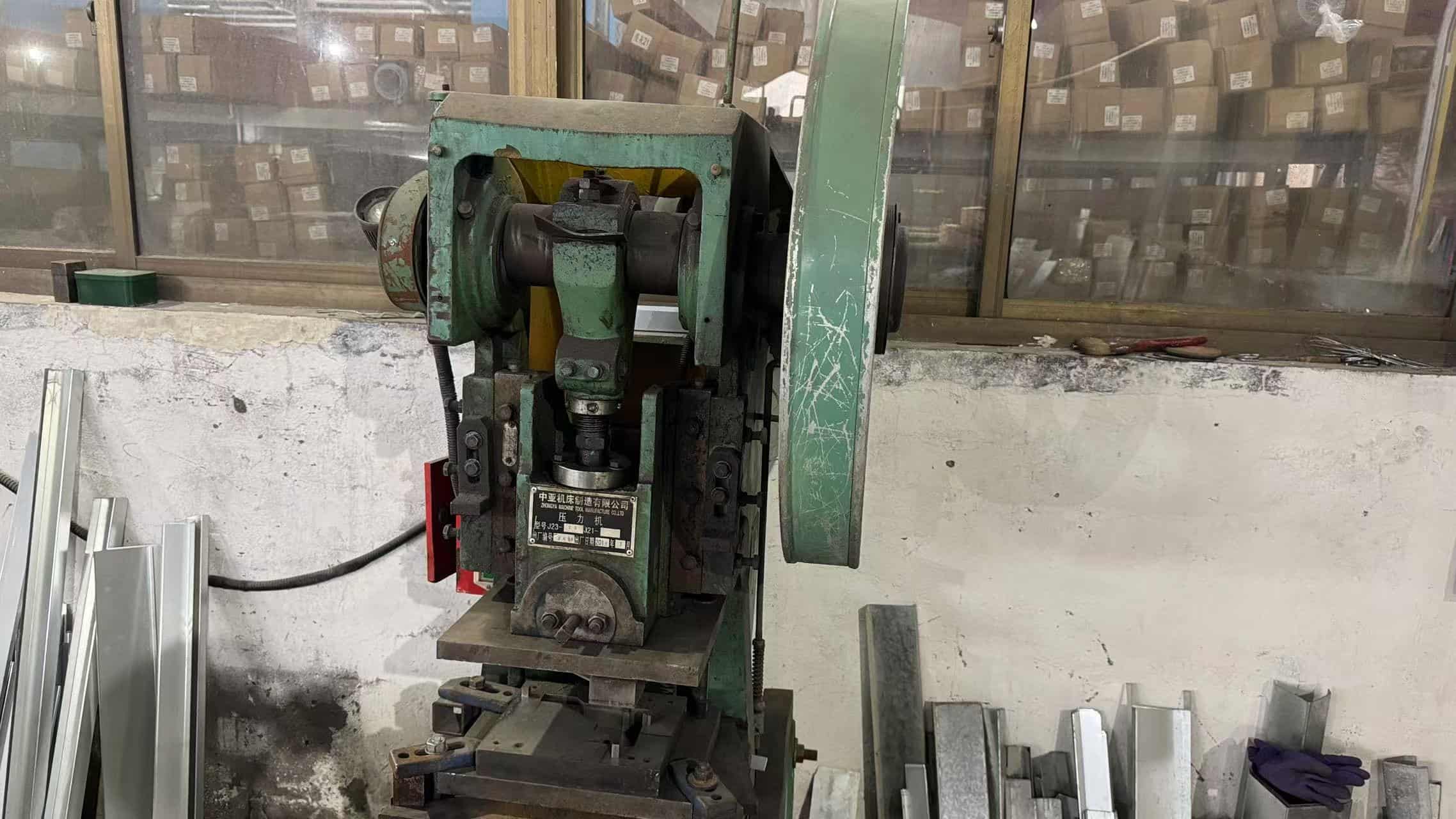
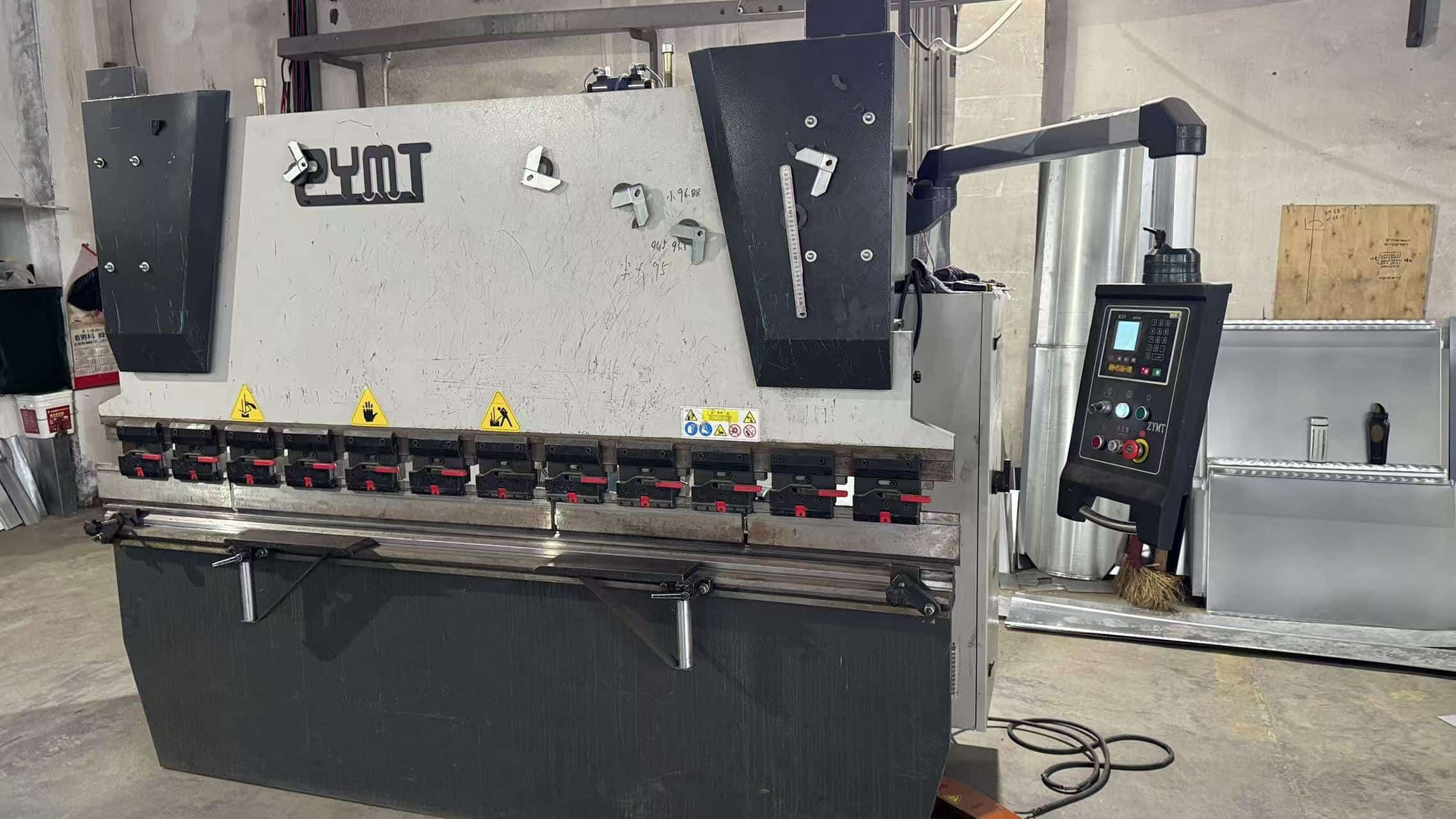
Our ISO 9001 and TÜV certified production facility utilizes specialized, clean-room assembly lines to keep defect rates minimized. With a clean, well-organized production environment and high employee satisfaction, we ensure efficient and stable manufacturing output. Every finished product is fully traceable, guaranteeing reliable quality control and assurance.
Every finished product undergoes a minimum of six strict inspection processes before delivery, ensuring a bulk order pass rate of 98.6%. All quality control stages—including IQC (Incoming Quality Control), IPQC (In-Process Quality Control), and FQC (Final Quality Control)—are implemented under standardized operating procedures to ensure consistent product reliability.
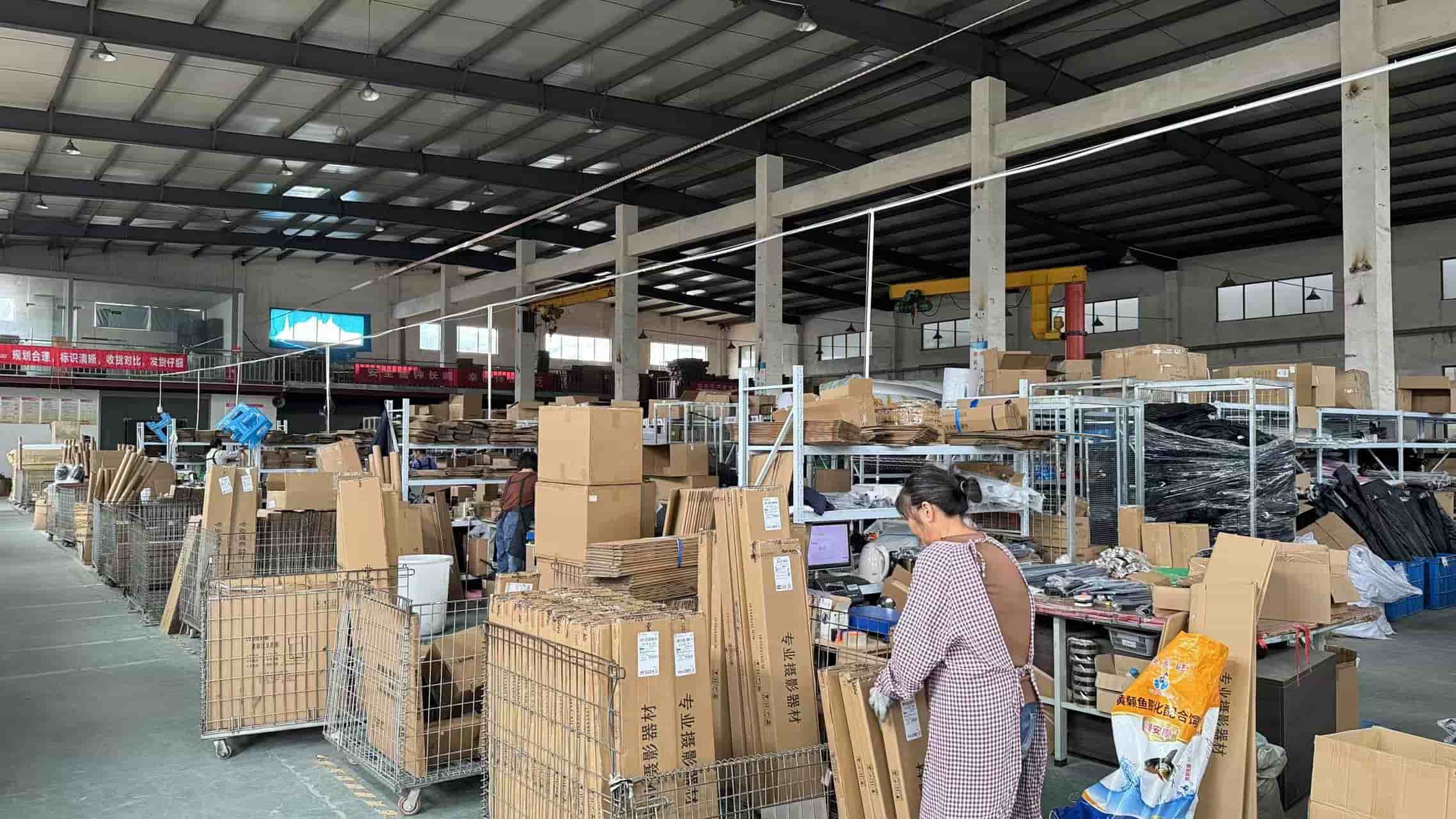
Our warehouses operate under strict 6S management standards (Sort, Set in order, Shine, Standardize, Sustain, Safety), supported by regular cross-departmental audits. Key tenets include:
Our dedicated R&D team combines strong engineering expertise with market-oriented innovation. We focus on developing high-performance and cost-optimized lighting solutions that respond quickly to evolving market demands, integrate real user feedback and practical applications, and support customization and OEM/ODM requirements.
In the landscape of RGBWW linear lighting technology, we continuously innovate our manufacturing processes. Below is our strategic development framework designed to support smart infrastructures and production companies inside the South Korean region:
Traditional PVC sleeves discolor, crack, and yellow when exposed to UV radiation and sub-zero Korean winter temperatures (down to -15°C). Our R&D team uses advanced food-grade silicone co-extrusion technologies. This provides a highly flexible profile that is anti-UV, saline-resistant, and maintains IP68 waterproof performance.
Integrating WS2811, WS2812B, and DMX512 dynamic chipsets directly onto high-thickness, double-layer copper PCBs (3oz/4oz) to prevent voltage drops. This enables granular control of individual pixels for dynamic color chases, complex matrices, and sound-to-light synchronizations.
Our drivers feature high-frequency Pulse-Width Modulation (PWM) dimming up to 30KHz. This eliminates camera flicker, which is crucial for modern high-frame-rate cameras used in K-Drama sets, commercials, and digital broadcasting studios.
Our customizable linear RGBWW lights fit a variety of local structural applications:
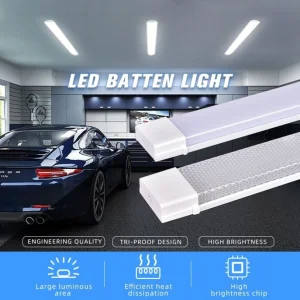
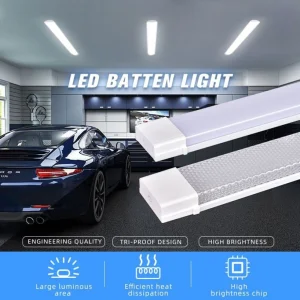
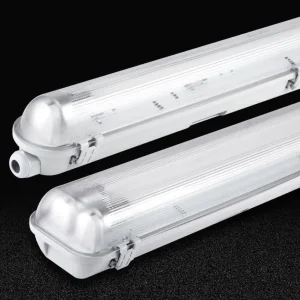
Explore our specialized portfolio of linear tubes, LED battens, and multi-channel strip lights optimized for versatile engineering projects.
Technical insights on selecting, installing, and importing RGBWW lighting structures to South Korea.
Connect directly with our engineering and logistics specialists to obtain custom quotes, sample parameters, and detailed compliance records tailored to your project requirements.
Send Inquiry Now Alterra Lighting