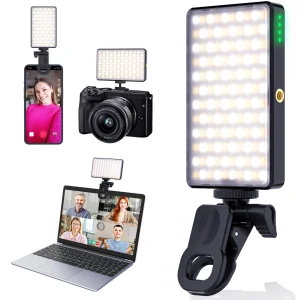
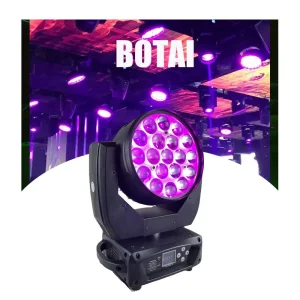
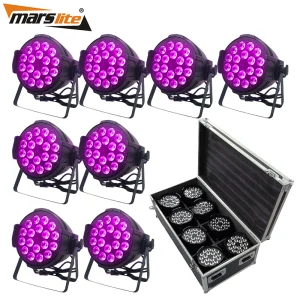
Explore our engineered catalog featuring ultra-thin fixtures, photographic speedlights, high-mast stadium solutions, and stage-specific wash arrays designed for premium commercial performance.
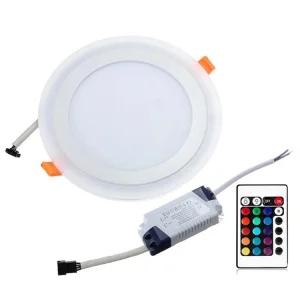
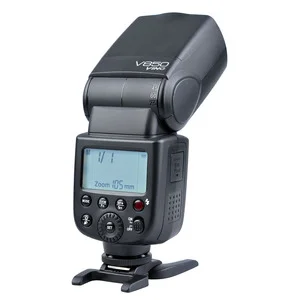
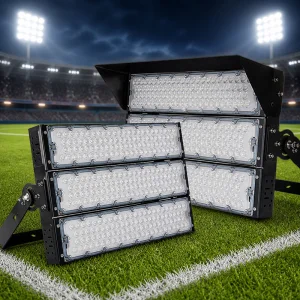
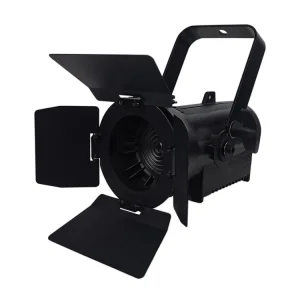
Omnidirectional lighting system design plays an instrumental role across complex infrastructural, logistical, and commercial landscapes globally. Defined by its ability to disperse light in a spherical 360-degree pattern, omnidirectional lighting eliminates harsh shadowing and high-contrast pockets common to traditional directional luminaires. In critical sectors like construction zones, railway logistics networks, disaster emergency responses, and film/studio sets, having uniform ambient lux distribution is not just a preference but a prerequisite for operational safety and execution.
As international safety watchdogs like OSHA and European Committee for Standardization tighten workplace visibility metrics, the demand for high-efficiency, multi-directional lumination structures has scaled. Traditional halogen and high-pressure sodium balloon lights are rapidly being replaced by high-power solid-state LED configurations. These newer architectures deliver significant energy conservation, robust physical durability against severe weather (IP65/IP66 compliance), and long active lifespans, lowering the total cost of ownership (TCO) for municipal departments and private developers worldwide.
Semantic Search Insight: Global buyers searching for "Top China Omnidirectional Light Suppliers" prioritize supply security, certified quality parameters, and high-efficiency thermal management architectures that prevent lumen depreciation over extended runtimes.
China's dominance in the global optoelectronic supply chain is characterized by highly integrated manufacturing clusters, notably within Guzhen and Zhongshan in Guangdong Province. These industrial hubs bring together all upstream and downstream production processes under tight geographical circles. Component sourcing—ranging from metal die-cast heatsinks, high-thermal-conductivity PCBs, to specialized LED drivers and polymer optical diffusers—happens within a radius of mere kilometers.
This high cluster density dramatically drives down lead times and logistics costs. For overseas B2B clients, this translates into agile custom modification capabilities (OEM/ODM options), swift compliance alignment, and unparalleled cost-efficiencies. Automated SMD (Surface Mount Device) assembly lines, CNC metal stamping, and specialized optical testing labs ensure that Chinese manufacturing centers can rapidly scale up production volumes without compromising structural accuracy.
Zhongshan Alterra Lighting Co., Ltd. was established in 2020, specializing in the research, development, production, and sales of photographic lighting equipment. After years of dedicated development, the company has earned a strong reputation in the industry and established long-term, stable partnerships with distributors across 12 provinces in China. The company has also successfully expanded into international markets, with products exported to 122 countries, becoming one of the most recognized brands in the global photographic lighting industry.
Looking ahead, Alterra Lighting will continue to uphold the core values of "innovation, quality, and service," and remain committed to providing high-quality lighting solutions for global users of photographic equipment, contributing to the advancement of the industry. Our dedicated R&D team combines strong engineering expertise with market-oriented innovation to design products that respond quickly to evolving market demands, integrate real user feedback, and support custom OEM/ODM requirements.
Our factory houses heavy industrial machinery, enabling in-house raw material processing, bending, stamping, and automated line configurations. This vertical integration controls unit costs while retaining full quality ownership.

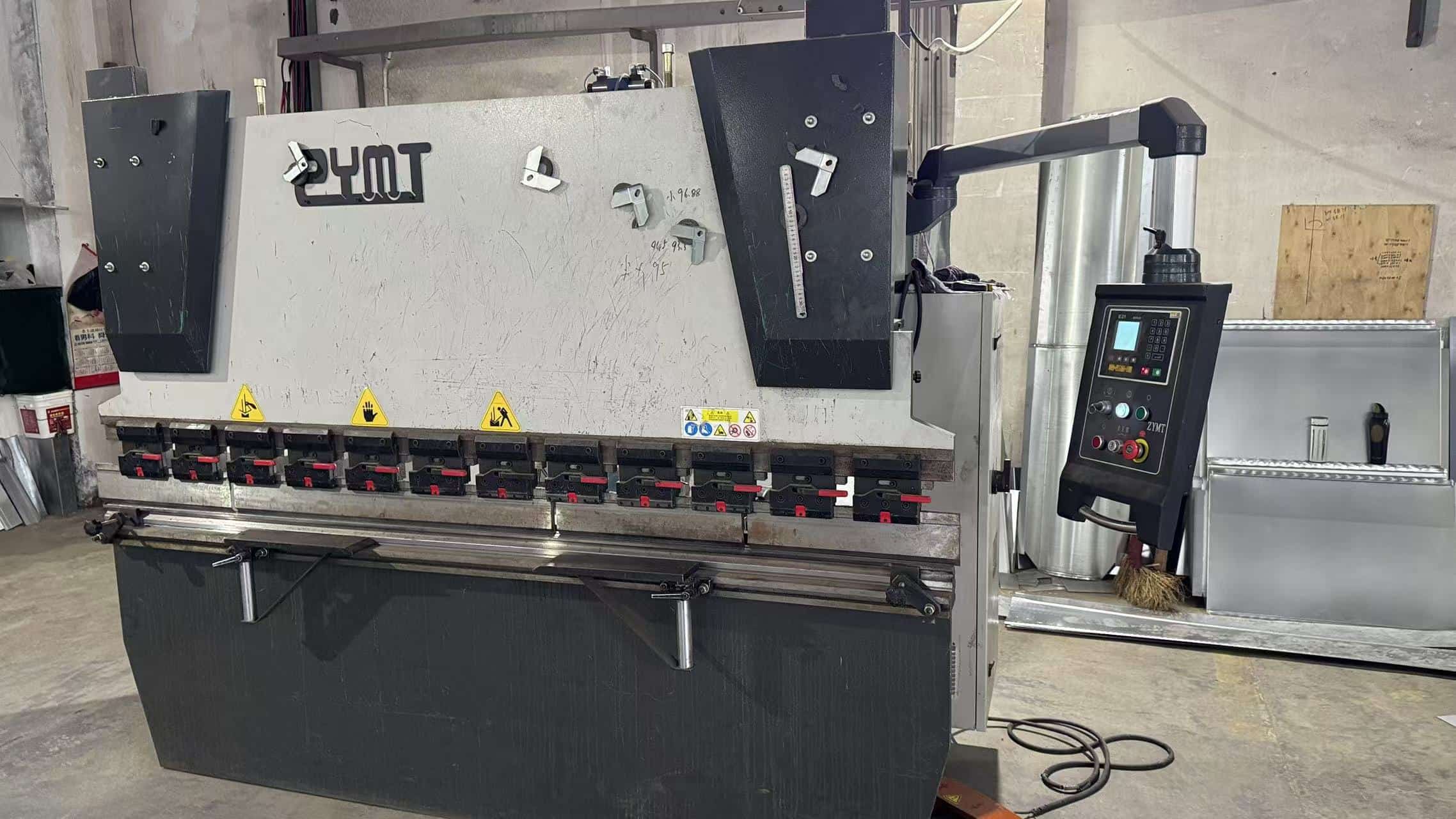
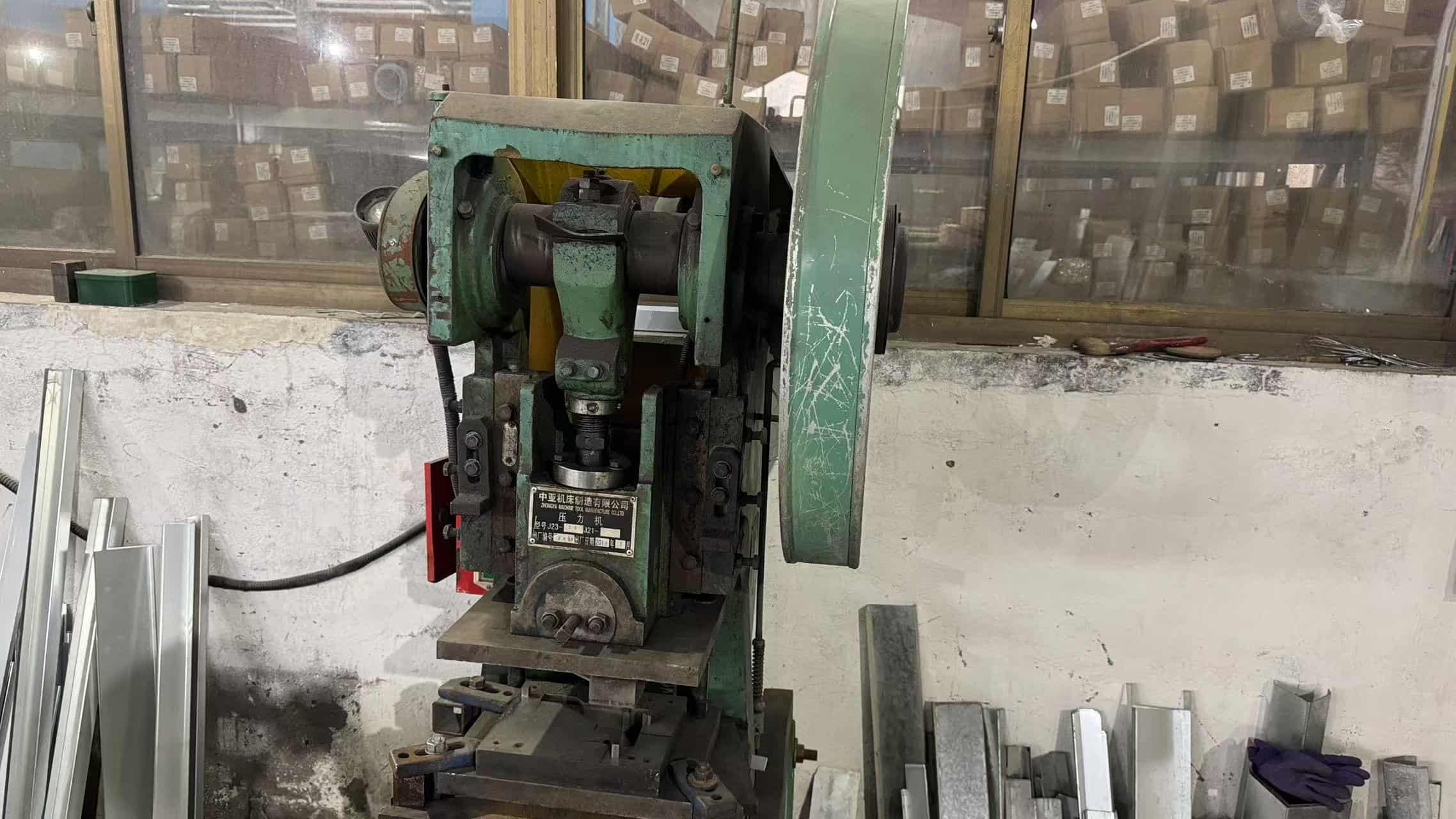
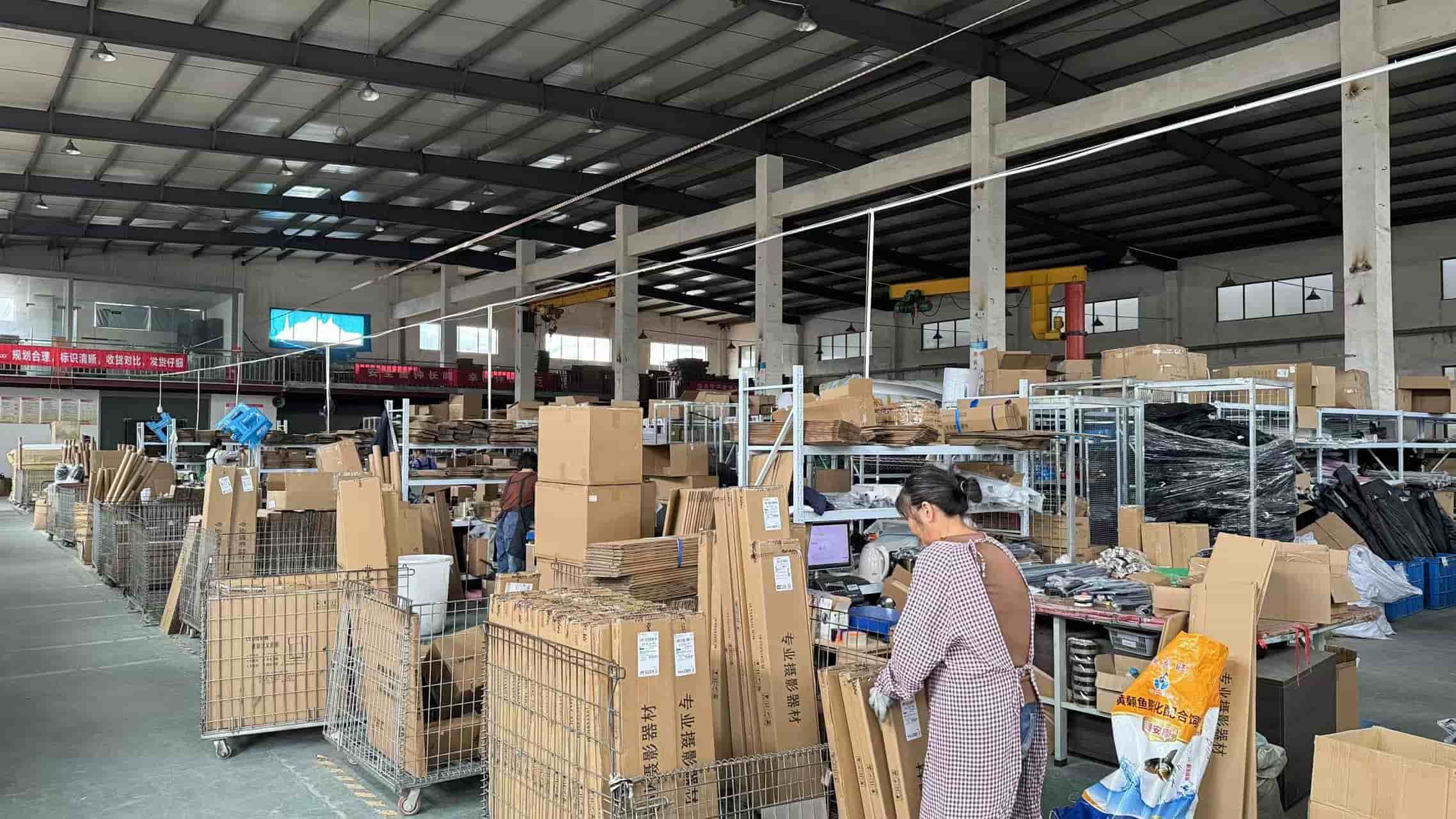
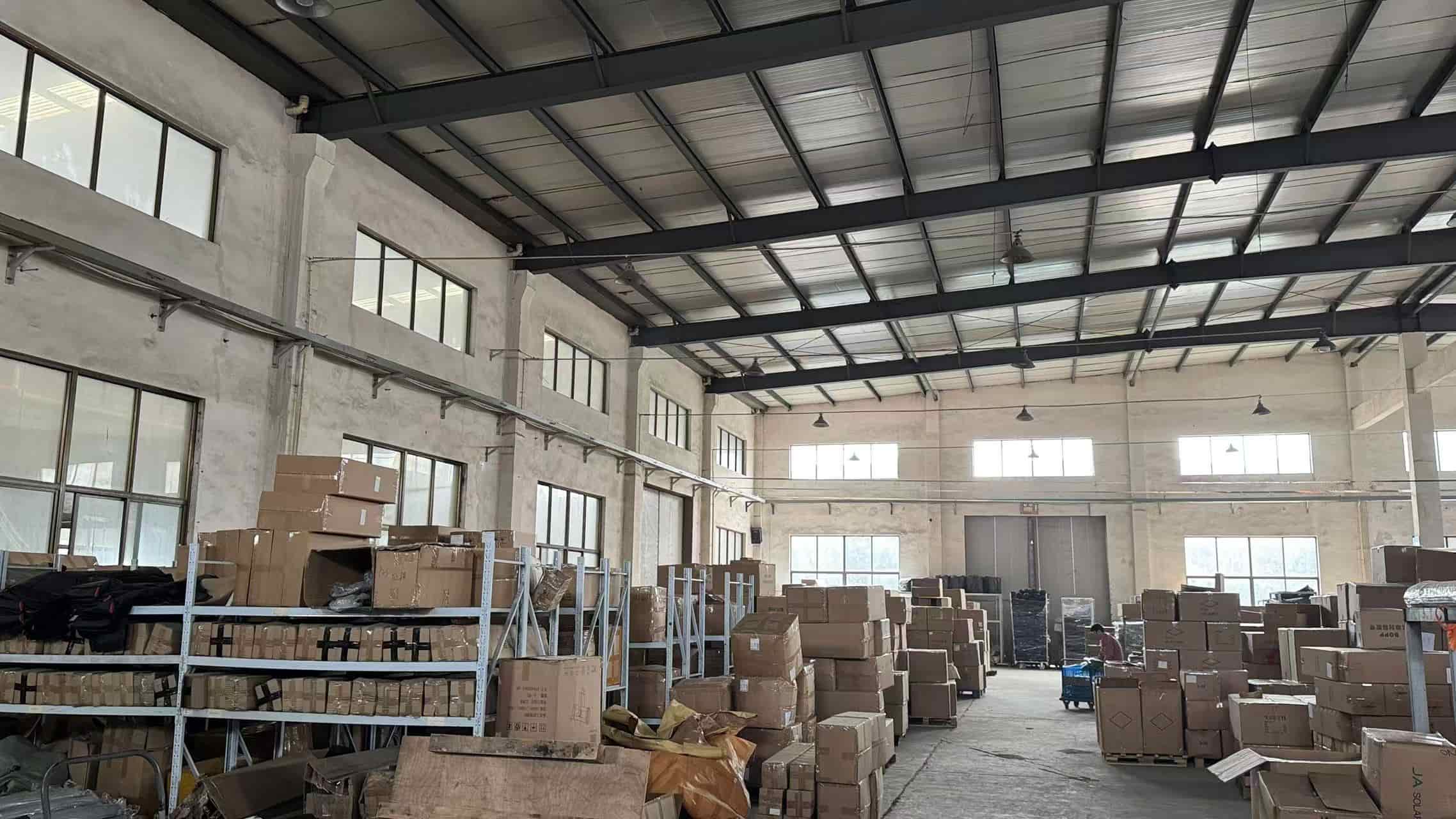
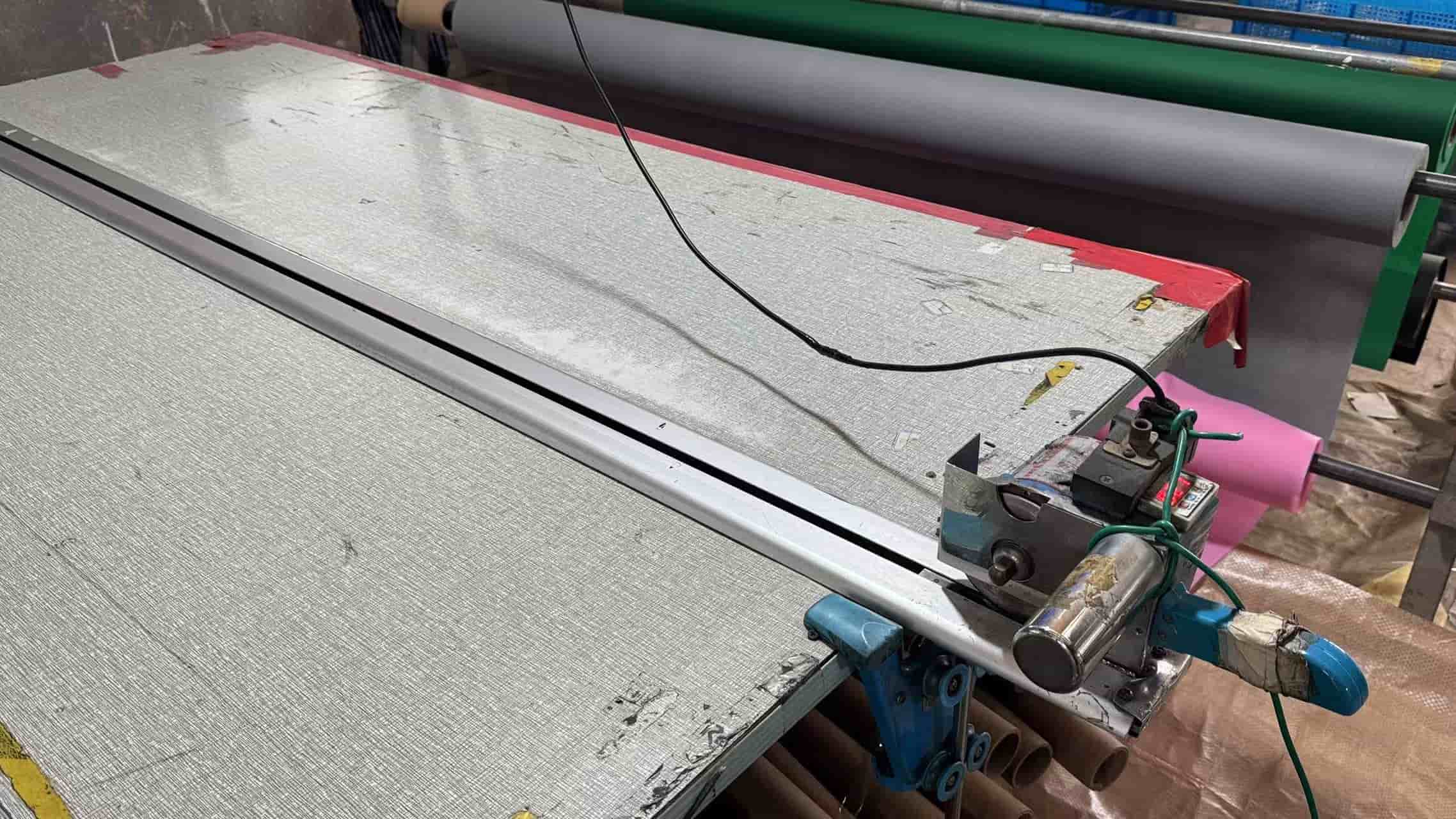
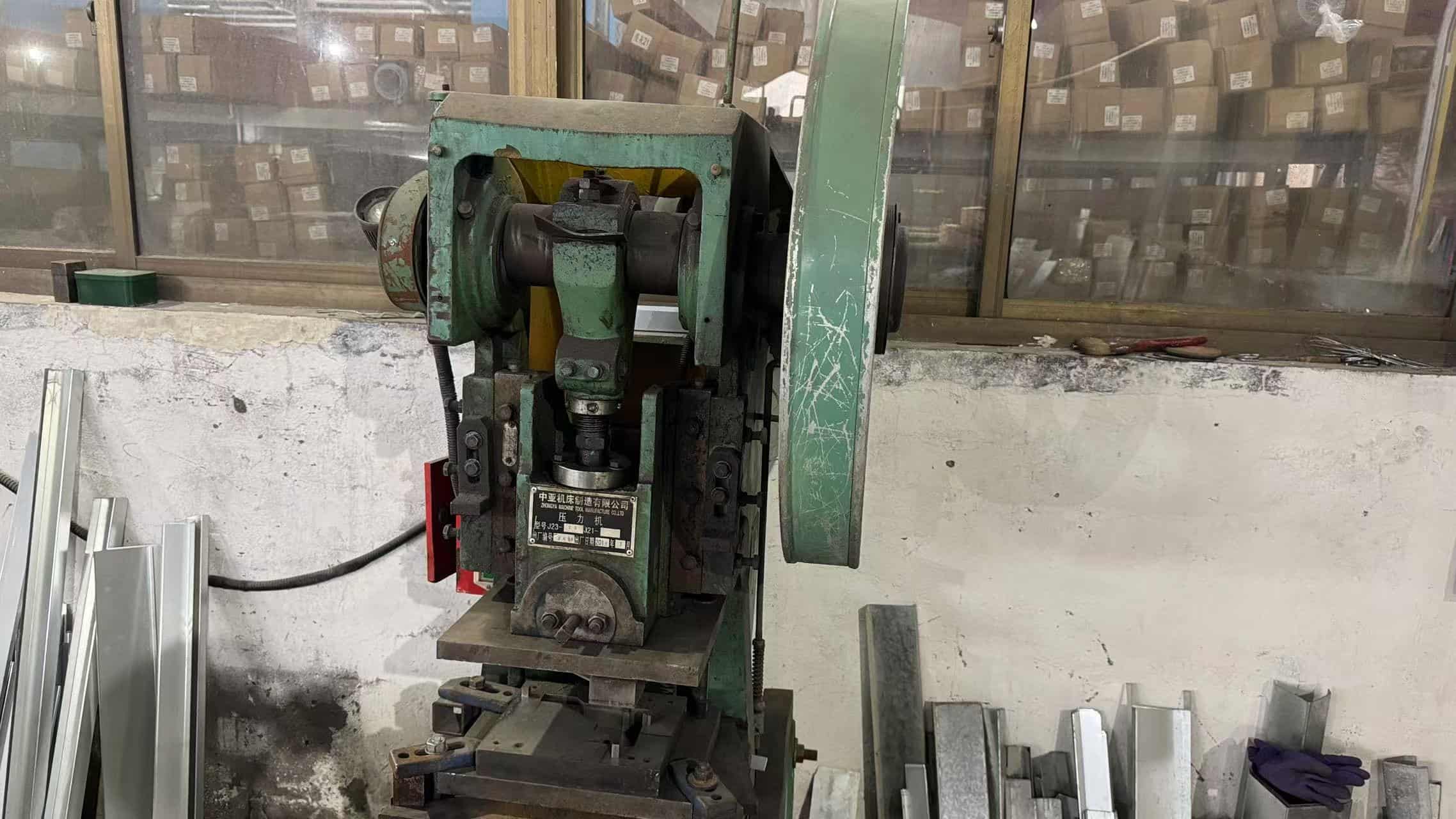
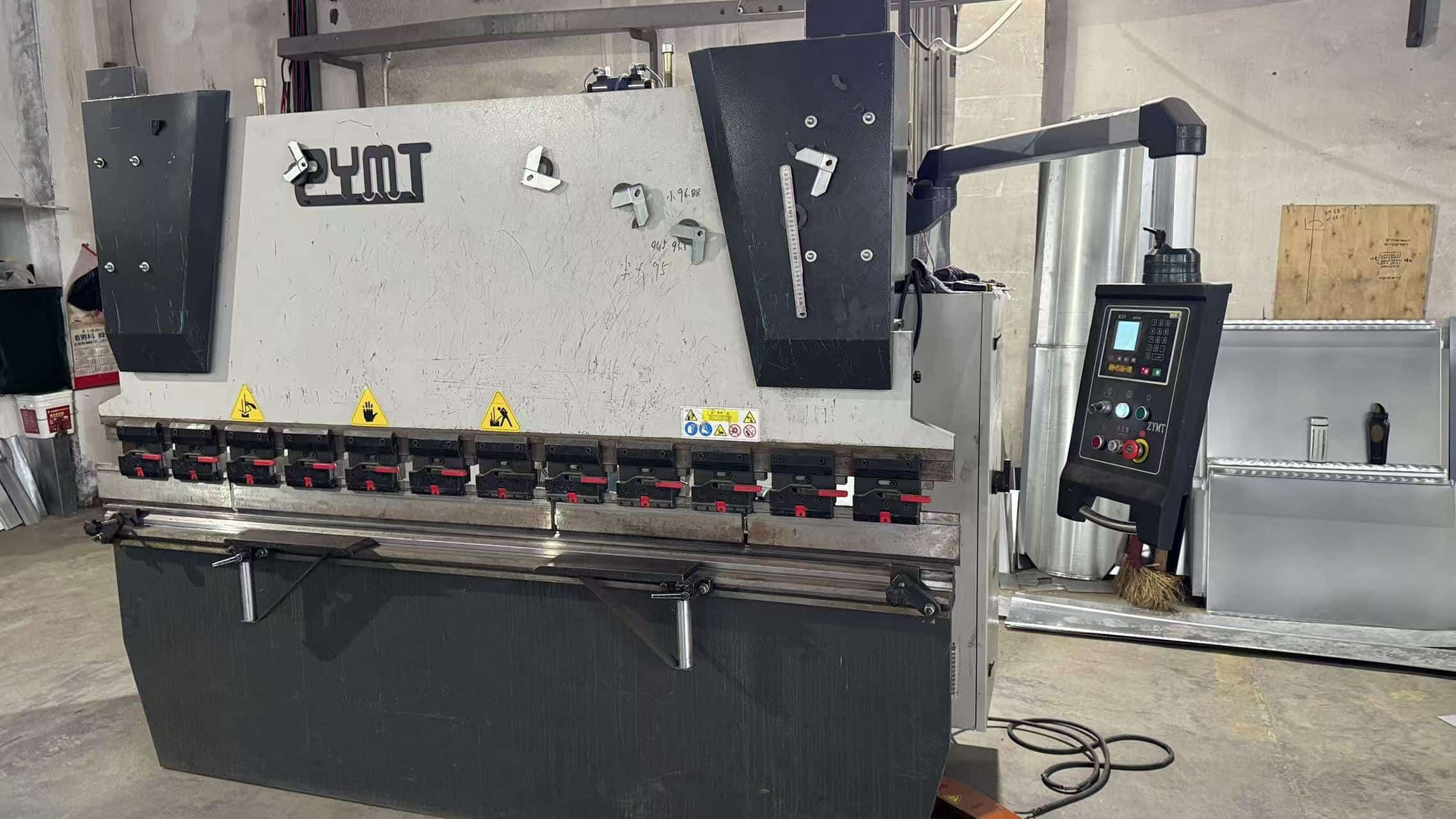
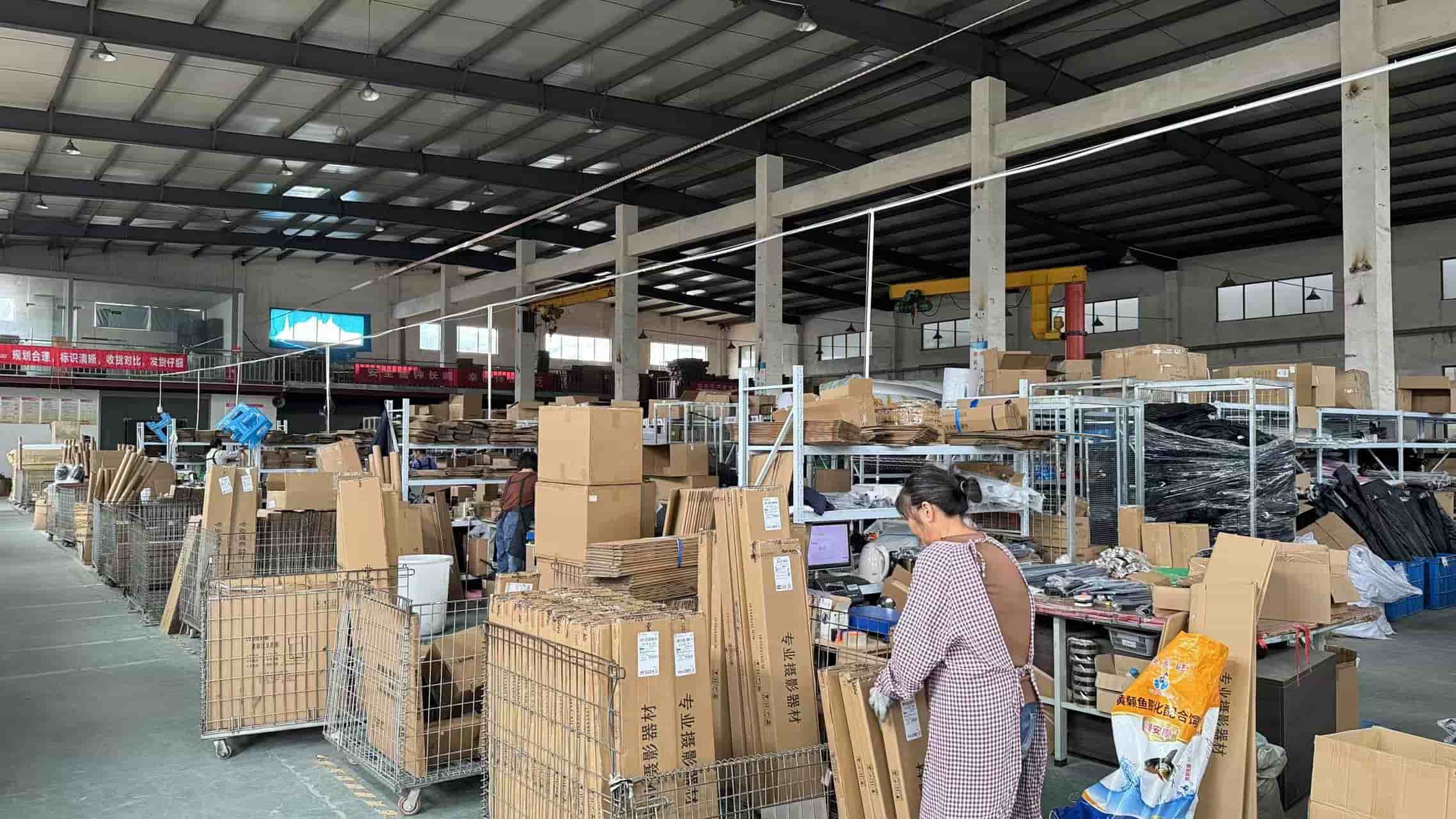
Our facility operates under strict ISO 9001 & TÜV certification pathways. Maintaining operational safety and product reliability requires uniform adherence to manufacturing protocols. Every finished light undergoes a minimum of six intensive inspection processes before packaging and delivery to maintain our record of a 98.6% bulk order pass rate.
Quality checks encompass IQC (Incoming Quality Control), assessing high-power LED arrays and drivers, IPQC (In-Process Quality Control), monitoring soldering and thermal dissipation pasting, and FQC (Final Quality Control), conducting automated high-voltage leakage, aging, and photometric metrics.
Furthermore, our warehousing operates under strict 6S management methodologies. Standardized storage layouts separate components, WIP (Work In Progress) assemblies, and packaged units. Real-time batch-tracking databases ensure full visibility, maintaining stock accuracy and protecting fragile components from environmental variables like humidity and heat.
Modern lighting technology adapts to diverse, specialized conditions:
In harsh environments like mining sites, structural builds, and roadway construction, workers require bright, omnidirectional lighting. Heavy-duty 360-degree LED fixtures eliminate blind spots and reduce hazard risks. These lights withstand high-impact vibrations and water ingress, ensuring reliable performance in demanding conditions.
In media production, lighting quality directly impacts final outputs. With high-intensity ring lights, studio fresnels, and flexible COB strips, creators achieve precise color rendering (CRI > 90). Proper lighting delivers uniform color distribution and shadow control, which are essential for broadcast and film quality.
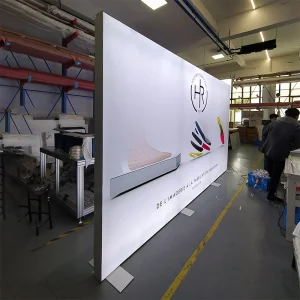
Retail settings rely on architectural lighting, such as uniform light boxes and adjustable spot arrays, to highlight products and guide customer pathways. For outdoor environments, IP66-rated floodlights and warning strobes provide structural safety, architectural accenting, and high-visibility signaling.
Global markets are rapidly adopting IoT-enabled smart controls. Today's commercial fixtures increasingly integrate DMX512 controls, BLE Mesh, and Wi-Fi modules, allowing facility managers and studio directors to adjust dimming, color temperature, and zone controls remotely. This technology optimizes energy consumption and enhances operational control.
Procuring lighting at scale requires a clear framework. Key considerations for B2B procurement professionals include:
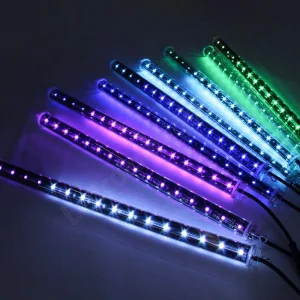
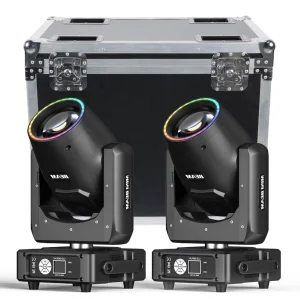
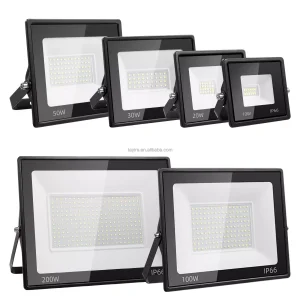
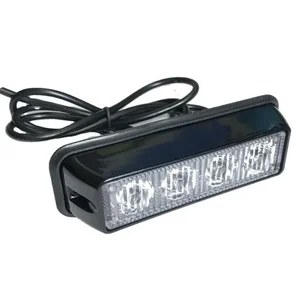
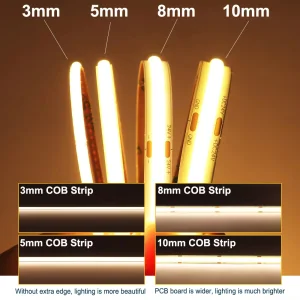
Explore our second set of high-efficiency lighting products, featuring DMX meteor tubes, high-performance waterproof floodlights, and flexible COB strips designed for precise architectural and stage lighting.

 Alterra Lighting