Explore our high-performance LED applications. As an industrial pioneer, we supply standard & bespoke products to globally integrated OEMs.
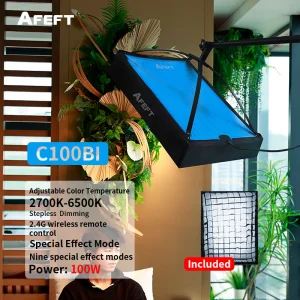
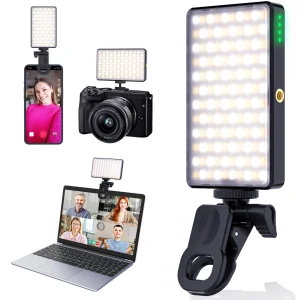
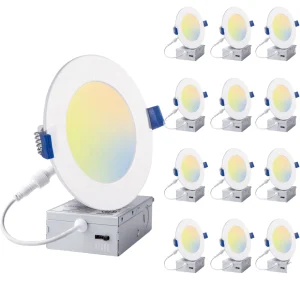
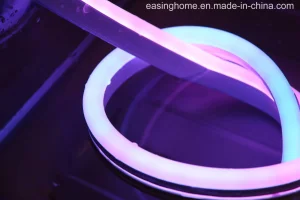
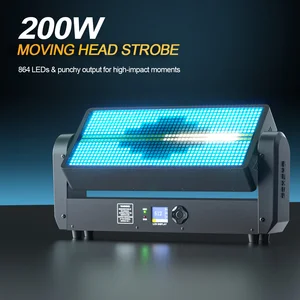
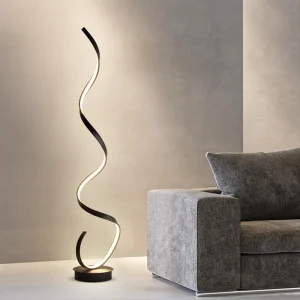
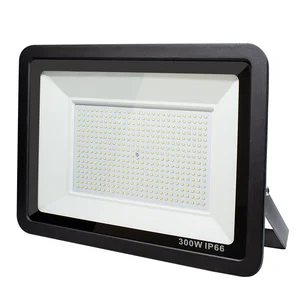
Within the domain of optoelectronic displays and high-precision lighting systems, the backlighting unit (BLU) serves as the core framework dictating visual performance, structural integrity, and thermal output. In high-definition liquid crystal displays (LCDs), commercial signage, photography studios, and aerospace instrument panels, high-efficiency backlights are required to distribute luminous flux with optimal uniformity.
For global procurement managers, identifying a manufacturer that integrates optical simulation, mechanical engineering, and automated cleanroom assembly is crucial. Modern backlighting demands have evolved beyond basic illumination into the fields of optical design optimization, micro-structured light guides, and intelligent thermal management.
Zhongshan Alterra Lighting Co., Ltd. was established in 2020, specializing in the research, development, production, and sales of high-caliber photographic lighting and advanced optoelectronic systems. Driven by technological innovation, the company has integrated a full-cycle production environment for optoelectronic components.
We maintain stable, long-term partnerships with distributors across 12 provinces in China. Additionally, our global reach spans across 122 countries and regions, establishing Alterra Lighting as a reliable manufacturer in the international optical and photographic illumination markets.
Why global system integrators and technology brands look to China for high-volume, precision optoelectronic sourcing.
Zhongshan's optoelectronic ecosystem integrates raw PMMA sheet suppliers, optical film manufacturers, LED packaging plants, and PCB assemblers, minimizing supply chain risks and lead times.
Our engineering divisions leverage CAD/CAE simulations to design micro-lens arrays (MLA) on Light Guide Plates (LGP), achieving spatial luminance uniformity above 90%.
Whether you require edge-lit light guide panels with custom dimensions or complex direct-lit matrix structures with dimming zones, we provide comprehensive ODM and OEM solutions.
Understanding the optical advancements shaping the display and commercial lighting markets today.
Standard edge-lit structures are rapidly merging with or transitioning to mini-LED backlights. By shrinking the footprint of individual light-emitting diodes, manufacturers can array thousands of local dimming zones onto a single panel. This configuration offers high contrast ratios, minimized halo effects, and reduced power consumption, matching the requirements of automotive cockpits and high-end monitors.
The efficiency of an edge-lit backlight depends on the distribution pattern on the LGP. Our technical team utilizes advanced laser-scribing and optical printing methods to apply variable-density micro-dots to the PMMA substrate. This ensures that light propagating through total internal reflection (TIR) is extracted uniformly across the entire active area.
Edge-lit systems optimize structural thinness, allowing display enclosures to remain under 10mm. Direct-lit systems, although thicker, provide superior luminance and are suitable for outdoor high-brightness displays. Alterra Lighting balances both technologies to provide options for various operating conditions.
High-power backlights generate heat that can degrade LEDs and cause optical film warping. Our engineering designs employ high-thermal-conductivity metal PCBs (MCPCBs) paired with aluminum backplates, coupled with multi-layer optical film stacks (diffusers, brightness enhancement films - BEFs, and dual brightness enhancement films - DBEFs) to maximize optical efficiency and heat dissipation.
A transparent look inside Alterra Lighting's production facility. We ensure quality from raw material processing to final product packing.
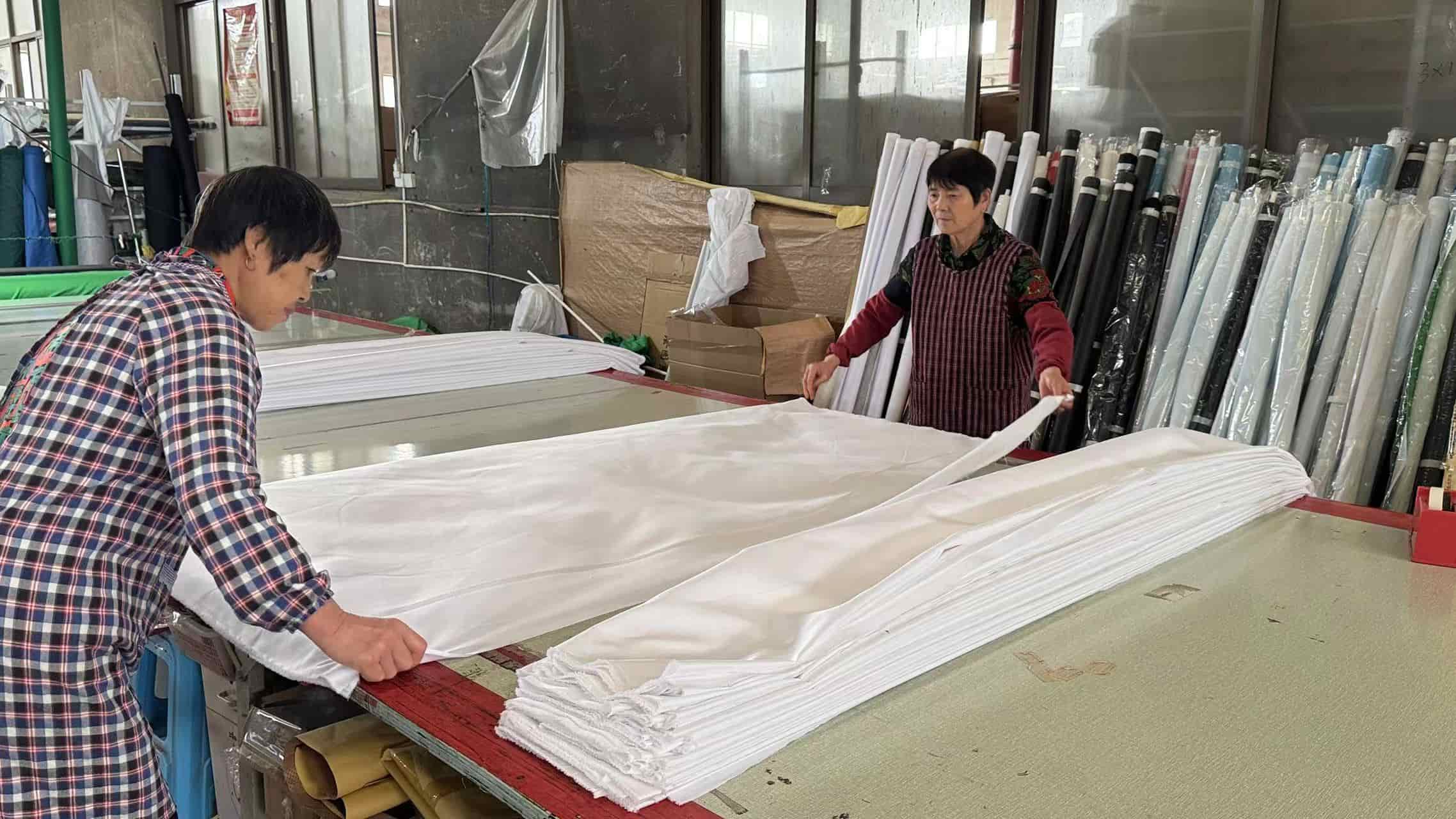
Precision cutting of structural components, diffusor fabrics, and optical shielding components to custom specification metrics.
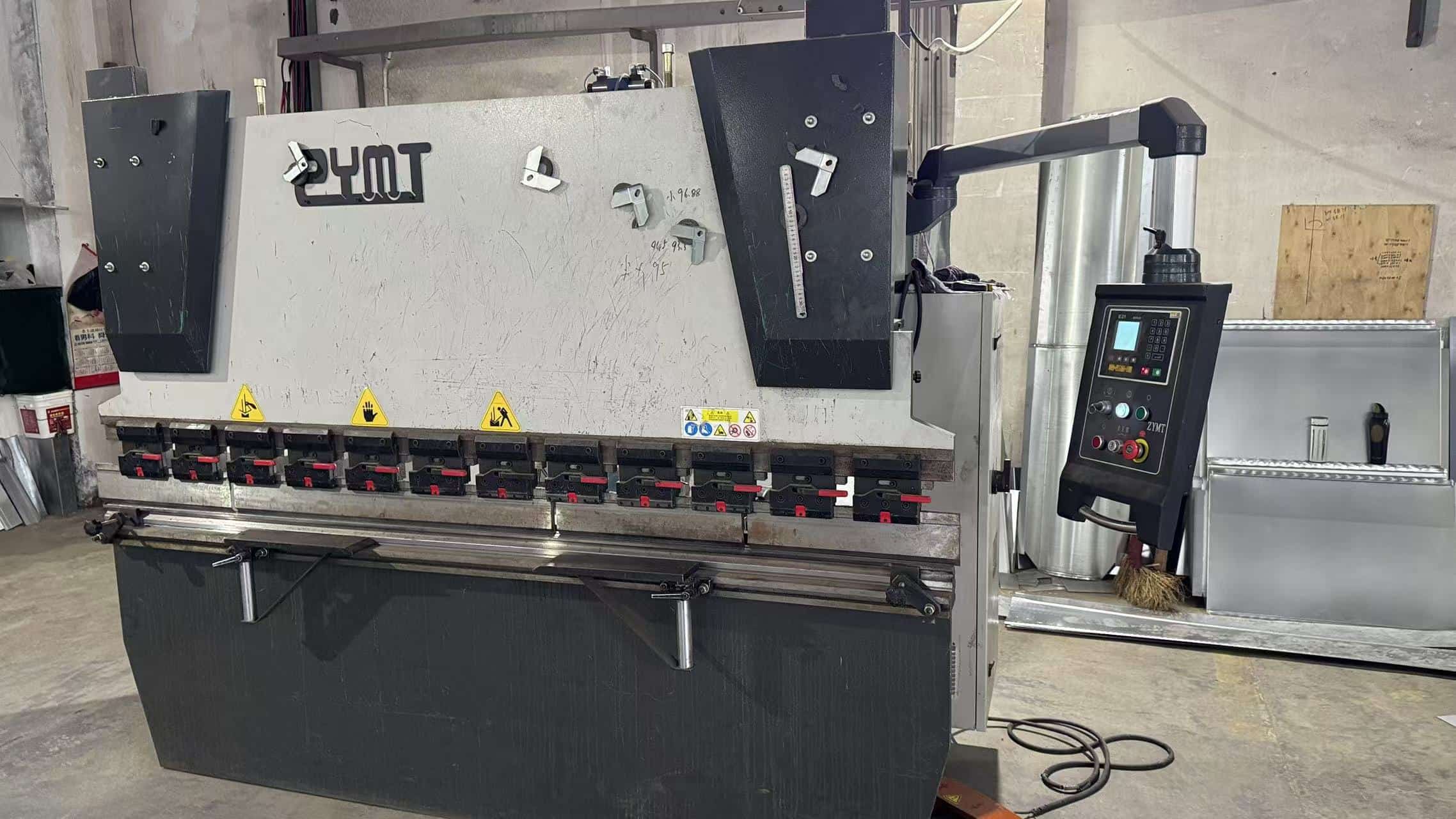
Processing metal structural frames using automated bending machinery to maintain optical alignment.
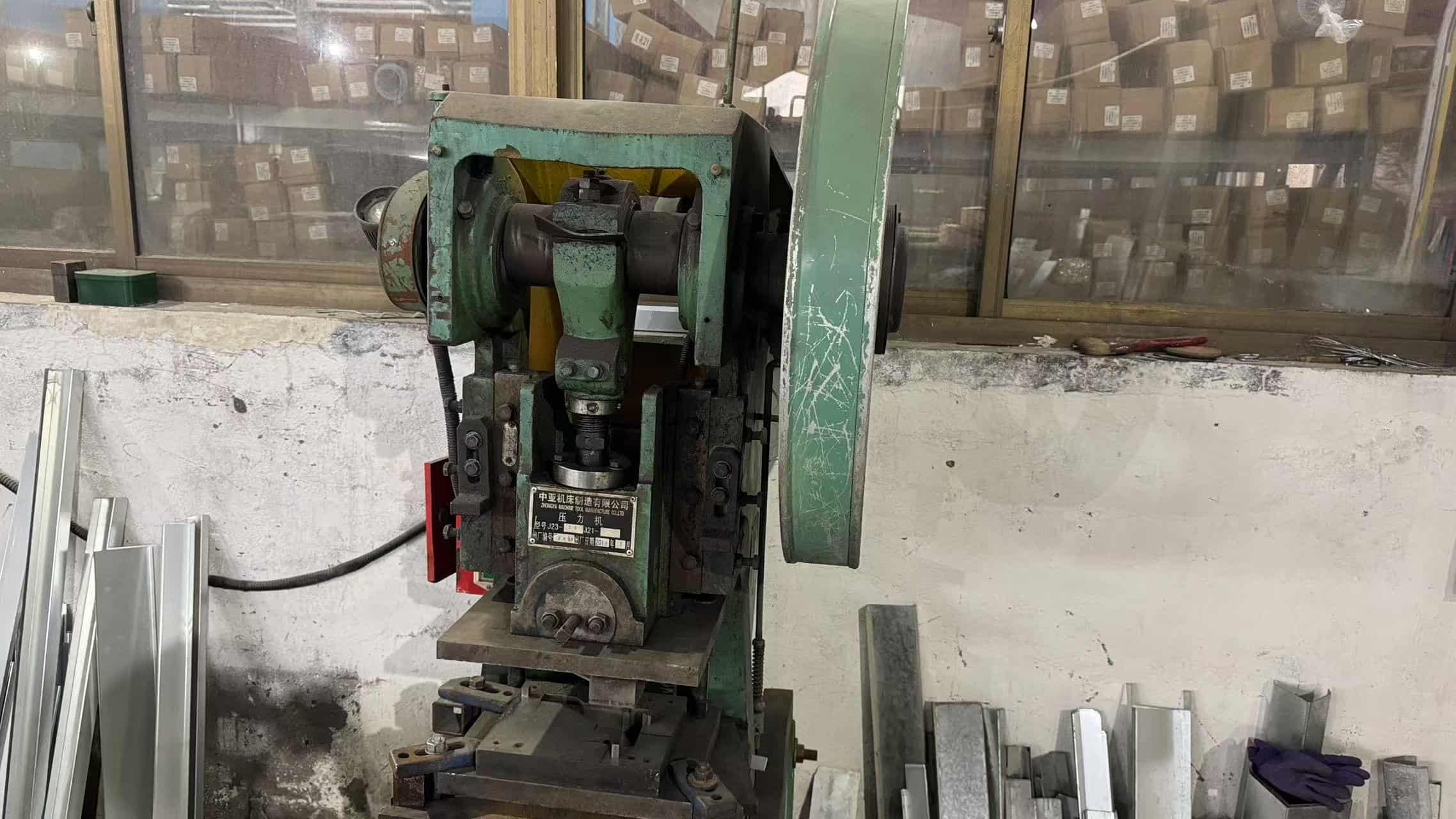
Precision chassis fabrication via hydraulic punching machines to create holes for assembly interfaces and thermal outlets.
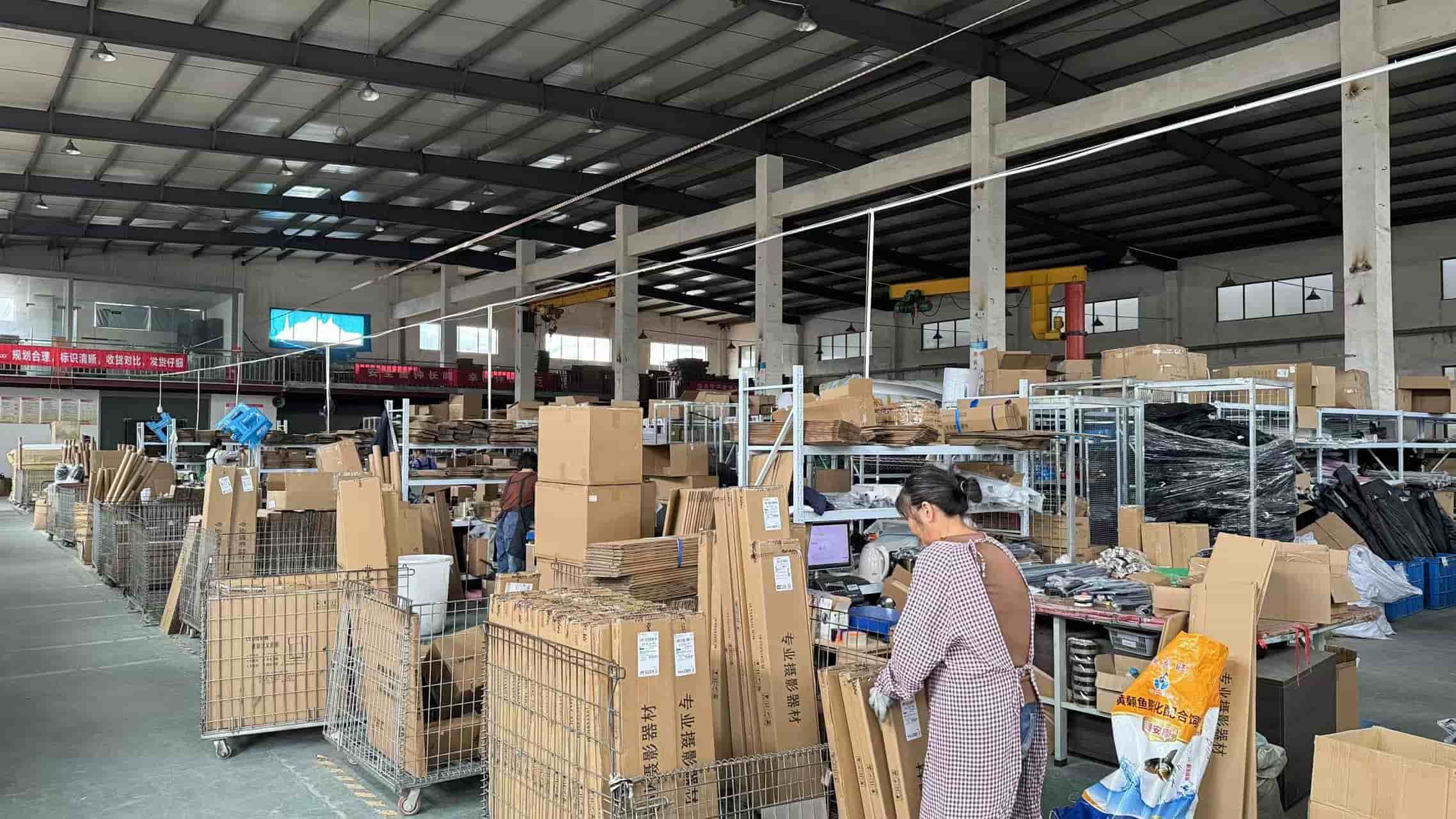
Combining PCBs, light guide panels, diffusers, and reflector films under clean conditions to minimize optical defects.
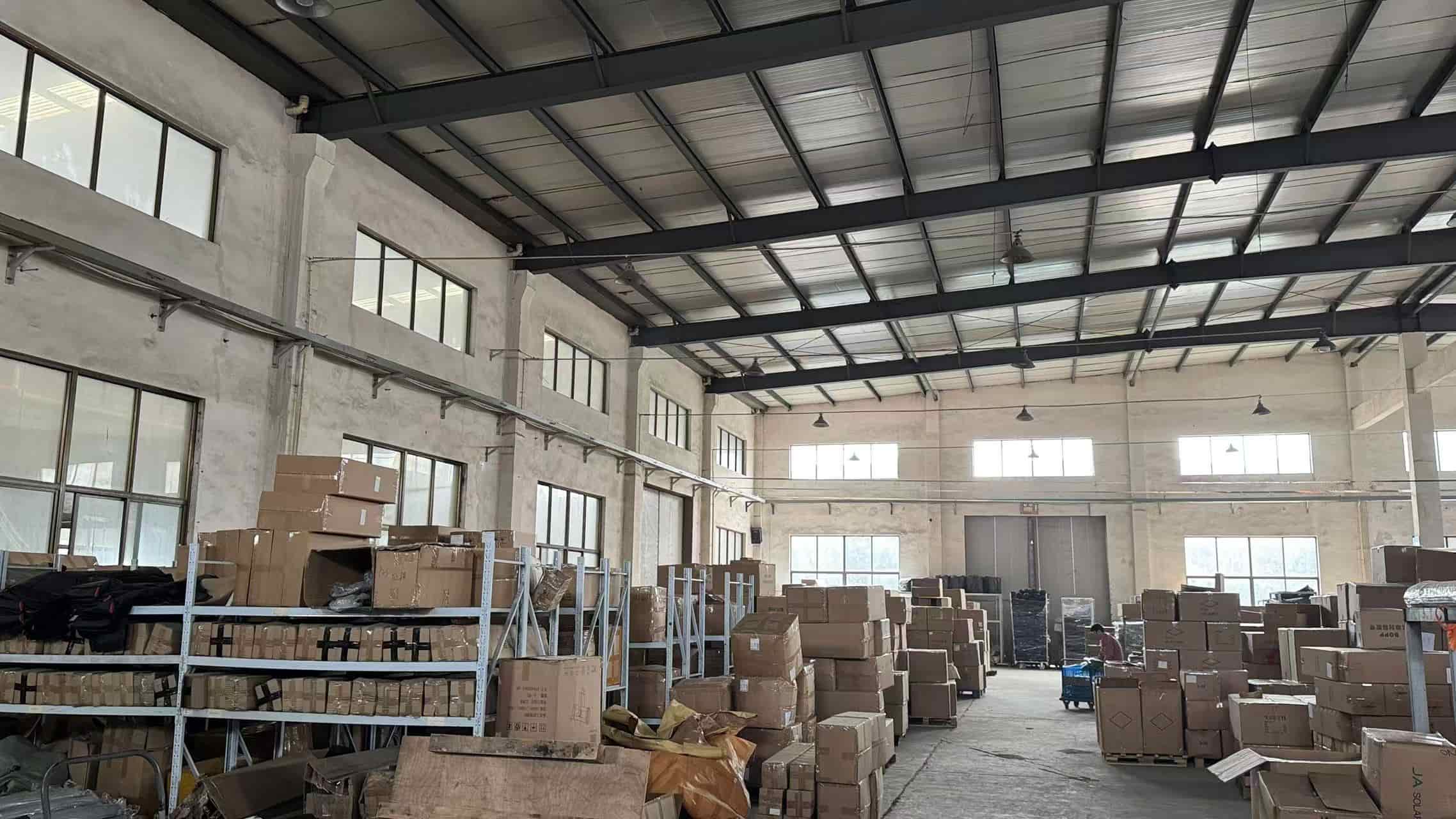
Finished assemblies are packed with custom-fit anti-static materials and high-density foam padding to protect against shipping vibration.
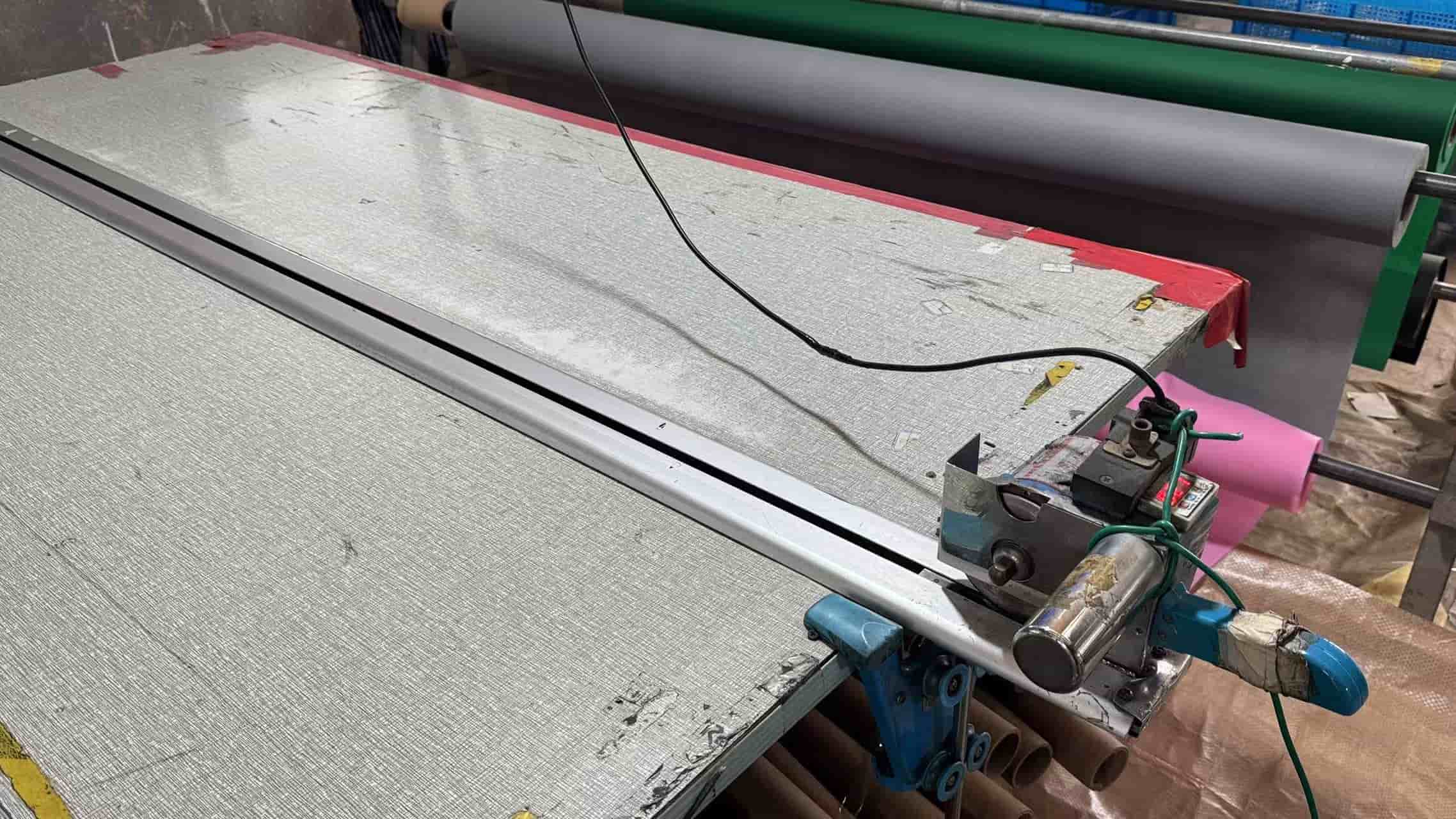
Heavy-duty raw material processing utilizing high-precision cutting machines for aluminum and structural alloy extrusions.
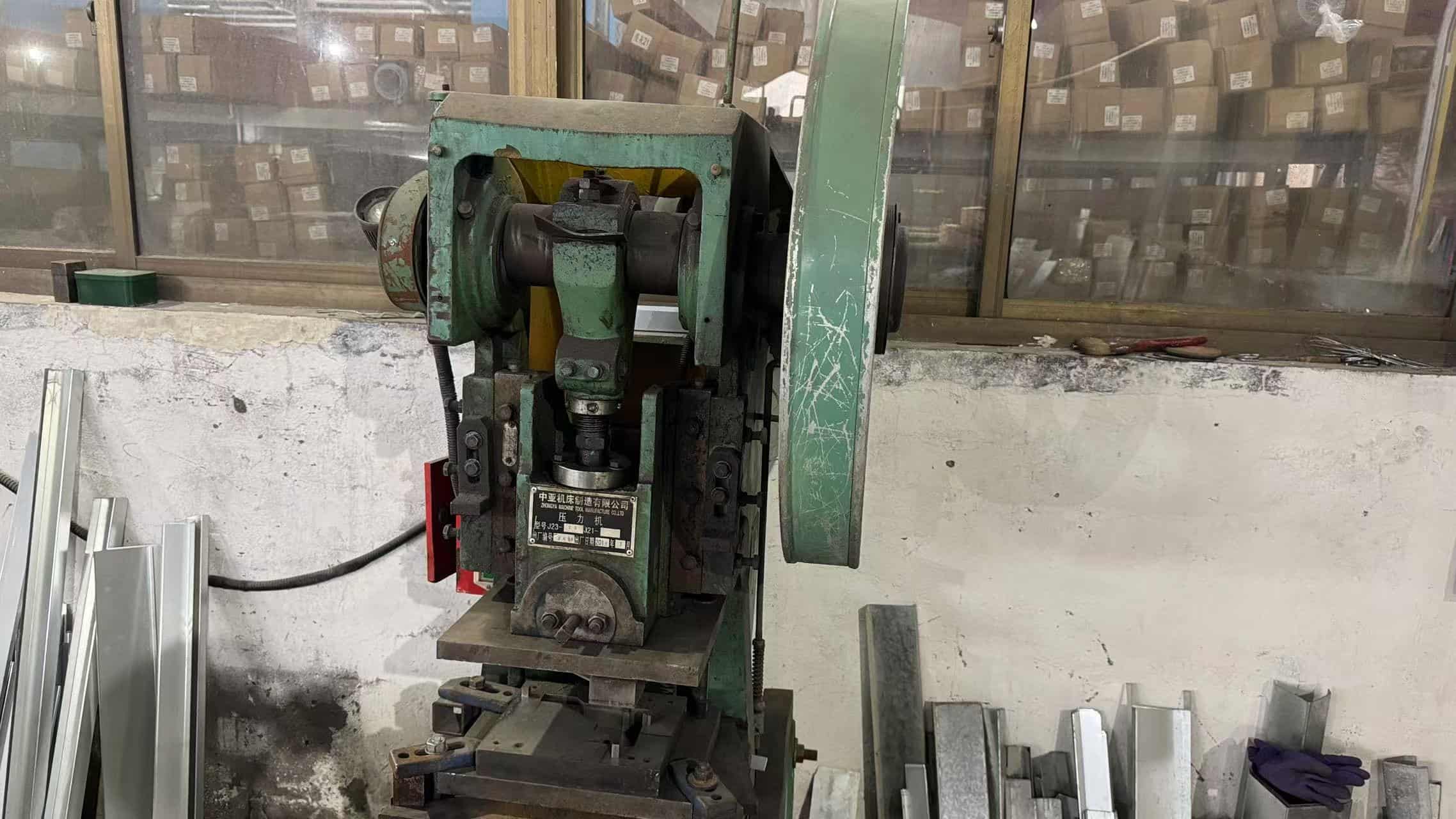
High-speed mechanical stamping units ensuring consistent tolerances for volume production runs.
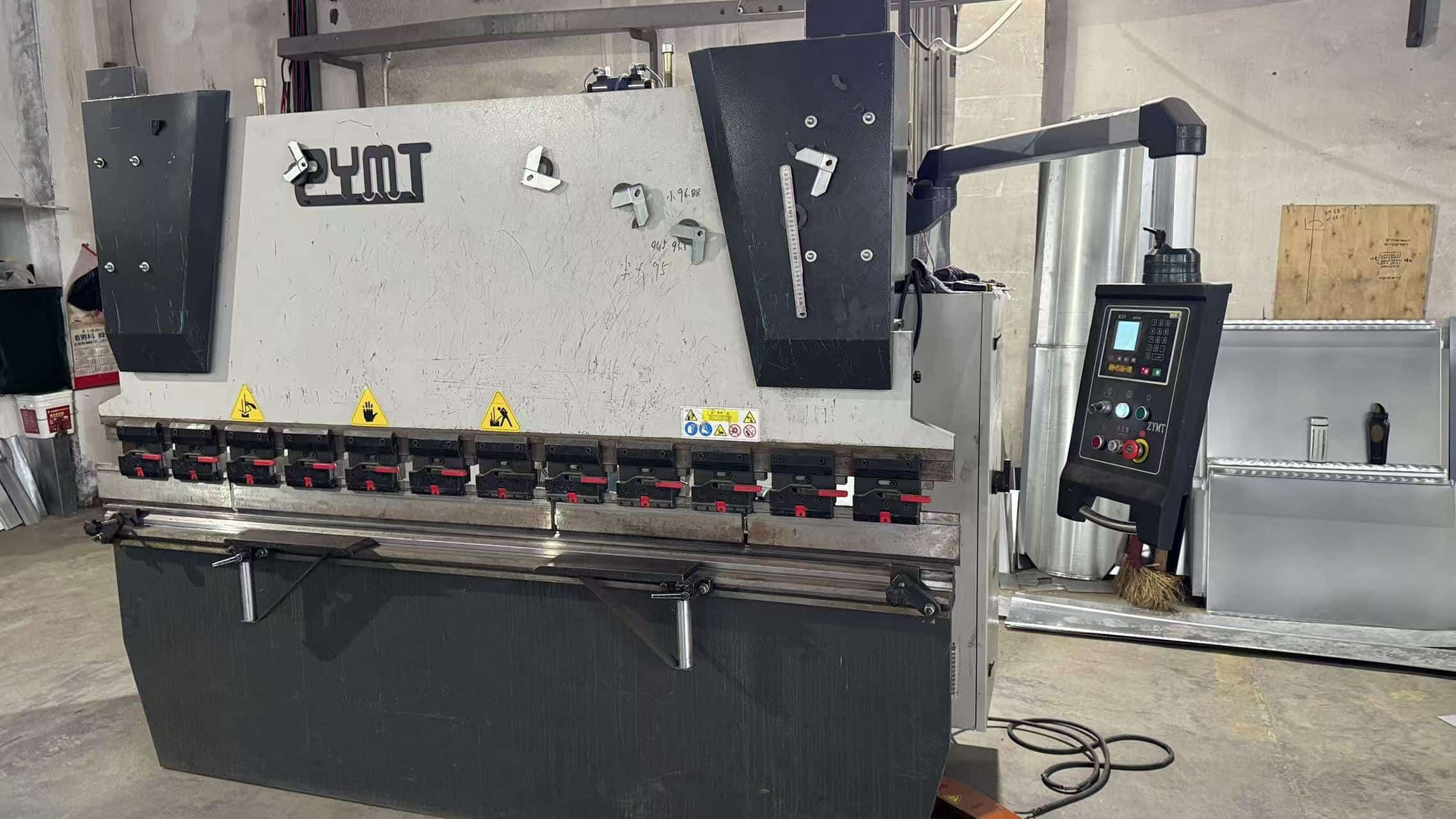
CNC metal forming machinery providing structural consistency and frame alignment across production runs.
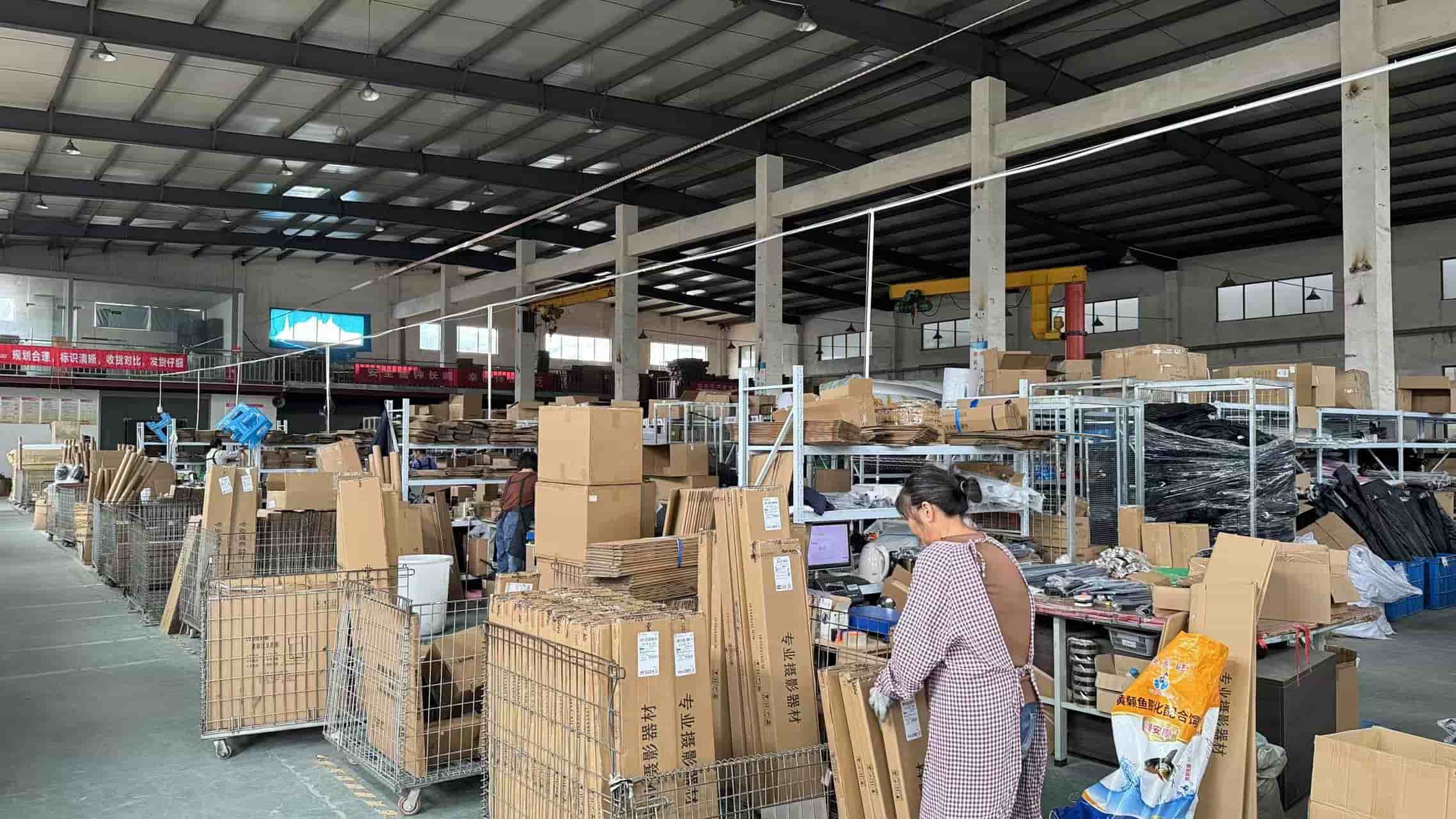
Efficient lean assembly operations with multi-station checking to maintain quality standards throughout manufacturing.
We maintain quality standards through systematic testing protocols at every stage of the production cycle.
Every batch of finished product undergoes at least six strict inspection processes before delivery, helping to secure a bulk order pass rate of 98.6%. Our manufacturing and inspection workflows follow standardized procedures to ensure product consistency.
We perform spectrophotometer analysis to verify color rendering index (CRI), correlated color temperature (CCT), and spatial uniformity. Thermal testing cameras verify heat signatures on long-term operations, preventing localized hotspot defects.
Strict verification of LED chips, optical PMMA resins, reflective foils, and structural frameworks prior to production line deployment.
Continuous monitoring of SMT, LGP pattern bonding, frame alignment, and electrical connections to identify issues early.
A comprehensive final check including luminance measurement and burn-in testing to verify stability under normal load conditions.
Ensure performance, compatibility, and compliance when specifying your industrial backlighting solutions.
Specify high-purity virgin PMMA (Polymethyl Methacrylate) instead of recycled MS or PS materials. Premium PMMA offers optical transmittance (>92%) and resists yellowing under UV exposure.
For professional applications, ensure you specify MacAdam ellipse tolerances (SDCM < 3 or SDCM < 5). This prevents color variation between adjacent LED modules.
Verify that all component suppliers provide certified assemblies bearing CE, RoHS, FCC, or UL listings, meeting the import standards of European and North American markets.
Common questions from design engineers, procurement specialists, and global distributors regarding our backlighting products.
Explore our additional optoelectronic designs. We provide scalable supply solutions for large-scale projects and custom applications.
 Alterra Lighting