Discover our highly versatile and engineered commercial, stage, and landscape lighting systems optimized for rugged indoor and outdoor settings.
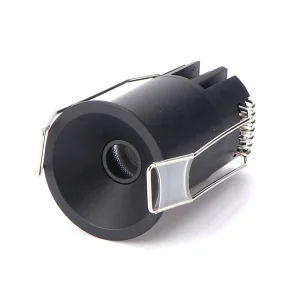
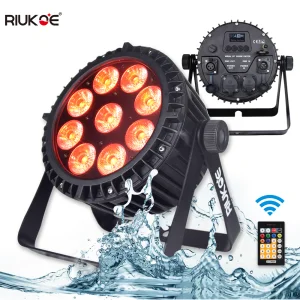
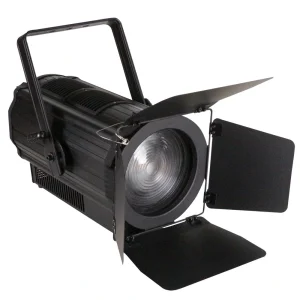
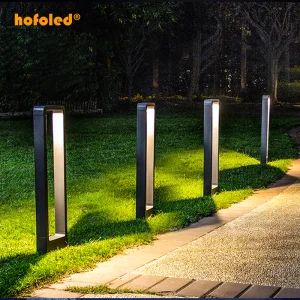
Underwater lighting represents one of the most demanding sub-sectors of industrial and commercial illumination. High hydrostatic pressure, constant chemical contact from pool sanitizers, thermal management challenges, and the vital necessity of perfect electrical isolation require highly sophisticated engineering.
At Zhongshan Alterra Lighting Co., Ltd., we fuse years of photo-biological and technical lighting experience with cutting-edge materials science. Since our founding in 2020, we have advanced from a premium photographic lighting gear manufacturer into a trusted provider of comprehensive commercial illumination systems. By employing marine-grade alloys, specialized optical lenses, and double-seal waterproofing protocols, we ensure our systems deliver consistent lumen performance in demanding underwater environments worldwide.
Every light undergoes pressure-integrity testing up to 3 bars, simulating a depth of 30 meters to ensure long-term, fail-safe water resistance.
How our R&D team solves complex thermodynamic, material, and electrical constraints in harsh submersible environments.
Chlorinated pool water, saline ocean environments, and mineral-heavy fountains cause rapid oxidation. Alterra relies on SUS 316L Marine-Grade Stainless Steel and high-density, hard-anodized marine aluminum alloys to resist pitting corrosion and stress corrosion cracking.
Water conducts heat faster than air, yet completely sealed fixtures risk rapid internal heat build-up. We leverage structural thermal coupling. The aluminum body directly dissipates heat to the surrounding water layer, preventing premature lumen degradation of the LED chips.
Rather than relying solely on rubber gaskets, Alterra employs a proprietary double-potting design. The electrical compartments are filled with specialized, thermally conductive silicone gel. Even if the outer lens suffers mechanical impact, water cannot breach the electronics.
Submersible illumination serves as a crucial parameter for safety, aesthetic storytelling, and commercial value across numerous sectors:
Our fixtures undergo simulated salt-spray chamber trials for over 720 hours to guarantee performance stability in challenging industrial ocean harbors and highly treated commercial water parks.
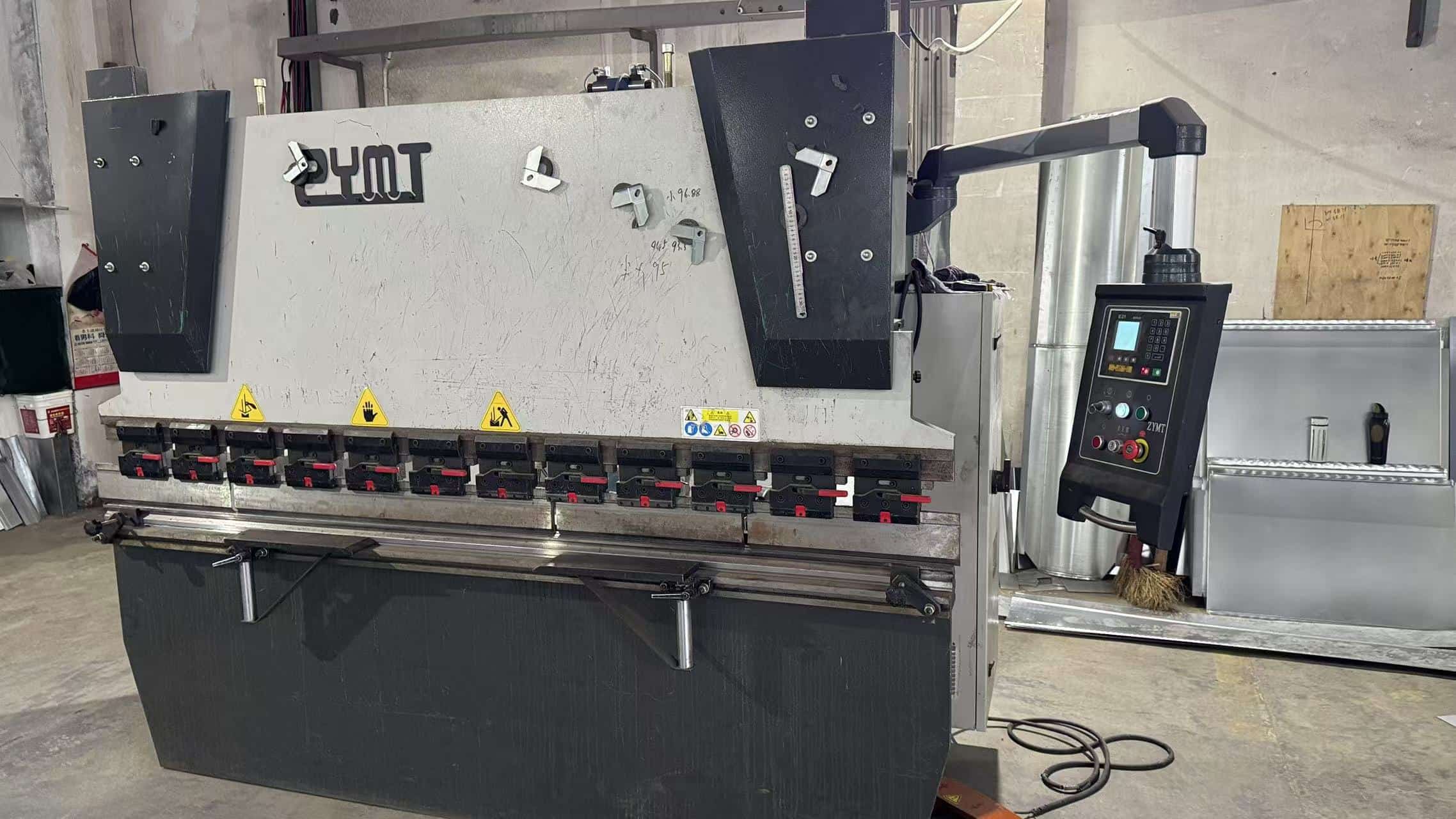
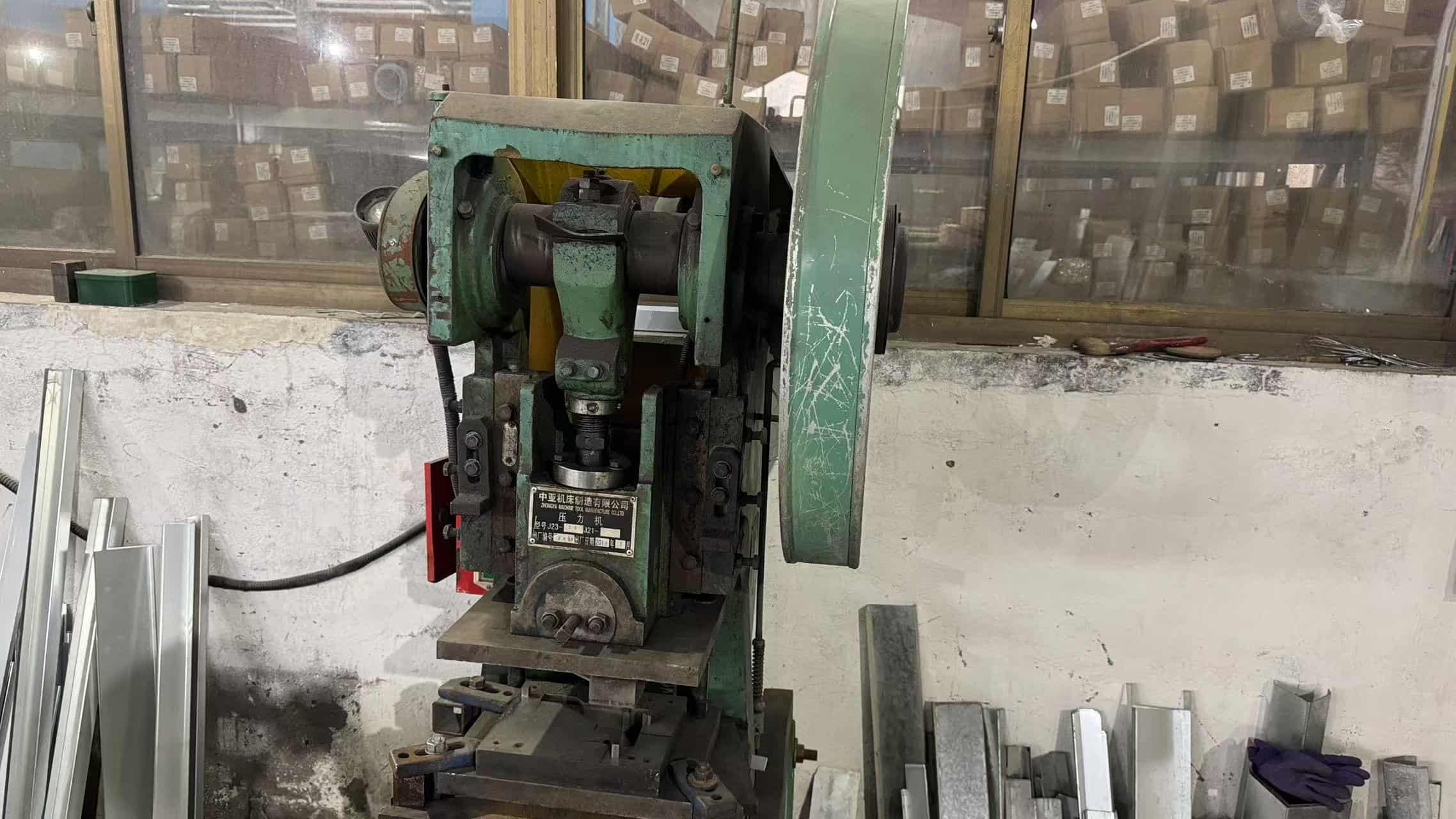
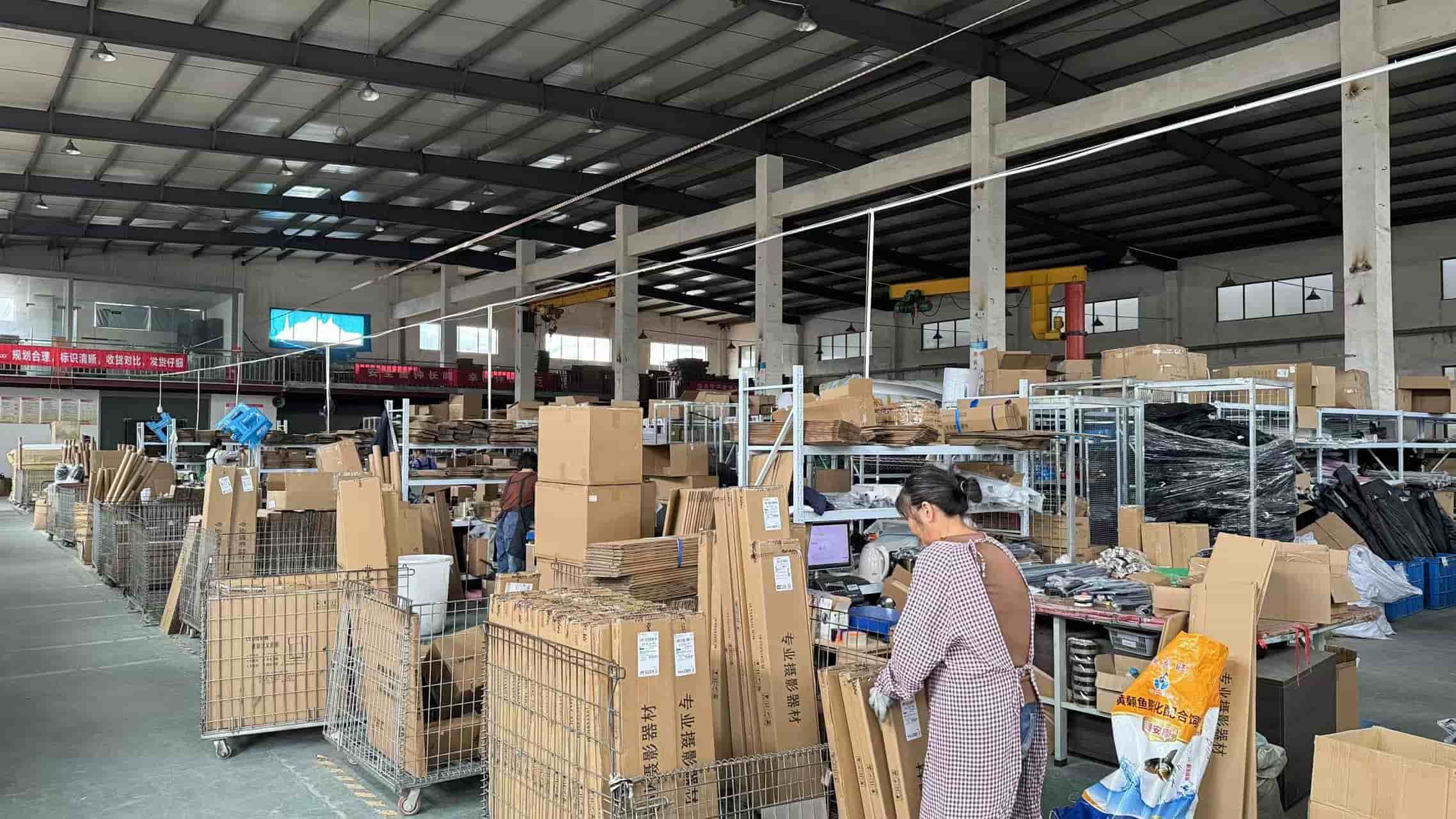
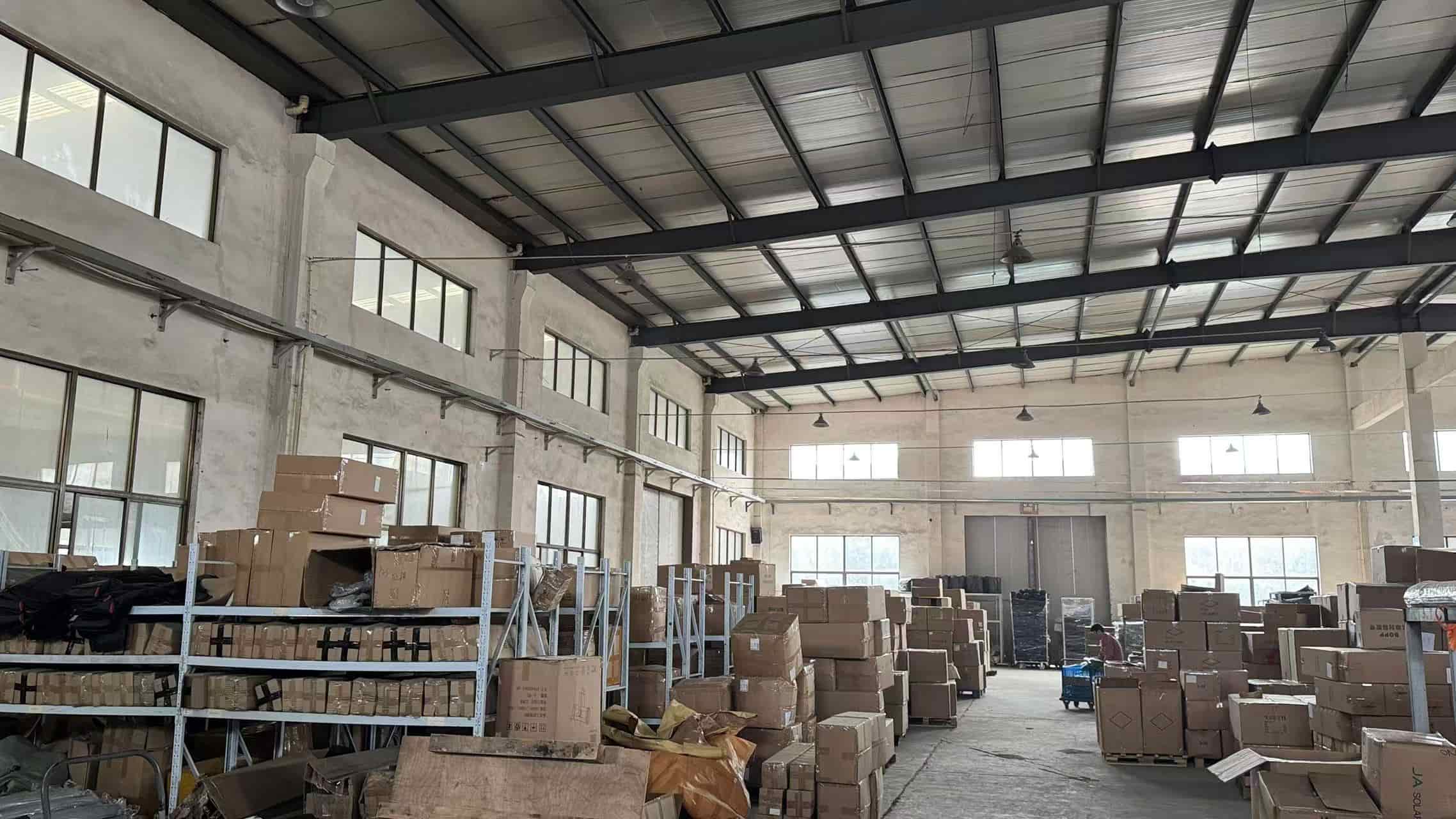
A glimpse inside our ISO 9001 and TÜV certified factory, showcasing state-of-the-art metalworking and assembly processes.

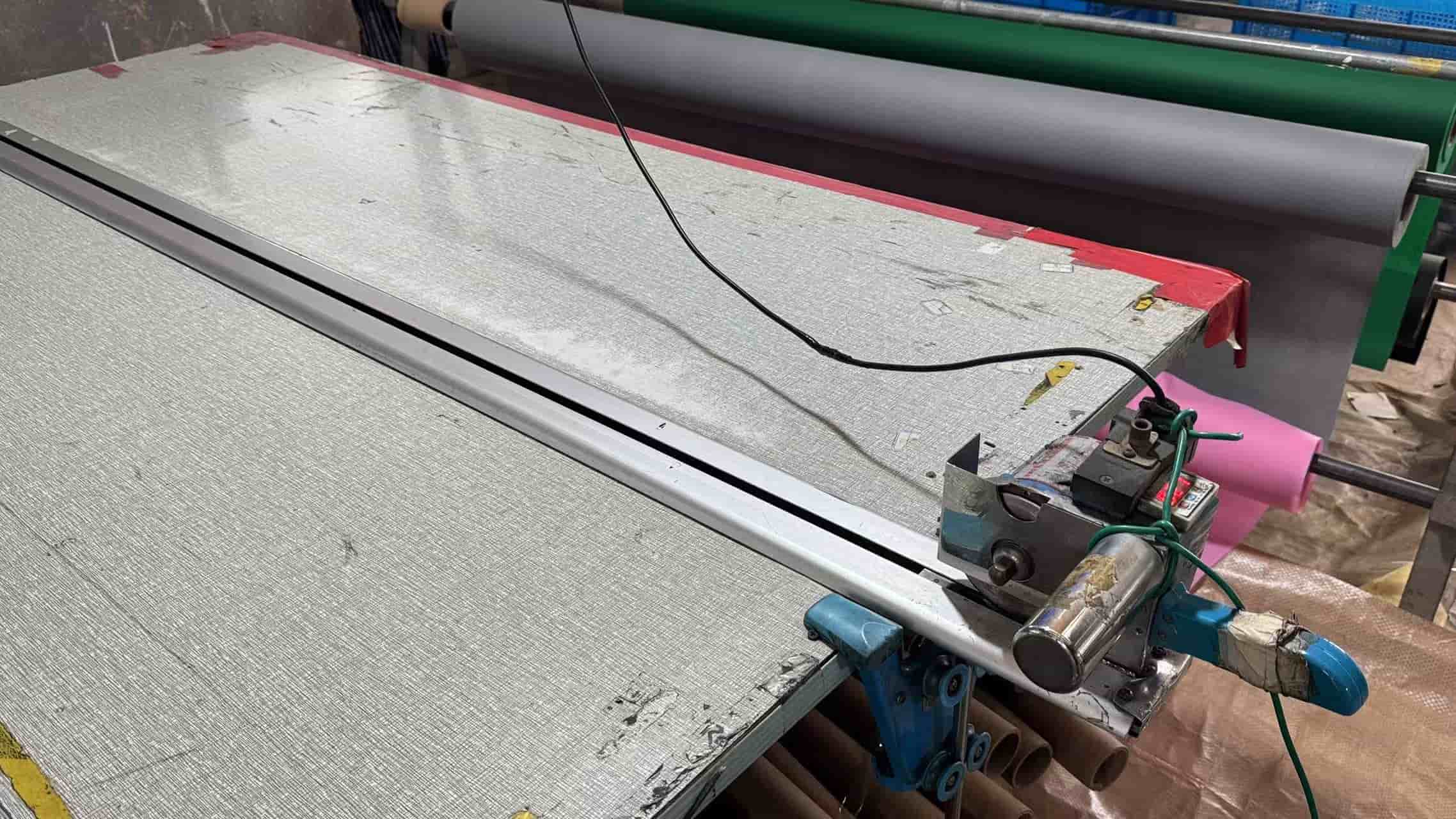
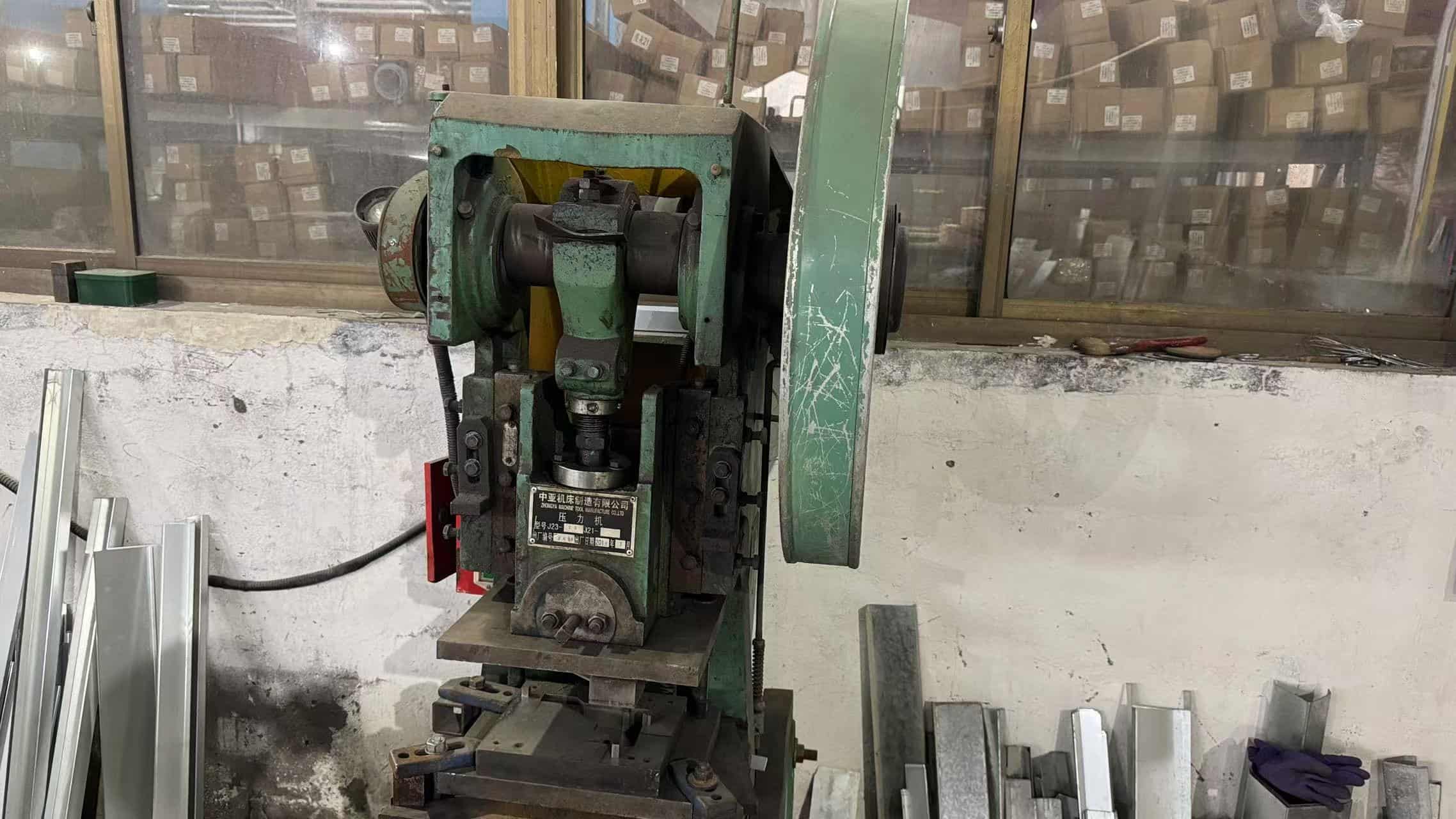
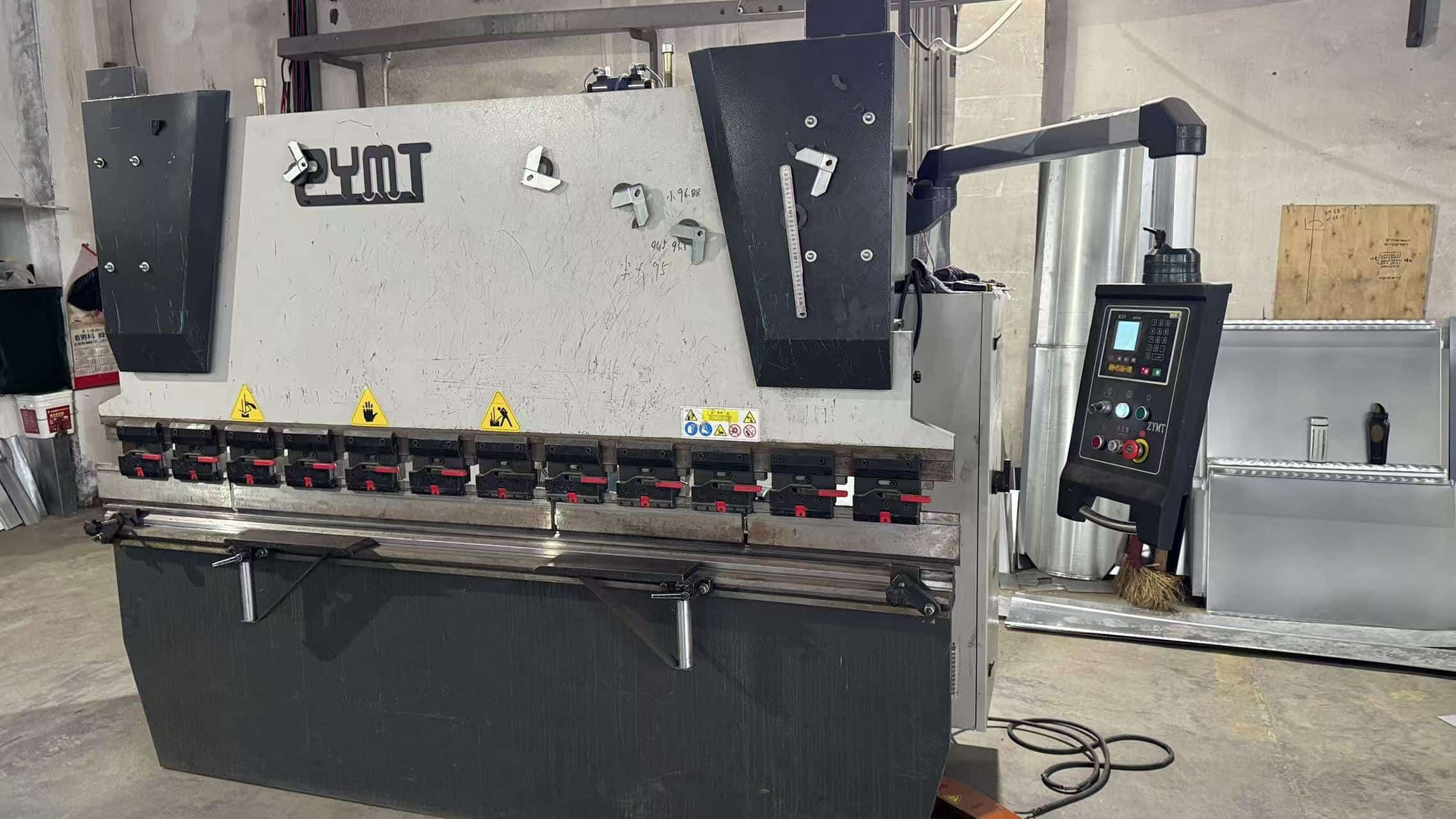
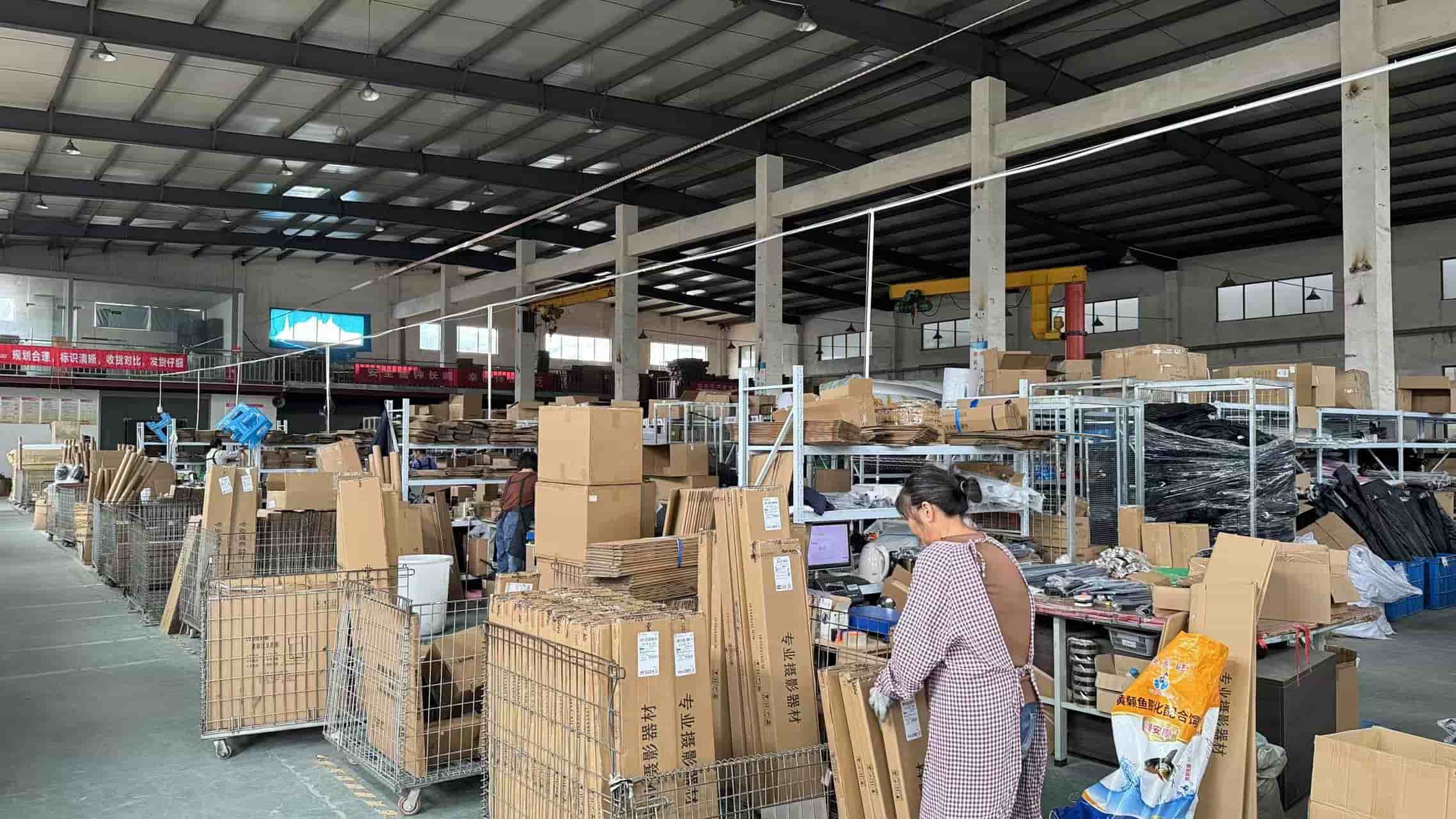
How we maintain our industry-leading 98.6% batch pass rate and ensure lightning-fast global distribution.
Raw materials, including LED drivers, aluminum alloy extrusions, tempered glass panels, and silicone seals undergo strict spectral testing, dimensional checks, and material purity analysis before entering production.
Real-time checks during cutting, bending, punching, and assembly. This includes optical parameter checks on our high-speed SMD assembly lines and intermediate insulation resistance testing.
Every finished product undergoes a mandatory 24-hour continuous aging test under load, coupled with pressure water-ingress simulations to verify structural sealing and thermal stability.
Our facility runs under rigorous 6S practices (Sort, Set in order, Shine, Standardize, Sustain, Safety). Every item is labeled with barcode and RFID tracking to support accurate batch tracing, secure storage, and swift dispatch.
Our product vision focuses on smart control systems, green energies, and optimized optical performance.
We are advancing our RDM (Remote Device Management) and Art-Net controller compatibility. Future submersible arrays will support automated color calibration and fault diagnosis back to control rooms, reducing maintenance costs.
In partnering with top-tier chip developers, our future-gen LED engines target 150 lm/W efficiency. This minimizes power consumption and thermal output within sealed underwater fixtures.
We are engineering next-gen low-voltage (12V/24V DC) lights optimized for integration with solar power grids and local battery systems, offering eco-friendly options for remote water installations.
Technical and procurement questions answered by our engineering and logistics specialists.
IP67 fixtures are designed for temporary immersion in water (up to 30 minutes at a depth of 1 meter). In contrast, IP68 fixtures are designed for continuous, long-term submersion under specified pressure conditions. All of Alterra’s underwater series are fully IP68 rated, meaning they can remain submerged indefinitely without risking seal degradation or short circuits.
Stainless steel 316L contains molybdenum, which drastically improves resistance to chlorides (like pool salt, sanitizer chlorine, and marine salt spray) compared to 304. For swimming pools, coastal installations, and ocean docks, 316L prevents pitting corrosion, securing a longer lifespan for the fixture.
Our designs feature direct thermal coupling. The LED PCBs are mounted on high-conductivity thermal interfaces connected to the outer aluminum or steel body. This allows the heat generated by the LED chip to transfer directly to the surrounding water, which acts as a highly efficient heat sink.
Safety is paramount. Pool lights must be powered via low-voltage Class 2 isolated safety transformers (typically 12V or 24V AC/DC) rather than mains voltage (220V/110V). This ensures that even in the unlikely event of physical damage and water ingress, there is no electric shock hazard to swimmers.
Yes, we provide extensive OEM/ODM support. Our in-house R&D team can customize housings, power ratings, optical lens angles (e.g., 15°, 30°, 45°, 60°), and control integrations (DMX512/RDM) based on your structural and performance specifications.
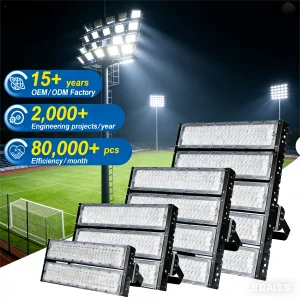
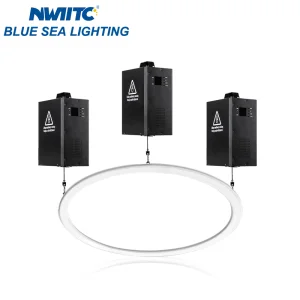
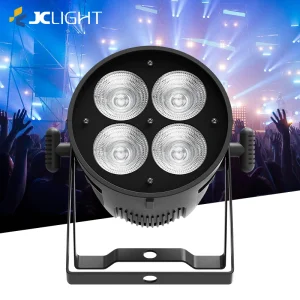
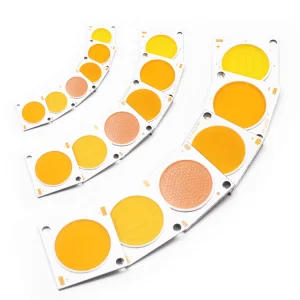
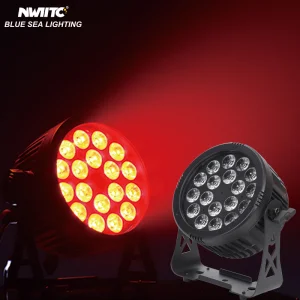
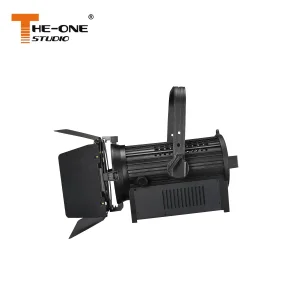
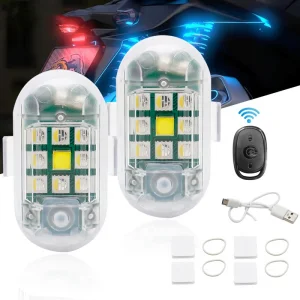
Explore our industrial floodlights, dynamic control ring projections, and advanced integrated LED chips.
 Alterra Lighting