Premium B2B lighting solutions engineered for peak photometric performance and structural durability.
The global decorative lighting industry is undergoing a structural transition. Standard, simple-filament incandescent decorative light sources and low-grade, legacy flickering LED bulbs are rapidly being phased out by sophisticated B2B buyers. Today's commercial markets demand simulated flame experiences that present no difference in color temperature, visual cadence, and physical aesthetics from real combustion flames.
This paradigm shift has birthed the modern Electro-Magnetic Simulation Flame technology, wherein miniature microcontrollers coordinate physical wick oscillations with variable light frequency output. As a pioneering China LED candle manufacturer, we integrate premium semiconductor engineering with optical physics. The goal is simple: rendering natural flame chaos. Standard flickers operate on predictable cycles, whereas our technology employs integrated pseudo-random noise generators within micro-IC chips. This replicates the erratic flickers caused by local air draft disturbances in true candle wick flames.
In high-end B2B purchasing, the specific type of simulated flame determines market value. Static projection models project an LED beam onto a stationary plastic flame-shaped sheet, resulting in a flat, unrealistic two-dimensional display. The 3D electromagnetic wick, however, uses magnetic field modulations to swing a physical, light-reflective flame-shaped wick dynamically in three axes. Coupled with dual-LED chip architecture—combining a deep amber core (1800K) and a warm-white envelope (2700K)—it simulates the real spatial color transition seen in real candle flames.
Corporate procurement groups in the EU, North America, and APAC do not merely buy products; they manage risk. Legacy open-flame wax candles pose significant fire hazards, elevate building insurance costs, and release combustion byproducts (paraffin soot) that degrade indoor air quality. Consequently, hospitality groups and high-traffic public venues have widely enacted zero-open-flame mandates.
For procurement officers, sourcing simulated LED candles requires rigid attention to certification profiles. Our operations at Zhongshan Alterra Lighting Co., Ltd. ensure that all decorative and industrial lighting products comply with regional safety frameworks:
Furthermore, bulk importers prioritize high efficiency in logistics. Supplying light, high-volume cargo like simulated wax candles demands expert packaging design to prevent wax melting and distortion during hot maritime crossings through equatorial routes. By employing specialized temperature-controlled supply chains and custom reinforced corrugated packaging, we protect the structural integrity of every export shipment.
As part of the industrial upgrade across Chinese coastal provinces, Zhongshan Alterra Lighting Co., Ltd. has integrated advanced automation within our production systems. Founded in 2020, we have expanded our R&D footprint to serve 12 provinces domestically and 122 countries internationally, building an integrated system that merges studio-grade photometrics with high-volume decorative lighting fabrication.
Our ISO 9001 and TÜV certified facilities leverage the ultimate efficiency of the Zhongshan lighting cluster. Raw paraffin refinement, ABS polymer compounding, electronic PCB surface mounting (SMT), flame-molding, and final packaging are executed in a contiguous physical workflow. This drastically reduces transit times, protects materials from moisture, and enables immediate feedback between quality inspectors and machine operators.
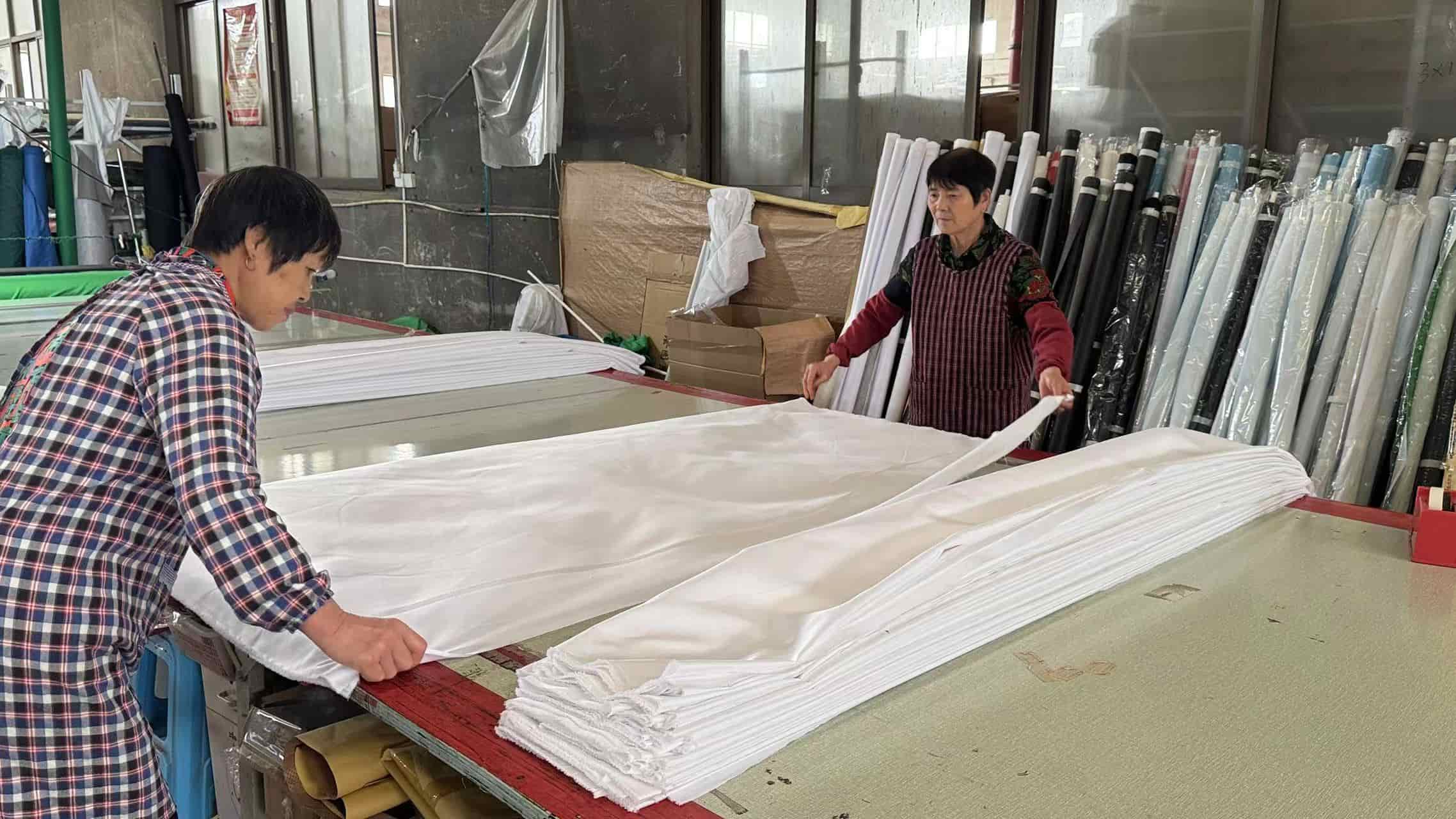
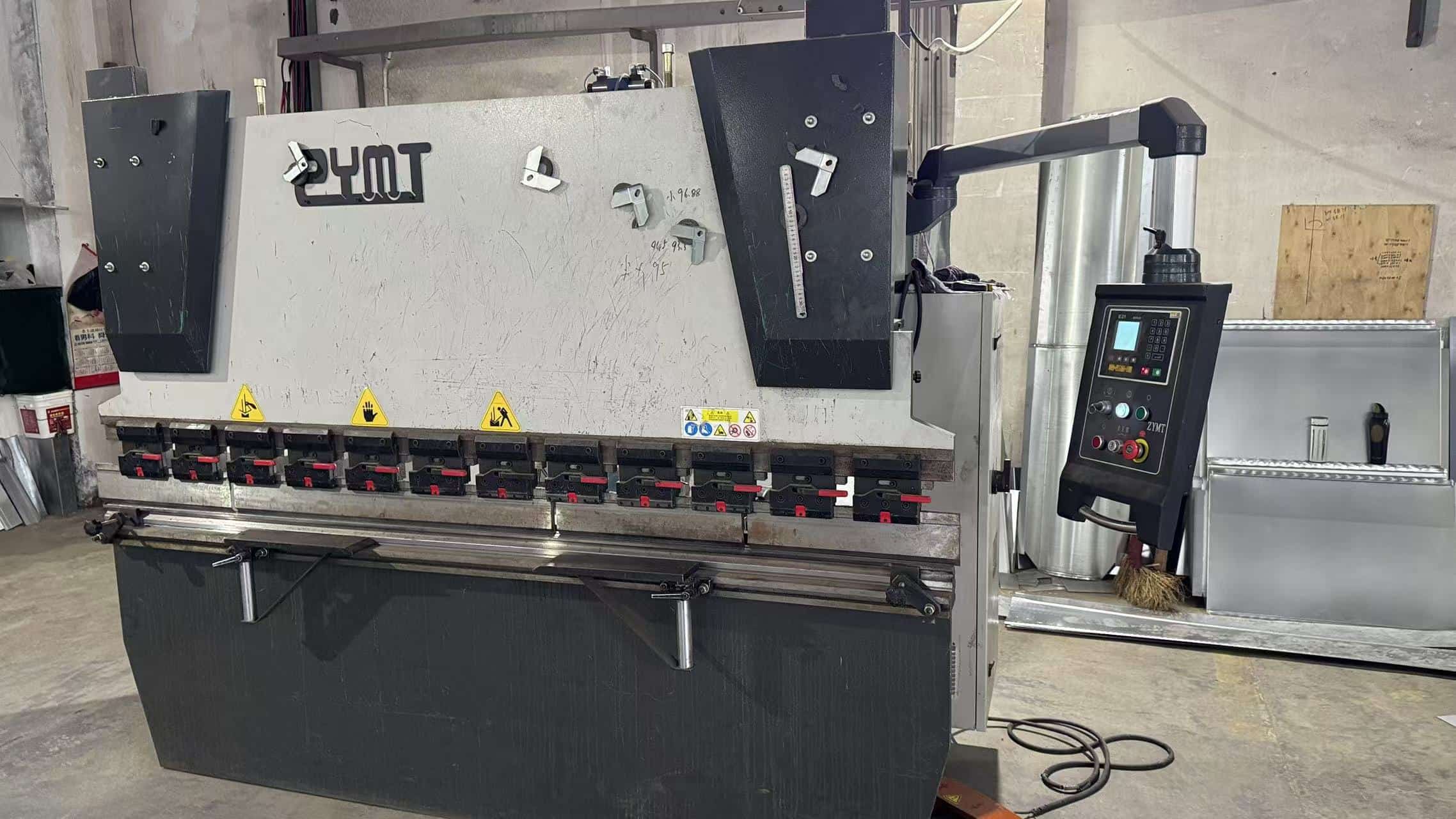
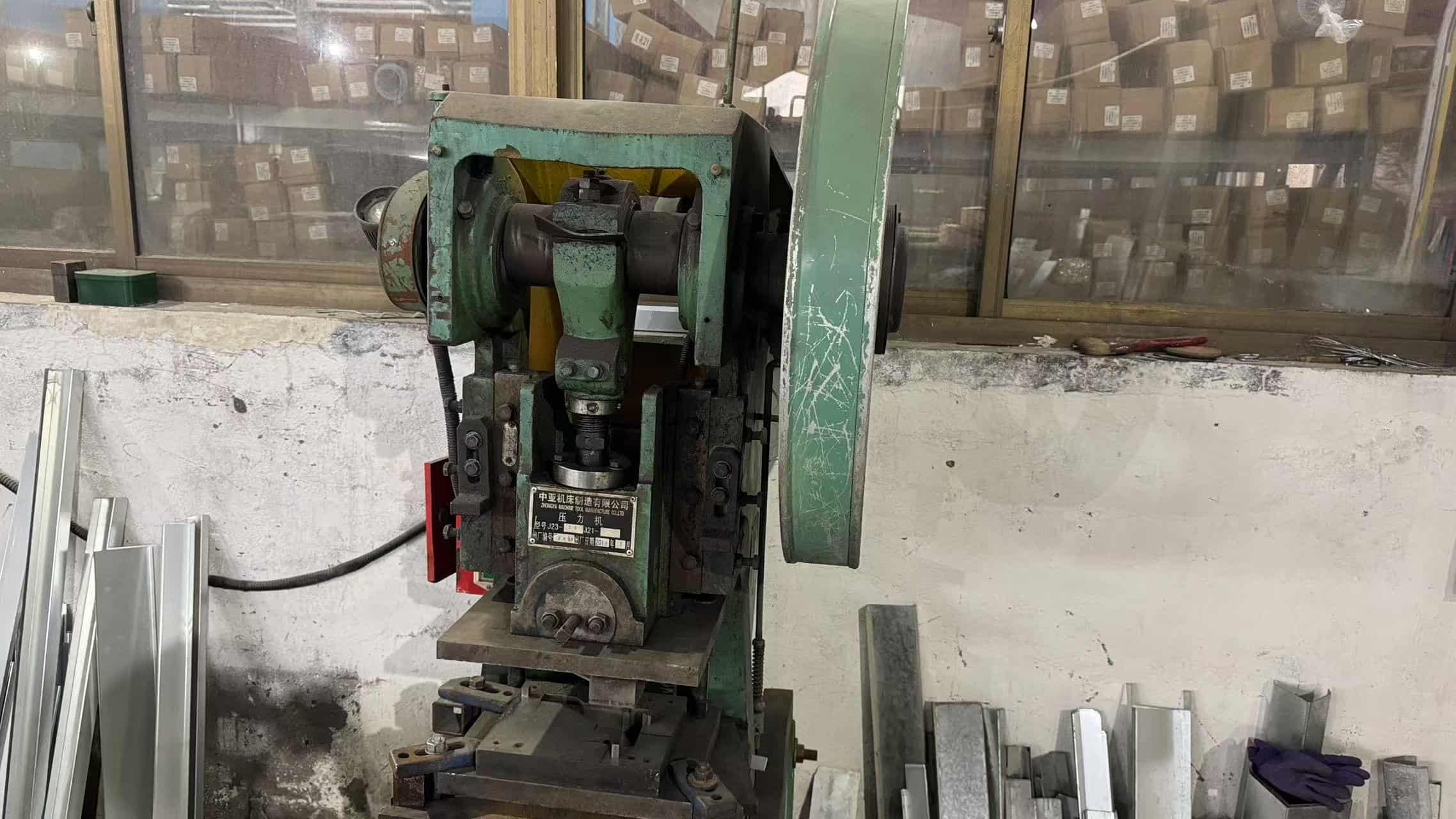
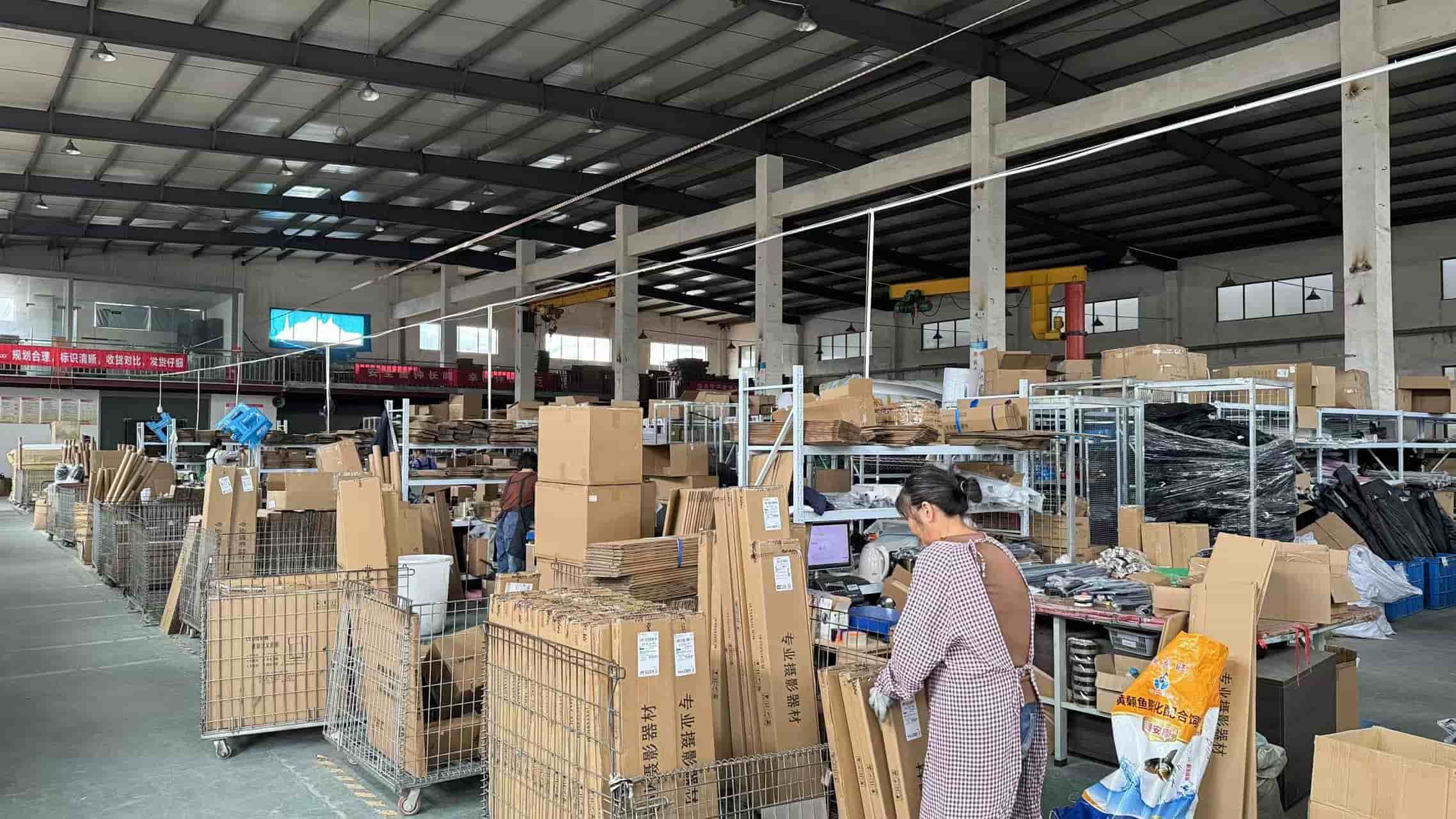
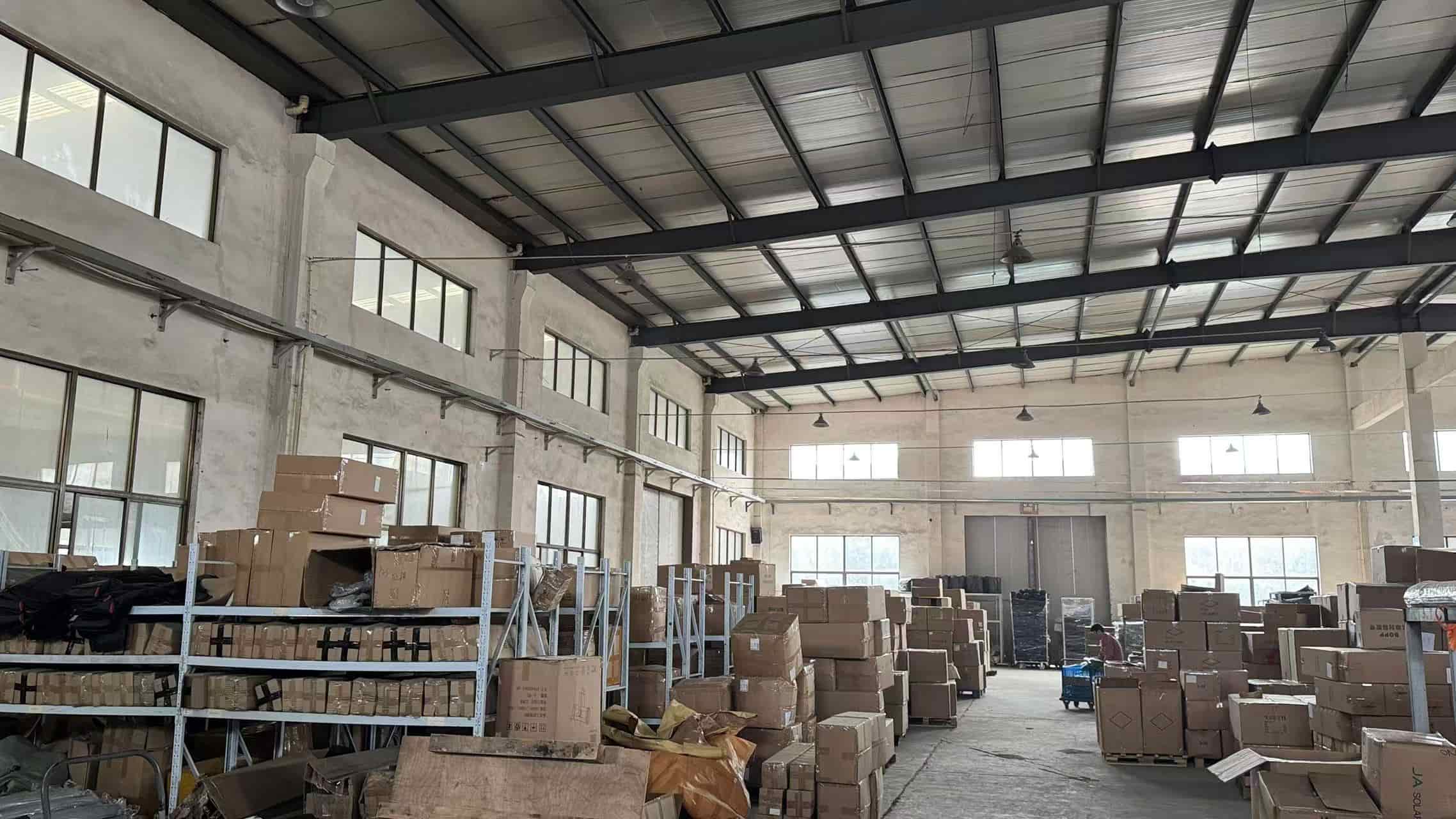
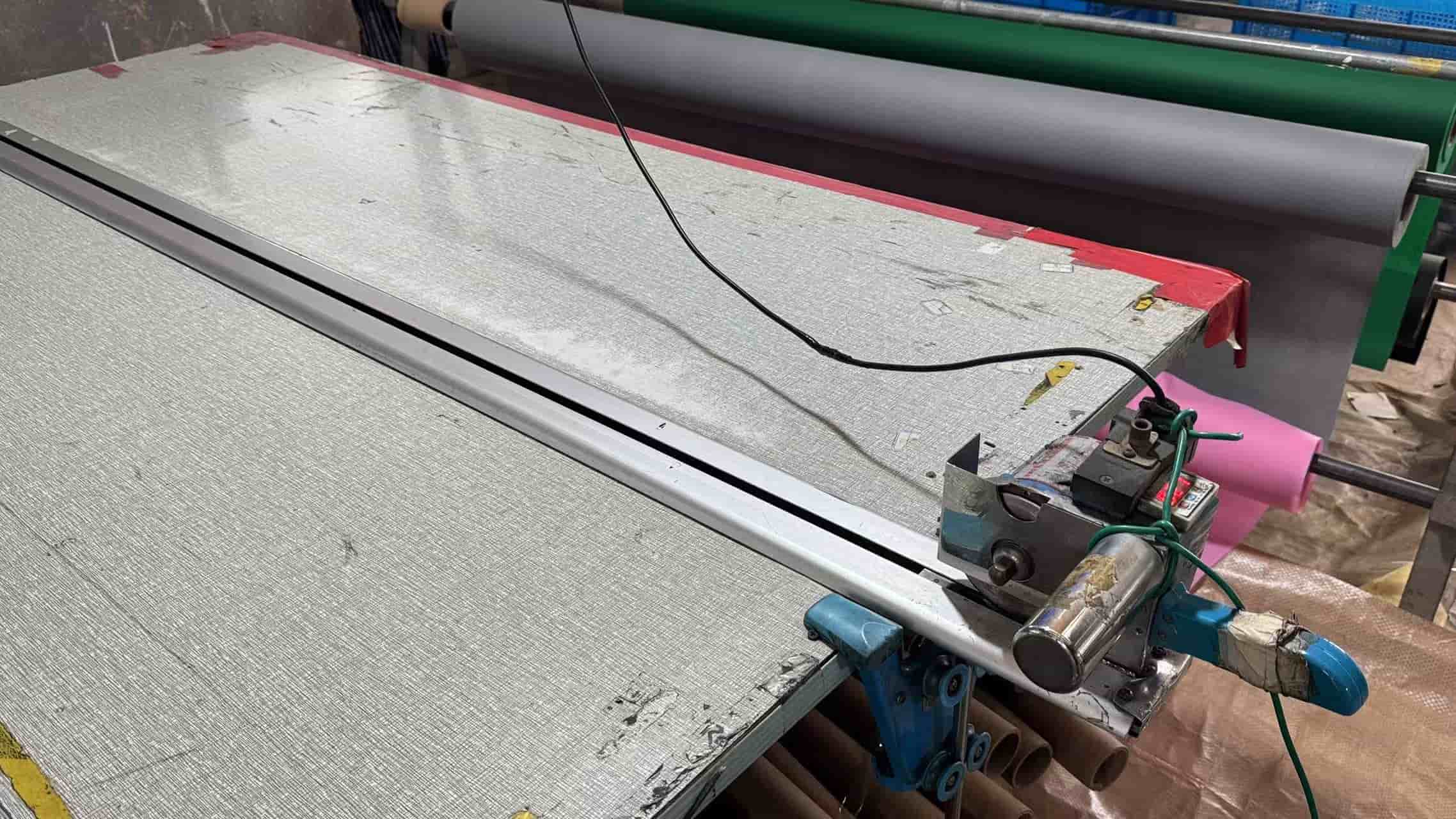
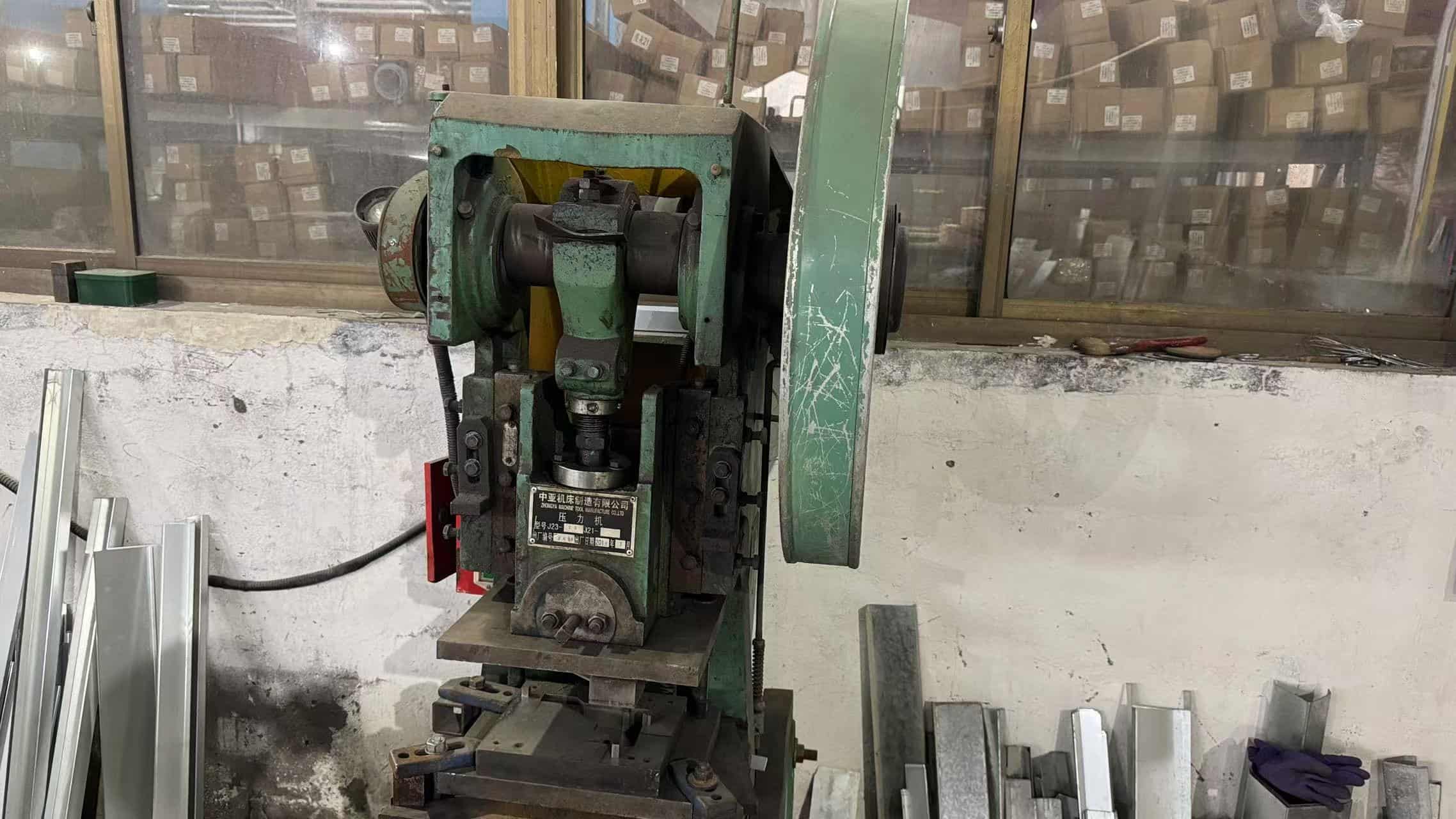
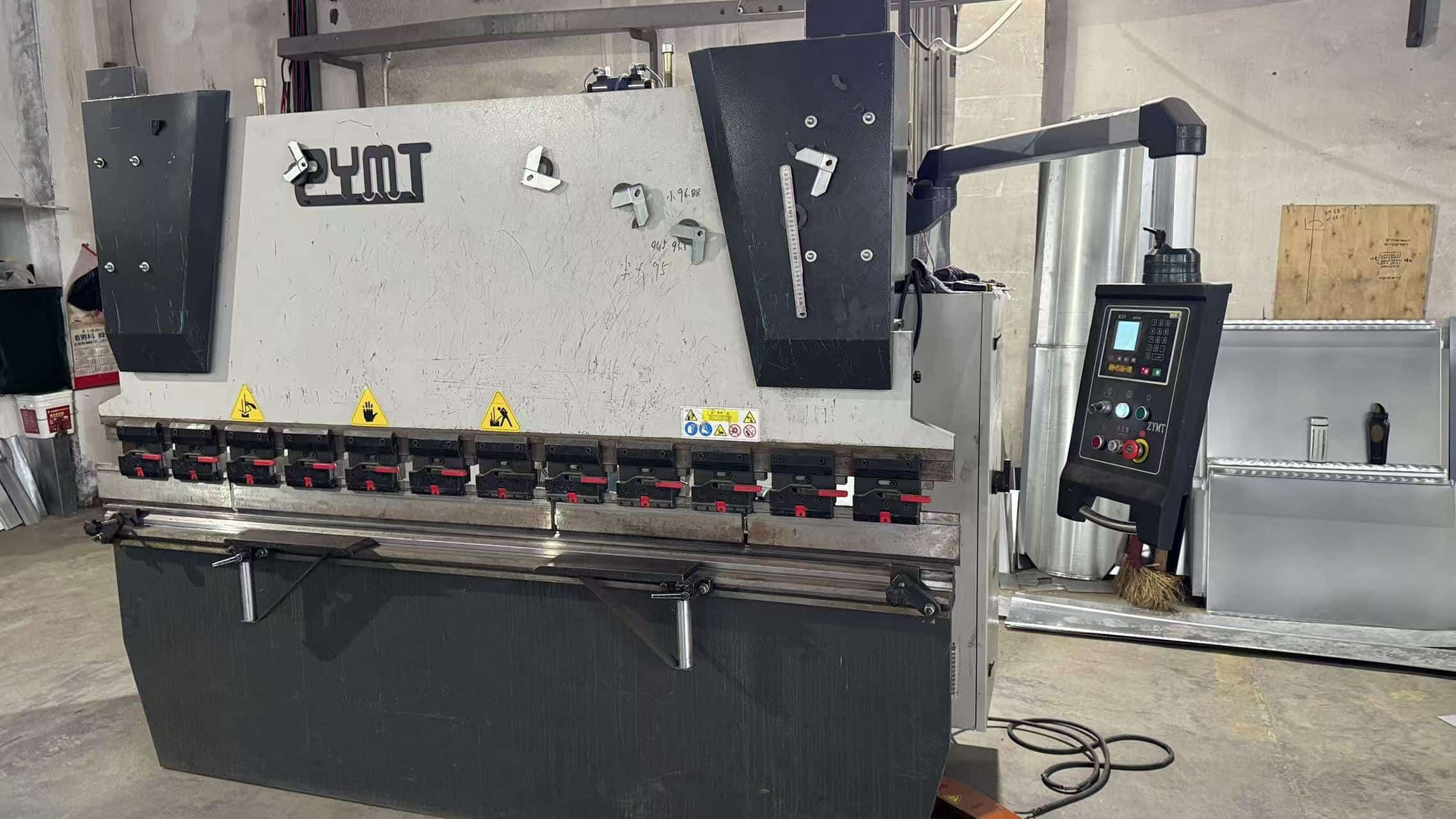
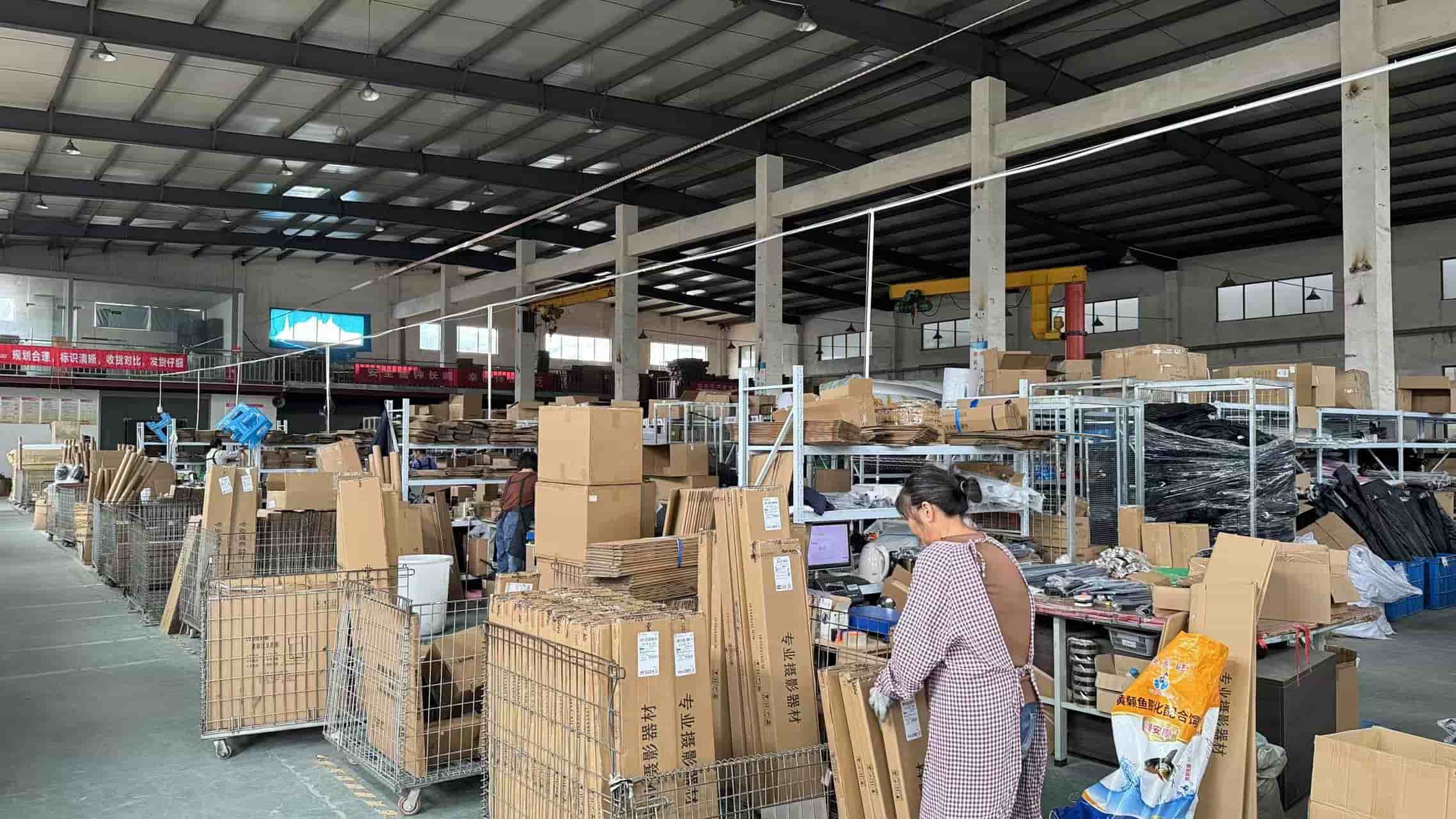
Every finished batch undergoes a minimum of six structured quality control steps. This rigorous flow covers IQC (Incoming Quality Control) of battery contacts and high-efficiency LED chips, IPQC (In-Process Quality Control) testing during PCB soldering, and FQC (Final Quality Control) where every candle is run through a 24-hour heat-chamber age test to ensure no warping or electronic drift occurs.
What differentiates an average LED candle from an elite replica is the metric of Color Rendering Index (CRI, Ra) and R9 (Red rendering saturation). Most generic decorative lighting manufacturers use low-cost SMD chips with a low CRI of around 70. This causes nearby surfaces, fine foods, linens, and human skin tones to appear grey, flat, and unnatural under the artificial candle glow.
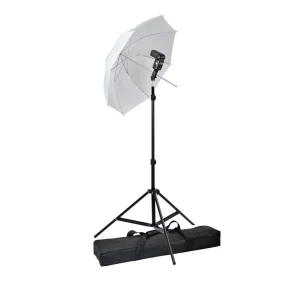
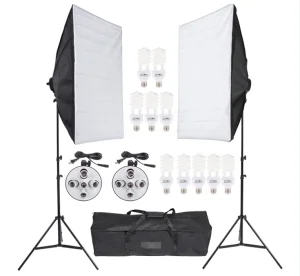
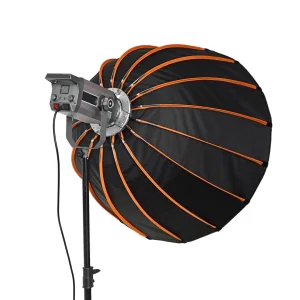
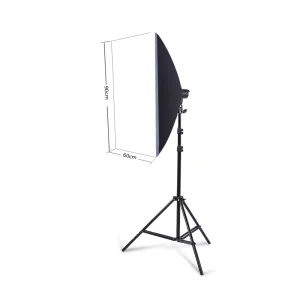
Drawing from Alterra’s deep historical core in manufacturing professional photography softboxes, high-CRI spotlights, and studio panel lamps, we apply studio-grade LED engineering to our simulated candles. Our LED candles are calibrated to project a spectrum with a minimum CRI of 90 (typically Ra 95+), emphasizing the critical R9 wavelength. This high level of rendering ensures that when our simulated flame illuminates luxury table settings, high-end hotel lobby decor, or photographic studios, it brings out the true warmth and texture of the environment, maintaining identical optical aesthetics to open-flame firelight.
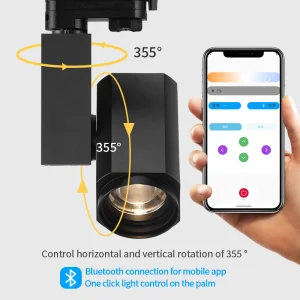
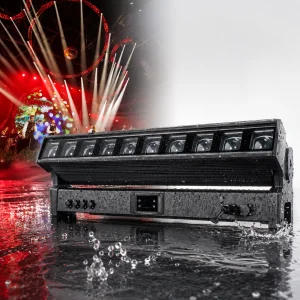
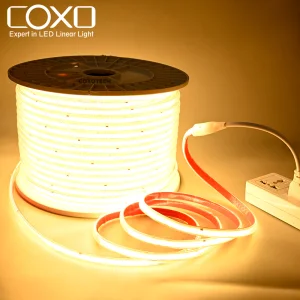
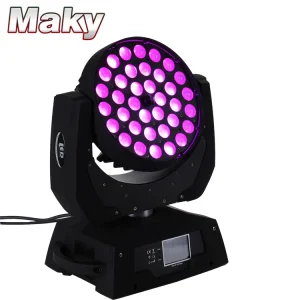
From architectural DMX track systems to heavy-duty stage performance fixtures and waterproof linear systems.
Simulated LED candles are deployed across diverse global environments, each presenting unique demands regarding aesthetics, battery life, and durability:
In luxury dining, guest sensory comfort is paramount. High-end restaurants rely on warm lighting to create an intimate atmosphere, yet traditional paraffin wax candles produce smoke and combustion odors that interfere with the aroma of fine food and wine. Our high-CRI, rechargeable LED candles fit into custom frosted-glass enclosures, mimicking a real flame without producing any smoke or soot. Operating on long-life lithium-ion battery blocks, they provide reliable performance throughout dinner services with simple magnetic-tray charging overnight.
Many heritage structures and historic theaters enforce strict prohibitions against open flames to protect delicate wooden frames, antique tapestries, and historical fabrics. In these spaces, simulated candles offer a safe, fire-risk-free lighting solution. For stage productions and theatrical sets, these candles can be controlled remotely via custom RF or integrated Bluetooth mesh protocols, allowing production teams to alter lighting levels, dim candle zones, or trigger flickers directly from the lighting control console.
Spas require low, tranquil light and clean air for relaxation. Traditional wax candles consume oxygen and release particulate matter in confined treatment rooms. Simulated LED candles maintain a pristine, soot-free environment while delivering a warm, flickering light that enhances the soothing aesthetic, making them ideal for high-end wellness and beauty spaces.
Expert technical insights regarding LED candle design, manufacturing processes, global distribution, and custom capabilities.
We install dedicated microcontrollers programmed with a pseudo-random algorithm. Instead of using a simple repeating timer, the chip continuously varies the current delivered to the electromagnetic coil and the LED. This creates a chaotic, non-repeating movement of the wick and natural shifts in brightness that replicate a real candle affected by ambient air movement.
We offer both genuine paraffin wax coatings and high-impact ABS plastic polymer casings. Paraffin wax shells provide the most authentic texture and light diffusion for indoor settings, while our ABS casings are UV-stabilized and temperature-resistant, preventing warping or melting in hot climates or outdoor applications.
Utilizing our optical test benches and spectroradiometer systems, we strictly bin all incoming LEDs. We maintain a tight MacAdam Ellipse threshold (SDCM < 3), ensuring that when thousands of LED candles are placed in a single venue, they deliver consistent color temperature (typically calibrated to 2200K or 2400K) without visible chromatic variation.
All our products are manufactured under strict ISO 9001 quality management guidelines. Depending on your destination market, we supply goods certified with CE, RoHS, FCC, and UL listings, ensuring smooth customs clearance and compliance with local retail and commercial safety standards.
Yes. Our integrated R&D team manages the process from initial 3D prototyping and molding to structural design and PCB engineering. We can customize remote control ranges, integrate Bluetooth mesh capabilities, or design custom candle heights and diameters to meet your specific market needs.
Our commercial-grade rechargeable LED candles are equipped with premium lithium-polymer cells. On a single 4-hour charge, they deliver 50 to 70 hours of continuous operation depending on the flicker mode, featuring built-in overcharge and over-discharge protection circuits to extend battery health over hundreds of charge cycles.
We use high-density, custom-molded EPS foam inserts that stabilize each candle shell. For shipments passing through high-temperature tropical zones, we recommend and coordinate climate-controlled refrigerated containers (Reefers) to keep the cargo well below the paraffin softening point of 54°C.
For standard configurations, our MOQs are highly flexible. For custom packaging, colors, or specialized dimensions, our standard OEM MOQ starts at 1,000 units per model, which helps offset custom mold adjustments and SMT setup times.
 Alterra Lighting