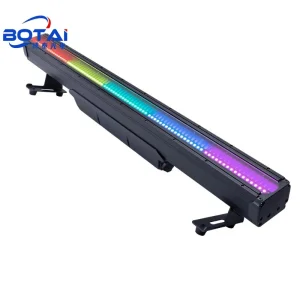
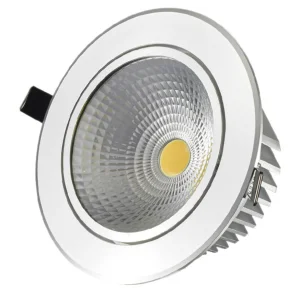
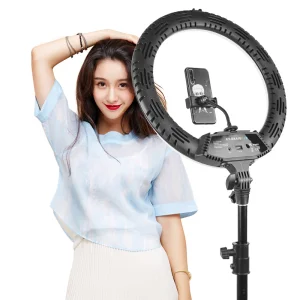
Explore our top-tier catalog of commercial, photographic, and high-performance smart spot lighting setups, built with state-of-the-art solid-state thermal management systems.
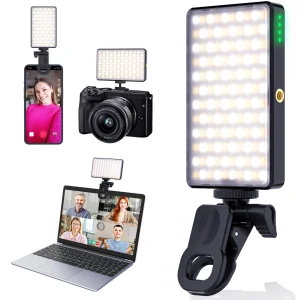
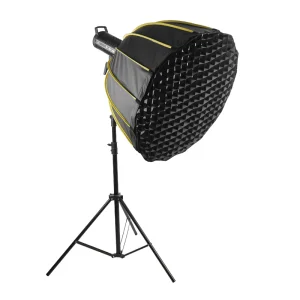
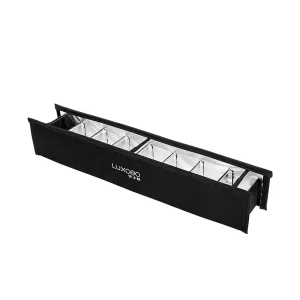
The commercial and industrial spot lighting sectors are undergoing a massive transition driven by energy policies, building regulations, and smart building integrations. Modern spot lighting has shifted from static, low-efficiency halogen setups to dynamic, high-luminous efficacy LED systems. Globally, commercial venues, retail showrooms, luxury hotel chains, and film production studios are prioritizing spot lighting solutions that feature high Color Rendering Index (CRI > 95) and precise directional beam optics to elevate human experience and brand aesthetics.
North American and European markets exhibit high demand for energy-efficient architectures integrated with DALI, Zigbee, or Bluetooth Mesh control protocols. Meanwhile, the Asia-Pacific region is experiencing the fastest deployment due to booming infrastructural constructions, smart city schemes, and localized film & television hubs. Spot lighting manufacturers are no longer just metal fabricators; they have evolved into specialized engineering partners designing optical systems, advanced thermal solutions, and driver circuits to sustain long-lasting operations under heavy-duty environments.
China’s spot lighting manufacturing sector, centered highly within the Guangdong province (especially the Guzhen and Zhongshan clusters), delivers unmatched speed, supply chain density, and cost optimization. The geographical proximity of die-casting foundries, LED chip packaging plants, driver design labs, and testing institutes creates an ecosystem where standard development time is slashed by up to 60% compared to Western manufacturers.
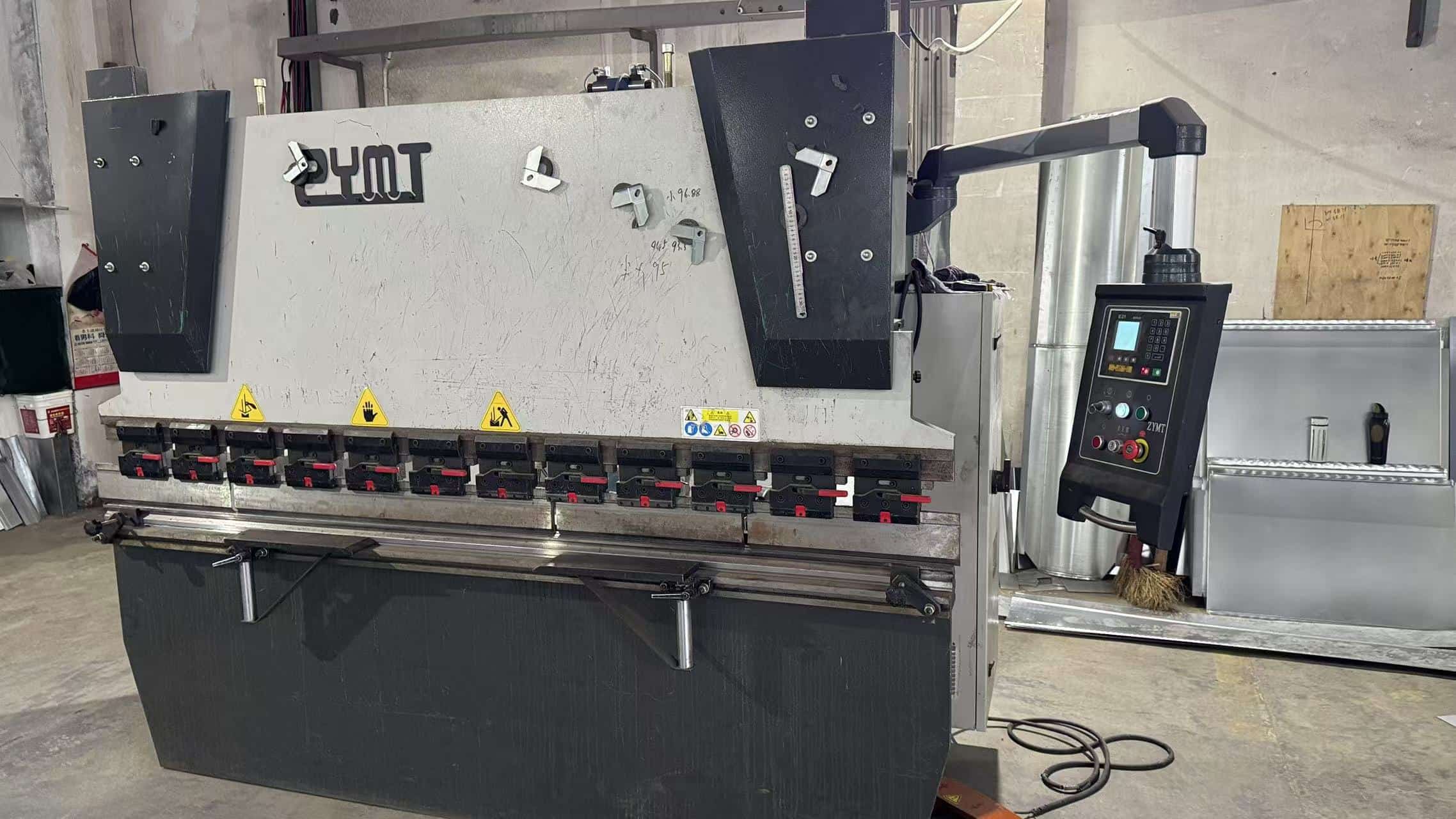
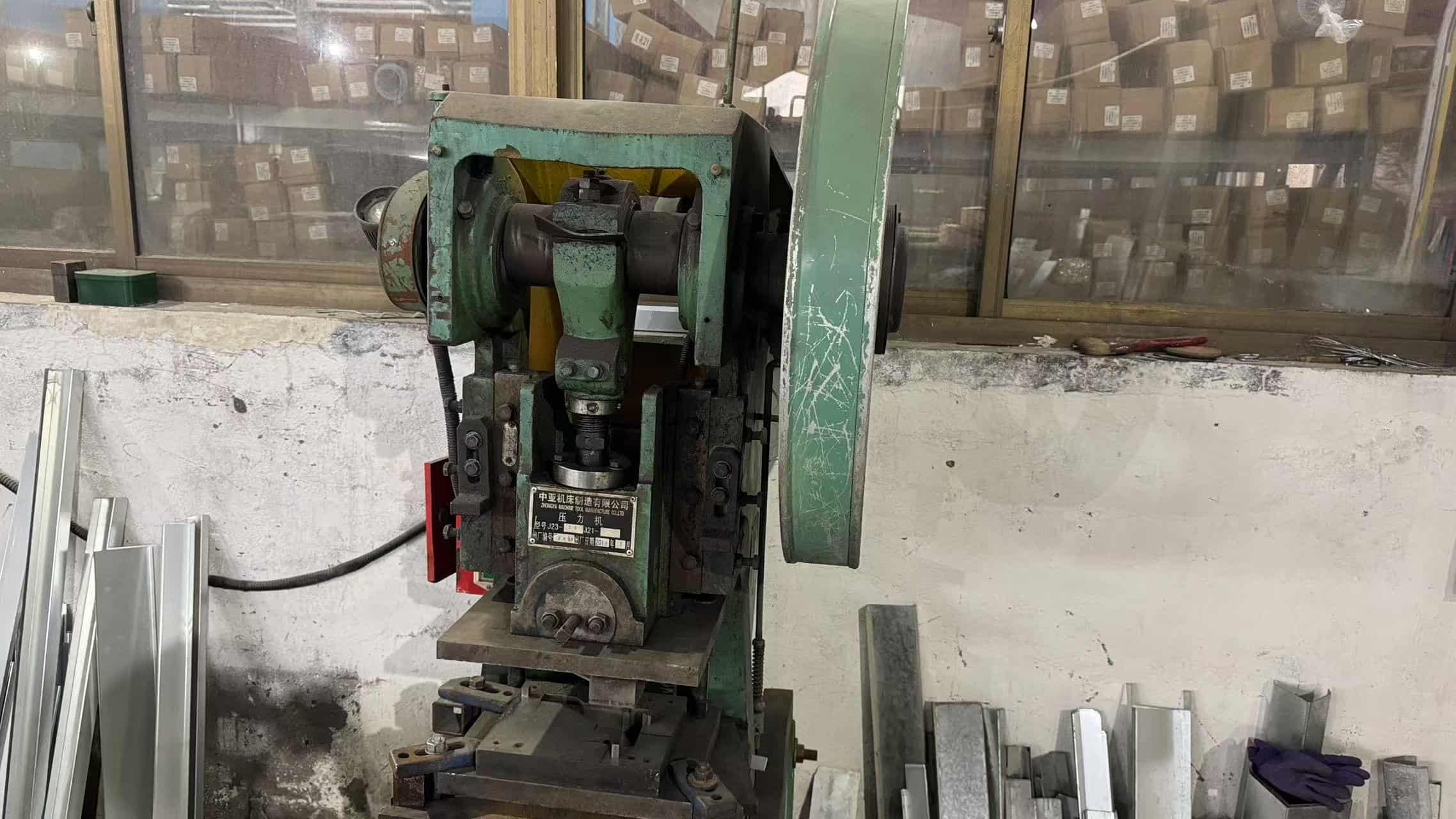
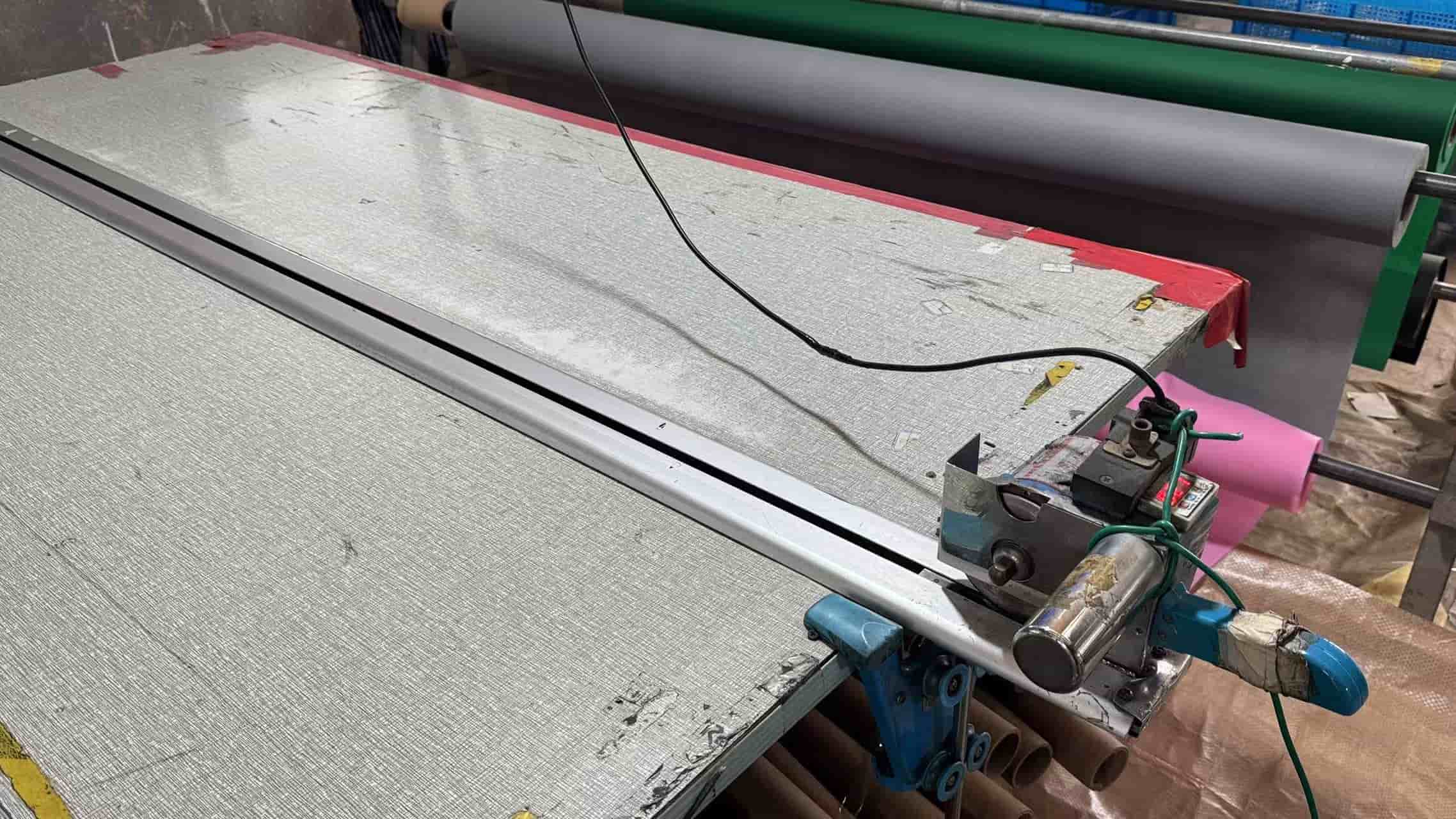
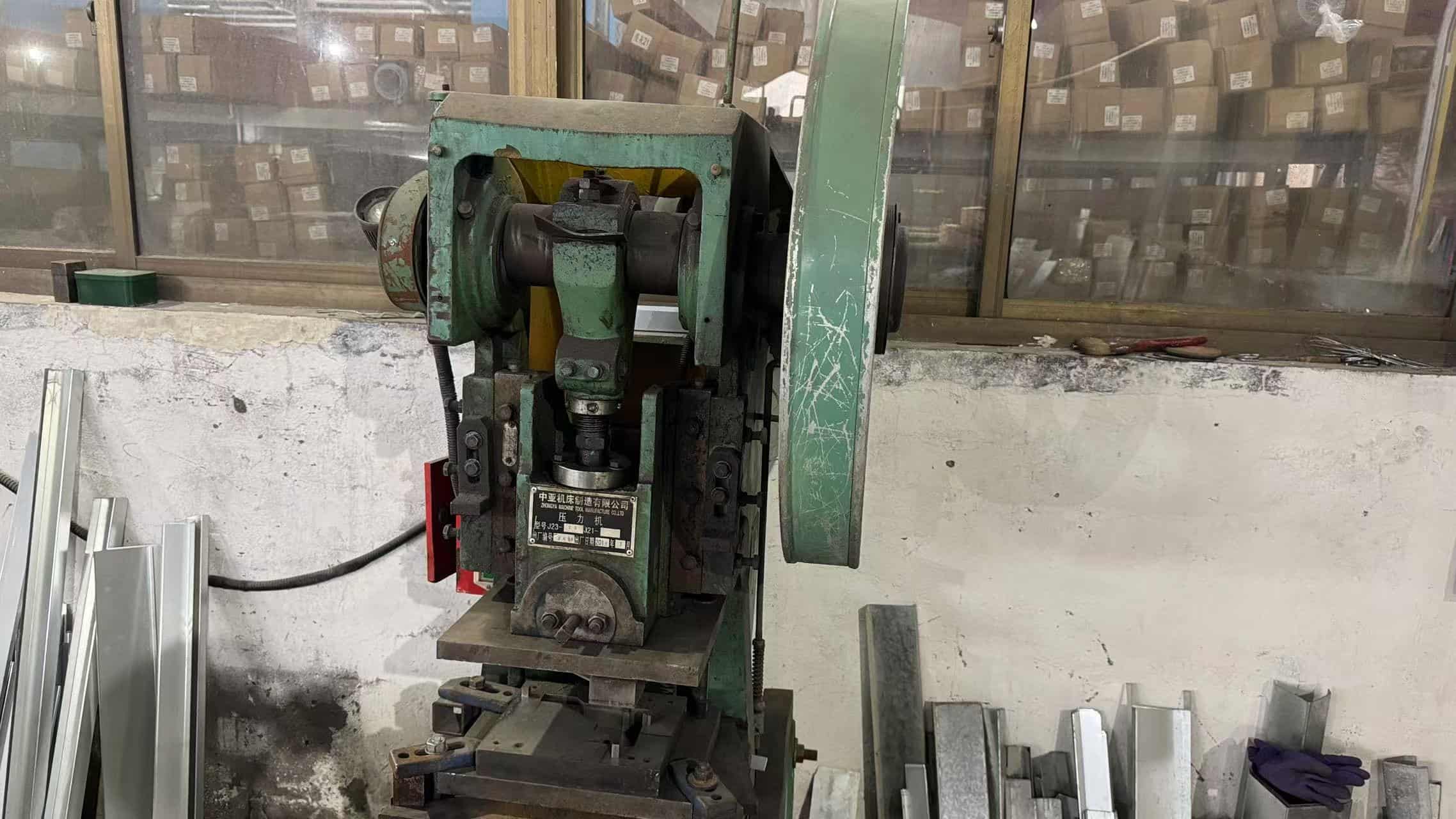
Chinese factories like Zhongshan Alterra Lighting Co., Ltd. leverage high automation across cloth cutting, CNC metal bending, aluminum punching, and continuous SMT line mounting. This integration ensures not only high-volume capacity but absolute structural consistency, allowing global brands to secure reliable products with minimal defects and optimized bulk pricing.
Zhongshan Alterra Lighting Co., Ltd. was established in 2020, specializing in the research, development, production, and sales of photographic lighting equipment. After years of dedicated development, the company has earned a strong reputation in the industry and established long-term, stable partnerships with distributors across 12 provinces in China. The company has also successfully expanded into international markets, with products exported to 122 countries, becoming one of the most recognized brands in the global photographic lighting industry.
Looking ahead, Alterra Lighting will continue to uphold the core values of "innovation, quality, and service," and remain committed to providing high-quality lighting solutions for global users of photographic equipment, contributing to the advancement of the industry.
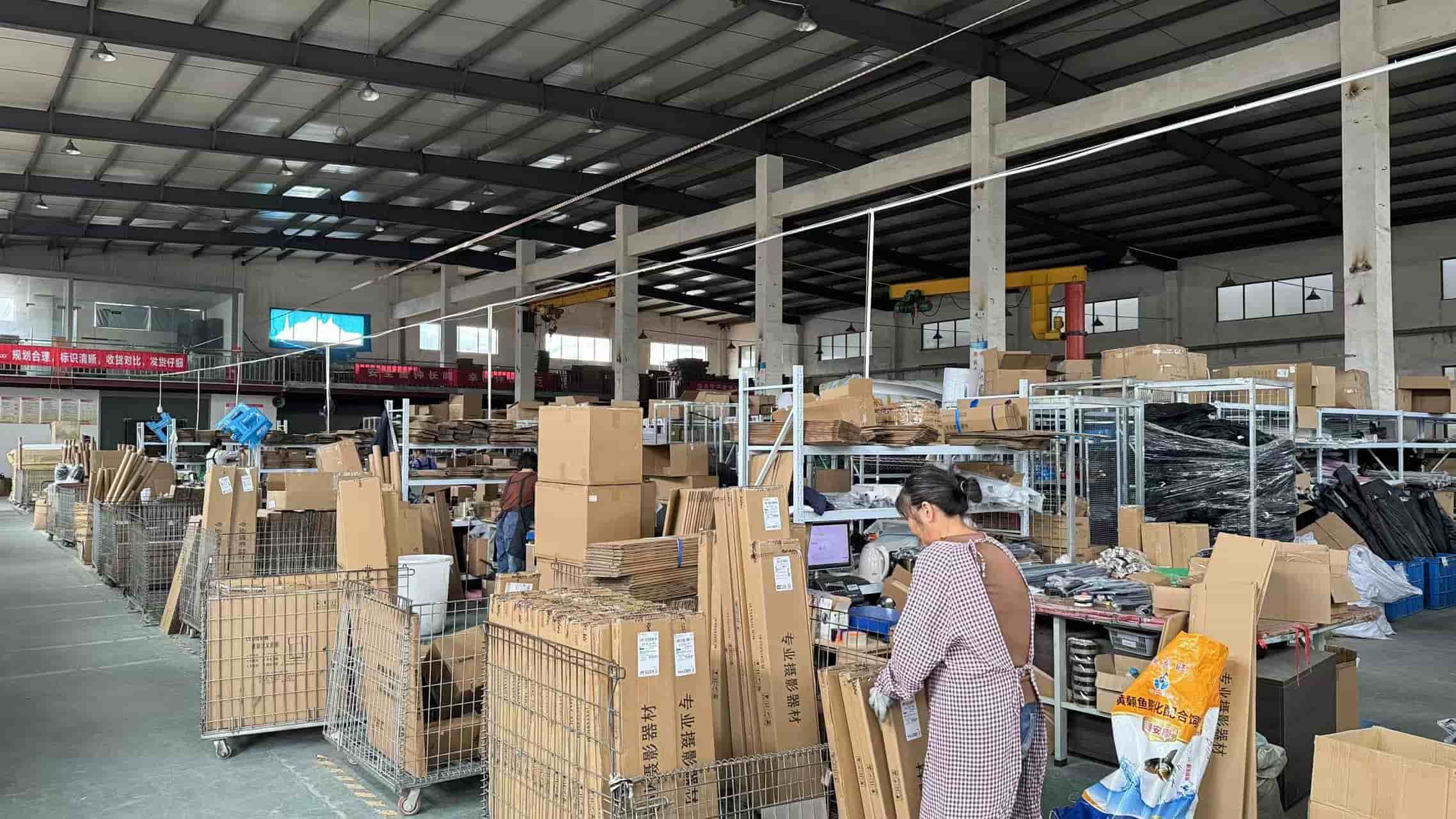
Our ISO 9001 & TÜV Certified operations guarantee industry-compliant output. With a clean, well-organized production environment and high employee satisfaction, we ensure efficient and stable manufacturing output. Every finished product is fully traceable, guaranteeing reliable quality control and assurance.
Our dedicated R&D team combines strong engineering expertise with market-oriented innovation. We focus on developing high-performance and cost-optimized lighting solutions that respond quickly to evolving market demands, integrate real user feedback, and support custom OEM/ODM configurations.
Every finished product undergoes a minimum of six strict inspection processes before delivery, ensuring a bulk order pass rate of 98.6%. All quality control stages—including IQC (Incoming Quality Control), IPQC (In-Process Quality Control), and FQC (Final Quality Control)—are implemented under standardized operating procedures.
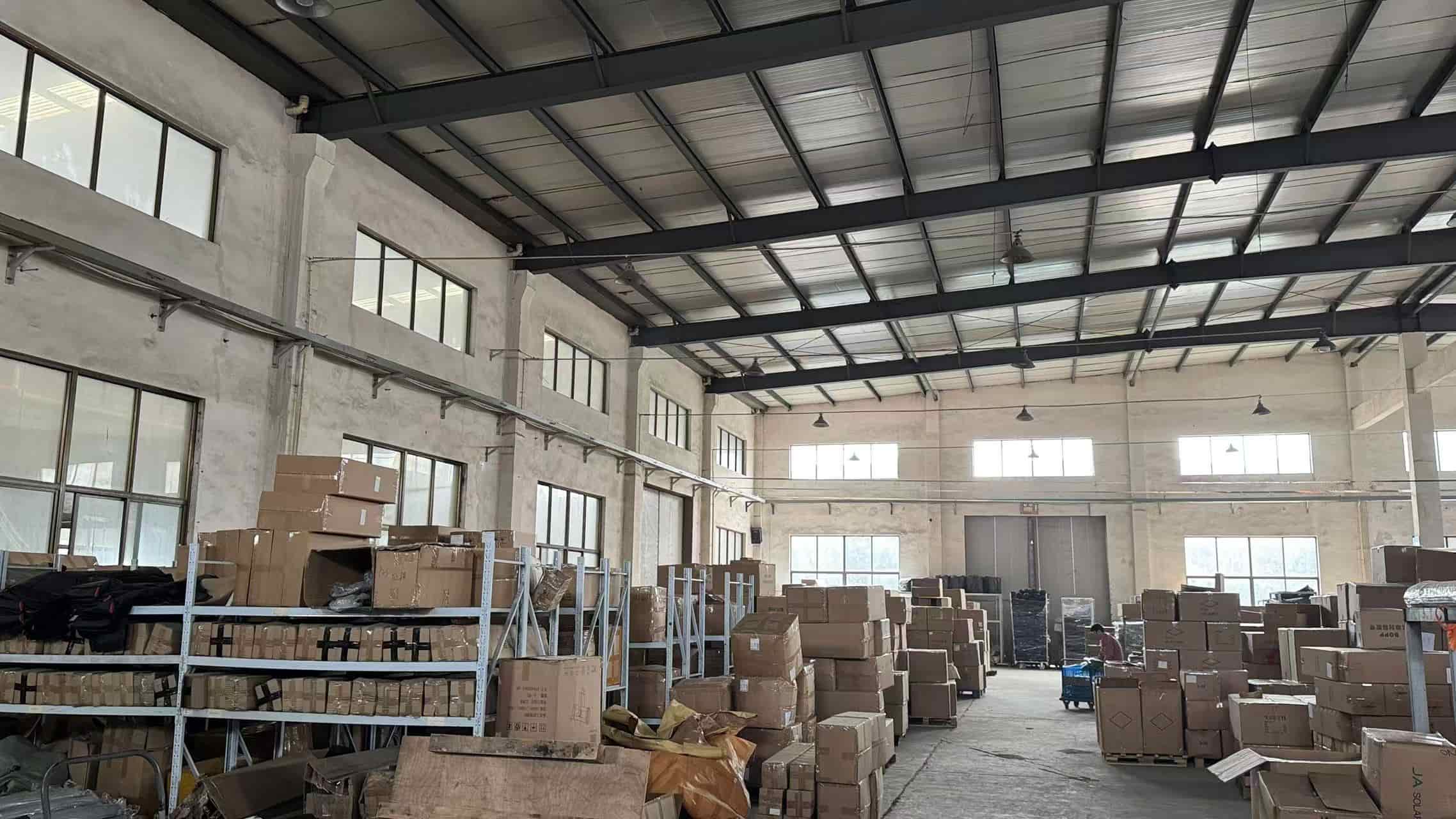
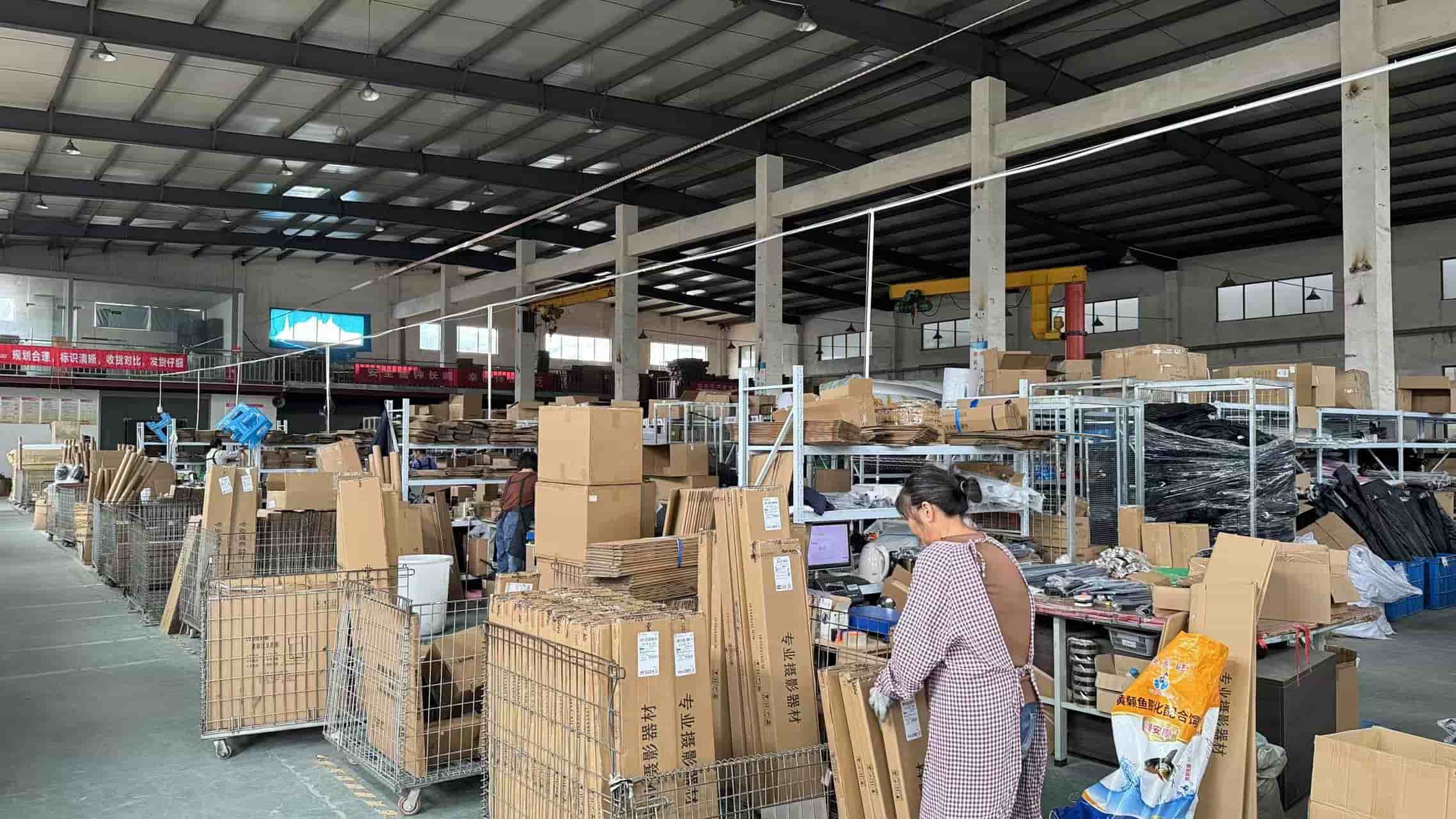
Our warehouses operate under strict 6S management standards (Sort, Set in order, Shine, Standardize, Sustain, Safety), supported by regular cross-departmental audits. We maintain clear labeling, real-time inventory tracking, and robust security measures to guarantee fast and accurate logistics operations.
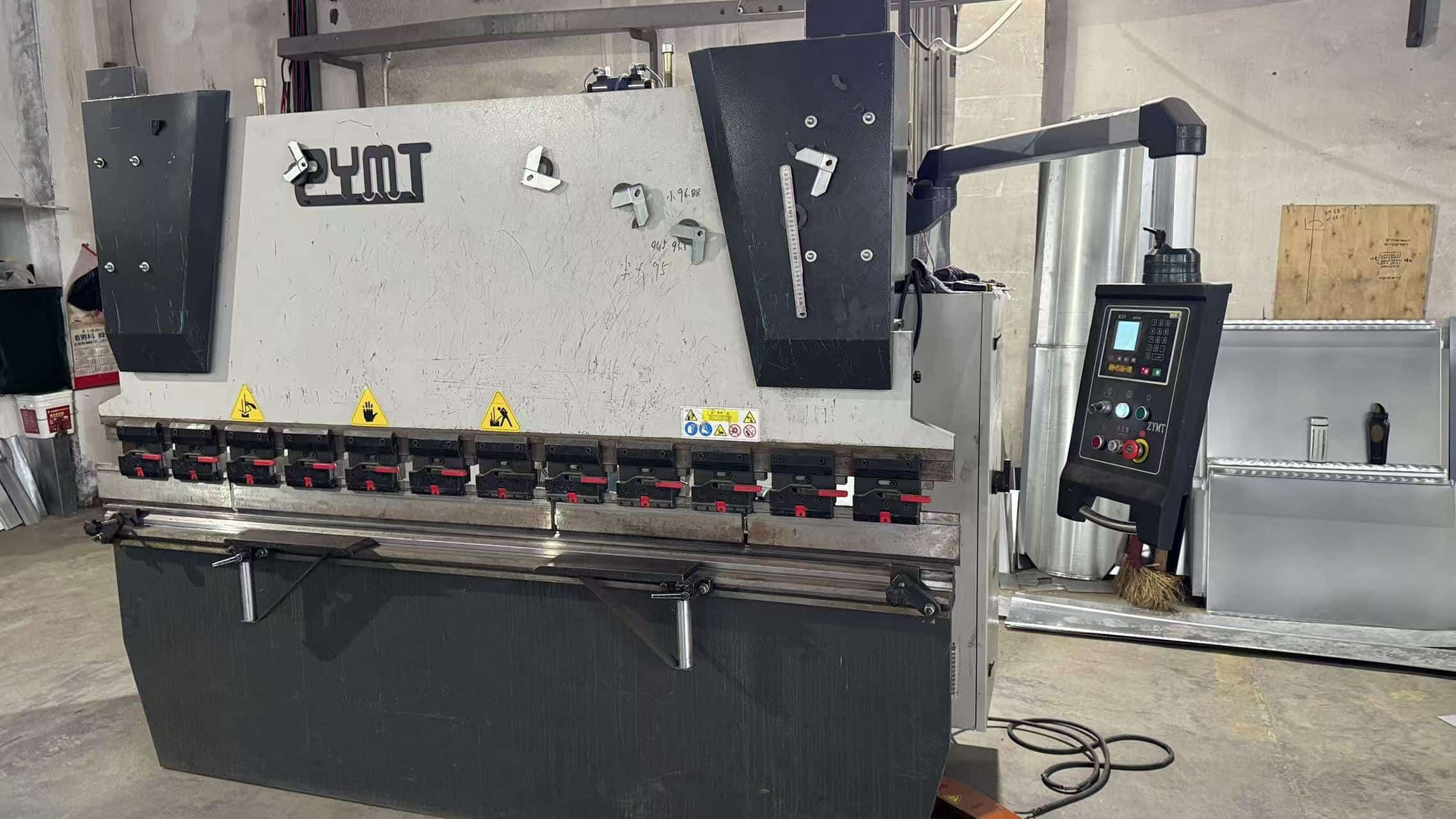
Each component undergoes specialized fabrication steps to ensure complete optical precision, durability, and safety across our production floor.

Selecting the appropriate spot lighting system depends highly on the application environment. Our professional lighting solutions are engineered to meet specific technical requirements across different fields:
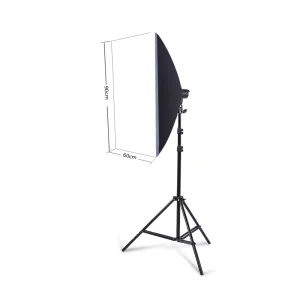
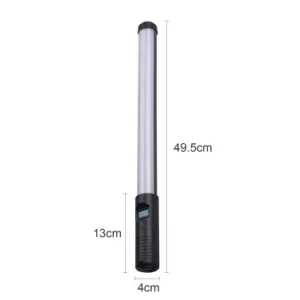
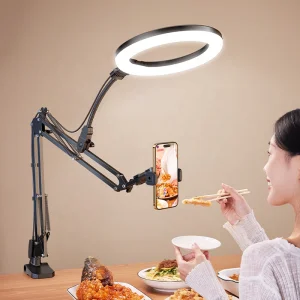
Requires flicker-free dimming (PWM frequency > 20KHz), ultra-high CRI, and precise color control. Ring lights, softboxes, and LED wands provide the soft fills and strong key lighting necessary for HD cameras.
High-lumen COB strip lights and downlights direct customer attention to key merchandise, emphasizing texture and color saturation without causing glare or thermal damage to goods.
Requires IP65/IP67 rated protective enclosures, high thermal dissipation, and custom optics to spotlight architectural facades, public monuments, or outdoor events over extended distances.
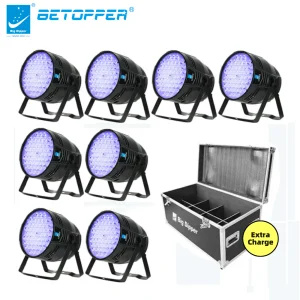
Needs high-speed DMX control, RGBW color mixing, strobe functionality, and flexible angling (like PAR cans and hybrid strobe systems) to build dynamic, interactive event atmospheres.
The integration of technology within the optoelectronics sector is moving rapidly. Sourcing officers and project managers should anticipate three main trends over the coming years:
Integrating multi-channel CCT controllers allows spot lighting to match standard circadian rhythms. Offices, schools, and healthcare environments are replacing static white panels with dynamic color-temperature systems to maximize comfort and work performance.
Through advanced protocol systems, modern luminaires link automatically with cloud-based building management dashboards. Sensors track occupancy, temperature, and localized light levels to implement real-time dynamic energy saving.
For global procurement teams, sourcing spot lighting from overseas suppliers involves managing multi-level risks. A checklist to ensure successful procurement includes verifying:
The primary indicators are high luminous efficacy (lm/W), precise thermal dissipation to prevent color shifts, high Color Rendering Index (CRI > 90/95), minimal SDCM value (Standard Deviation of Color Matching, ideally < 3), and flicker-free driver performance under varying load states.
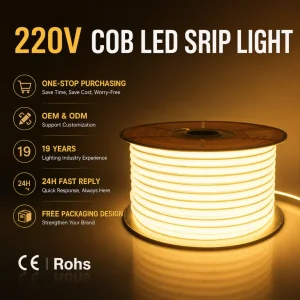
Chip-on-Board (COB) strips place individual diodes closely together under a continuous phosphor layer. This eliminates "dot" pixelation, resulting in uniform, seamless linear spotlighting with high brightness, which is ideal for close-up product displays and accent lighting.
Lower prices are sustained via automated large-scale production lines, localized material integration (reducing transportation overhead), and tight supply chain optimization in Guangdong lighting clusters, combined with low structural overhead costs during operations.
For Western Europe, CE (Conformité Européenne) and RoHS are mandatory. For North America, standard safety listings like UL (Underwriters Laboratories) or ETL, along with FCC testing for electromagnetic interference in digital controllers, are required.
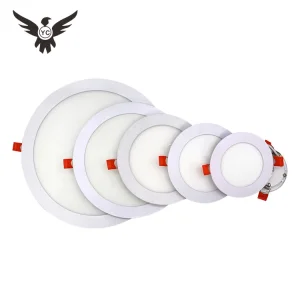
Compare high-performance components, outdoor strip lights, ceiling panels, and professional wands for all-round commercial applications.

 Alterra Lighting