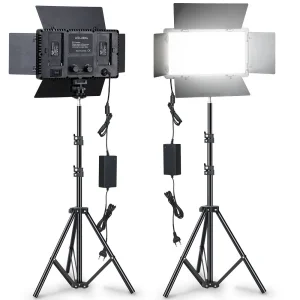
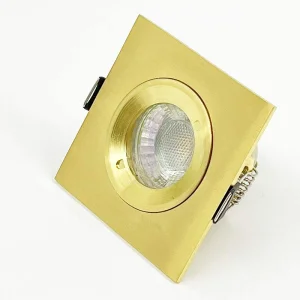
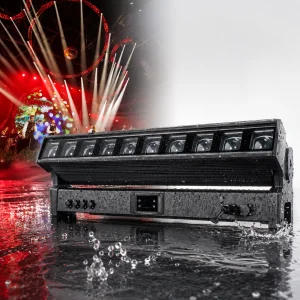
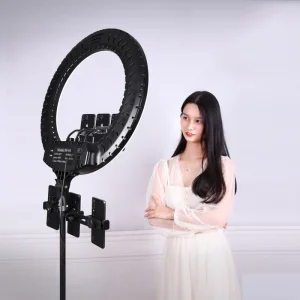
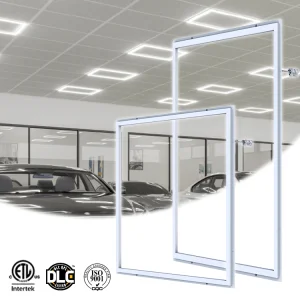
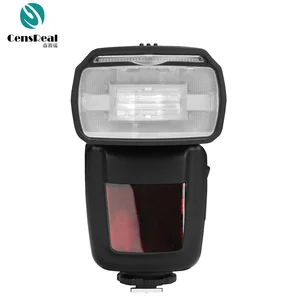
Explore our premium product line, engineered for professional photographic, studio, and commercial illumination demands.
A comprehensive analysis of technical architectures, hardware selection, and global sourcing paradigms.
The global solid-state lighting (SSL) market has shifted decisively from static white illumination to intelligent, spectrally tunable, and color-changing LED systems. In dynamic architectural environments, broadcasting studios, retail spaces, and industrial signaling, color-changing lights are no longer merely aesthetic accents; they are functional components that influence circadian rhythms, consumer behavior, and camera-sensor compatibility.
For B2B procurement officers, sourcing directors, and engineering designers, selecting a color-changing light factory requires a sophisticated understanding of semiconductor manufacturing, color-mixing thermodynamics, control protocols, and supply chain audit practices. This document serves as an industry roadmap, bridging the gap between design specification requirements and modern manufacturing capabilities.
The technological core of color-changing lighting systems consists of Multi-Chip LED arrays (RGB, RGBW, RGBCCT) combined with specialized driver circuits. Advancements in microelectronics have led to several key technology pathways:
Modern color-changing lights incorporate 5-channel (RGBCCT) or 6-channel engines. By adding lime, amber, or deep red phosphors, manufacturers can achieve color rendering indexes (CRI) exceeding 96 and Television Lighting Consistency Index (TLCI) values above 98 across the entire CCT range from 2000K to 10000K.
Control systems are transitioning from traditional DMX512-A and DALI-2 systems to wireless mesh architectures (Matter, Thread, and Bluetooth Mesh). High-performance fixtures now offer bidirectional Remote Device Management (RDM) to monitor temperature, voltage, and runtime metrics in real time.
For professional video production, high-speed photography, and smart workspaces, flicker-free operation is crucial. Leading factories utilize high-frequency PWM dimming (up to 30kHz) or hybrid constant current reduction (CCR) circuits to eliminate optical artifacts and banding under high camera shutter speeds.
Looking ahead, the integration of generative AI control algorithms and multispectral sensors will enable autonomous lighting environments. These systems will analyze real-time ambient lux levels and spectral power distributions to automatically adjust lighting output for optimal productivity, human health, and visual comfort.
A deep dive into Zhongshan Alterra Lighting's advanced, vertically integrated production facility.
At the center of global smart lighting production is Zhongshan Alterra Lighting Co., Ltd. Established in 2020, Alterra has developed a robust manufacturing model that supports distributors across 12 provinces in China and exports high-performance lighting to 122 countries. The company has positioned itself as an industry leader by combining R&D capabilities with ISO 9001 and TÜV certified production standards.
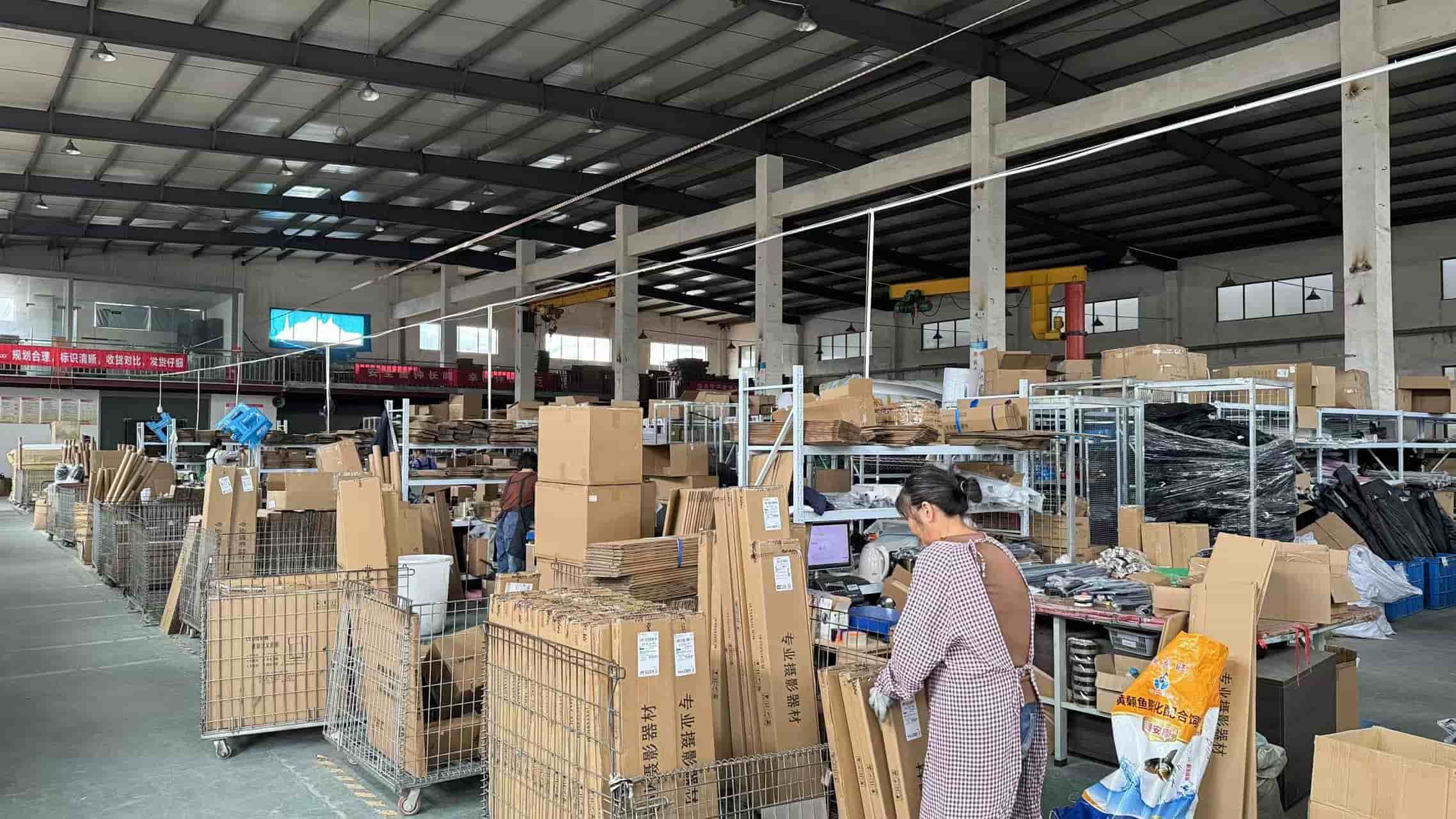
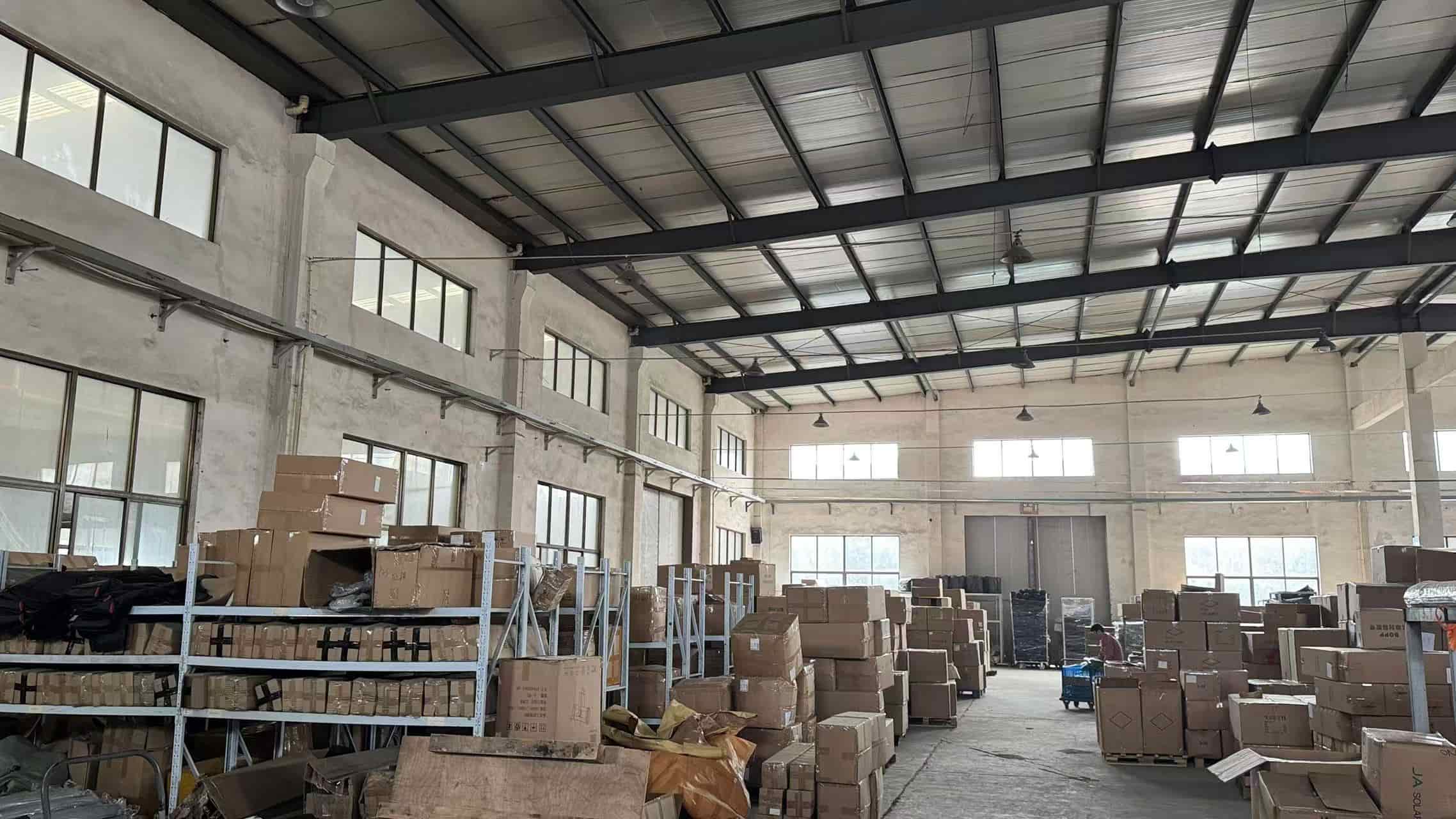
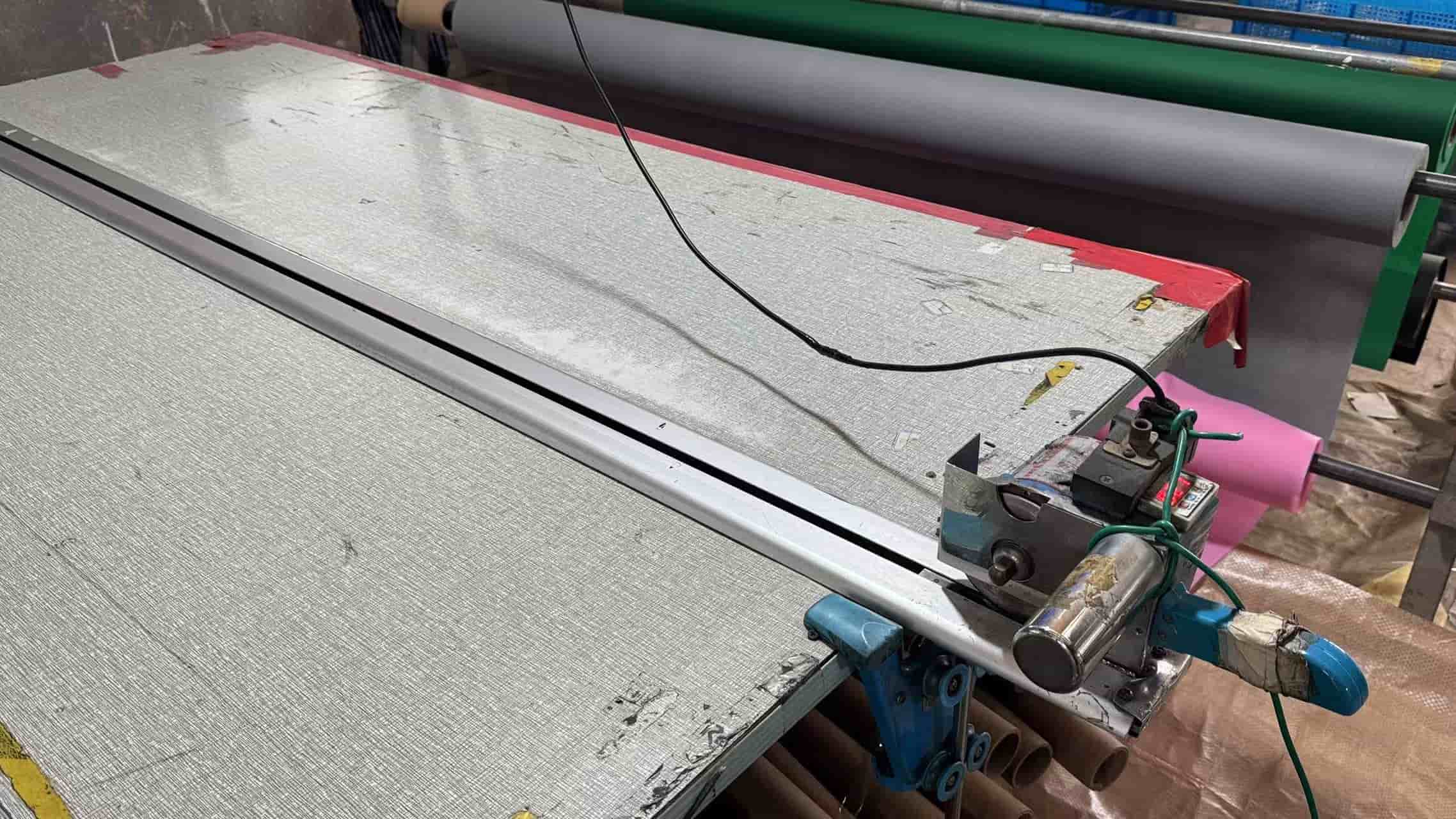
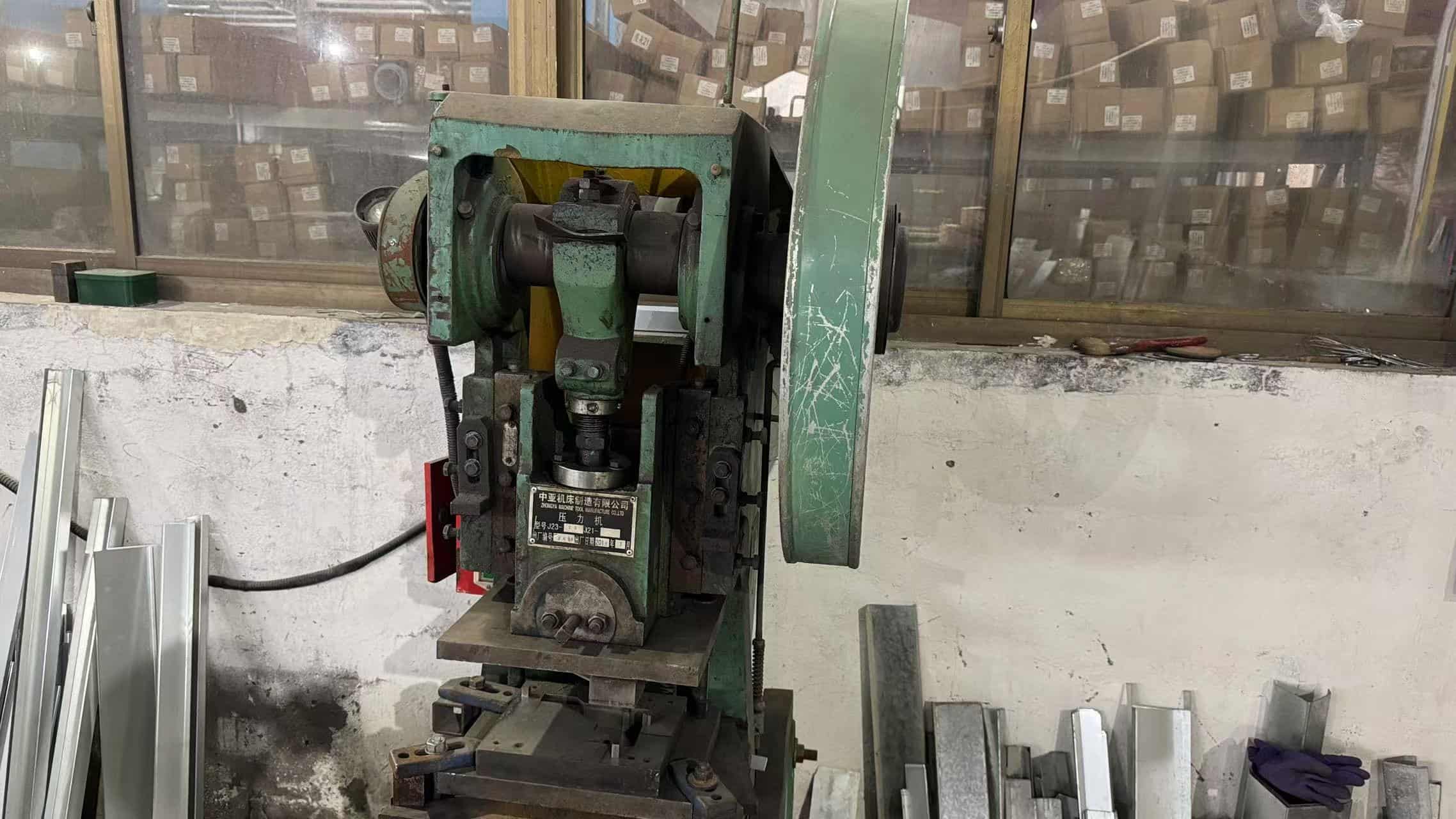
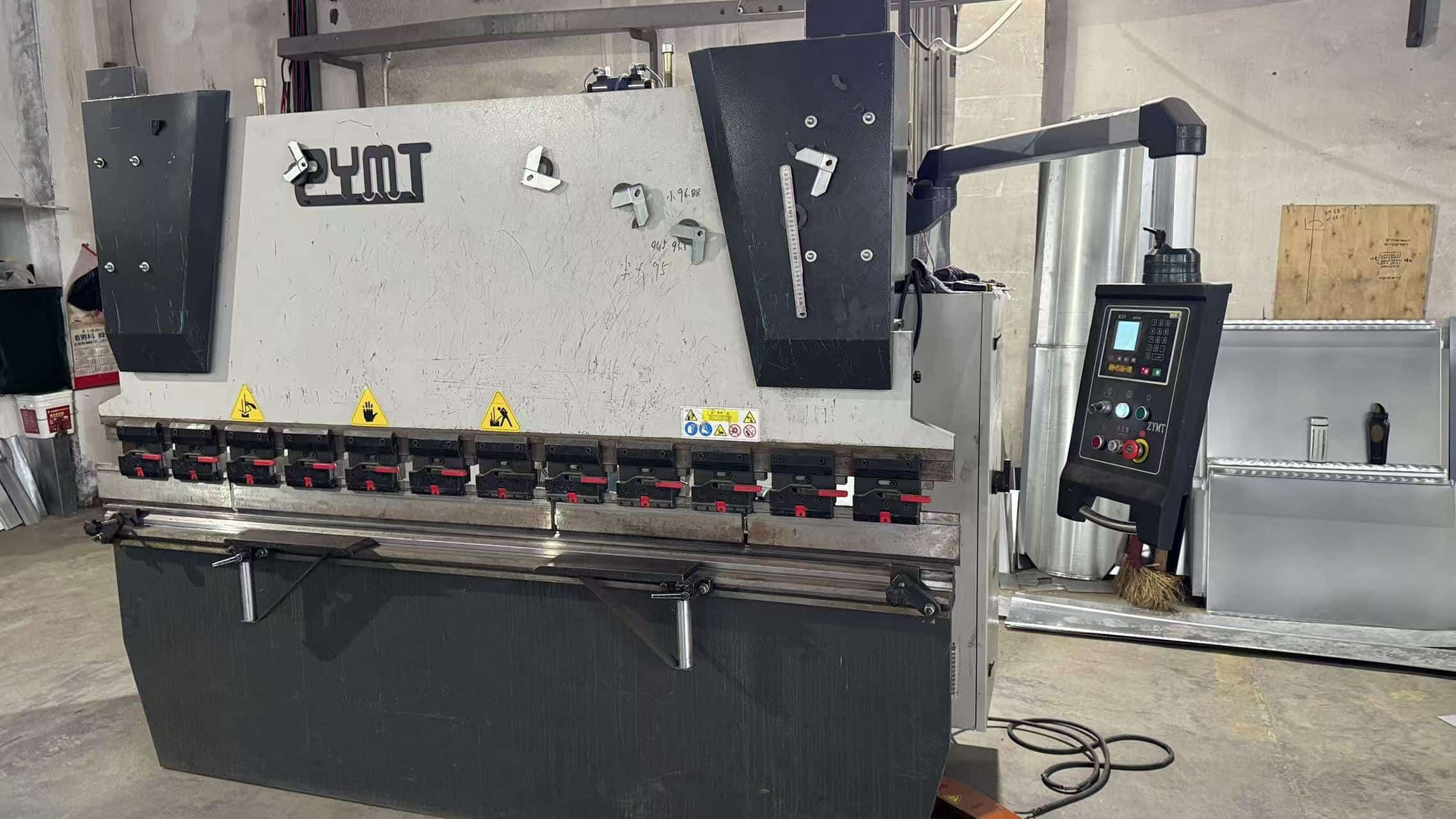
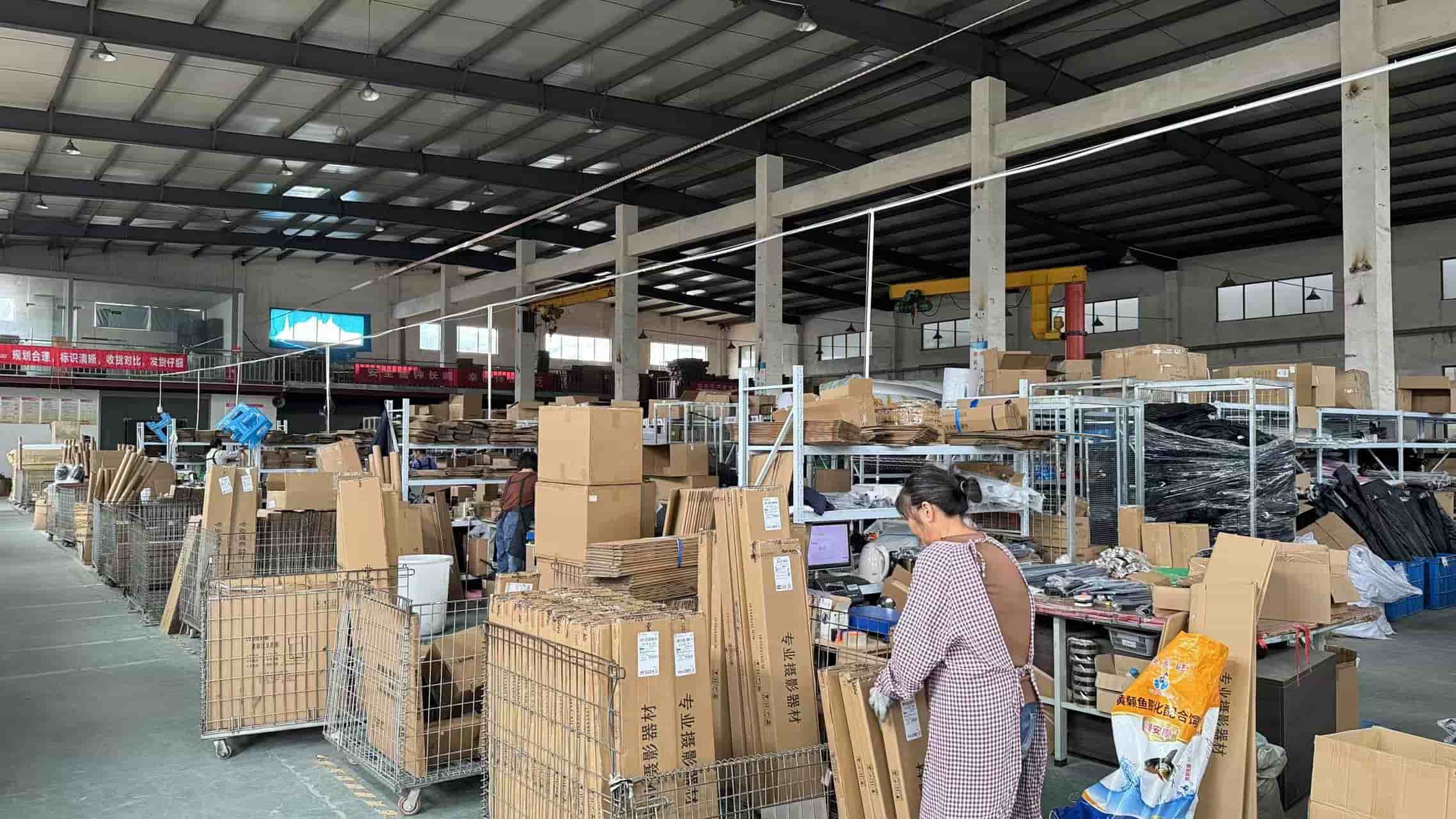
Managing a resilient supply chain requires vertical integration—controlling every stage of production from raw metalworking to final optoelectronic calibration. Below is Alterra's step-by-step assembly and quality control framework:

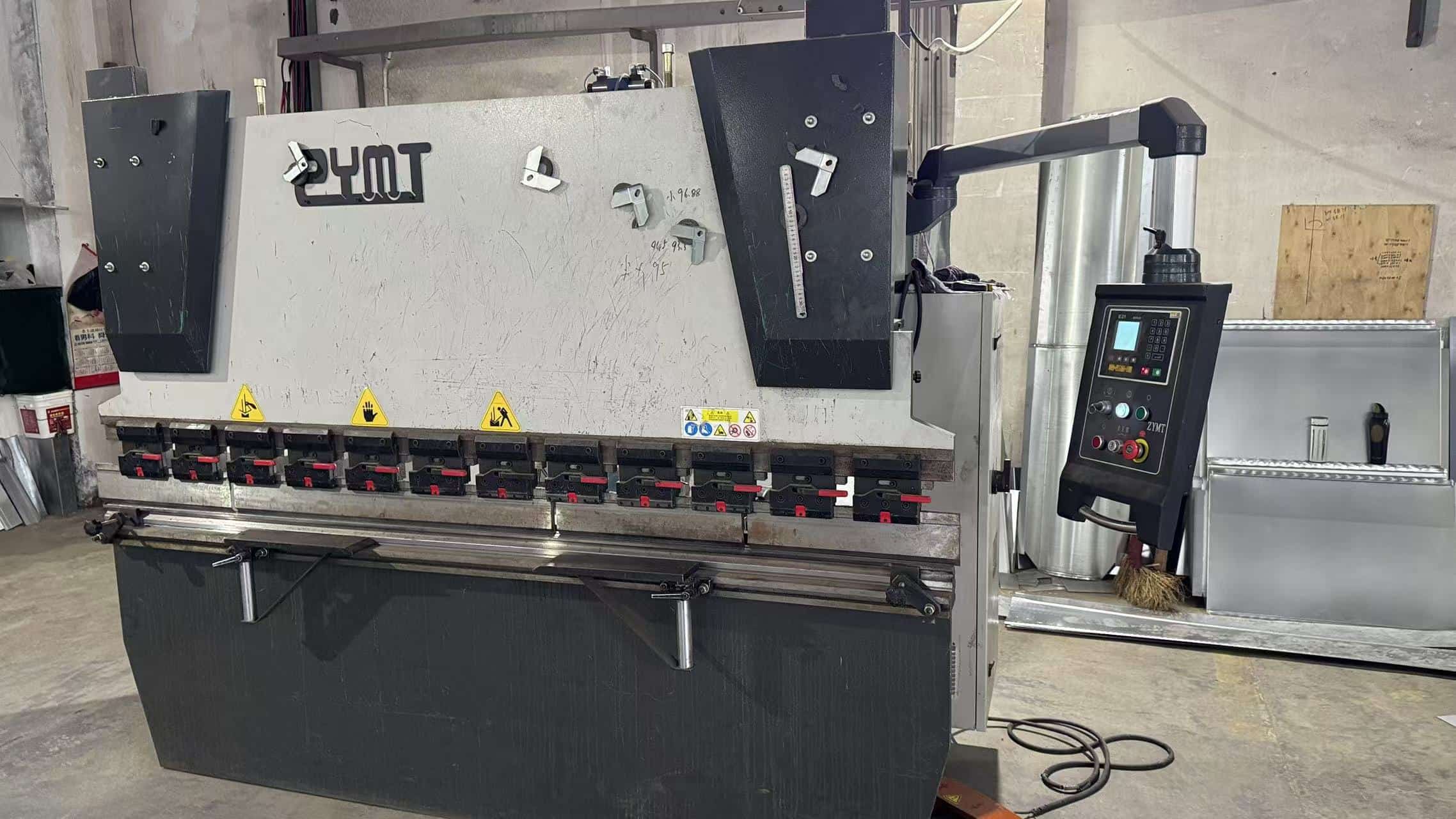
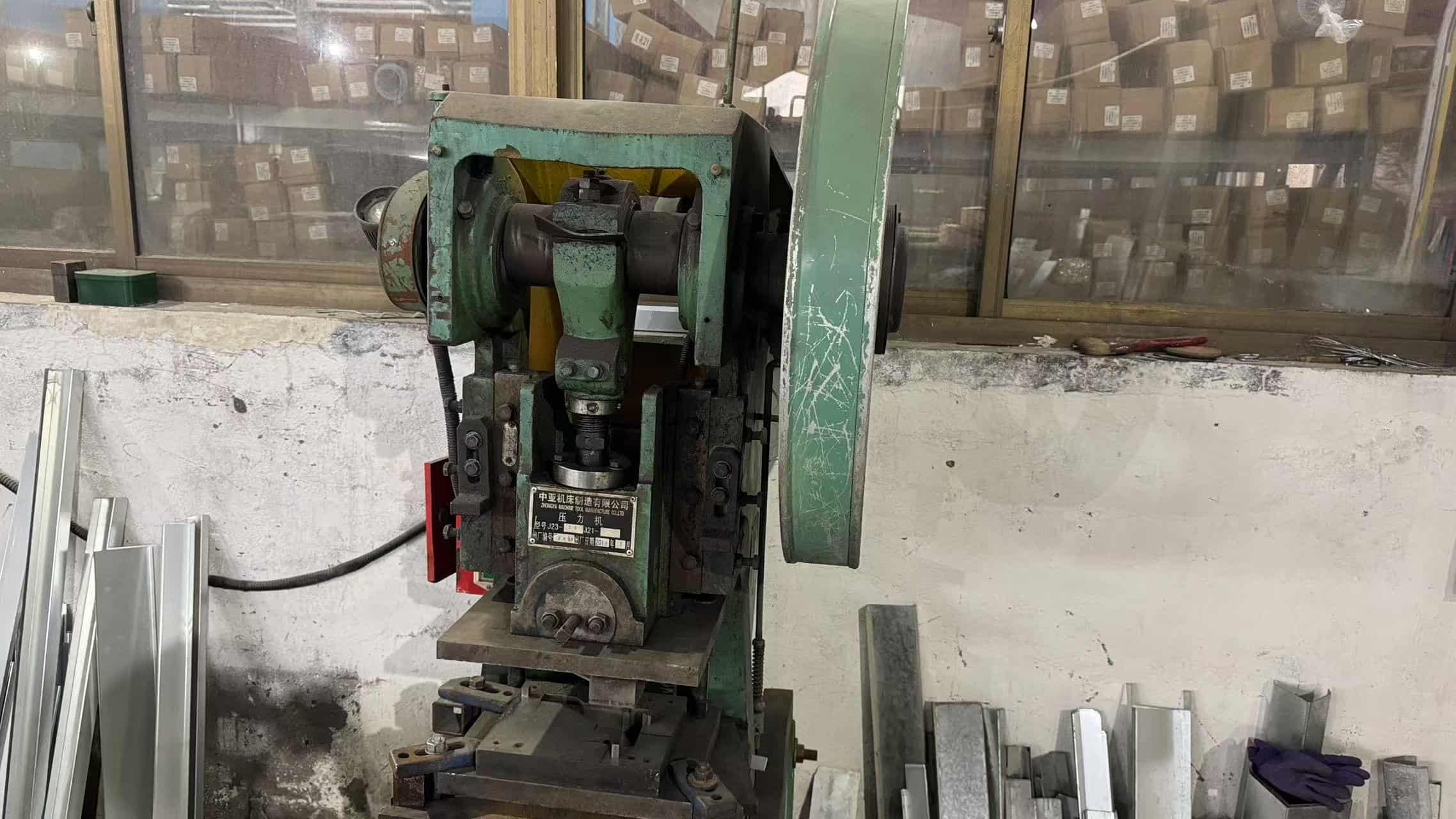
Color-changing lights are designed to meet specific regulatory, aesthetic, and architectural standards across a variety of target industries:
To achieve a high bulk order pass rate, premium factories implement structured testing protocols throughout the production lifecycle:
IQC (Incoming Quality Control): Every batch of incoming LEDs undergoes spectrometer testing to verify chromaticity, forward voltage, and luminous intensity. Enclosures, heat sinks, and PCB materials are tested for structural integrity and thermal conductivity.
IPQC (In-Process Quality Control): Automated Optical Inspection (AOI) detects soldering defects on SMT lines. Technicians perform initial power-on tests and thermal profiling to identify thermal assembly issues before final sealing.
FQC (Final Quality Control) & Aging Tests: Finished fixtures undergo a minimum of 24 to 72 hours of continuous thermal stress and power-cycling tests. Spectroradiometer testing confirms CRI, CCT, and lumen output match product specifications.
OQC (Outgoing Quality Control): Packaged products undergo final sampling audits, package drop testing, and compliance documentation reviews before shipment.
Navigating global regulatory landscapes requires proper certification and localized support structures. Compliance varies significantly by destination market:
To mitigate import duties and optimize landed costs, leading manufacturers work with logistics partners to provide DDP/DDU shipping options, SKD (Semi-Knocked Down) assembly choices, and bonded warehousing services near major international distribution centers.
Direct answers to technical questions commonly raised by B2B buyers and structural designers during procurement.
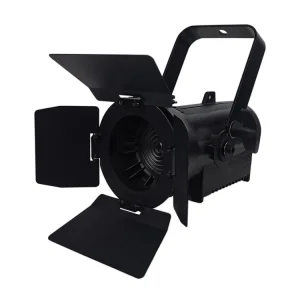
Advanced equipment designed to meet the demands of broadcast studios, outdoor events, and high-end photography setups.
 Alterra Lighting