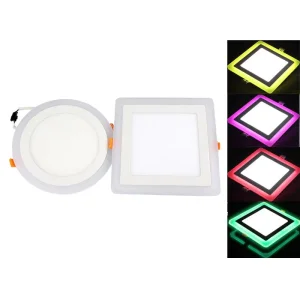
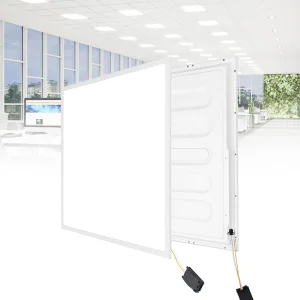
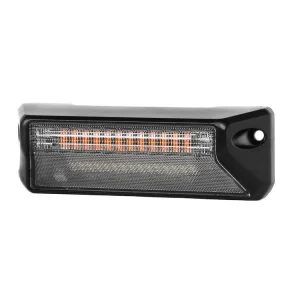
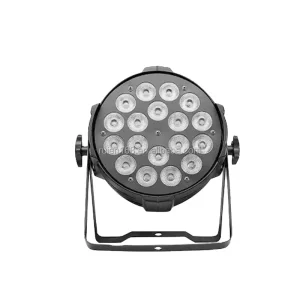
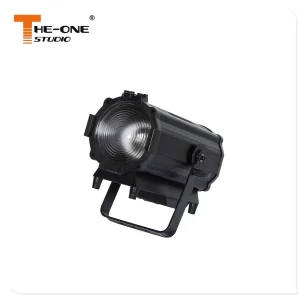
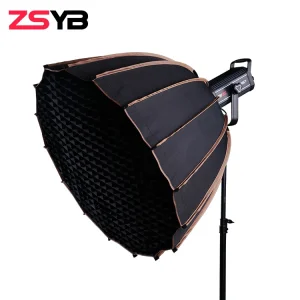
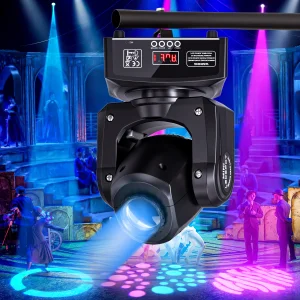
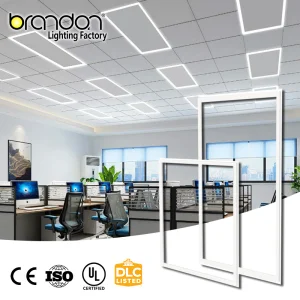
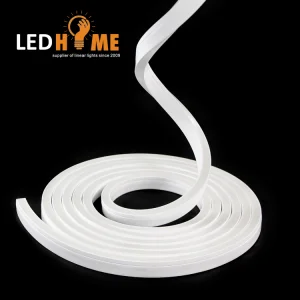
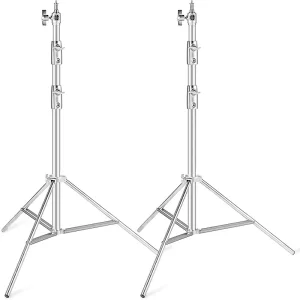
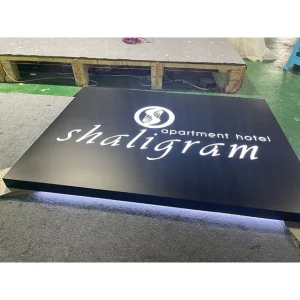
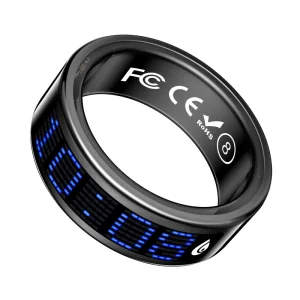
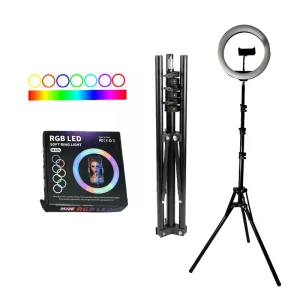
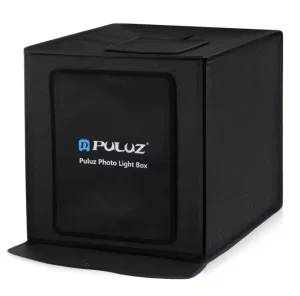
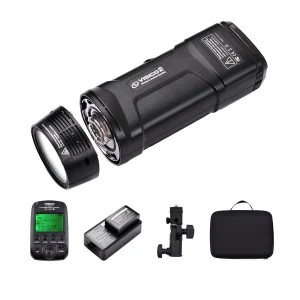
Below are eight products from our broader stage, studio, installation and utility lighting range. Each product URL is preserved for direct navigation. For OEM/ODM projects, these fixtures can be evaluated as standalone products or adapted into a private-label program with project-specific optics, mechanics, firmware, labeling and packaging.
Buyers shortlisting a stage light manufacturer usually evaluate the same fundamentals: operating history, export reach, distribution depth, bulk quality, inspection discipline and documented control. These signals matter because stage lighting is a specification-heavy category with safety, optical, thermal, control and after-sales implications.
For OEM/ODM buyers, a supplier profile is only useful when it explains how the company actually supports product delivery. Alterra Lighting’s operating history, distribution base and production discipline are the foundation for our stage, studio and installation lighting programs.
Zhongshan Alterra Lighting Co., Ltd. was established in 2020, specializing in the research, development, production, and sales of photographic lighting equipment. After years of dedicated development, the company has earned a strong reputation in the industry and established long-term, stable partnerships with distributors across 12 provinces in China. The company has also successfully expanded into international markets, with products exported to 122 countries, becoming one of the most recognized brands in the global photographic lighting industry.
Looking ahead, Alterra Lighting will continue to uphold the core values of “innovation, quality, and service,” and remain committed to providing high-quality lighting solutions for global users of photographic equipment, contributing to the advancement of the industry.
Manufacturing perspective: Stage light OEM/ODM is not only a branding exercise. A reliable supplier must translate photometric targets, control protocols, thermal limits, mechanical tolerances, installation environments and compliance requirements into a repeatable bill of materials. That is why our production, inspection and R&D structures are presented as practical procurement evidence rather than general marketing claims.
Stage lighting is no longer a peripheral accessory. It is part of the infrastructure that turns venues into repeatable experiences, from touring productions and broadcast studios to houses of worship, nightlife venues, museums and corporate events. The category now combines optical engineering, LED thermal management, embedded firmware, networking, compliance documentation and after-sales parts management.
In commercial terms, demand is diversified across rental and production companies, fixed installation contractors, system integrators, content creators, retail and exhibition teams, and public institutions. In industrial terms, the supply chain includes LED engines, lenses and reflectors, die-cast and sheet-metal housings, drivers, control boards, firmware, cables, rigging hardware, packaging, testing and warranty processes. The strongest OEM/ODM stage light manufacturers and suppliers are therefore evaluated less on a single fixture and more on their ability to control this chain consistently.
Search intent also reveals how buyers behave. A query for “OEM/ODM Stage Light Manufacturers & Supplier” may come from a distributor seeking private-label parcans, a rental house comparing Fresnel platforms, a system integrator sourcing IP-rated fixtures, or a brand owner who needs custom housings, gobos, firmware functions or packaging. Each intent requires a different proof set: engineering capability, certification support, pilot-build process, quality records, spare-parts planning and clear production communication.
Directional indicators based on manufacturer-side specification and quotation activity. They are intended to explain buyer priorities, not to represent third-party market forecasts.
Professional buyers are moving from fixture-level purchasing toward platform-level decisions. The roadmap discussion below reflects the technical and commercial questions we see from distributors, rental companies and private-label brand owners.
Optical output, color consistency and lumen maintenance remain central, but efficiency now matters because venues face energy, heat and noise constraints. High-CRI and tunable-white options are increasingly relevant to broadcast, worship and premium hospitality projects.
DMX512 remains essential, while RDM, Art-Net, sACN and wireless commissioning expand the control layer. OEM/ODM buyers should define the control profile early so firmware, connectors, menu logic and documentation match real installation workflows.
Indoor and outdoor use cases are converging in themed venues, parks, retail environments and temporary events. IP-rated housing, sealed connectors, condensation control and durable coatings become product-platform decisions, not late-stage add-ons.
Rental houses value fast rigging, road-case fit, cable management and service access. Compact battery-assisted or modular designs can improve deployment flexibility when thermal and safety margins are engineered correctly.
Broadcast, film and content studios require flicker-free dimming, consistent color temperature and optional green/magenta correction. These are not cosmetic features; they affect camera capture, editing time and on-set productivity.
Distributors and rental operators need replaceable drivers, fans, lenses and control boards. Designing for service reduces downtime and strengthens lifetime value, especially in markets where shipping a complete fixture for repair is expensive.
Certification pathways, labeling, voltage variants, safety documentation and change-notification processes are increasingly part of the supplier evaluation. A compliant stage light platform must be supported by records that match the configuration shipped.
Recyclable packaging, fewer non-serviceable assemblies, clear spare-part coding and repairable electronics are becoming practical differentiators. They support brand credibility and reduce total cost of ownership for professional users.
Localized demand rarely means the same product everywhere. Voltage, climate, installation method, control protocol, safety expectations and operator skill levels all shape how a stage light should be specified.
Road-ready housings, secure rigging, efficient service access, and predictable DMX behavior are critical. Fixtures must survive transport and deliver repeatable looks across venues.
Quiet cooling, smooth dimming, user-friendly controls and warm-to-neutral white options help volunteer operators and AV teams achieve consistent service and stage presentation.
Flicker-free operation, high color fidelity, controlled spill and precise dimming curves are central. Fresnel and soft-light platforms often require accessories such as barn doors, diffusion and grids.
RGBW color mixing, sound activation, compact form factors and fast setup support DJs, clubs, bars and event producers. Weather exposure and power quality must still be verified per venue.
Low glare, accurate color, framing accessories and architectural integration are often more important than raw output. Stage-style fixtures can merge with display lighting when beam control is carefully engineered.
Robust construction, intuitive controls, safe operation and budget discipline matter. Clear manuals and spare-part availability help institutions maintain systems over multiple years.
Localization requirements to confirm: North America commonly requires 120 V configurations, UL/ETL pathways and clear safety documentation; the EU and UK require 220–240 V options, CE/UKCA-related compliance planning and recyclability consideration; the Middle East often demands high-ambient-temperature performance, dust resistance and IP-rated designs; Australia and New Zealand require RCM-related planning and robust transport packaging; Asian markets may prioritize compact size, value engineering and service access. Final certification scope always depends on the exact product configuration and destination market.
The next stage lighting cycle will be driven less by isolated brightness claims and more by integrated performance: control stability, thermal longevity, installation flexibility, serviceability and documentation readiness.
DMX/RDM foundations become more robust, while Art-Net, sACN and wireless commissioning support more complex installations. Buyer intent shifts toward protocol compatibility and firmware maintainability.
Hybrid indoor/outdoor platforms gain traction in attractions, hospitality and event spaces. Sealed optics, thermal derating and connector reliability become core engineering priorities.
Sensor-assisted setup, predictive thermal monitoring and service analytics can help rental fleets and large venues reduce downtime. The opportunity is practical maintenance insight, not technology for its own sake.
Design for repair, standardized spare parts, recyclable packaging and traceable material choices will strengthen lifecycle value. Brands that can document these practices will be better positioned in professional tenders.
Future-proof procurement checklist: define target markets and certification scope before tooling; lock optical, thermal and firmware assumptions before industrial design; design for service access and spare-part coding; validate with a pilot build and a reliability test plan appropriate to the product; and require change-notification documentation for mass production. These steps reduce hidden costs and improve OEM/ODM launch reliability.
For distributors, brands and integrators, a successful OEM/ODM stage light program depends on disciplined stage gates. The model below keeps engineering, compliance and production aligned from the first brief to repeat orders.
Define intended applications, target markets, voltage, control protocol, IP rating, optical targets, noise limits, branding, packaging and expected order profile.
Match LED engines, lenses and reflectors to beam requirements, then validate thermal paths, housing structure, mounting, service access and industrial design.
Develop driver integration, DMX/RDM logic, menu behavior, dimming curves, wireless options and protection features to suit real operator workflows.
Plan safety, EMC and market-specific documentation pathways. Labeling, warnings, packaging marks and manuals must match the final configuration.
Run pilot units through functional checks, aging where applicable, packing review and user-interface evaluation before committing to bulk production.
Apply incoming, in-process and final quality controls, maintain batch traceability, and confirm logistics and after-sales spare-part plans before shipment.
ISO 9001 & TÜV Certified | Industry-Compliant Operations
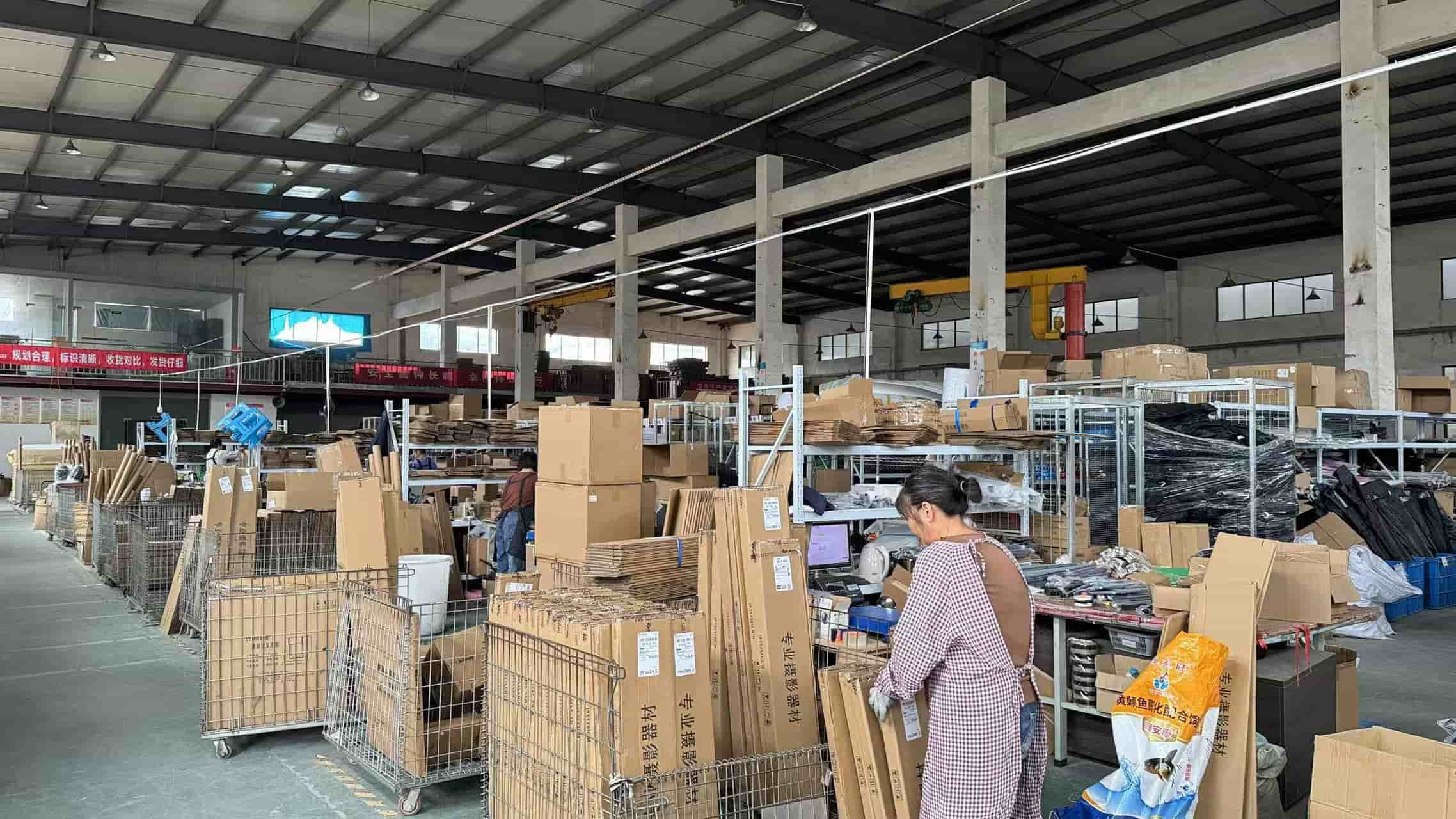
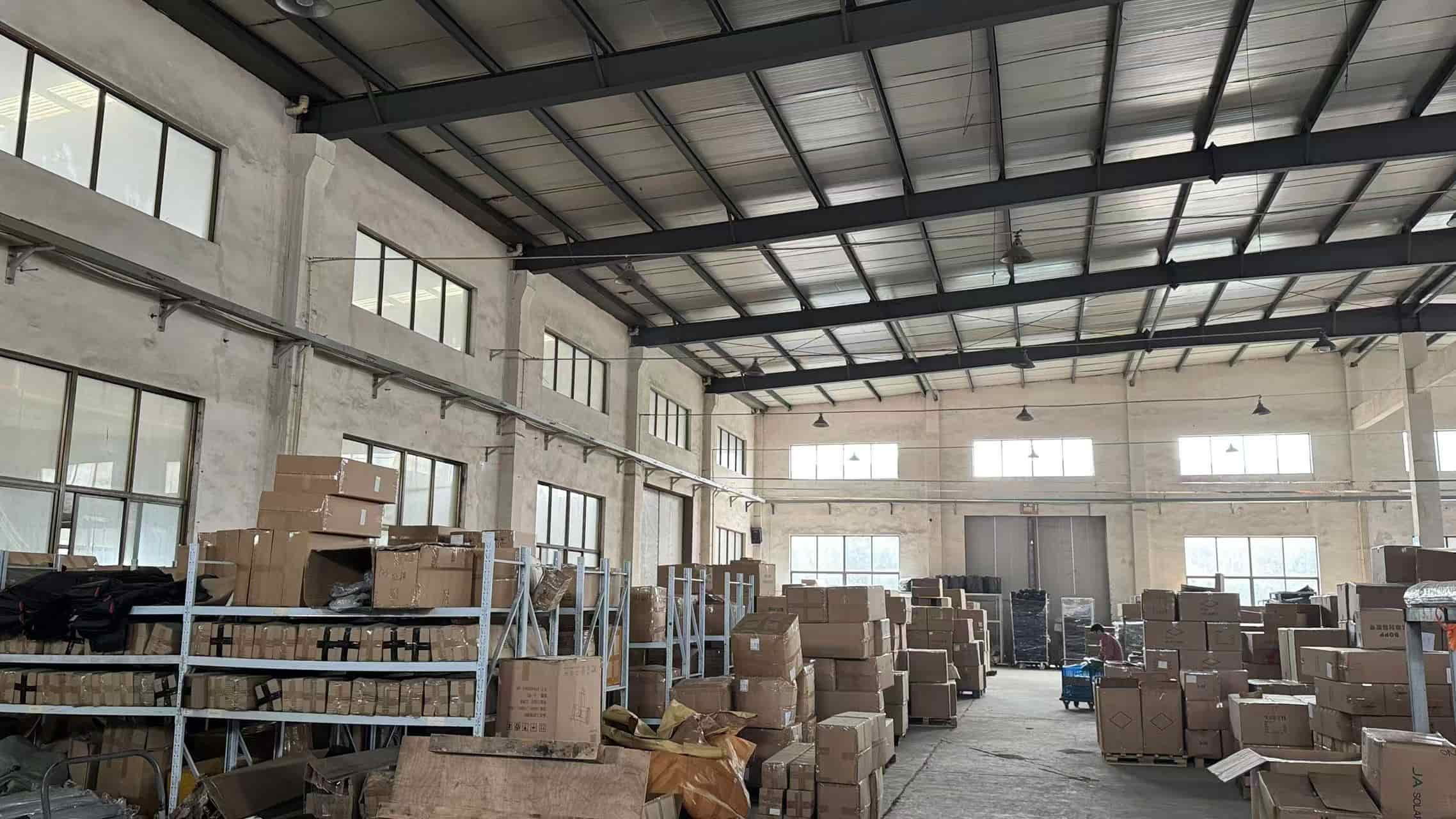
With a clean, well-organized production environment and high employee satisfaction, we ensure efficient and stable manufacturing output. Every finished product is fully traceable, guaranteeing reliable quality control and assurance.
For stage light OEM/ODM programs, capacity is not simply an output number. It is the ability to maintain repeatable assembly quality, manage material changes, keep fixtures traceable by batch, and protect delivery timelines as specifications evolve. Our production environment is organized around stable process execution and clear material accountability, which supports both prototype validation and volume orders.
Every finished product undergoes a minimum of six strict inspection processes before delivery, ensuring a bulk order pass rate of 98.6%.
All quality control stages—including IQC (Incoming Quality Control), IPQC (In-Process Quality Control), and FQC (Final Quality Control)—are implemented under standardized operating procedures to ensure consistent product reliability.
Where a stage lighting product requires additional controls, the inspection plan can be extended to cover electrical safety checks, functional burn-in, DMX channel verification, color consistency review, accessory completeness, label accuracy and packaging protection. The exact test plan is matched to product type, market requirements and order scope.
Our warehouses operate under strict 6S management standards (Sort, Set in order, Shine, Standardize, Sustain, Safety), supported by regular cross-departmental audits.
Our dedicated R&D team combines strong engineering expertise with market-oriented innovation.
We focus on developing high-performance and cost-optimized lighting solutions that:

Cloth Cutting
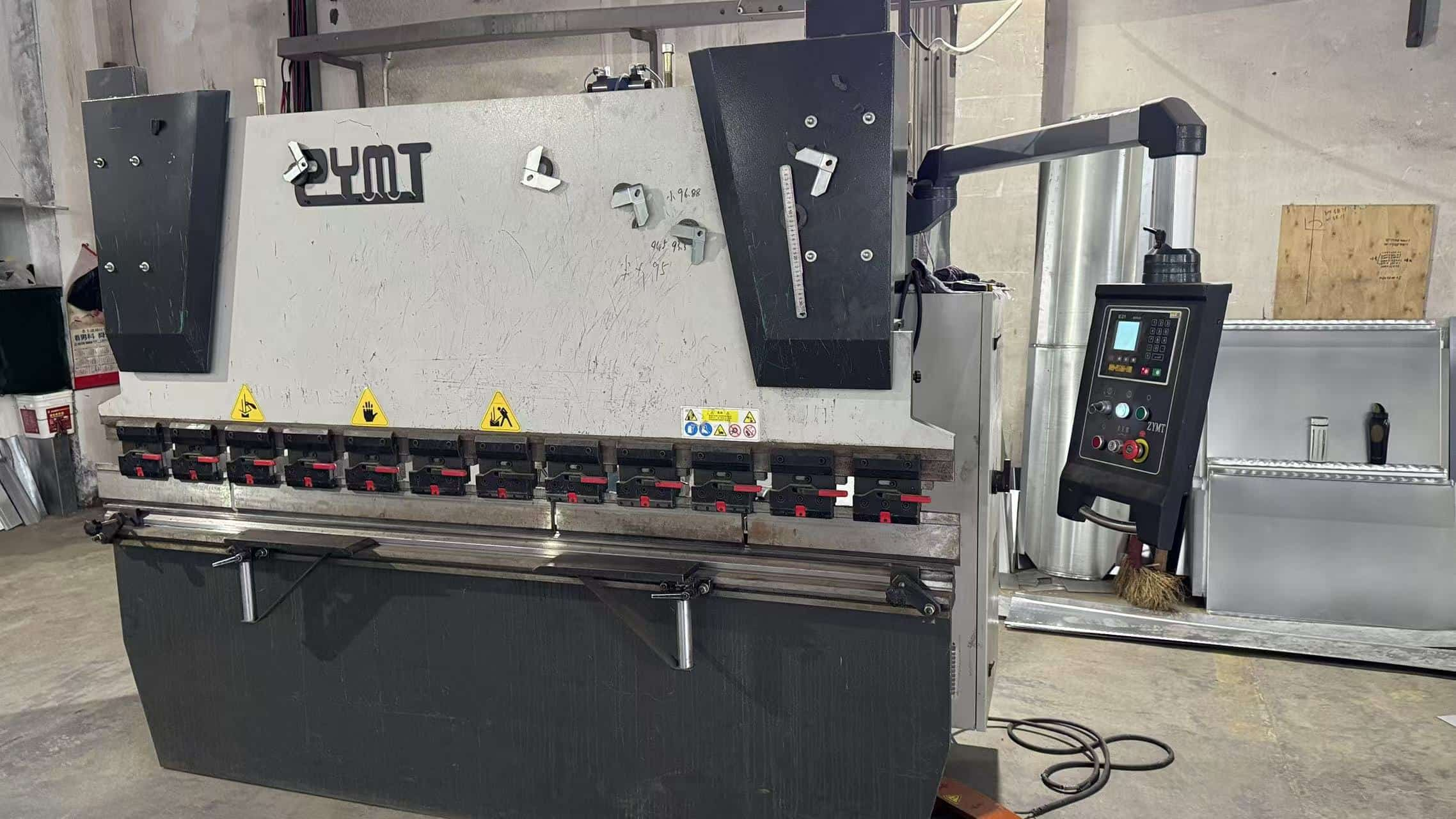
Bending
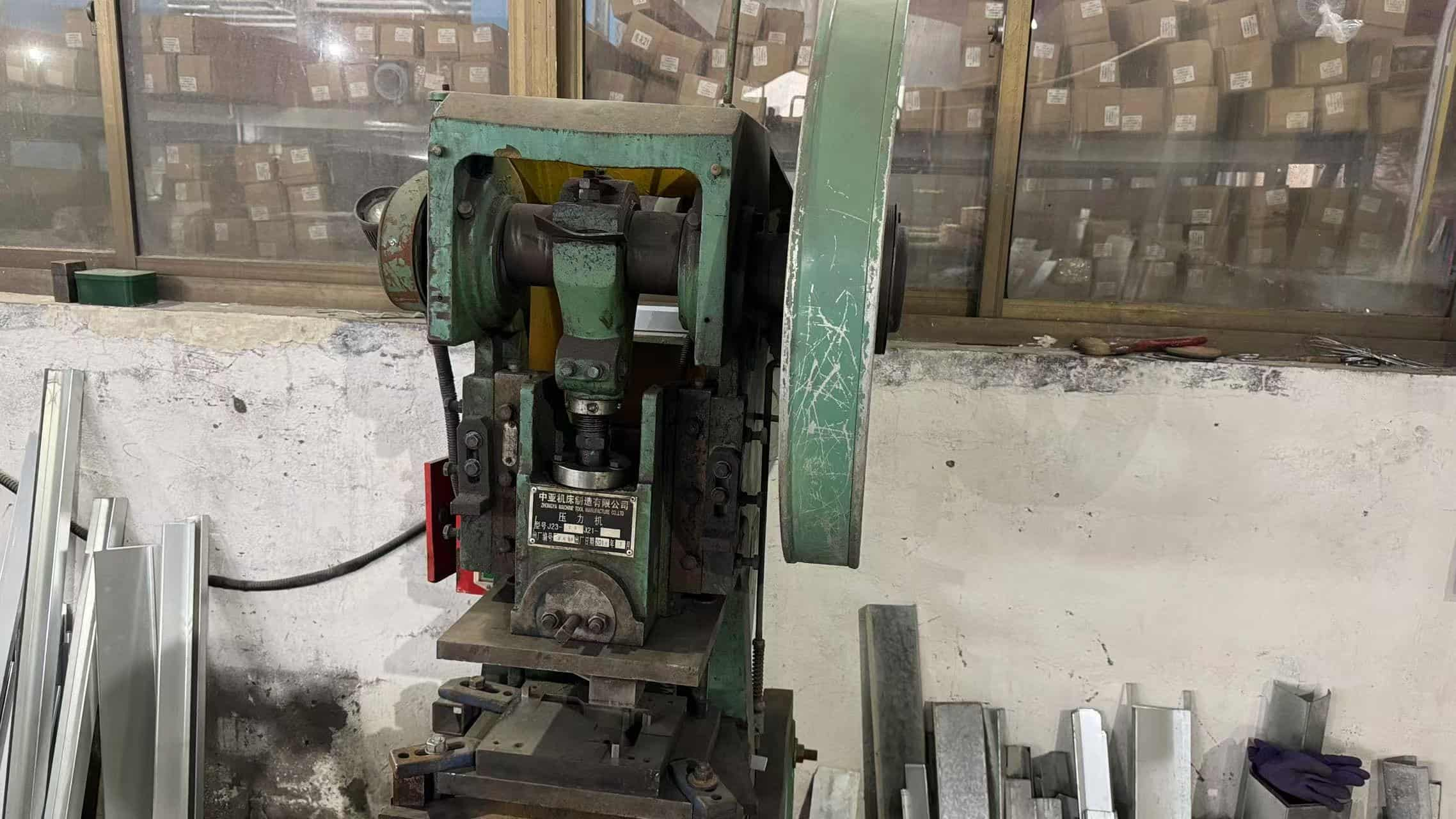
Punching
Assembly
Packed Products
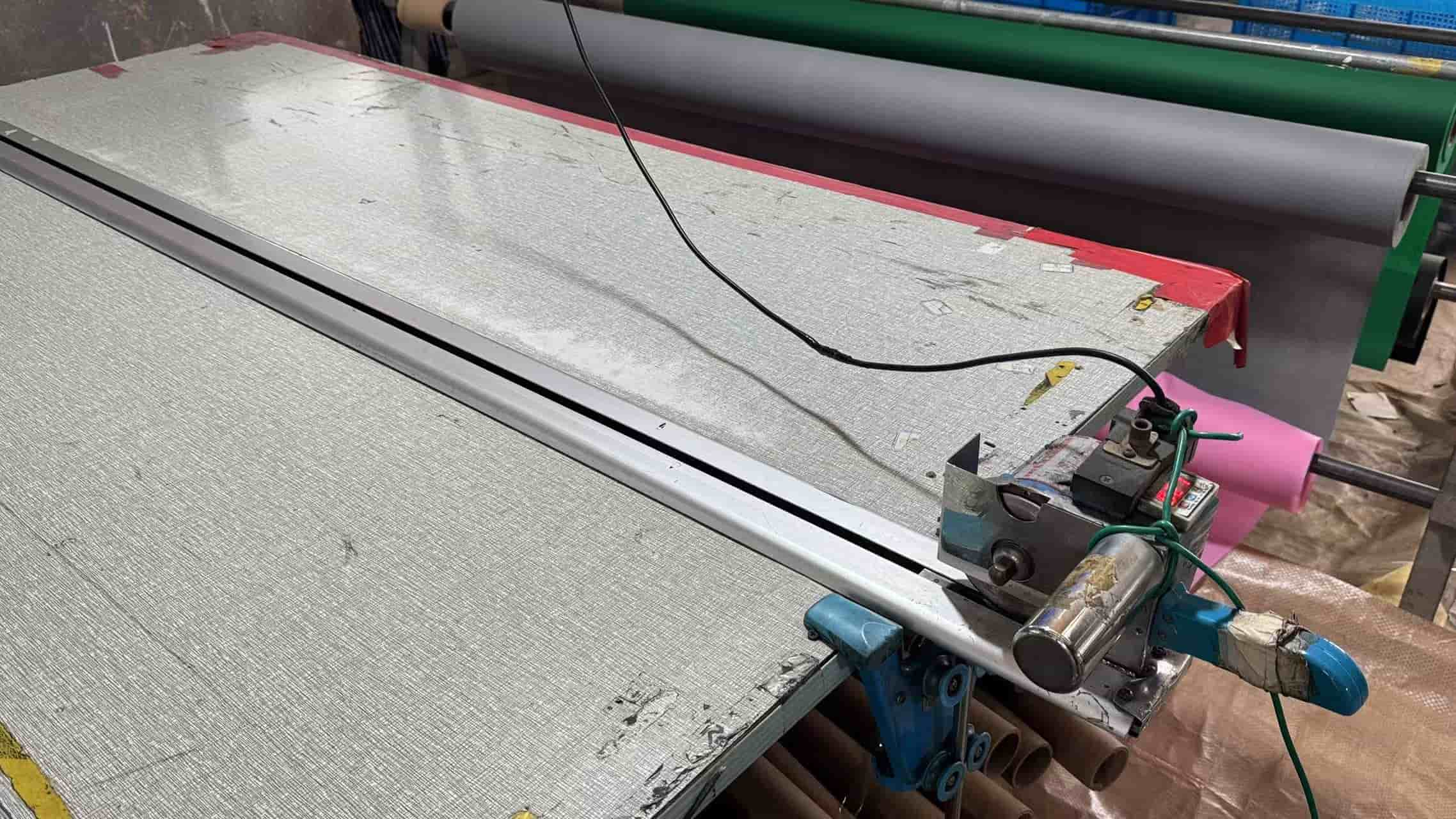
Cutting Machine
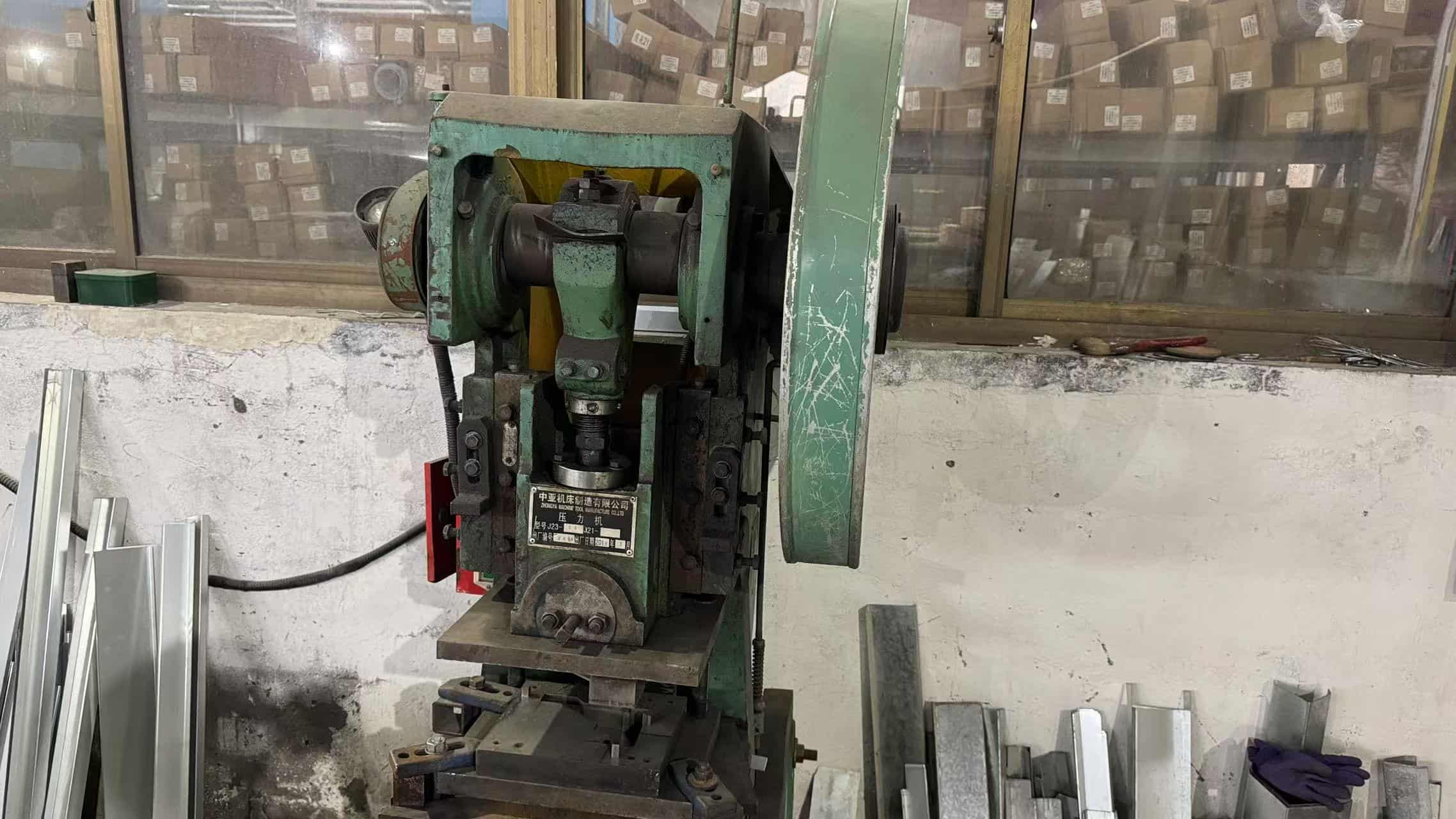
Punching Machine
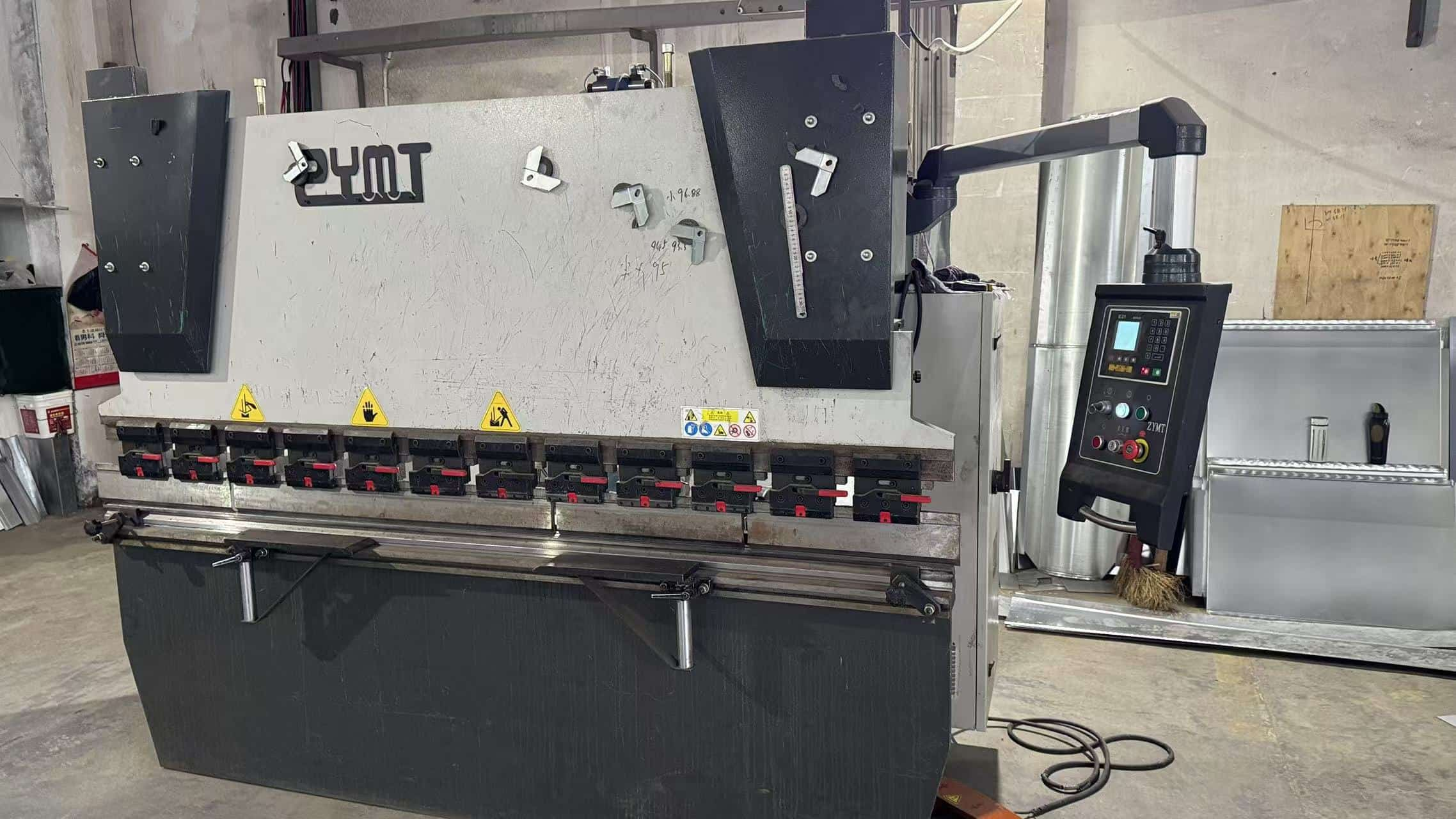
Bending Machine
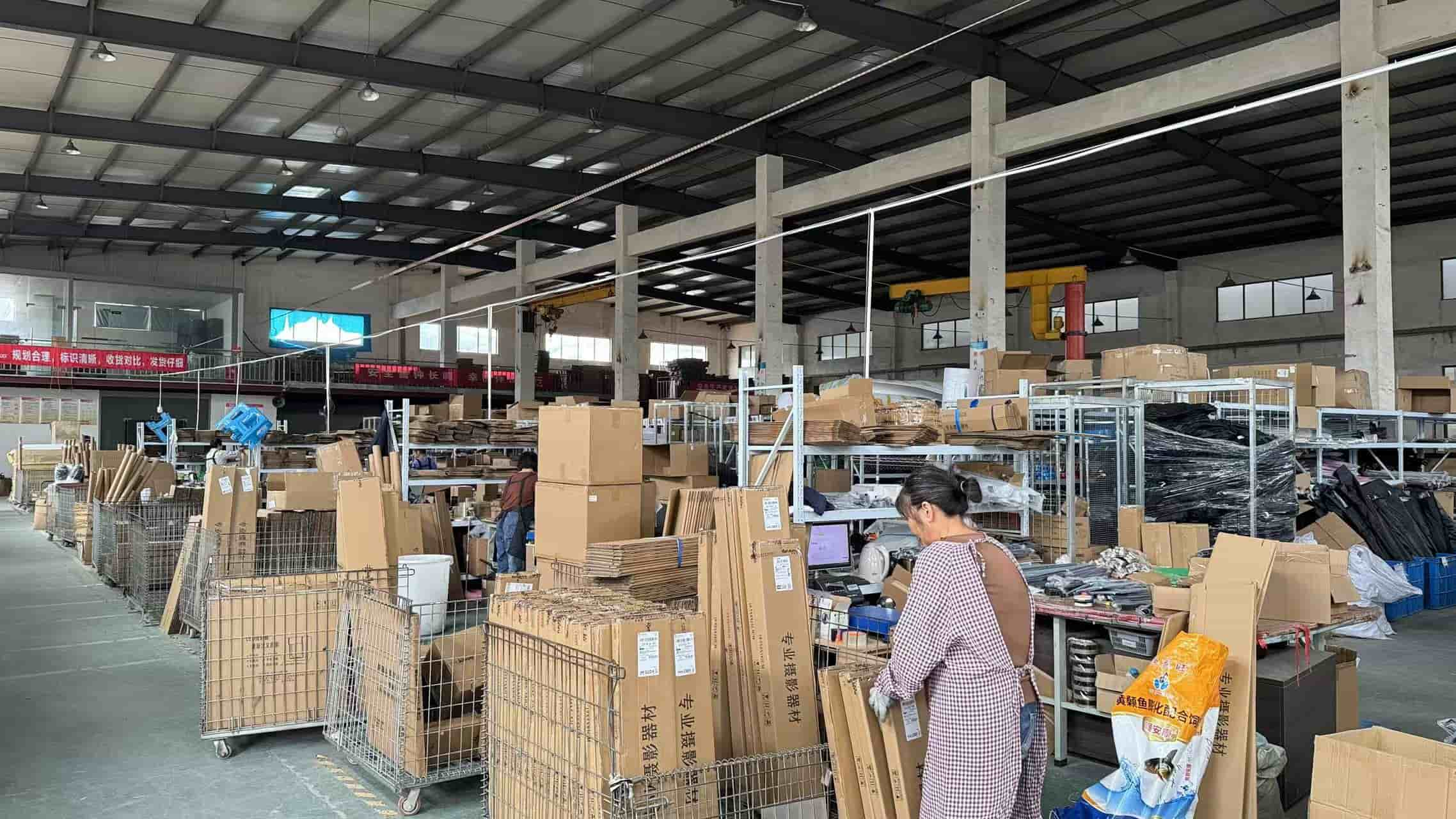
Assembly Line
These answers address common buyer intents behind searches for OEM/ODM stage light manufacturers, private-label stage lighting suppliers and custom professional lighting production partners.
An OEM manufacturer builds lighting products to a buyer’s specification, branding and packaging requirements. An ODM partner typically offers an existing platform that can be adapted through mechanical, optical, electronic, firmware, labeling and packaging changes. The practical difference lies in how much original design responsibility the supplier carries.
Yes, subject to platform suitability and order scope. Typical customizations include housing color and branding, control menu behavior, DMX channel mapping, output and color options, connectors, accessories, user manuals and retail-ready packaging. Safety and compliance implications should be reviewed before final approval.
Compliance planning starts with the destination market and final configuration. Voltage, plug type, insulation, labeling, warnings, EMC behavior and documentation can all affect the approval pathway. Buyers should confirm whether the requirement is UL/ETL, CE/UKCA, RCM or another market-specific route and who owns the certification file.
Verify the supplier’s production traceability, incoming and final inspection process, component sourcing discipline, change-notification practice, packaging protection and spare-part availability. Also confirm the exact optical, thermal and control performance through a pilot build or pre-production sample.
Finished products undergo a minimum of six strict inspection processes before delivery, ensuring a bulk order pass rate of 98.6%. The exact plan can include incoming quality control, in-process quality control, final quality control, functional verification, label checks and packaging review, depending on the product and market.
Localization can be discussed during specification review. Typical variables include voltage range, plug and connector type, language for manuals and labels, control protocol compatibility, packaging marks and market-specific compliance documentation. Final support depends on technical feasibility and order requirements.
This balance is addressed at platform level. LED selection, optics, driver design, heatsink geometry, fan strategy and firmware power limits must be validated together. For worship, broadcast and studio use, acoustic performance and flicker behavior may be as important as maximum output.
Alterra Lighting combines a Zhongshan manufacturing base, ISO 9001 and TÜV-certified operations, export experience across 122 countries, a 12-province distributor network in China, a documented quality process and dedicated R&D support for customization and OEM/ODM requirements. Buyers can evaluate the company through product platforms, production traceability and inspection discipline.
This second portfolio set completes the listed product range. It includes installation lighting, flexible architectural lighting, photography support equipment, advertising light boxes, smart accessories and studio flash tools that can complement broader OEM/ODM lighting programs.
 Alterra Lighting