High-luminous efficacy modules and industrial components designed for demanding OEM installations.
Exploring structural advantages, thermodynamic efficiencies, and next-generation spectral fidelity.
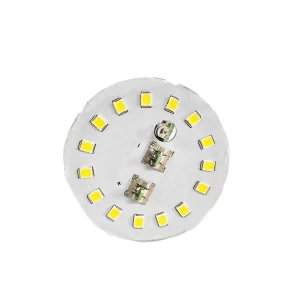
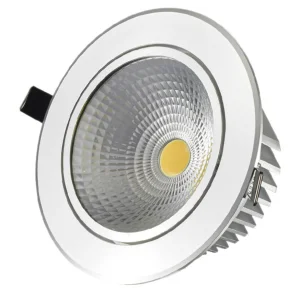
The optoelectronic industry is experiencing a profound transition from Surface Mounted Device (SMD) architectures to Chip-on-Board (COB) integration. COB technology represents a packaging method where multiple LED bare dies are mounted directly onto a thermally conductive substrate, such as metal core printed circuit boards (MCPCBs) or ceramic carriers, forming a unified, contiguous light-emitting array. By eliminating intermediate packaging layers and lead frames, COB LEDs achieve a dramatically reduced thermal resistance path. This architectural advantage allows for higher heat dissipation efficiency, enabling chips to operate at lower junction temperatures, which extends the operating life of the light-emitting system.
"Unlike traditional SMD packages, which suffer from spatial pixelation and glare artifacts, COB arrays produce a uniform, shadow-free, and high-density luminous flux. This output profile makes COB the preferred technology for professional cinematography, medical lighting, architectural spotlights, and precise optical instrumentation."
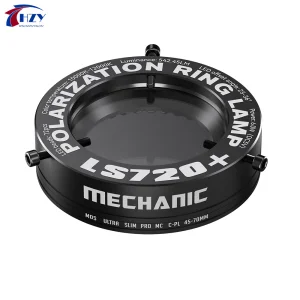
Global B2B procurement strategies are increasingly focusing on the thermodynamic and optical stability of COB components. For industrial applications, the primary metrics used to assess performance are Color Rendering Index (CRI, particularly the R9 red spectrum component), Television Lighting Consistency Index (TLCI), and MacAdam Ellipse steps (SDCM). Advanced COB packages utilize multi-phosphor formulations to reach CRI values above 95 and TLCI scores exceeding 98. This level of color performance is critical for high-fidelity applications like film production, retail merchandising, and electronics manufacturing quality assurance.
In addition, the rise of Chip Scale Packaging (CSP) technology is converging with COB structures. This combination offers even higher lumen densities and reduced physical footprints, allowing designers to create compact optical systems with tight beam angles. By implementing precise phosphor deposition at the wafer level, modern COB packages minimize color-over-angle (CoA) variations. This prevents the yellow-ring artifacts commonly seen in earlier generation solid-state lighting arrays.
Mitigating systemic risks, managing tariff variables, and evaluating manufacturing partnerships.
B2B buyers face several logistical challenges when sourcing optoelectronics globally. These include managing tariff fluctuations, navigating maritime freight volatility, and preventing quality drift across manufacturing batches. In this environment, evaluating a supplier requires checking more than just their unit cost. Buyers need to assess the manufacturer's total cost of ownership (TCO) model, engineering support capabilities, and adherence to international quality standards.
China's Pearl River Delta, particularly specialized clusters in Zhongshan and Shenzhen, remains a key hub for high-performance COB LED manufacturing. The region's dense ecosystem of raw material vendors, substrate fabricators, driver manufacturers, and optical lens molding shops allows factories to rapidly prototype and scale production. This proximity minimizes raw material lead times and enables custom OEM adjustments that would take weeks in less integrated industrial zones.
Full manufacturing traceability down to the specific wafer batch and phosphor mix, securing long-term project consistency and simplifying warranty resolutions.
Modular physical architectures and adjustable circuit designs allow engineers to configure lumen output, voltage thresholds, and spectrum distributions quickly.
Components are manufactured under ISO 9001 and TÜV certified facilities, conforming to safety and environmental standards including CE, RoHS, and UL.
For procurement managers, maintaining supply chain resilience requires balancing technical performance with risk mitigation. Partnering with vertically integrated factories that handle everything from PCB design and automated SMT placement to final assembly and spectrophotometric testing helps reduce overall risk. This structural integration limits production handoffs, lowering the likelihood of component contamination and electrostatic discharge (ESD) damage during manufacturing.
A case study in photographic lighting design, strict quality control protocols, and global supply logistics.
Established in 2020, Zhongshan Alterra Lighting Co., Ltd. specializes in the research, development, production, and sales of high-end photographic lighting equipment and integrated COB LED systems. The company has built a strong presence in the domestic market, establishing distribution networks across 12 provinces in China. Globally, Alterra has expanded its distribution to 122 countries, serving B2B clients who require precise color metrics and reliable hardware.
To maintain consistent performance, Alterra uses a multi-layered quality control workflow that tests every component throughout production. The facility operates under a six-stage inspection process to achieve a bulk order pass rate of 98.6%.
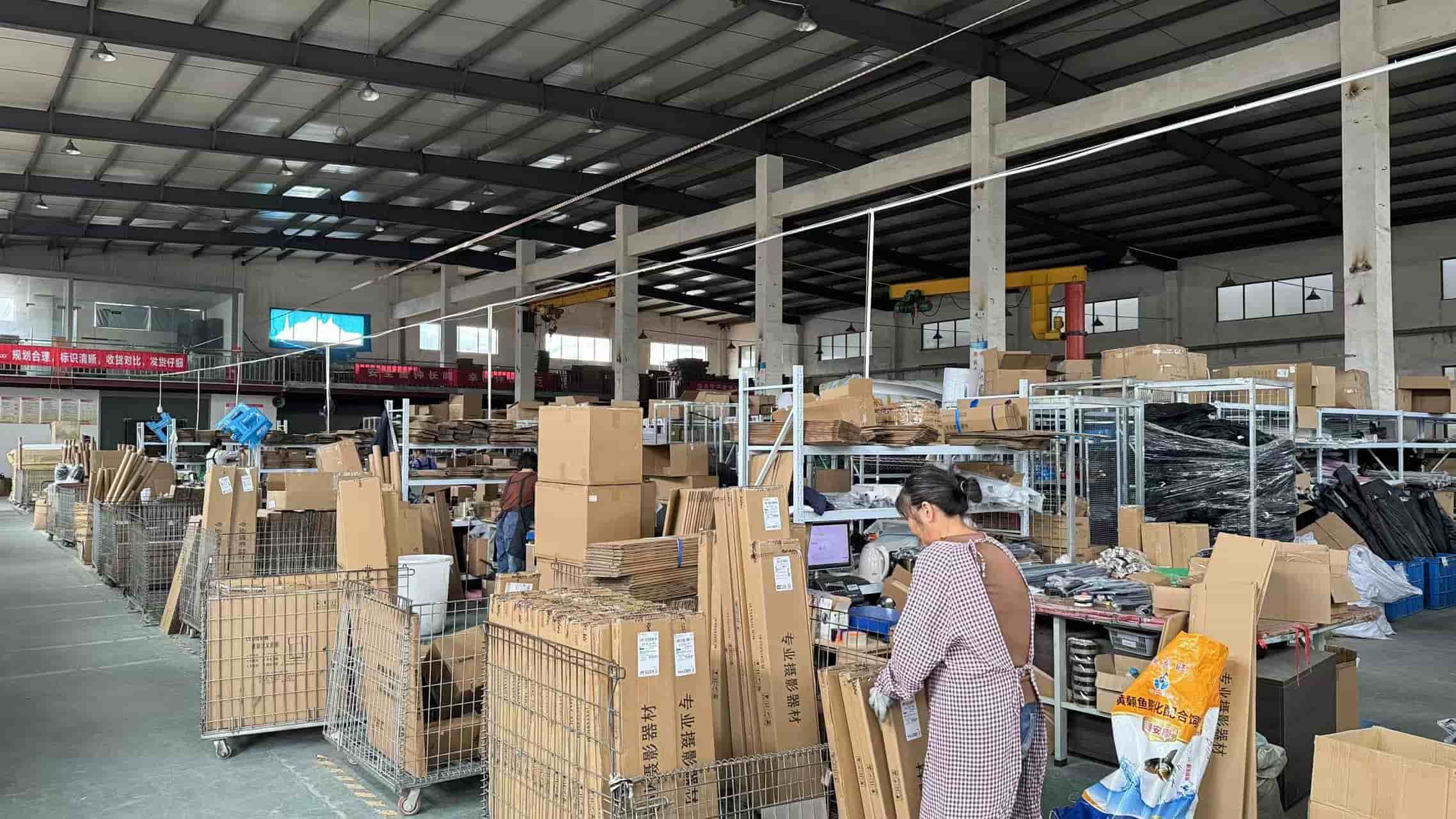
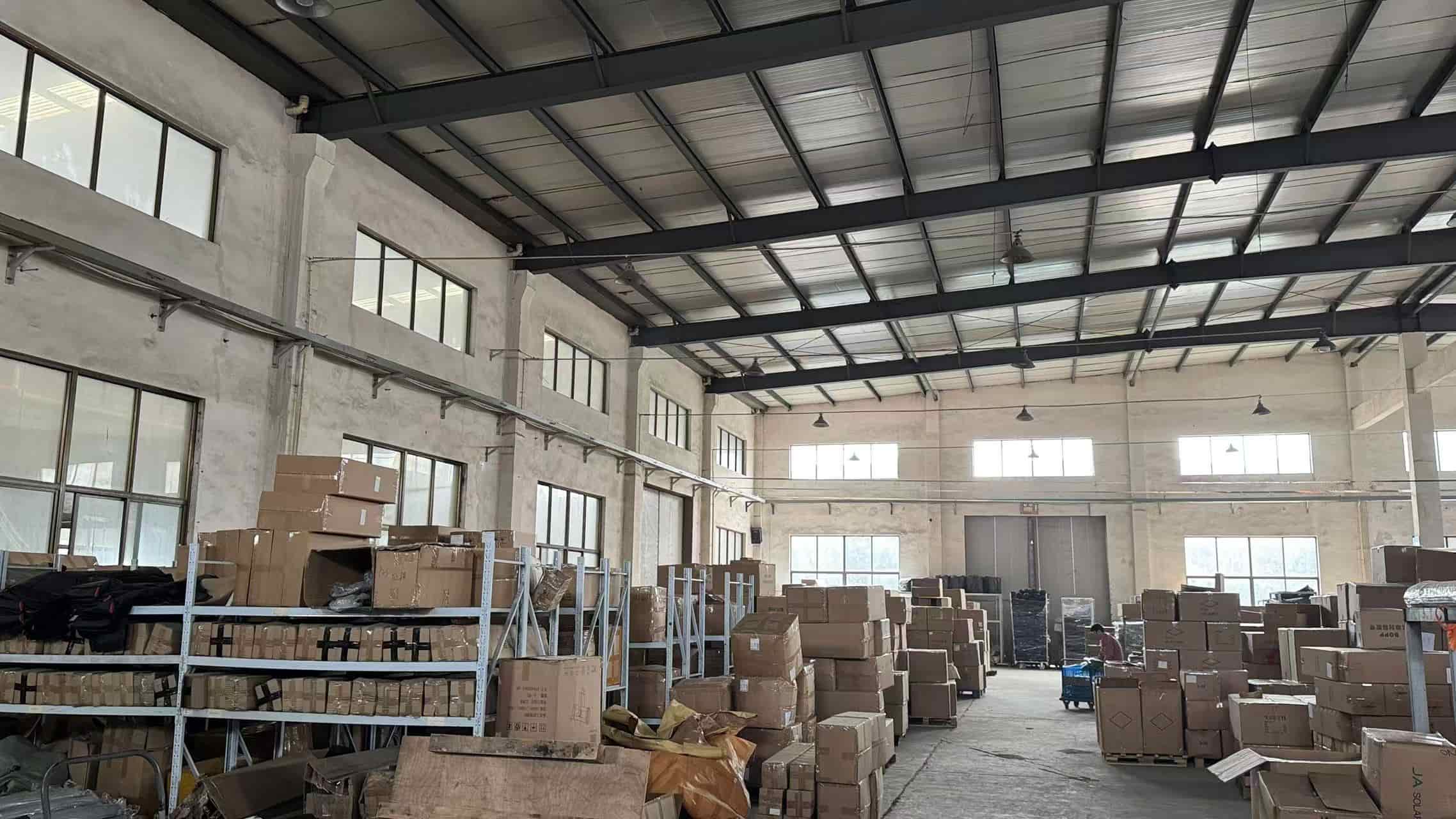
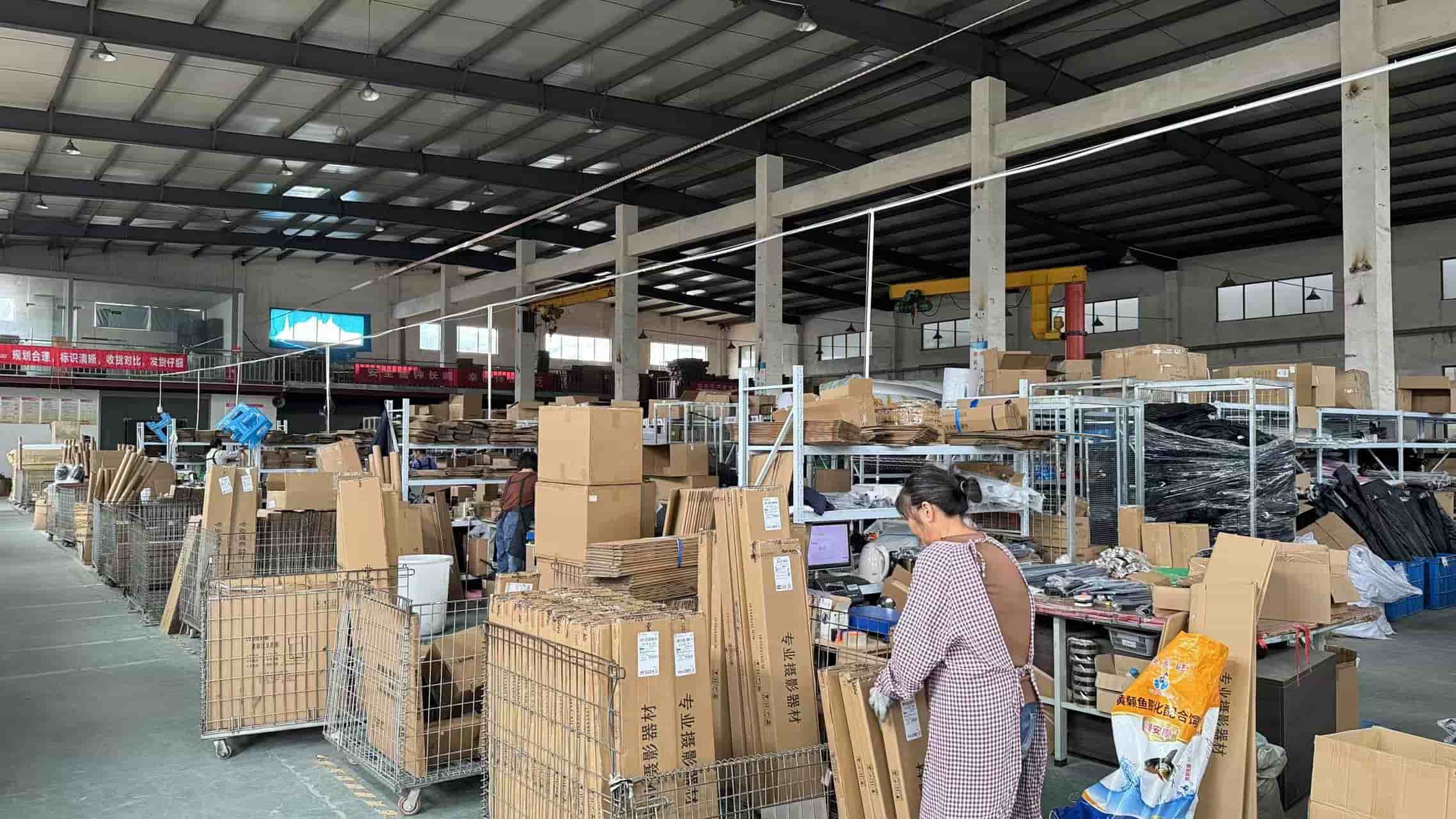
Alterra’s warehouse operations follow strict 6S management methodologies (Sort, Set in order, Shine, Standardize, Sustain, Safety). These guidelines help maintain accurate inventory records and protect components from environmental degradation. Storage areas feature real-time temperature and humidity controls to protect moisture-sensitive optoelectronic materials. In addition, regular cross-departmental audits are conducted to maintain organized storage systems and support efficient logistics management for international shipments.
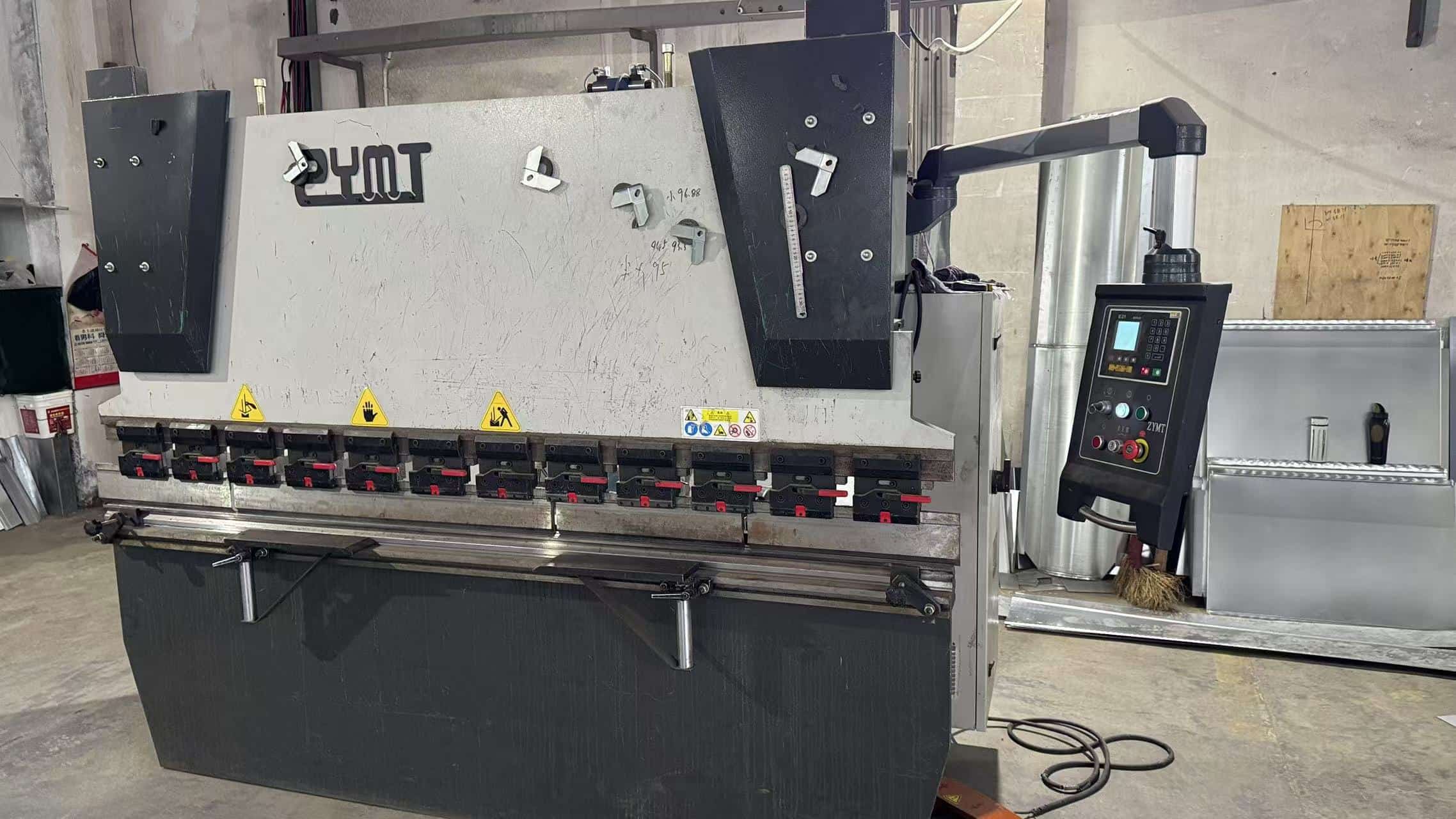
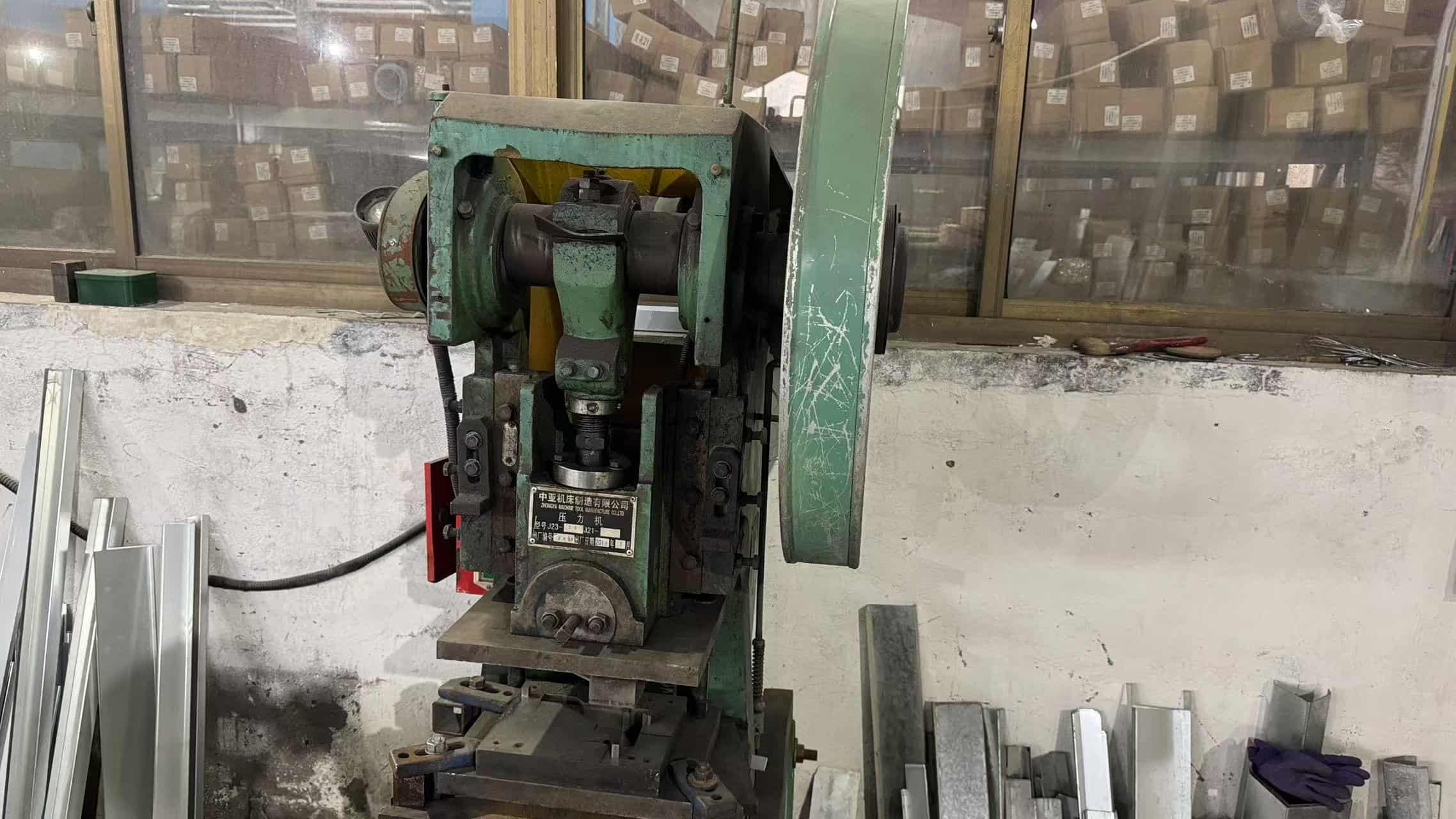
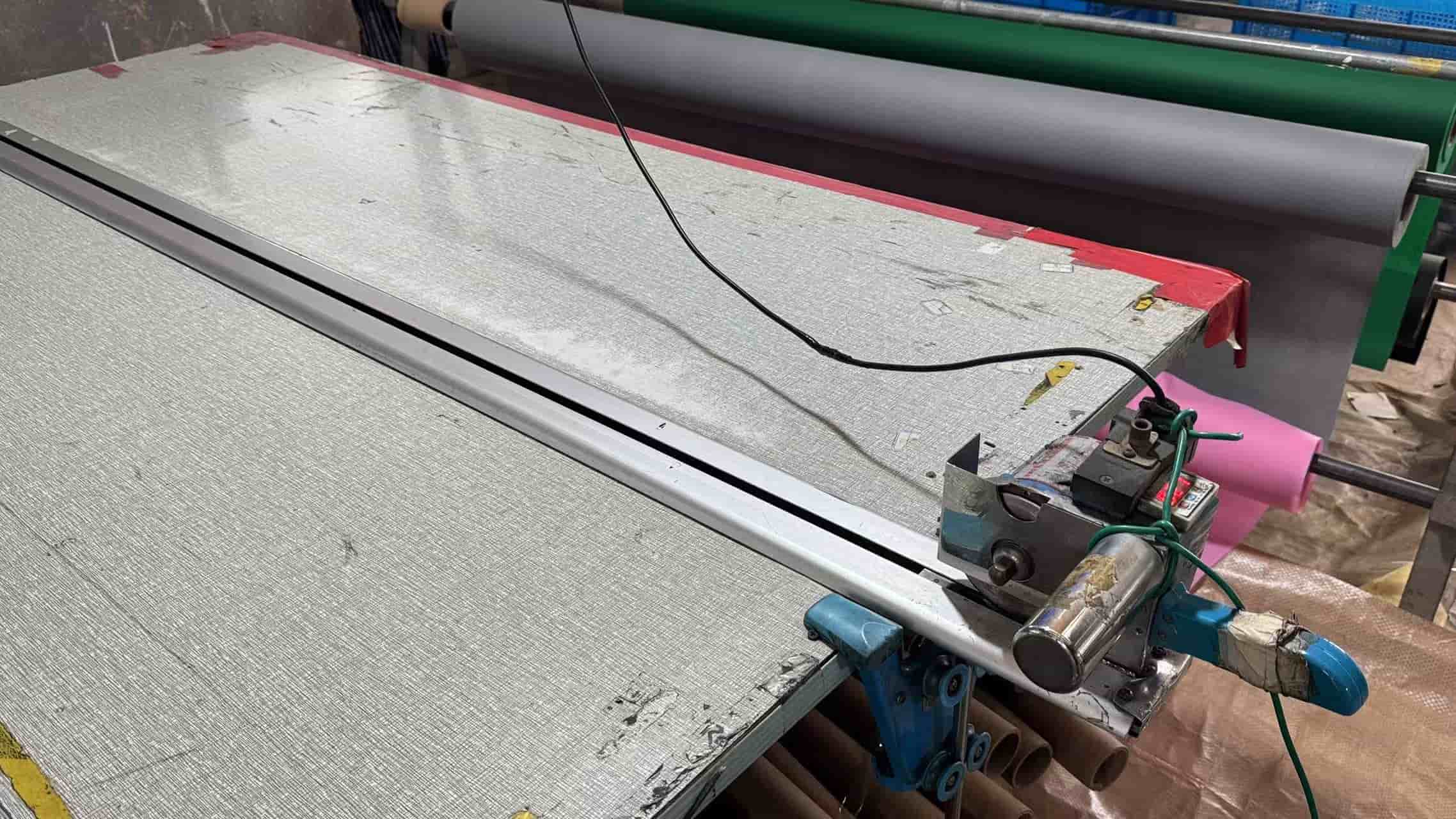
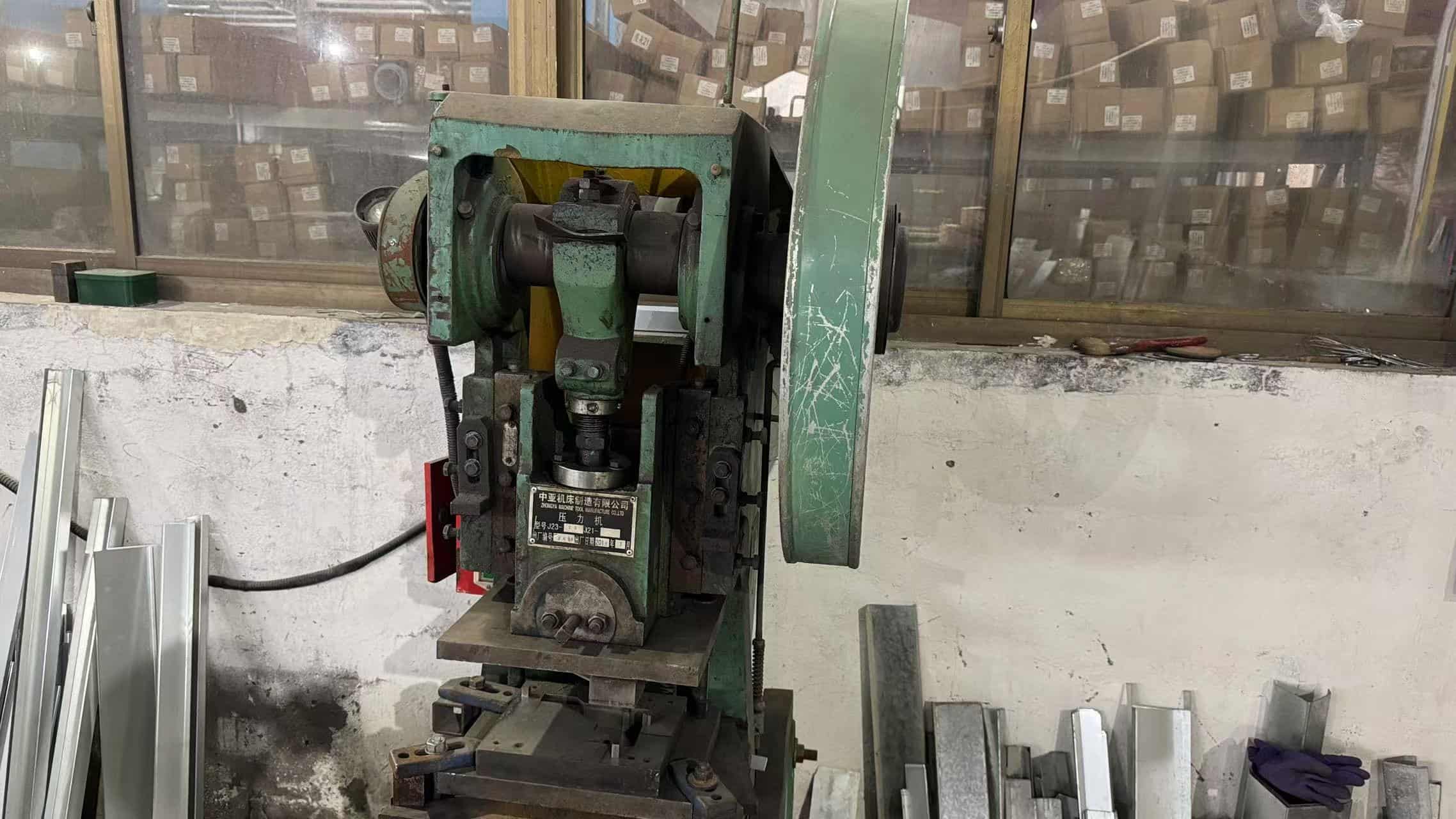
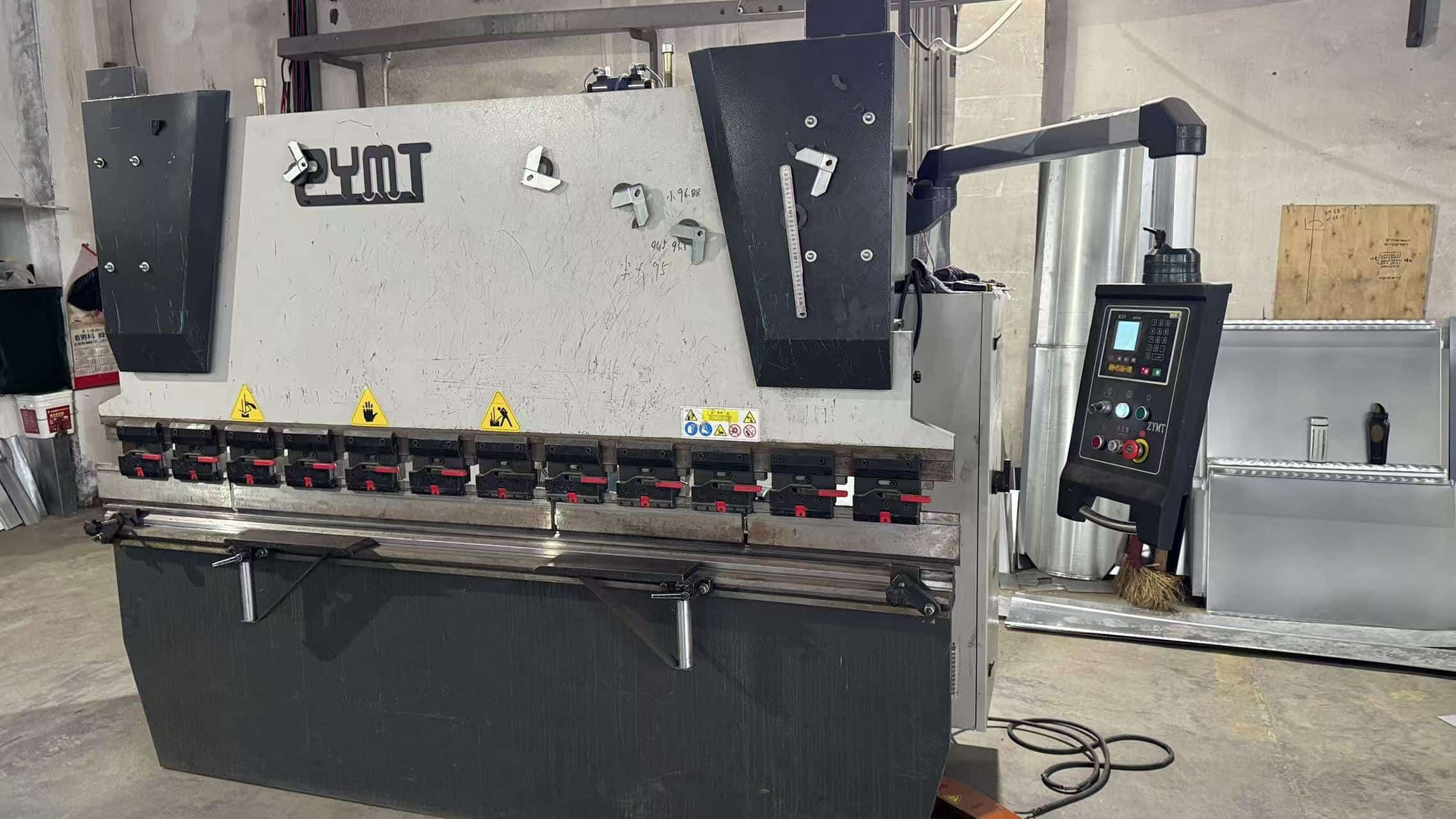
Verifying manufacturing steps, heavy machinery configurations, and final packaging protocols.

Analyzing optical demands across diverse commercial, medical, and stage environments.
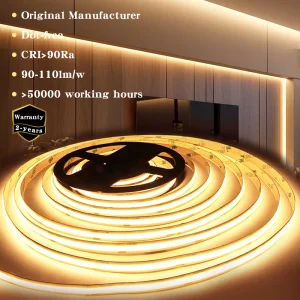
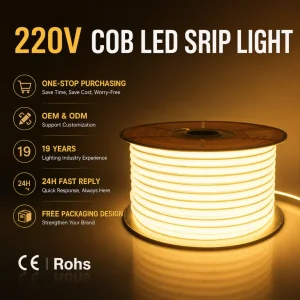
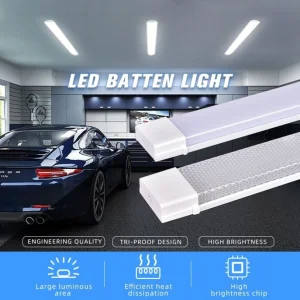
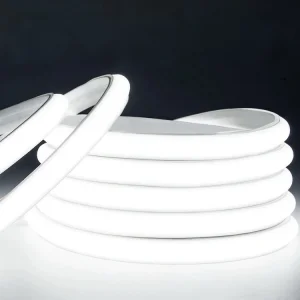
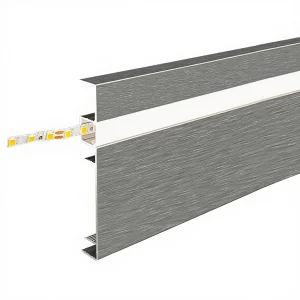
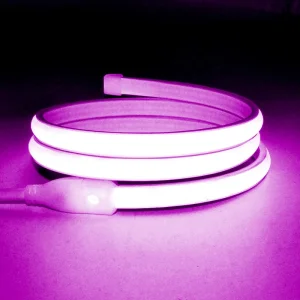
High-density COB LED arrays are designed for versatile performance across a wide range of commercial and industrial applications. In architectural lighting, these systems are frequently used to create seamless, linear light profiles in offices, hotels, and retail spaces. By integrating COB strip lighting into wall-mounted skirtings or trimless recessed channels, design teams can achieve continuous light distribution without visible pixelation.
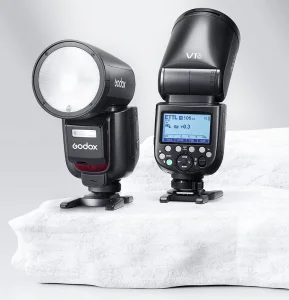
In professional photography and cinematography, lighting systems must meet strict spectral standards. Traditional LEDs can cause banding during high-speed video recording due to flickering drivers, and they may skew skin tones if their CRI is insufficient. To address this, modern camera flash equipment and continuous light fixtures utilize COB chips with high TLCI metrics and advanced driver circuits. These components prevent flickering, even at high shutter speeds, and provide accurate color rendition across the spectrum.
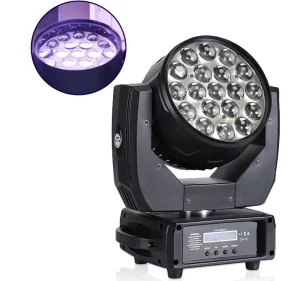
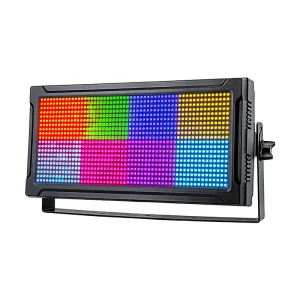
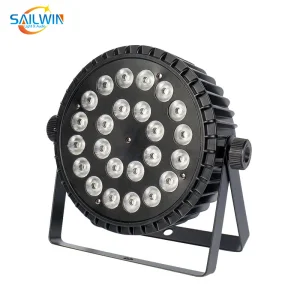
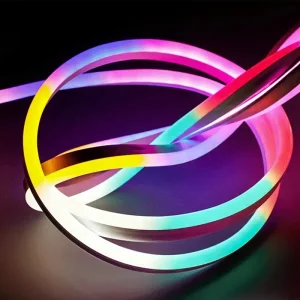
For stage, theatrical, and entertainment lighting, high-power COB modules offer the thermal stability needed for continuous operation. Dynamic spotlights, zoom wash fixtures, and high-intensity strobe units rely on robust heat dissipation to prevent color shifts during extended events. This durability is essential for venues like clubs, theaters, and television studios that require reliable, long-term performance.
High-luminous efficacy modules and industrial components designed for demanding OEM installations.
Answers to common B2B technical queries regarding COB LED technology, production standards, and ordering processes.
 Alterra Lighting