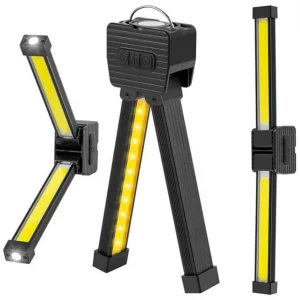
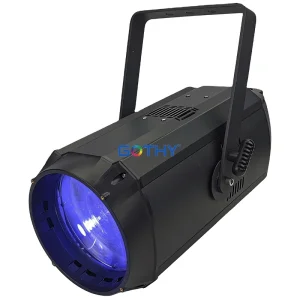
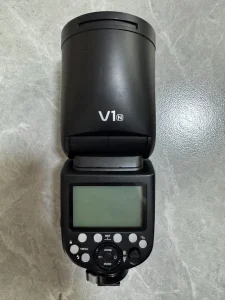
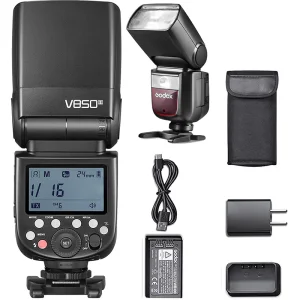
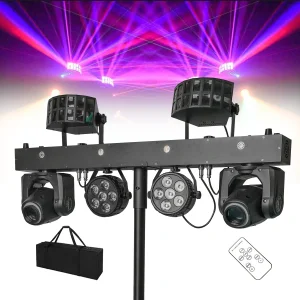
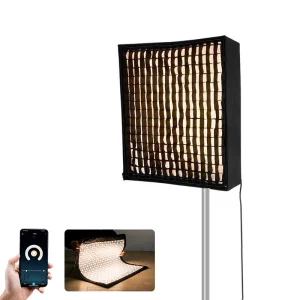
Explore our premium range of commercial and studio architectural lighting hardware, calibrated for strict optical precision.
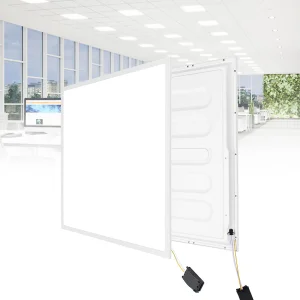
In modern architectural design and industrial facilities management, the demand for highly efficient, glare-free, and sleek lighting fixtures has skyrocketed. Edge-lit LED panels have emerged as the gold standard for high-end office spaces, healthcare institutions, cleanrooms, and commercial interiors. Unlike direct-lit configurations, which can produce harsh point sources and shadows, edge-lit technology embeds LEDs around the perimeter of the frame. The emitted light is directed inward into a laser-etched light guide plate (LGP), which uses total internal reflection to distribute light uniformly downward across the diffuser surface.
This optical engineering translates to an ultra-thin profile—often less than 10mm deep—making them ideal for shallow plenum ceilings. The market is driven by strict building codes such as Title 24 in California and the EU's Ecodesign Directive, which demand not only higher lumens-per-watt efficiency but also visual comfort represented by a low Unified Glare Rating (UGR < 19). For enterprise procurement divisions, choosing the right edge-lit panel involves assessing component longevity, particularly the materials of the LGP (PMMA vs. MS or PS) to prevent yellowing over long-term operations.
The core component that dictates the lifespan and color consistency of an edge-lit panel is the LGP. High-end Chinese manufacturers, like Alterra Lighting, focus heavily on utilizing PMMA (Polymethyl Methacrylate) LGPs. PMMA offers superior light transmission (up to 92%) and structural stability. Crucially, it possesses exceptional resistance to UV-induced degradation. Cheap alternatives using PS (Polystyrene) or MS (Methyl Methacrylate-styrene) tend to degrade and turn yellow within 12 to 18 months of continuous use, severely reducing light output and altering color rendering. Understanding these material science nuances is what separates a tier-one supplier from low-cost market alternatives.
Bridging global vision with robust manufacturing capabilities to deliver high-fidelity lighting instruments.
Zhongshan Alterra Lighting Co., Ltd. was established in 2020, specializing in the research, development, production, and sales of photographic lighting equipment. After years of dedicated development, the company has earned a strong reputation in the industry and established long-term, stable partnerships with distributors across 12 provinces in China. The company has also successfully expanded into international markets, with products exported to 122 countries, becoming one of the most recognized brands in the global photographic lighting industry.
Looking ahead, Alterra Lighting will continue to uphold the core values of "innovation, quality, and service," and remain committed to providing high-quality lighting solutions for global users of photographic equipment, contributing to the advancement of the industry.
ISO 9001 & TÜV Certified | Industry-Compliant Operations. With a clean, well-organized production environment and high employee satisfaction, we ensure efficient and stable manufacturing output. Every finished product is fully traceable, guaranteeing reliable quality control and assurance.
How the industrial integration in Zhongshan guarantees unmatched pricing-to-quality ratios globally.
Zhongshan is the global capital of lighting manufacturing. Within a 15-kilometer radius, we can access high-purity aluminum extrusions, specialized optical diffuser sheets, and precision electrical components. This tight cluster decreases transit times and reduces lead-times for large B2B orders to a minimum.
From structural metal stamping and CNC machining to cleanroom LGP laser etching and automated SMD LED mounting, Alterra manages the entire pipeline. This vertical control ensures that quality margins are maintained at every physical transformation phase.
By purchasing high-grade materials in bulk and using semi-automated mechanical lines, we achieve significant unit-cost reductions. These savings are passed directly to international buyers in the form of competitive wholesale rates.
Every finished product undergoes a minimum of six strict inspection processes before delivery, ensuring a bulk order pass rate of 98.6%.
All quality control stages—including IQC (Incoming Quality Control), IPQC (In-Process Quality Control), and FQC (Final Quality Control)—are implemented under standardized operating procedures to ensure consistent product reliability.
Every batch of LEDs, drivers, aluminum profiles, and LGPs is verified for color temperature tolerance, thermal performance, and dimensional accuracy before entering the assembly floor.
During the manufacturing phases, technicians run real-time tests on board soldering, electrical resistance, and frame thermal contact, detecting defects before encapsulation.
Before dispatch, all fixtures undergo aging tests (at elevated temperatures for up to 48 hours) to detect early-life failures. Photometric profiles are analyzed via integrating spheres.
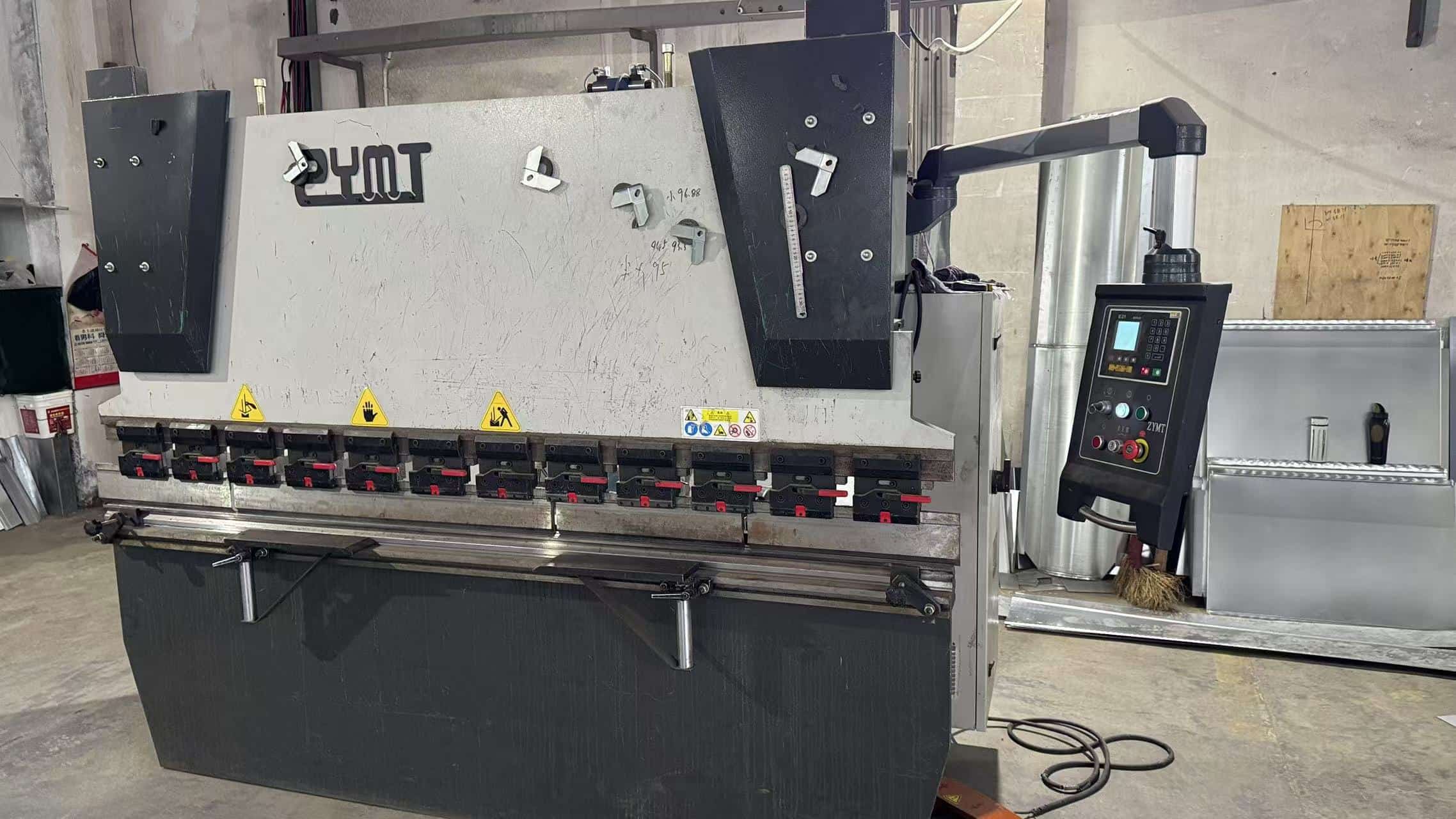
Direct view into our ISO 9001 factory floor, showcasing machinery and processing capabilities.

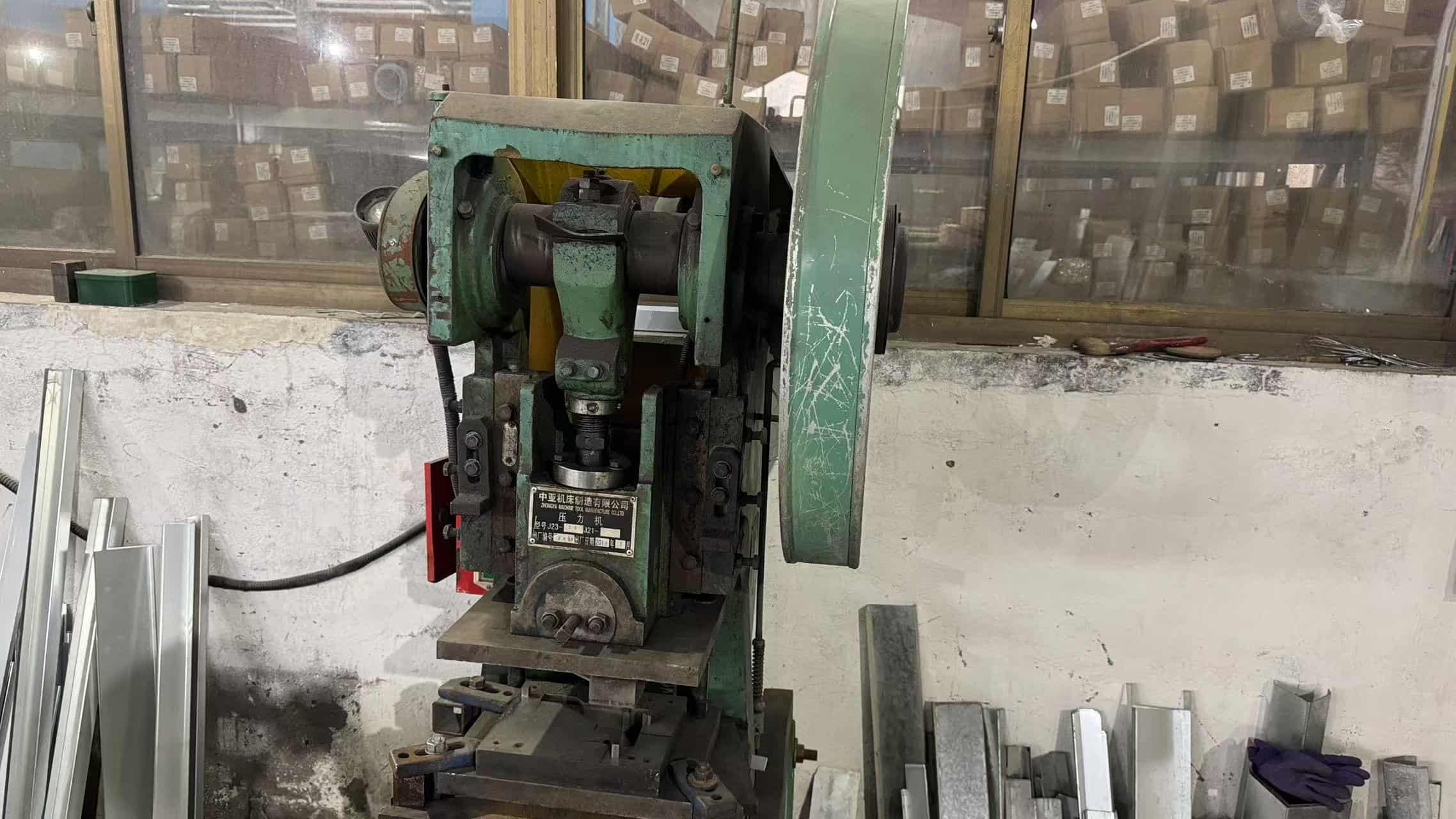
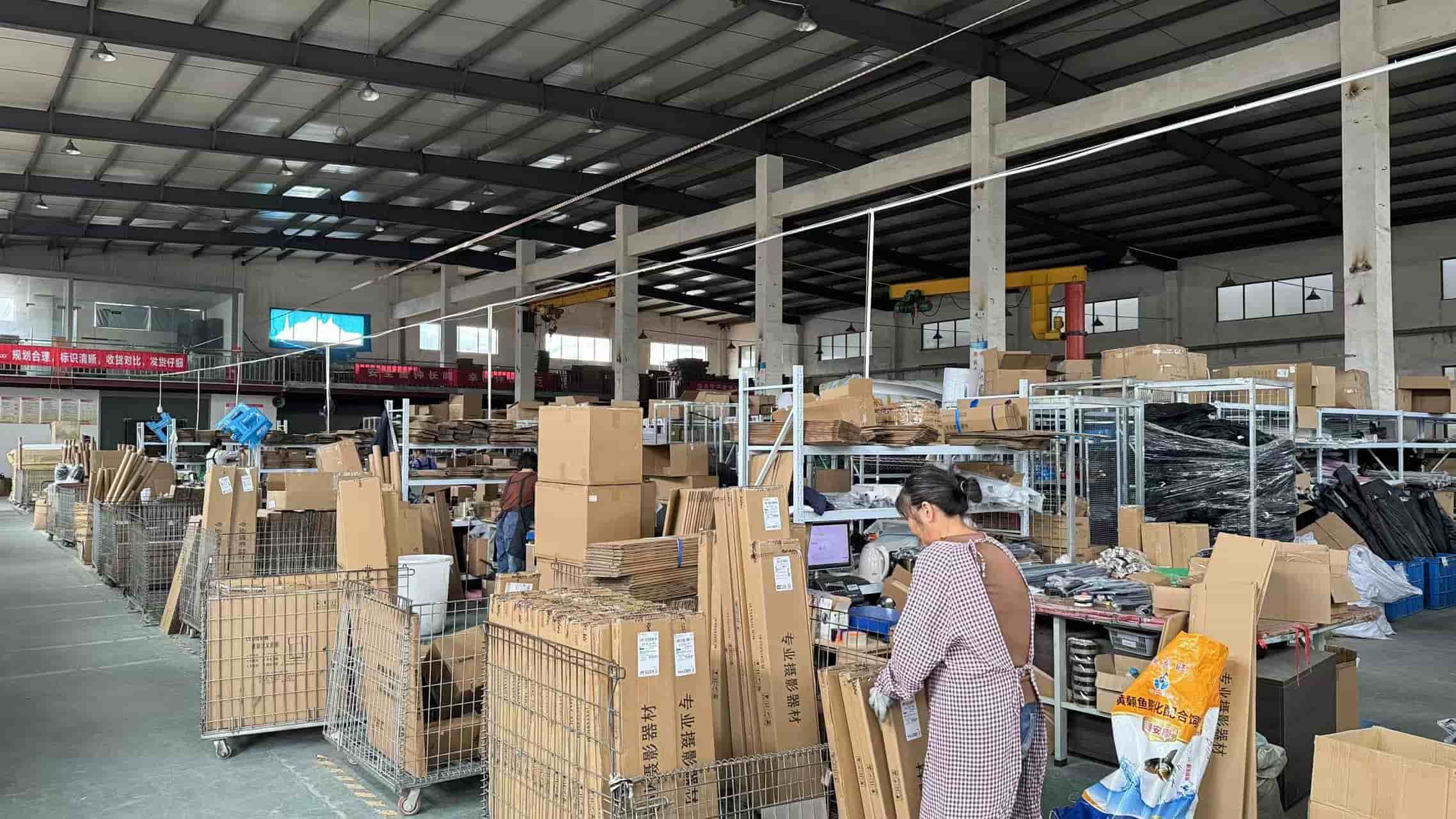
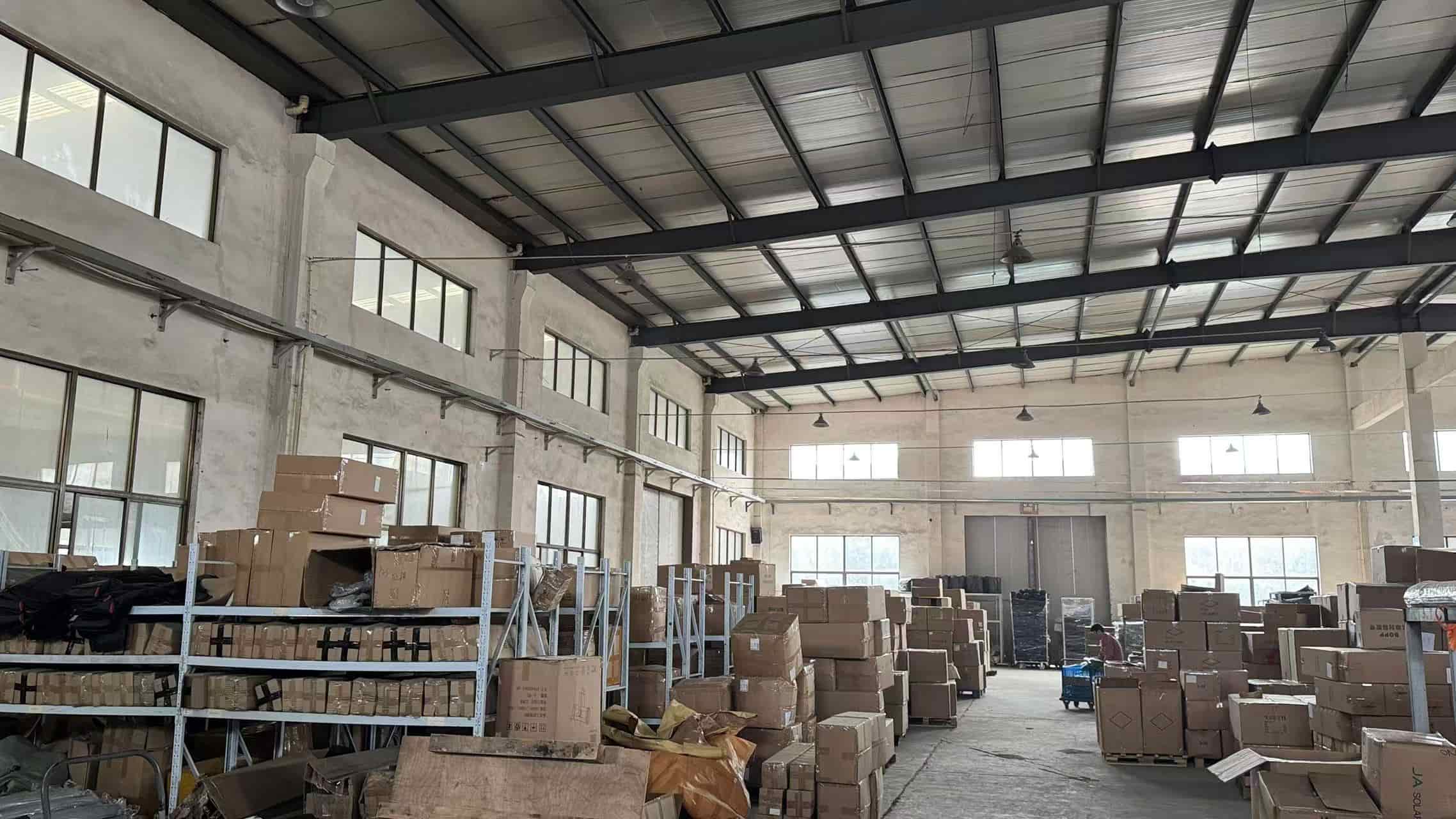
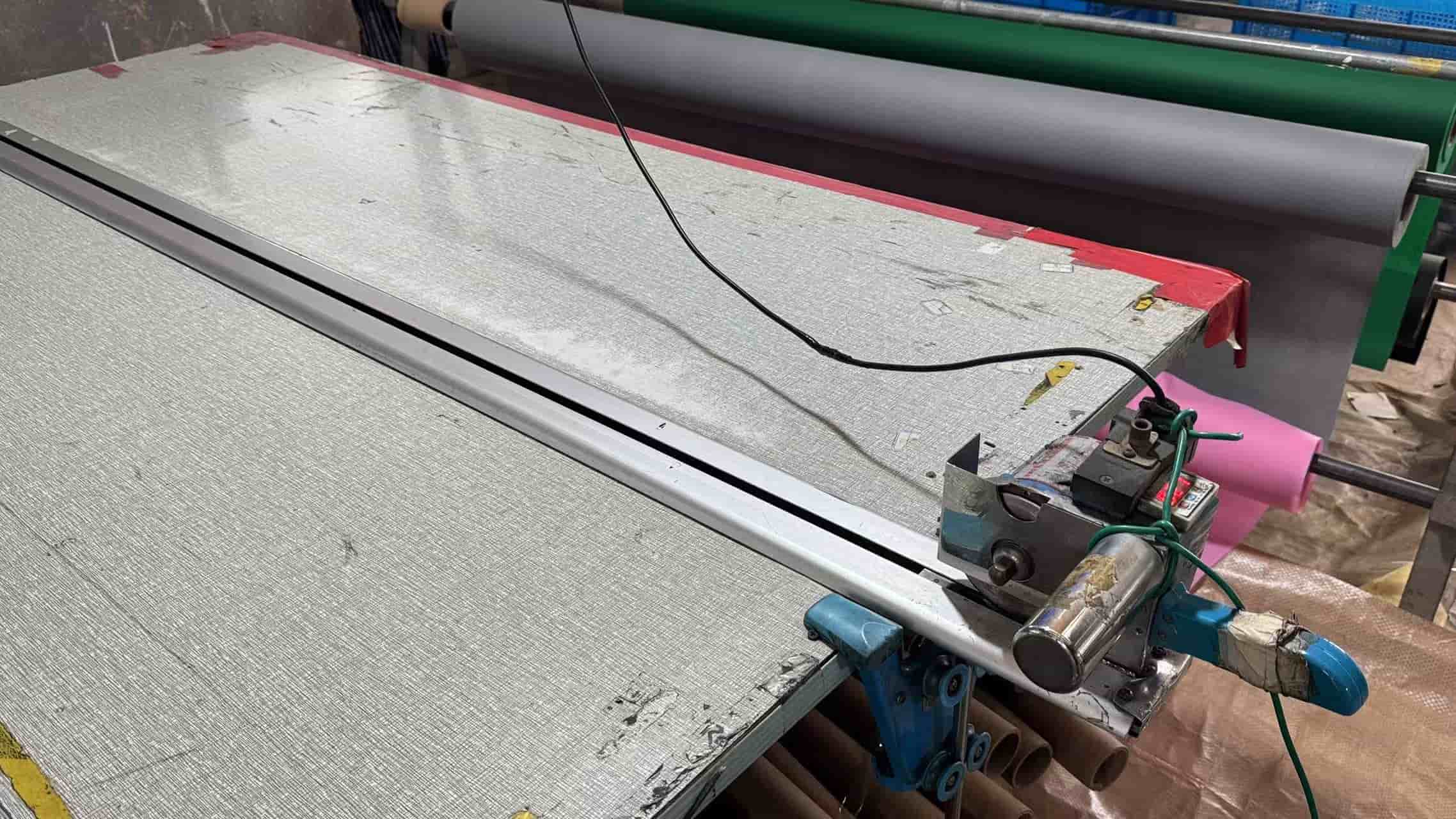
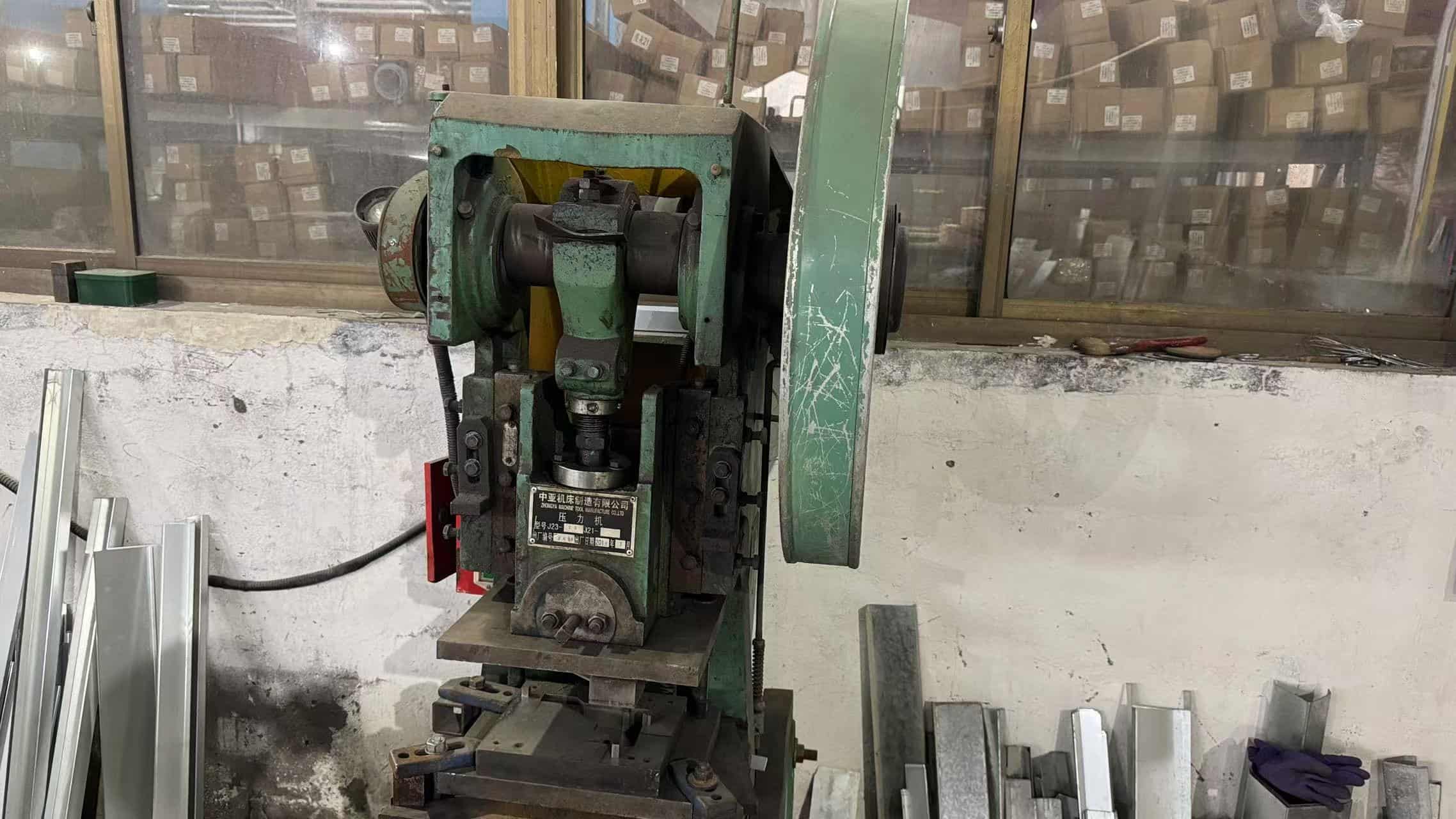
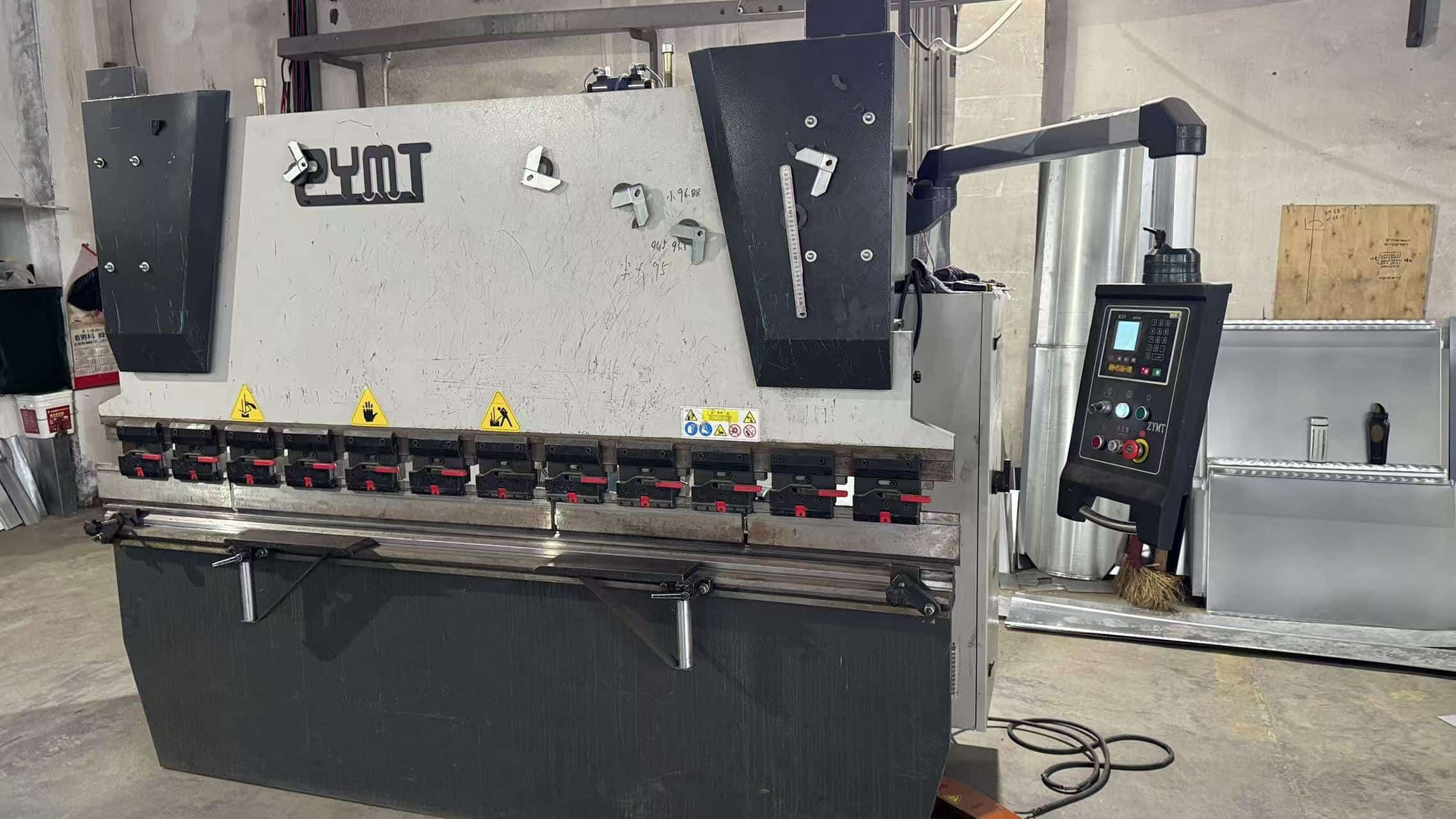
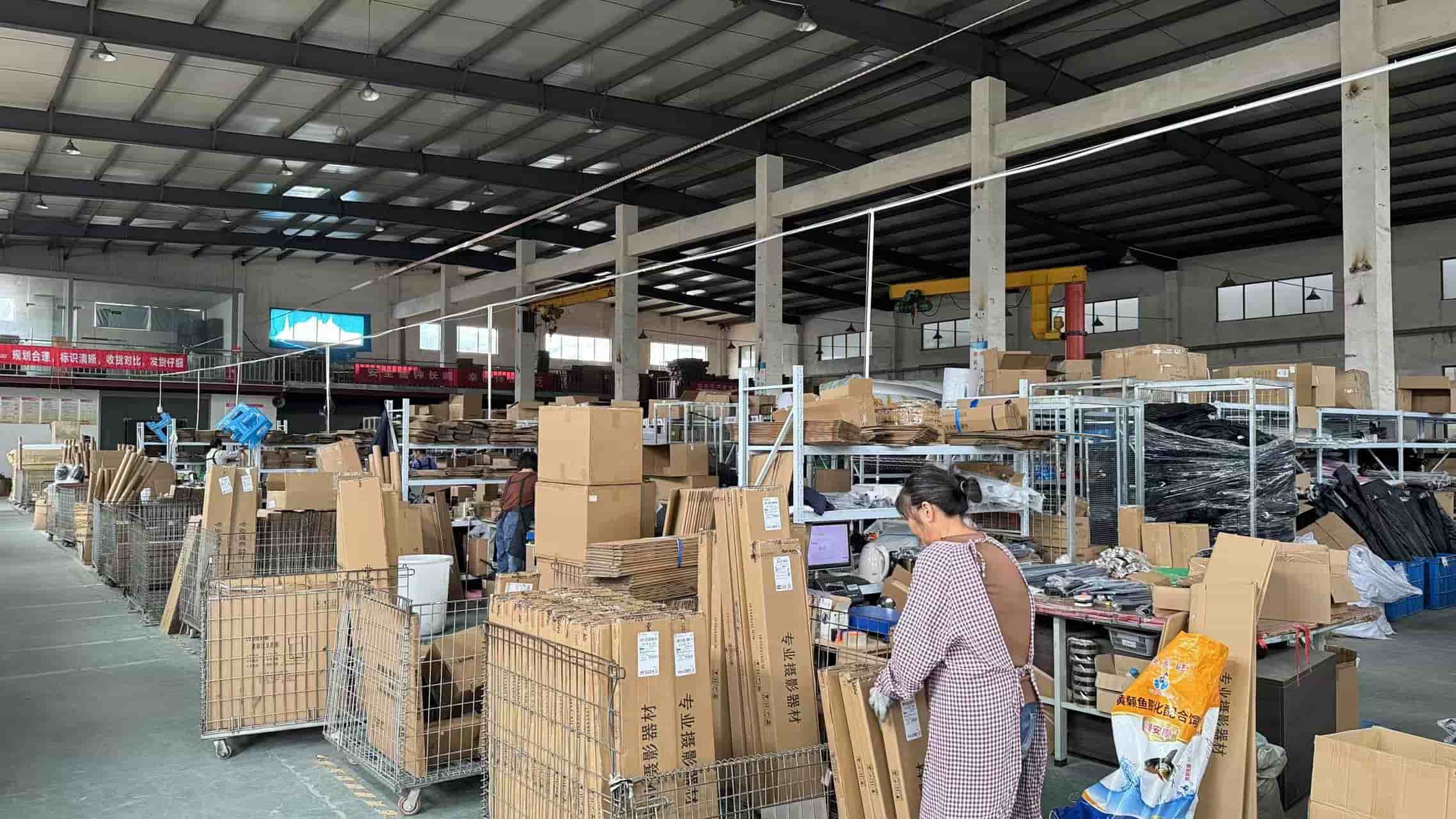
Our dedicated R&D team combines strong engineering expertise with market-oriented innovation. We focus on developing high-performance and cost-optimized lighting solutions that respond quickly to evolving market demands, integrate real user feedback, and support custom configurations.
Whether you require specific CRI tolerances (Ra > 95 for photographic studios), architectural profile dimensions, custom smart control protocols (DALI-2, Zigbee, DMX512), or structural alterations, our engineers can fast-track prototype developments within weeks.
Our warehouses operate under strict 6S management standards (Sort, Set in order, Shine, Standardize, Sustain, Safety), supported by regular cross-departmental audits. This ensures high efficiency and accuracy:
Engineered to adapt to diverse spatial requirements and performance standards.
Edge-lit configurations provide a natural, soft shadow profile that emulates natural window light. This eliminates hot-spotting on models or metallic surfaces, making them indispensable for high-fashion photo shoots and product videography.
With smooth, dust-resistant flat surfaces and IP-rated seals, our edge-lit luminaires are ideal for hospitals, operating rooms, and laboratories where strict sanitization and dust-free environments are required.
By introducing low-UGR edge-lit panels with dimmable DALI capabilities, offices can reduce eye strain, improve concentration, and adapt light levels automatically based on natural daylight presence.
The next generation of commercial lighting is smart, bio-centric, and circular.
Tunable white edge-lit panels dynamically adjust color temperatures from 2700K to 6500K throughout the day, aligning with humans' circadian rhythms to promote wellness and productivity.
Advanced recycling technologies are allowing PMMA plates to be manufactured from pre-consumer acrylic waste without losing light transmission properties, lowering the carbon footprint of green buildings.
Micro-sensors embedded in the edge-lit frame monitor occupancy, ambient light, and air quality, converting simple light fixtures into critical data nodes for smart building management.
Key technical benchmarks for procurement and project bids.
Insist on heavy aluminum frames (6063 alloy) rather than thin sheet metals. Proper heat dissipation prevents thermal runaway and extends LED lumen maintenance.
Always verify the raw material of the LGP via chemical test or certified supplier sheets. Pure PMMA remains pristine; PS will degrade and yellow under heat.
A fixture is only as durable as its driver. Look for ENEC, CE, UL, or TÜV marks on isolated constant-current drivers with flicker indexes under 0.02.
Check the MacAdam Ellipse rating. High-grade systems should operate within 3-step SDCM to ensure color consistency across a large ceiling grid.
Critical answers to complex technical queries from lead engineers and purchasing agents.
Exacting components for industrial studio layouts, stage setups, and outdoor systems.
 Alterra Lighting