High-performance custom solutions engineered for commercial, industrial, and artistic deployment. Direct factory supply from Zhongshan.
The global UV LED market is undergoing a seismic paradigm shift. Traditional gas-discharge mercury vapor lamps are rapidly being decommissioned in compliance with the Minamata Convention on Mercury. This regulatory momentum, combined with the pursuit of energy efficiency and instant-on thermal control, has established solid-state UV LEDs as the definitive standard for industrial curing, water treatment, air purification, and medical engineering.
Unlike legacy lamps, UV LED technology provides highly targeted spectral output (narrow bandwidths around ±5nm), eliminating unwanted infrared heat generation and reducing energy consumption by up to 70%. B2B buyers now seek integrated solutions where the thermal management system, power drivers, and optical lenses are engineered harmoniously to maximize irradiance stability over a standard L70 lifetime of 20,000+ hours.
Tailoring precise outputs across UVA (315–400nm) for rapid chemical polymerization, UVB (280–315nm) for medical dermatological therapy, and UVC (200–280nm) for high-efficacy germicidal action.
Deploying copper-core metal clad PCBs (MCPCBs) along with microchannel liquid cooling circuits or high-fin aluminum heatsinks to minimize junction temperatures and maintain optical output consistency.
Products are engineered to meet rigorous global standards (CE, RoHS, FCC, REACH, TÜV Rheinland, and ISO 9001:2015 frameworks) ensuring smooth import pathways for municipal and defense procurements.
Decoupling specific wavelength responses from industrial operations to maximize output efficiency and return on investment.
| Wavelength Range | Primary Industrial Applications | Core Tech Parameters Required | Critical Optical Elements |
|---|---|---|---|
| UVA (365nm - 405nm) | Industrial Inkjet Printing, Adhesive Curing, PCB Coating, Lithography, Fluorescent Crack Detection | Peak Irradiance: 8 to 24 W/cm²; Custom Quartz collimating glass lenses. | Water-cooled modular heads, customized optical focus profile. |
| UVB (280nm - 315nm) | Dermatological Treatment (Psoriasis/Vitiligo), Agricultural Grow Lighting (Secondary Metabolite Boosting) | Radiometric Flux: 50mW per emitter; Uniform light distribution grids. | Highly resilient silicone lenses, anti-degradation packaging. |
| UVC (255nm - 275nm) | Municipal Water Disinfection, HVAC Duct Sterilization, Surface Pathogen Inactivation, Medical Sterilizers | DNA Absorption Peak: 265nm optimized; High wall-plug efficiency (WPE) chips. | Pure Quartz glass cover, gold-tin (AuSn) eutectic bonding. |
Established in 2020, Zhongshan Alterra Lighting Co., Ltd. specializes in the research, development, production, and sales of high-performance photographic lighting equipment and precision industrial lighting fixtures. Through structural innovation and customer-centric design, the company has established long-term, stable partnerships with distributors across 12 provinces in China, cementing its presence as a domestic manufacturing powerhouse.
Our commitment to excellence has enabled successful expansion into competitive international markets. Our products are exported to 122 countries and regions, making us a recognized brand in the global photographic and specialized optoelectronics lighting industries.
Looking ahead, Alterra Lighting will continue to uphold the core values of "innovation, quality, and service," remaining dedicated to providing high-quality lighting solutions for global users of photographic equipment, contributing to the advancement of the industry.
From raw metal forming to high-precision SMT and optoelectronic testing, our Zhongshan facility maintains absolute quality control.
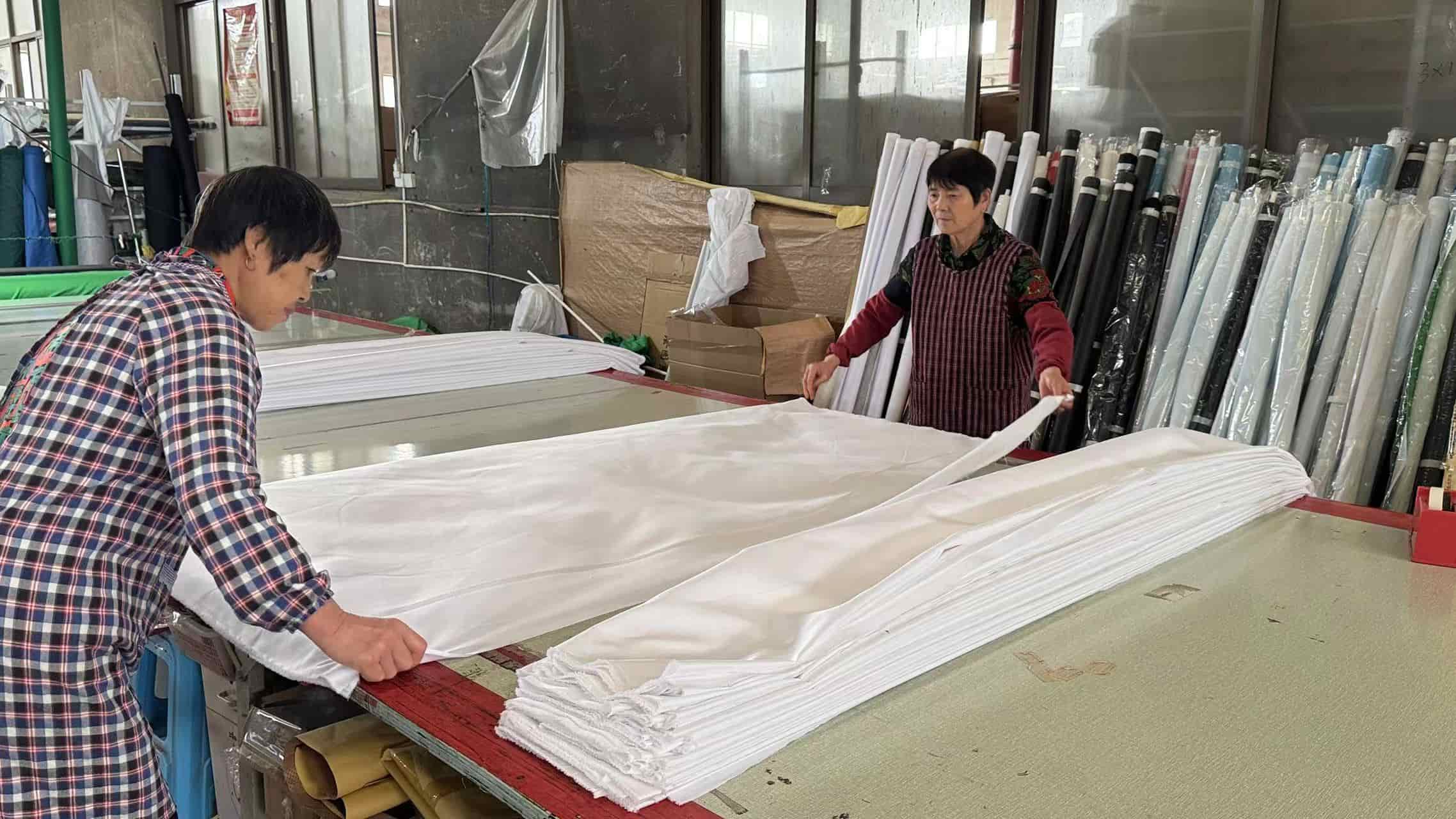
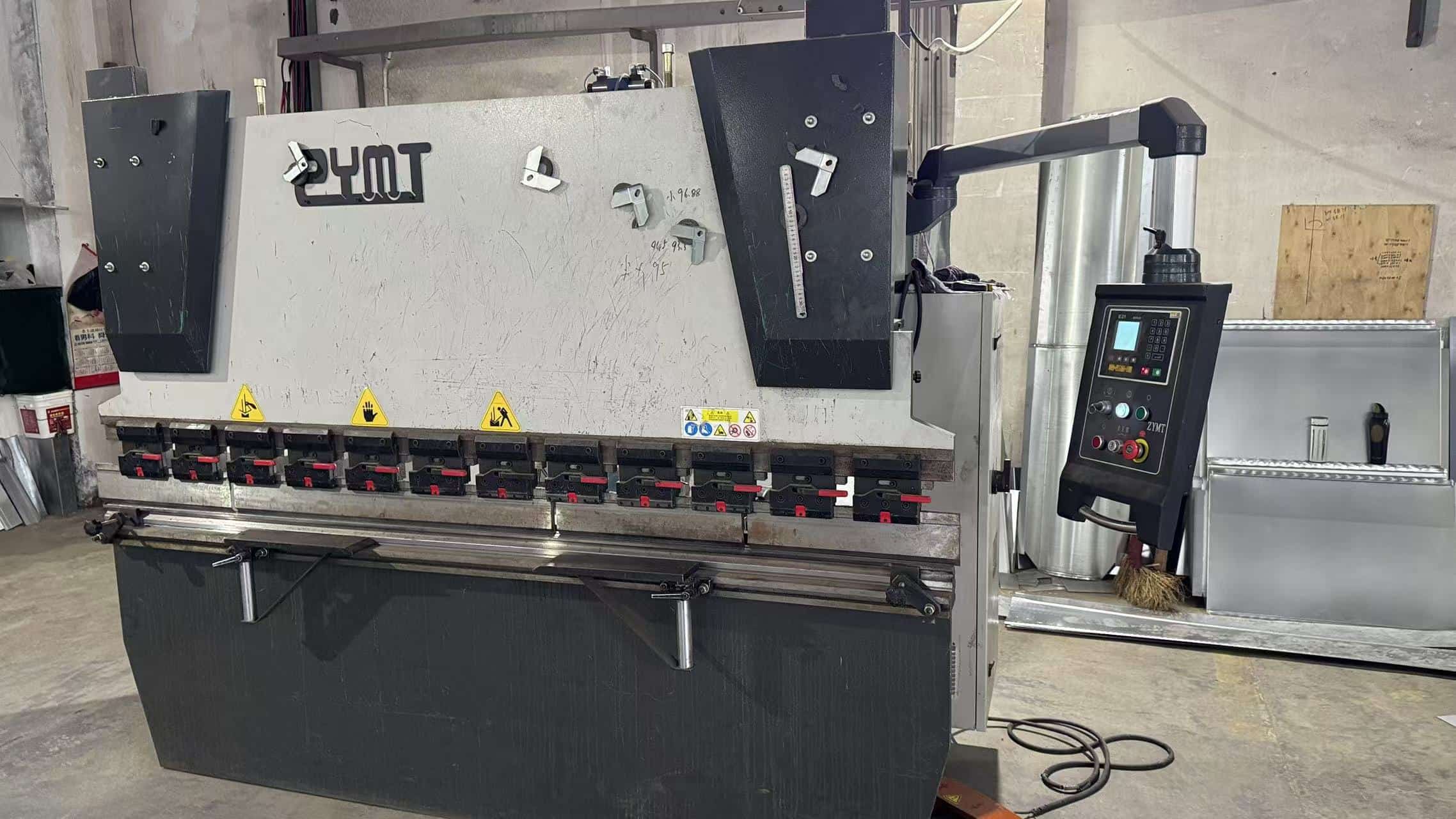
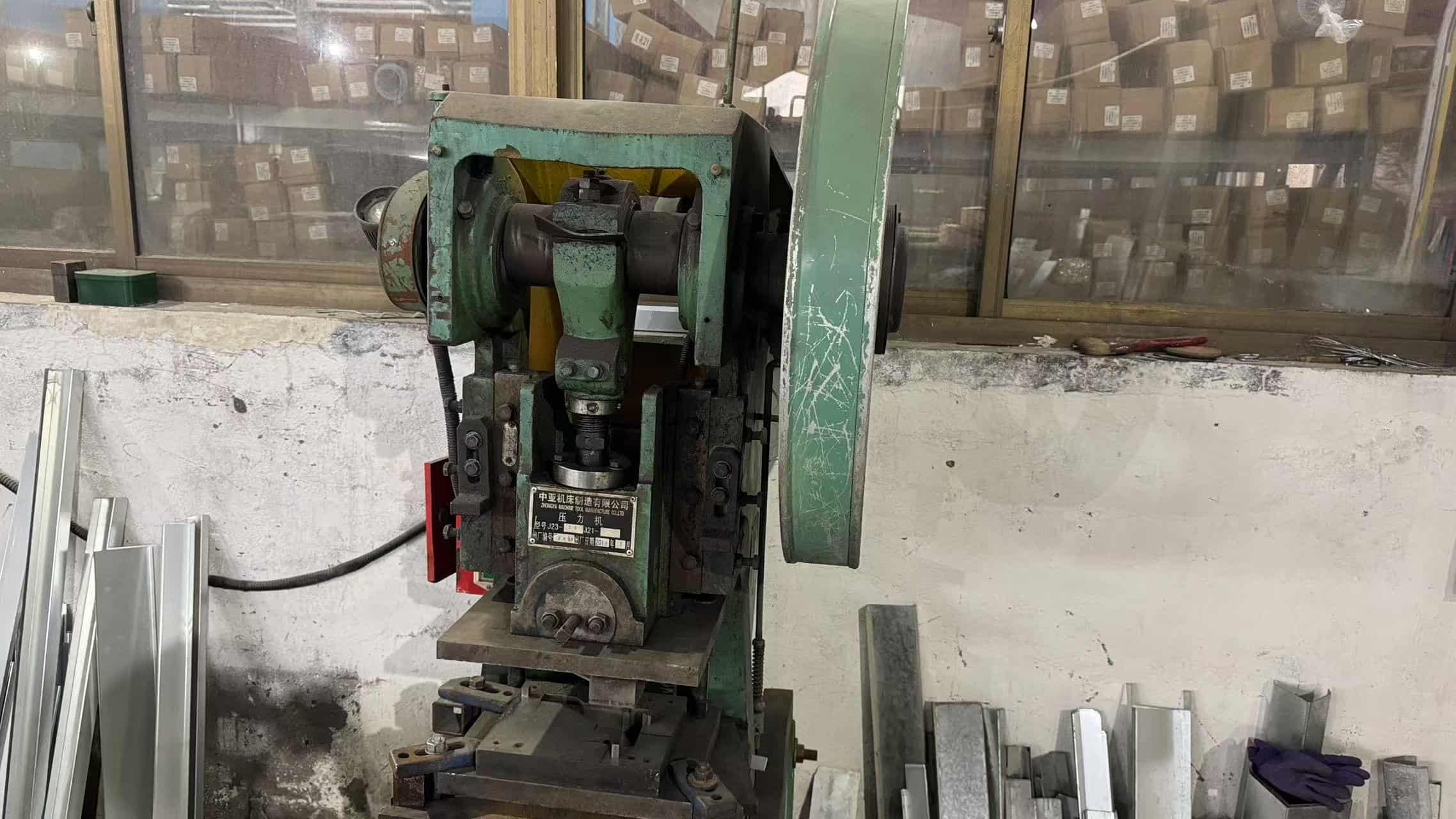
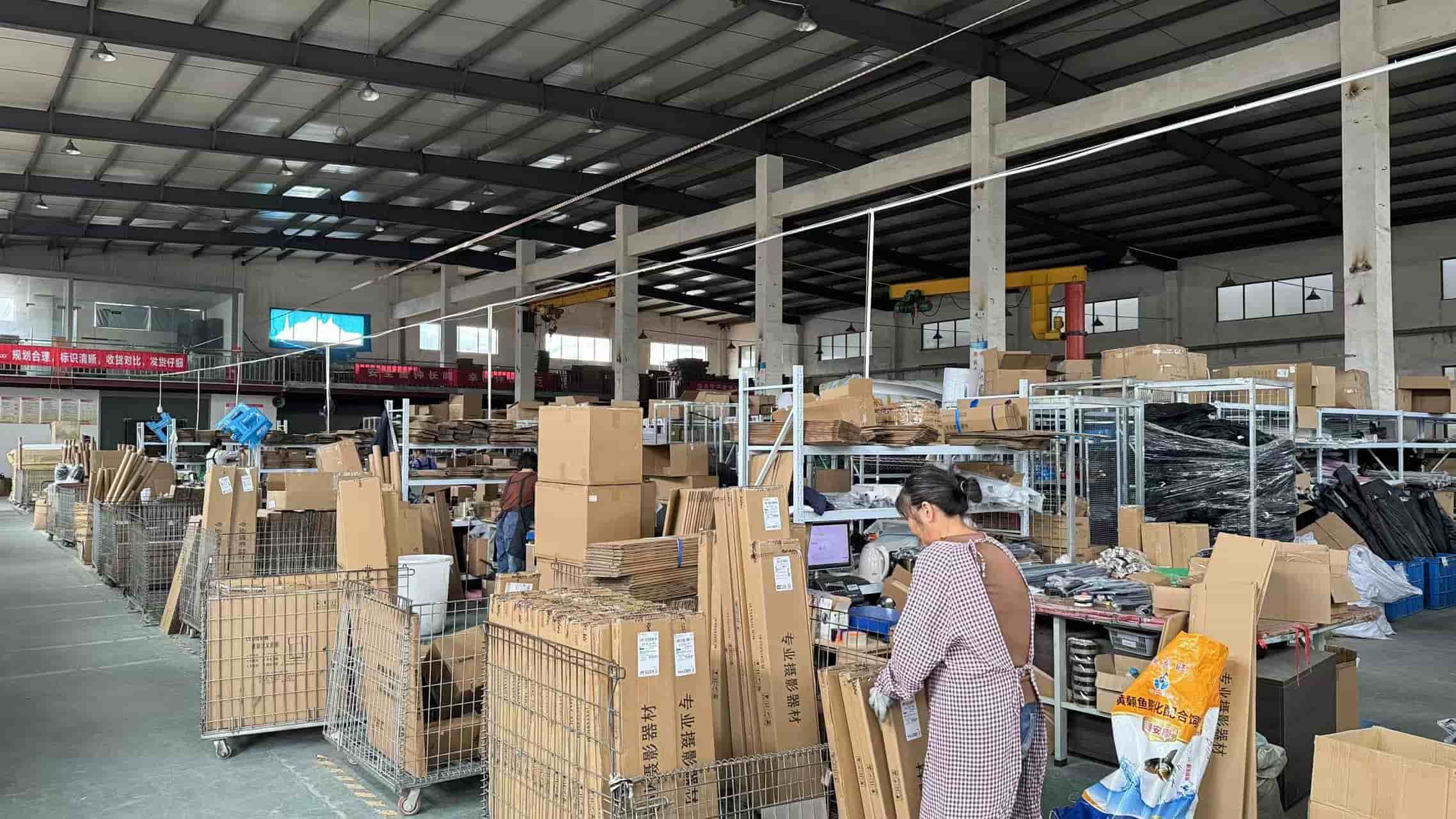
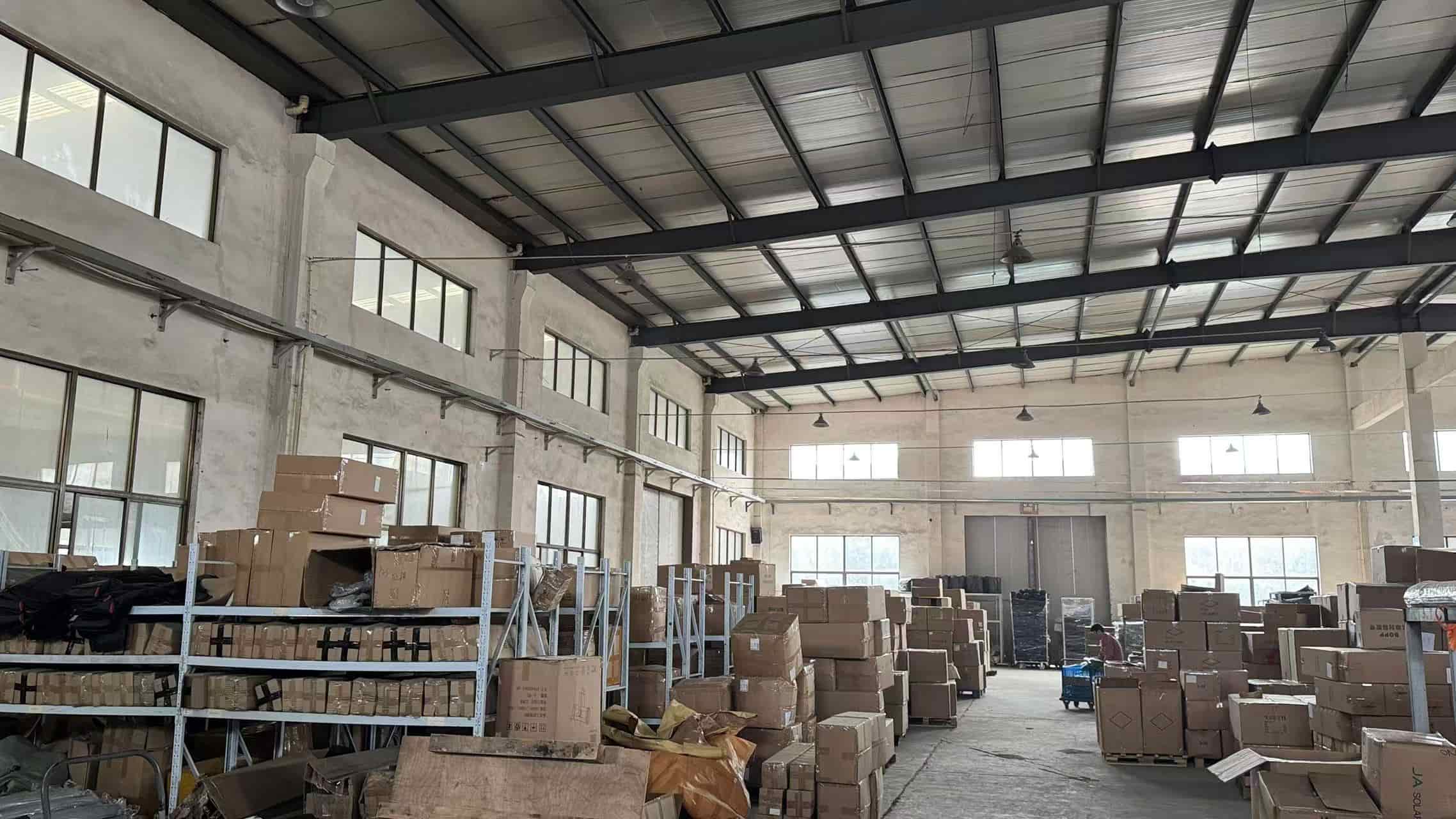
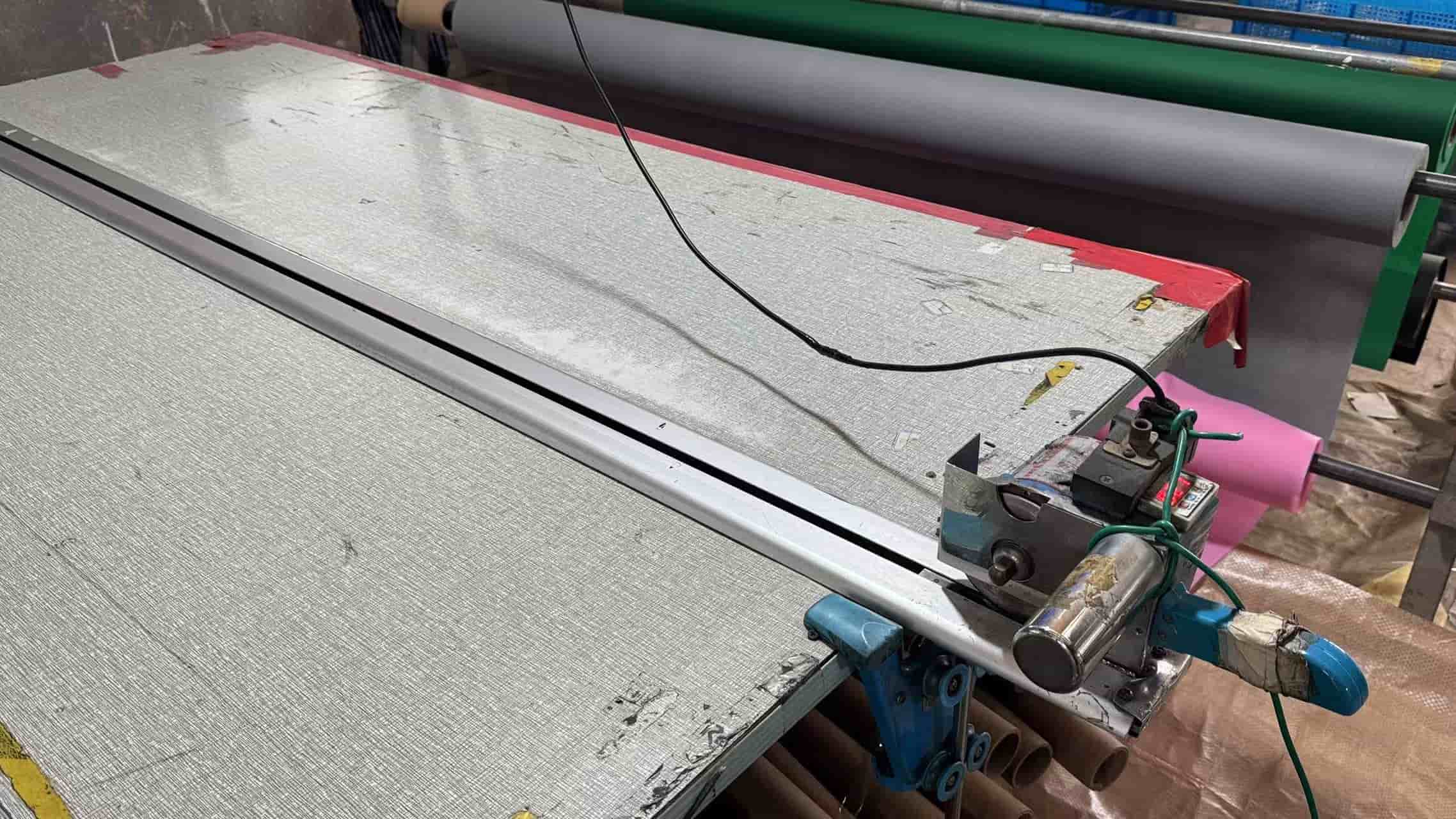
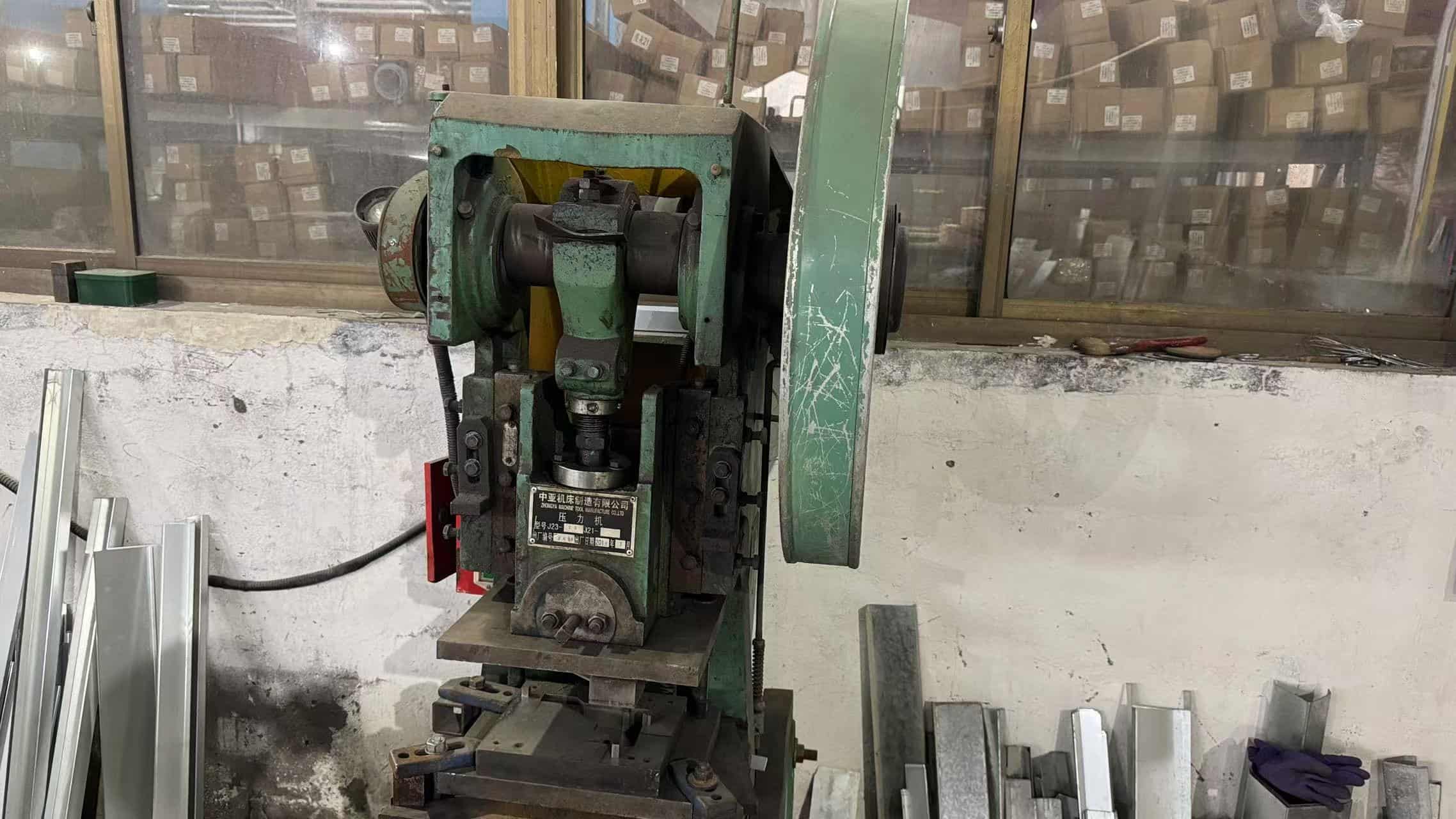
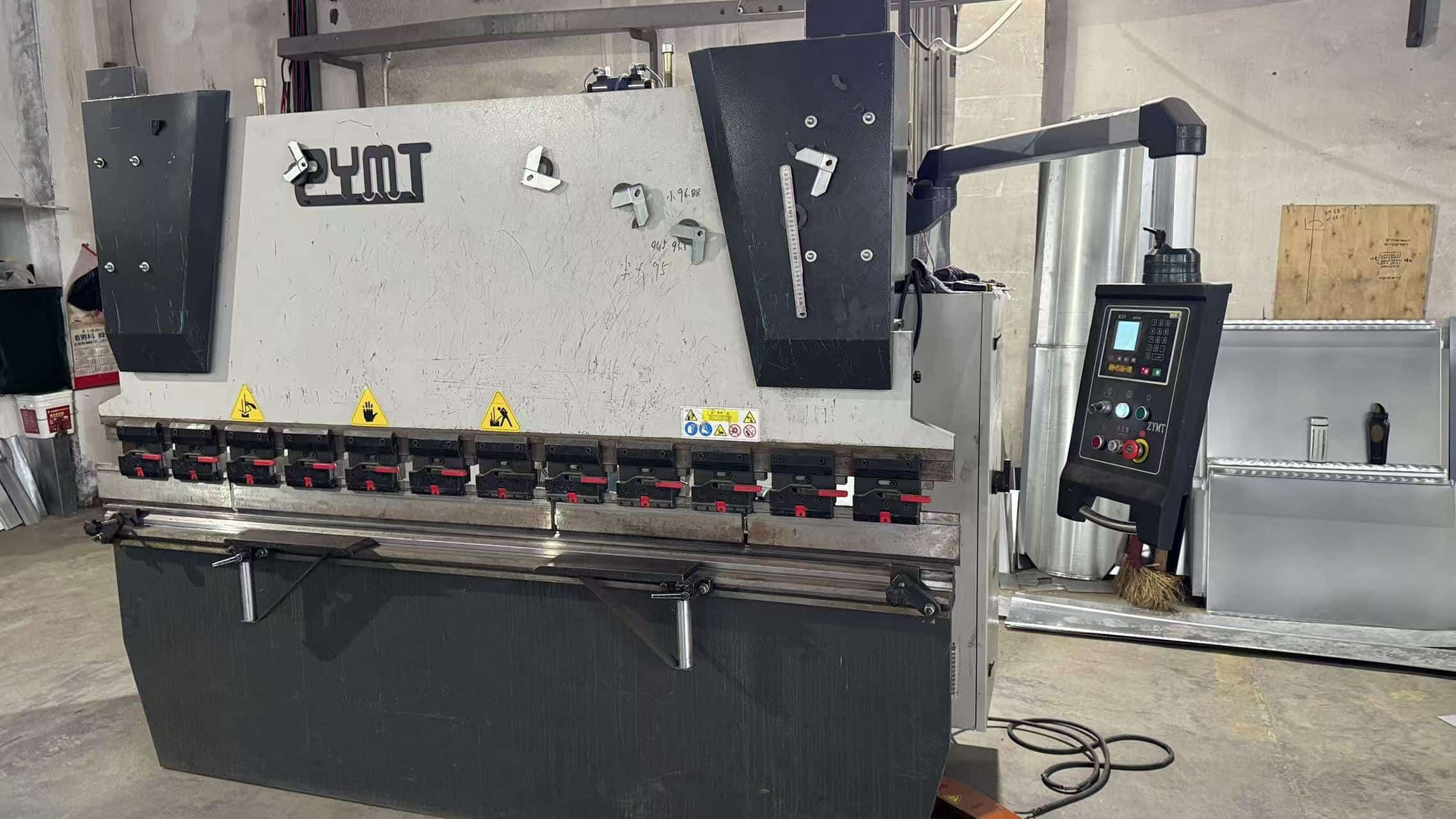
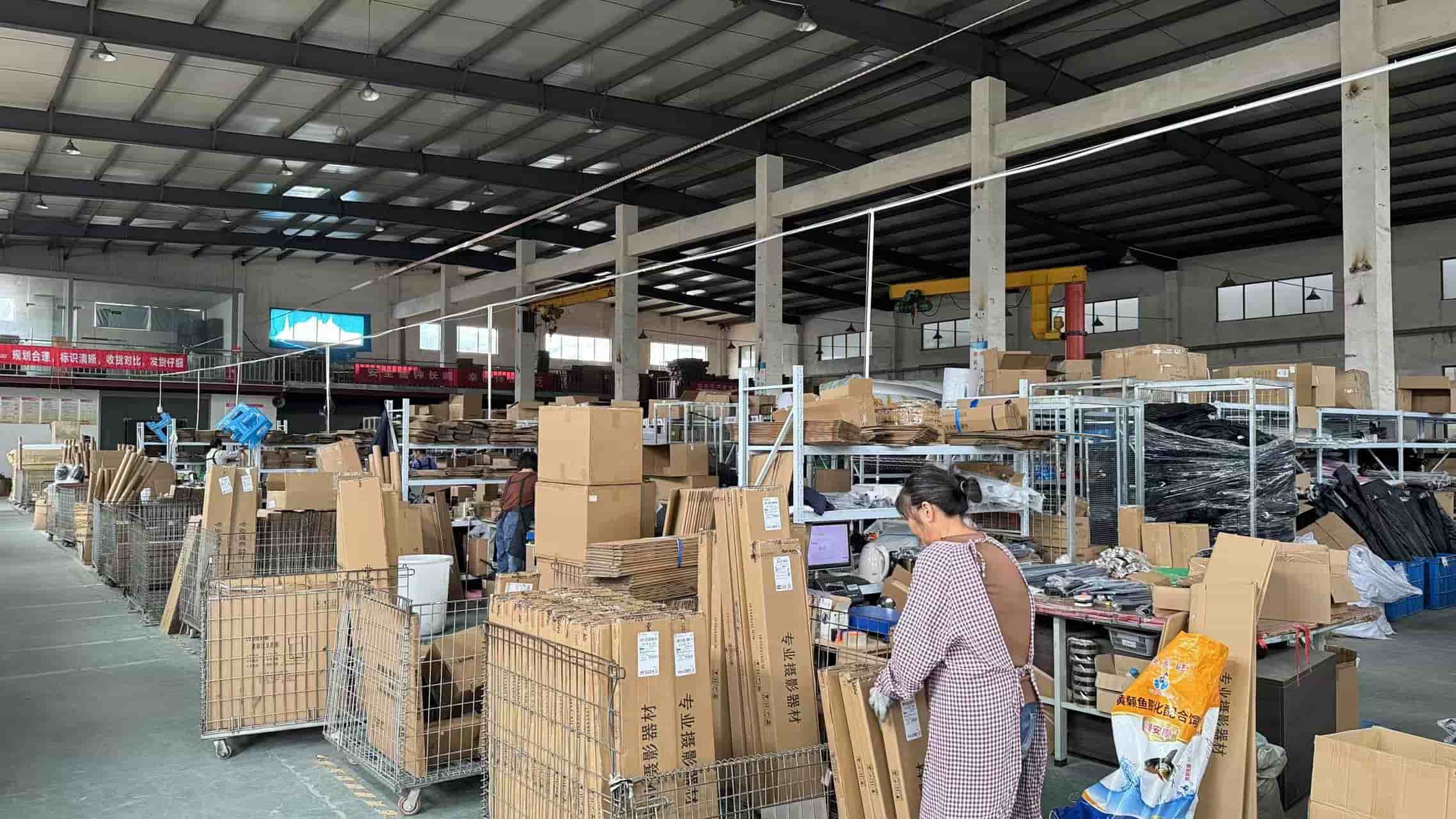
To assure optical performance, structural longevity, and mechanical electrical safety, every product undergoes a minimum of six strict inspection processes before packaging and transit, resulting in a bulk order pass rate of 98.6%.
Our quality control workflow includes:
Our warehouses run under strict 6S management guidelines (Sort, Set in order, Shine, Standardize, Sustain, Safety), with audits conducted regularly to guarantee material tracing integrity.
Our specialized R&D team bridges structural engineering expertise with direct market insight. We develop highly customized, cost-optimized optical systems that respond to changing industrial requirements, utilizing feedback from global installations to continuously refine thermal performance.
Through our dedicated OEM/ODM workflow, we handle complex customer requirements:
Technical and logistics clarifications for global industrial procurement managers and OEM partners.
Procurement teams must evaluate: 1) Peak irradiance output (W/cm²) and energy stability over time; 2) The quality of thermal management systems (such as MCPCB design and cooling capabilities); 3) Wavelength consistency (ensuring binning variation is within ±5nm); 4) Compliance certifications (ISO 9001, CE, RoHS, TÜV) required for importing into destination markets.
We implement a strict multi-tier quality control workflow (IQC, IPQC, FQC) containing at least six inspection stages. By combining automated reflow soldering with manual validation, we achieve a verified 98.6% bulk pass rate. All production stages follow ISO 9001 operational frameworks, ensuring traceability down to individual raw material batches.
Our OEM/ODM services cover custom physical dimensions, tailored spectrum curves (including multi-wavelength options), varying optic lens angles, and specialized power supplies. We also offer private labeling, tailored mechanical mounting brackets, and integration with PLC controls for automated industrial production lines.
Unlike standard lighting, high-power UV LEDs convert a large portion of electrical input into heat rather than light. If the junction temperature rises beyond safe limits, optical output drops and the chip's lifespan decreases significantly. We address this by using copper substrates, optimized thermal interface materials, and liquid or advanced active air cooling.
For standard custom projects, initial opto-mechanical drawings are finalized within 5–7 days. Prototype samples are usually dispatched within 15–20 days following design sign-off. Bulk mass manufacturing typically ranges from 25 to 35 days, depending on order size and raw material requirements.
Explore our full line of commercial, industrial, and specialized stage projection solutions.
 Alterra Lighting