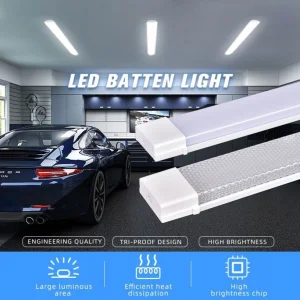
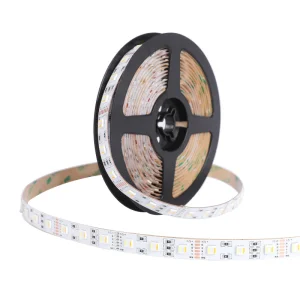
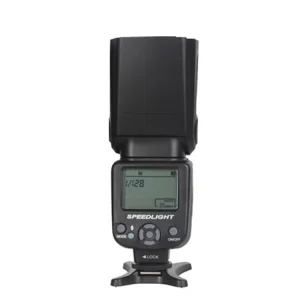
High-performance industrial-grade controllers and light accessories optimized for modern studios and smart architecture.
The global transition from traditional static illumination to dynamic, IoT-enabled smart systems has placed light controllers at the core of advanced lighting architectural design. As the demand for precision dimming, color-temperature tuning, and automation grows across industrial, studio, commercial, and agricultural sectors, China's light controller factories have evolved from simple assembly points into global R&D engines. At the forefront of this industrial revolution, hubs like Zhongshan lead the charge in consolidating manufacturing complexity with cutting-edge microelectronic engineering.
In highly specialized settings like photographic studios, film sets, and broadcasting units, light controllers must maintain strict standards. Precise high-frequency Pulse Width Modulation (PWM) dimming systems are critical; without them, lighting suffers from micro-flickering, which shows up as rolling shutter bands on camera. Chinese suppliers have successfully engineered flicker-free driver interfaces operating at dimming frequencies up to 50kHz. This guarantees consistent, high-CRI rendering for broadcast television, studio cinematography, and architectural projection mapping.
Why leading global lighting brands, developers, and distributors outsource design and production to specialized Chinese clusters.
Proximity to semiconductor packaging and active component clusters ensures factories can source microcontrollers, RF chips (Espressif, Realtek, Nordic), and MOSFET switches quickly, bypassing global supply bottlenecks.
In-house firmware engineering teams customize dimming curves (linear, logarithmic, soft-on, soft-off) and wireless connectivity models to suit specific client application layers, such as commercial building BMS.
Equipped with state-of-the-art EMI/EMC shielding test chambers, thermal shock machinery, and automated optical inspection (AOI) to run reliability analysis before products ship globally.
The future of architectural and theatrical lighting control belongs to open ecosystems, efficiency, and hardware reliability.
In recent years, the smart home and commercial automation sectors faced fragmentation due to conflicting ecosystems. The introduction of Matter, built over Thread and Wi-Fi, provides a unified IP-based protocol. Forward-looking Chinese light controller factories are actively redesigning their RF front-ends and upgrading MCU memory configurations to handle Matter's security and handshake requirements, ensuring seamless out-of-the-box operation across Google Home, Apple HomeKit, and Home Assistant.
For high-end residential interiors and museum displays, static lighting is no longer enough. The industry demands deep, smooth dimming without stepping, color shifting, or flicker. Modern controller boards achieve this through high-resolution micro-stepping algorithms and hybrid PWM/CCR (Constant Current Reduction) architectures. By combining these methods, controllers can dim lights smoothly down to 0.1% intensity while keeping the color spectrum stable.
Contemporary smart control hubs do more than just send basic dynamic signals; they also monitor system health. Real-time feedback loops track power usage, output current, and running temperatures. By processing this telemetry at the edge, the system can detect anomalies early and alert technicians to swap out components before a complete failure occurs.
How versatile light control components perform in various professional and commercial ecosystems.
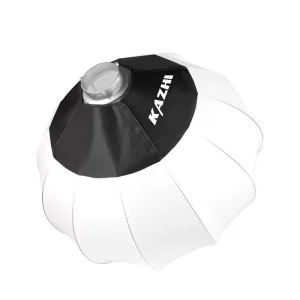
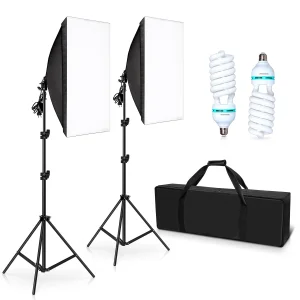
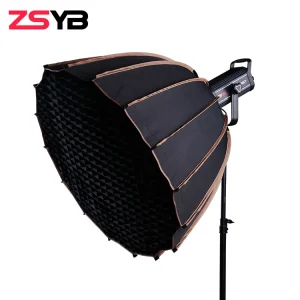
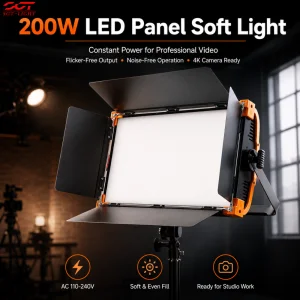
Designed for professional sets requiring high-wattage panels, softboxes, and spotlight projectors. Controllers use high-frequency PWM to eliminate flicker on high-speed cameras, with accurate DMX/RDM controls for lighting operators.
Integrates DALI-2 gateways and multi-channel LED controllers into existing Building Management Systems. Features sensor integration (ambient light and presence) to lower energy footprints by up to 40%.
Applies tailored spectrum management for agricultural greenhouses. Custom timing controls and programmable spectrum arrays mimic natural solar cycles, maximizing photosynthetic photon flux density (PPFD) output.
A direct window into our certified high-capacity production center, structured QA workflows, and technological foundations.
Zhongshan Alterra Lighting Co., Ltd. was established in 2020, specializing in the research, development, production, and sales of photographic lighting equipment. After years of dedicated development, the company has earned a strong reputation in the industry and established long-term, stable partnerships with distributors across 12 provinces in China. The company has also successfully expanded into international markets, with products exported to 122 countries, becoming one of the most recognized brands in the global photographic lighting industry.
Looking ahead, Alterra Lighting will continue to uphold the core values of "innovation, quality, and service," and remain committed to providing high-quality lighting solutions for global users of photographic equipment, contributing to the advancement of the industry.
ISO 9001 & TÜV Certified | Industry-Compliant Operations
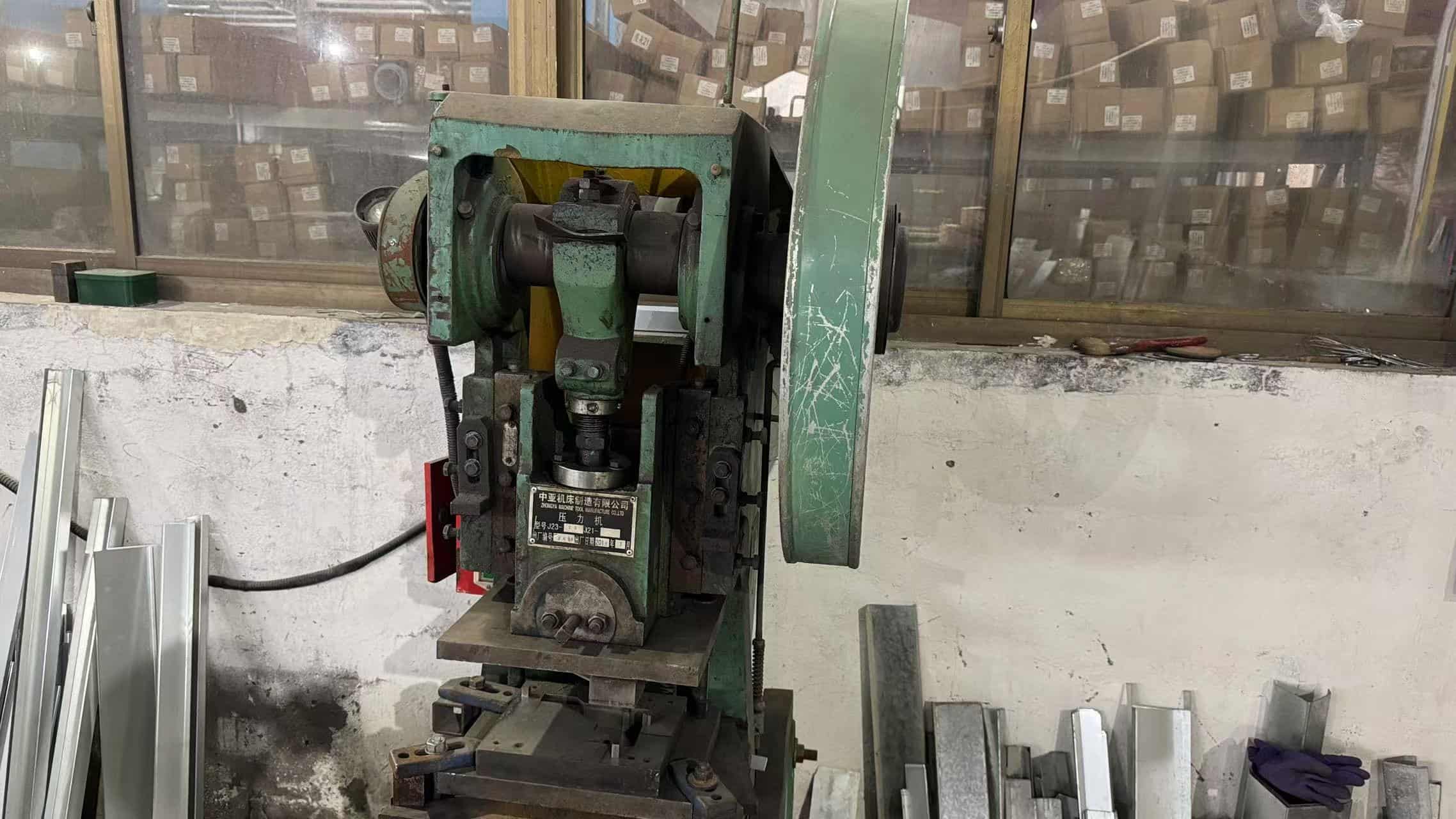
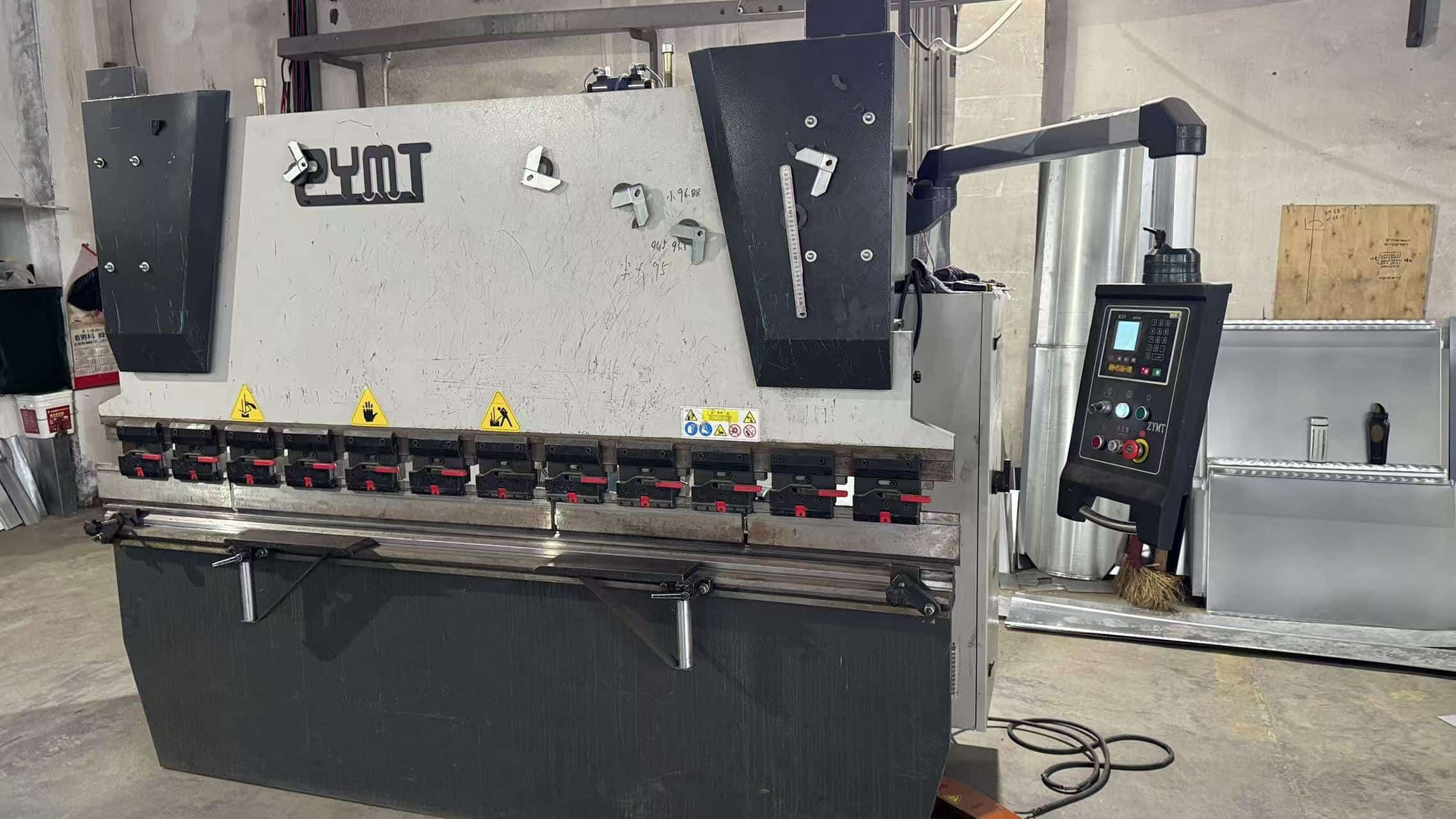
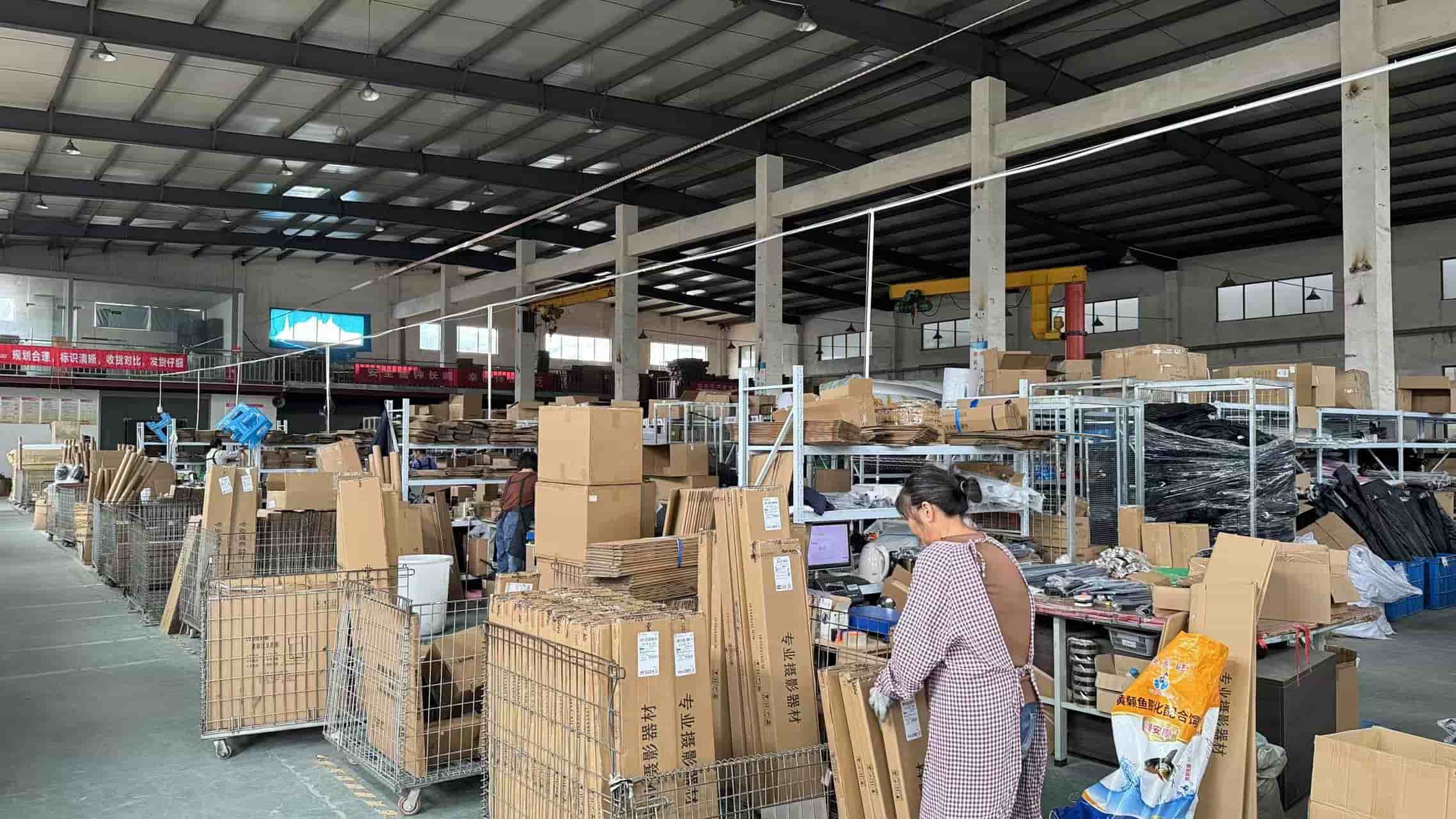
With a clean, well-organized production environment and high employee satisfaction, we ensure efficient and stable manufacturing output. Every finished product is fully traceable, guaranteeing reliable quality control and assurance.
Every finished product undergoes a minimum of six strict inspection processes before delivery, ensuring a bulk order pass rate of 98.6%.
All quality control stages—including IQC (Incoming Quality Control), IPQC (In-Process Quality Control), and FQC (Final Quality Control)—are implemented under standardized operating procedures to ensure consistent product reliability.
Our warehouses operate under strict 6S management standards (Sort, Set in order, Shine, Standardize, Sustain, Safety), supported by regular cross-departmental audits.
Our dedicated R&D team combines strong engineering expertise with market-oriented innovation. We focus on developing high-performance and cost-optimized lighting solutions that respond quickly to evolving market demands, integrate real user feedback, and support custom development along with OEM/ODM requirements.

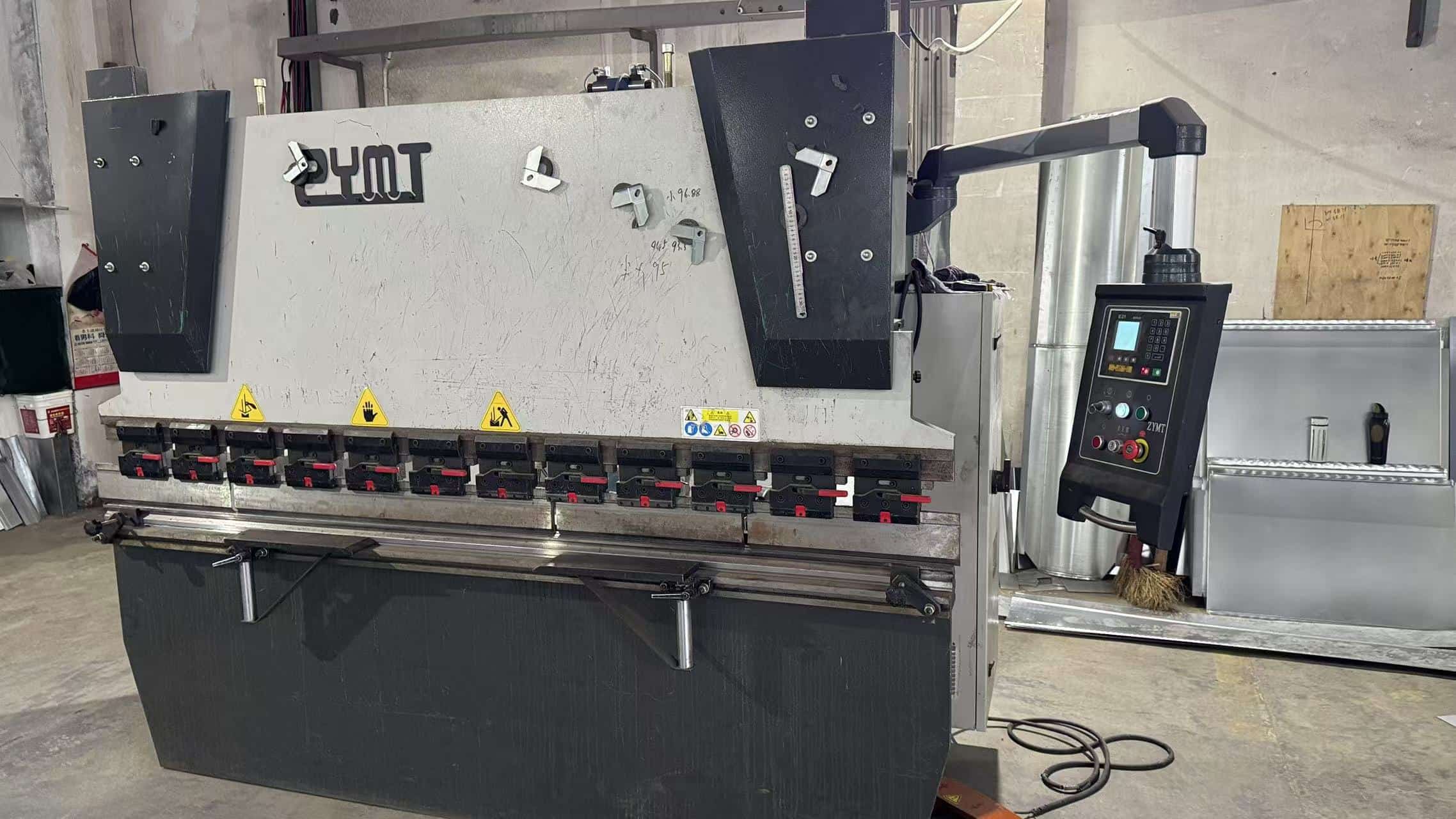
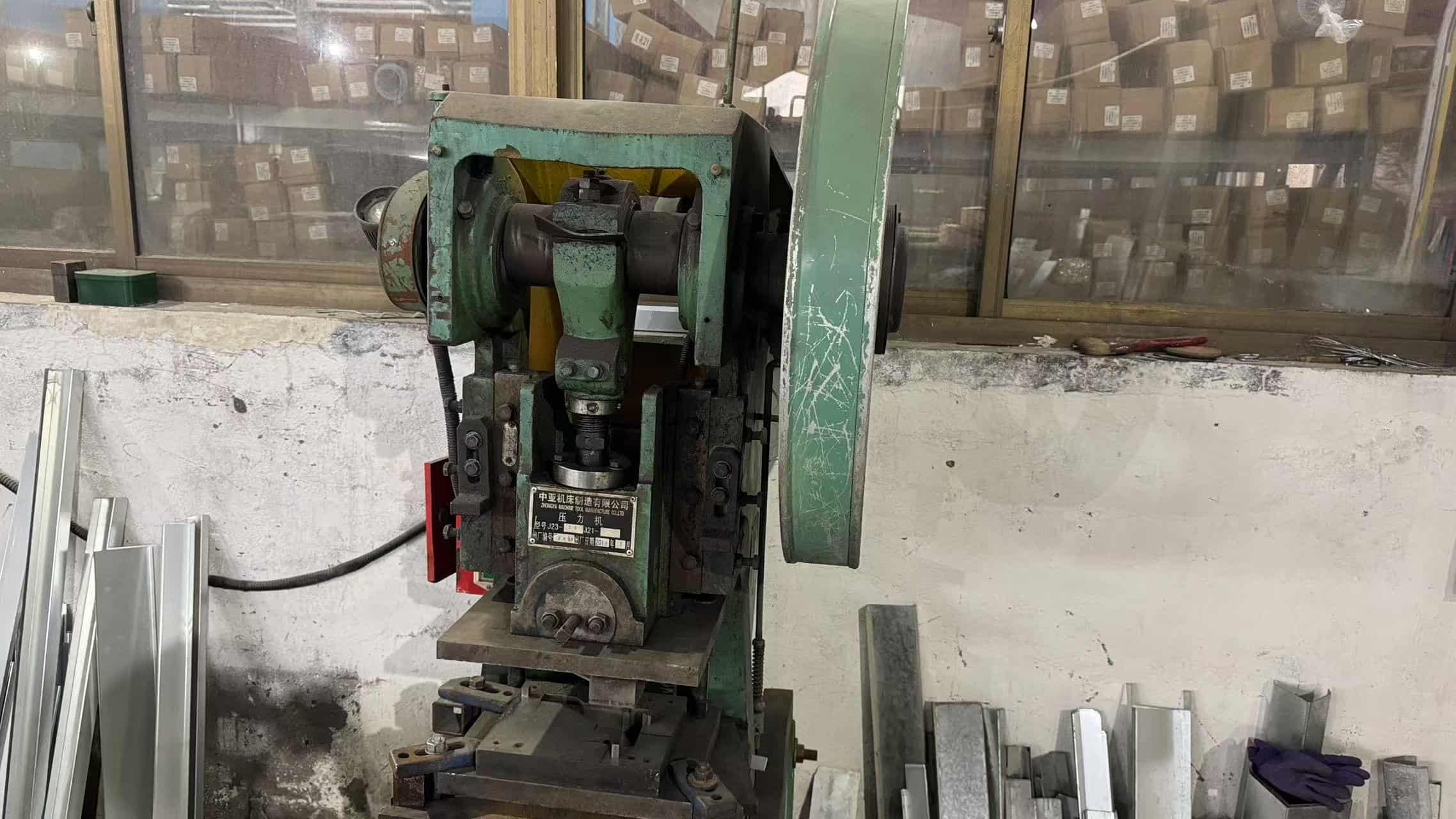
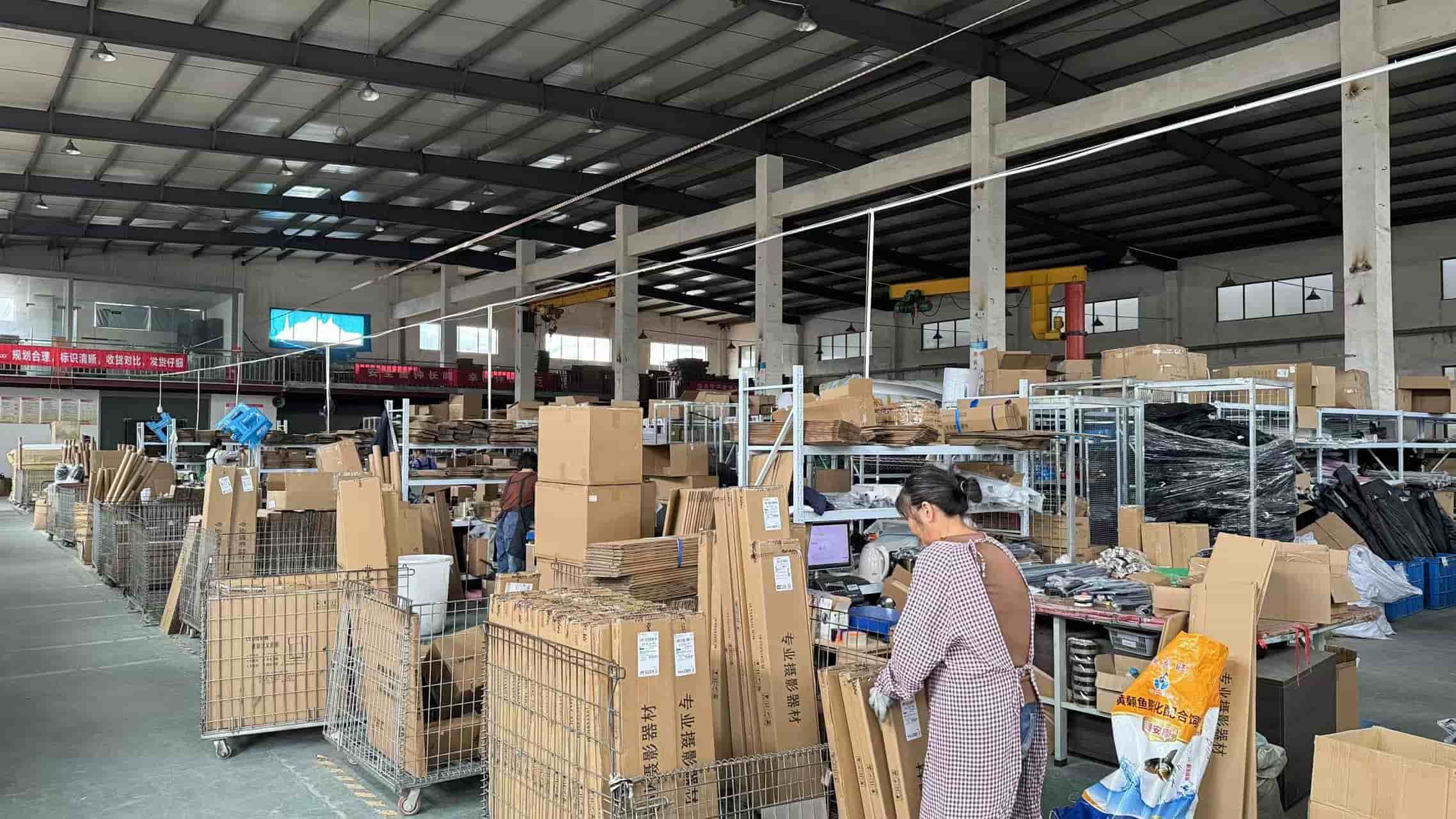
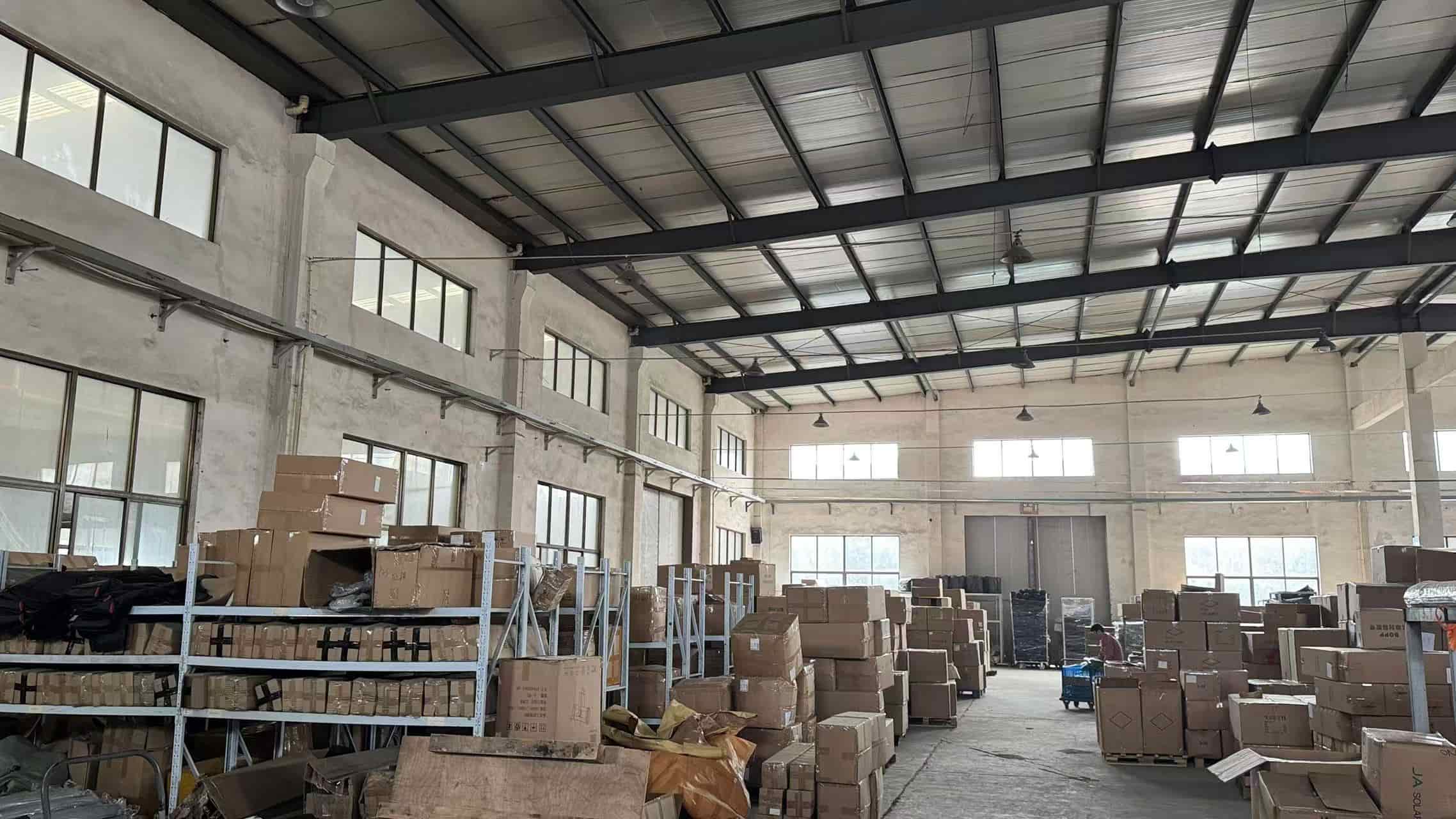
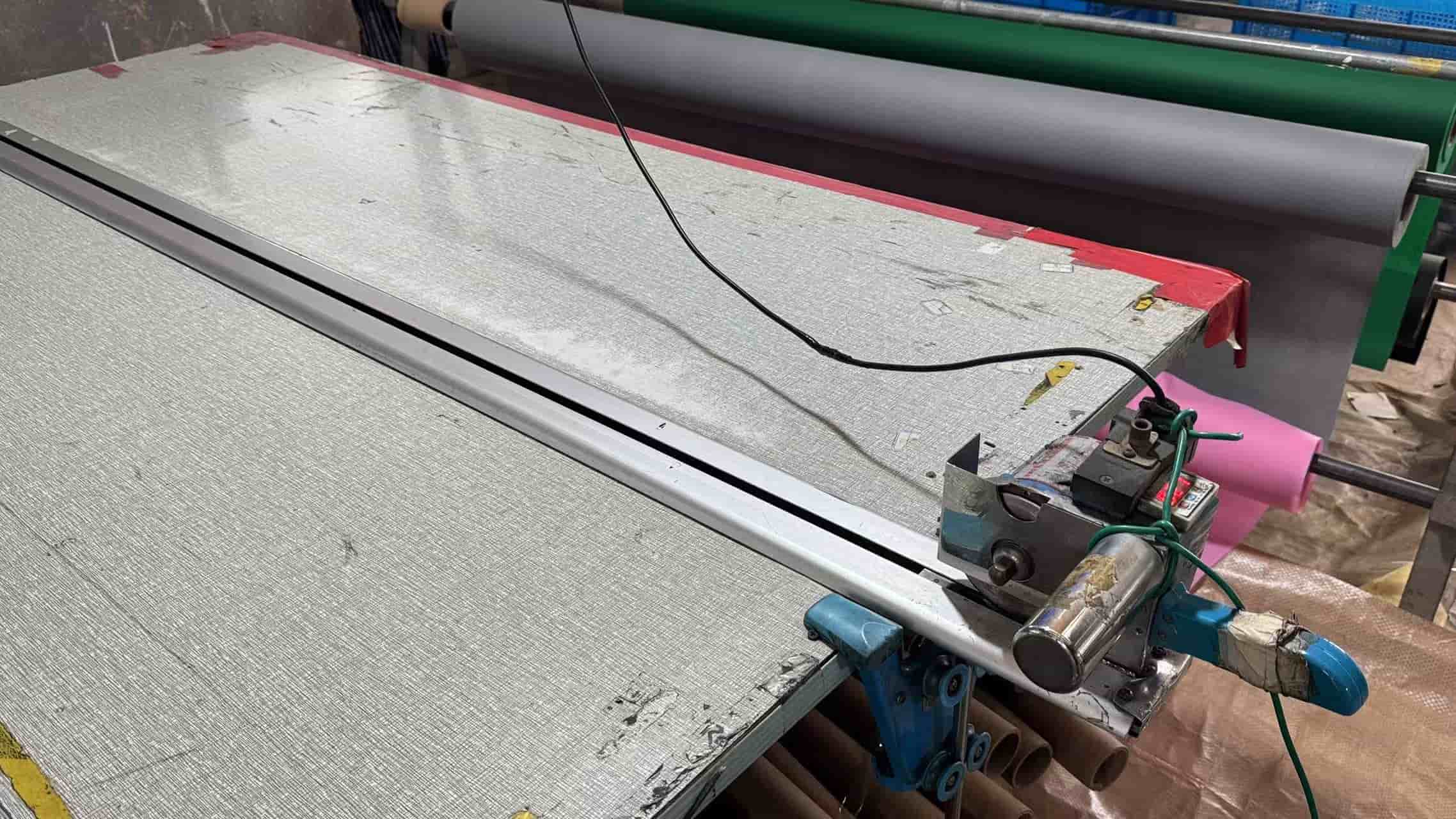
When purchasing light controllers from China, global buyers must look beyond basic pricing and prioritize system safety, interoperability, and mechanical durability. An effective evaluation process starts with verifying essential international safety certifications.
Electromagnetic Compatibility (EMC) is another critical factor. Because switching power components and fast microprocessors generate RF noise, inferior controllers can cause visual noise in studio setups or interfere with nearby wireless networks. Always ask factories for their EMC test reports (EN 55015 / FCC Part 15 Class B) to confirm that the devices are properly shielded.
For outdoor, industrial, or pool-adjacent applications, the Ingress Protection (IP) rating is paramount. Silicone sealing, conformal coatings on internal PCBs, and waterproof PG cable entry glands are required to protect sensitive microelectronics against dust and moisture ingress.
Answering critical engineering and operational questions for global import partners.
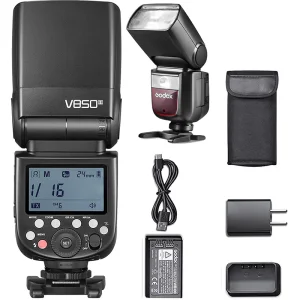
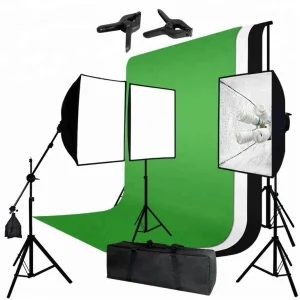
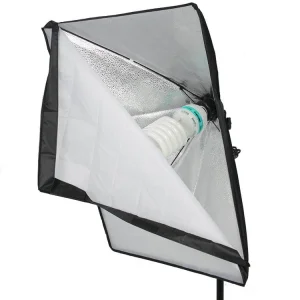
High-end softboxes, continuous panels, and flash speedlights designed for international broadcasting and content studios.
 Alterra Lighting