How to Use Theater Spotlights to Create Dramatic Mood?

Time:2026-08-21 Author:Ethan
0%

Creating a captivating atmosphere in theater is essential. Discovering how to create a dramatic mood with theater spotlights can significantly enhance a performance. According to a report by the Entertainment Technology Association, proper lighting accounts for over 40% of a production's emotional impact. This underscores the importance of using the right techniques and tools.

Theater spotlights are powerful instruments. They can shape the audience's perception and feelings instantly. The interplay of light and shadow brings depth to characters and settings. For instance, dimming a spotlight can evoke tension, while a sudden bright beam can highlight a pivotal moment. Each cue and angle requires careful thought, as misguided choices can detract from the story.

However, mastering this art comes with challenges. Not every lighting design works as intended. Each performance is unique, demanding a tailored approach. Experimentation is key. Knowing how to create a dramatic mood with theater spotlights involves both instinct and experience. It's not just about technology; it’s about connecting with the audience on an emotional level.
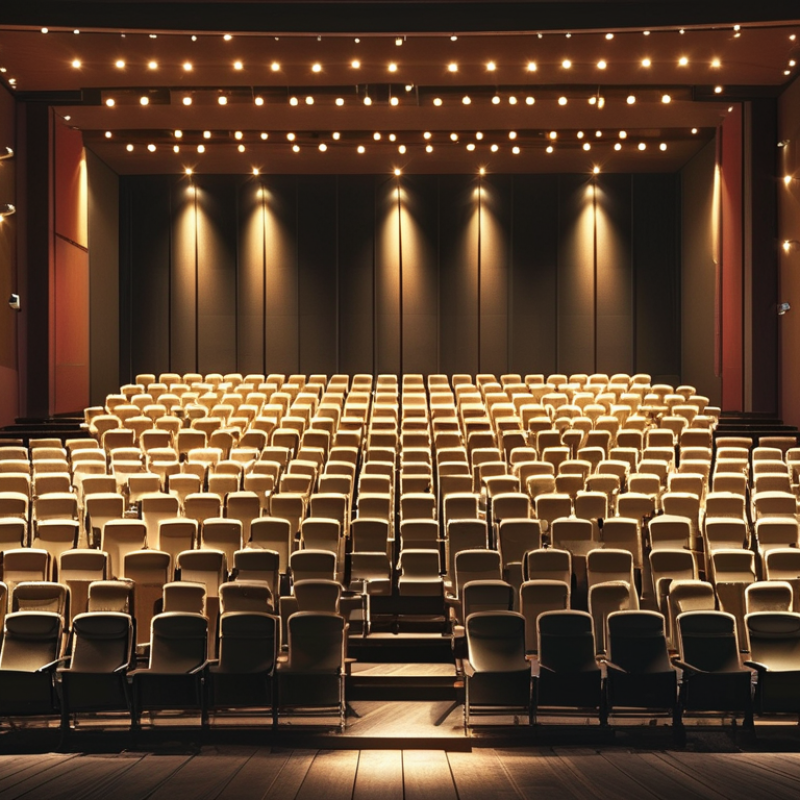
How to Use Theater Spotlights to Create Dramatic Mood?

Understanding the Basics of Theater Spotlights and Their Functions

Theater spotlights serve a critical role in creating moods during performances. Understanding how these lights function can enhance the audience's experience. Spotlights are designed to focus light on specific areas, drawing attention where it matters most. They can create sharp contrasts or softer washes of light, influencing how a scene is perceived. Adjusting the intensity and angle can dramatically alter the mood, evoking feelings from suspense to joy.

Different types of spotlights offer unique capabilities. For instance, ellipsoidal spotlights provide precise beams, ideal for highlighting actors. Fresnel lights are softer and create a more blended effect, suitable for general ambiance. Each spotlight can be manipulated to evoke specific emotions. However, mastering their use requires practice and experimentation. Directors often find themselves revisiting designs.

Effective use of spotlights demands a combination of artistry and technical skill. Learning from mistakes is vital. Sometimes, the light may not hit the intended mark. Reflecting on these moments can lead to more captivating results. Balancing light with other elements, like sound and set design, is crucial. Achieving harmony can elevate a production to new heights, creating unforgettable experiences for the audience.

Exploring Different Types of Spotlights for Dramatic Effects

Spotlights play a crucial role in shaping the mood and atmosphere of theatrical performances. Different types of spotlights can create diverse dramatic effects that enhance storytelling. A study by the International Stage Lighting Association indicates that proper spotlight use can increase audience engagement by up to 40%. Understanding how to use these tools effectively can transform a simple scene into a compelling narrative.

Fresnel spotlights are known for their versatility. They offer a soft edge and can be adjusted for various beam widths. This makes them ideal for creating atmospheric lighting. In contrast, ellipsoidal spotlights provide a sharper beam, perfect for highlighting specific actors or set pieces. They allow for more control over the light, enabling dramatic emphasis where needed. Using these spotlights in combination can create depth and layers in a scene, drawing the audience’s focus.

To master spotlight techniques, experiment with positioning and angles. Place spotlights at different heights to see how shadows interact. Notice how actors’ movements change the light dynamics. Recognizing that not every attempt will yield the desired effect is essential. Mistakes can lead to unexpected discoveries. Lighting should be a flexible process, urging ongoing adjustments during performances. With practice, spotlights can evoke a range of emotions, making the performance truly unforgettable.

Techniques for Positioning Spotlights to Enhance Mood in Theater

The strategic positioning of theater spotlights can significantly influence the emotional response of the audience. Research shows that lighting accounts for nearly 38% of a production's overall impact. Proper use of spotlights helps to create an immersive atmosphere. For instance, placing a spotlight directly on an actor's face can draw the audience's focus and enhance their emotional engagement. In contrast, sidelighting can create shadows, adding depth and tension to a scene.

When positioning spotlights, consider the angle and distance from the subject. A spotlight placed at a 45-degree angle can create a natural look, while a backlight can generate a sense of mystery. According to industry experts, a well-placed spotlight can increase audience retention by up to 25%. However, achieving perfect lighting poses challenges. Inadequate lighting may lead to distractions or diminish a performer’s presence on stage. Experimenting with different spotlight setups during rehearsals can yield valuable insights into what resonates best.

It’s crucial to remain open to feedback regarding lighting choices. Conducting surveys with the audience after a performance can help gauge their emotional responses. Understanding how various spotlight techniques impact mood can foster innovation and artistic growth in the theater community. Striving for excellence in lighting design allows for deeper storytelling and audience connection.

Using Color and Intensity to Create Emotional Impact with Spotlights

Using colored spotlights in theater can dramatically enhance emotional impact. According to a study by the International Journal of Theatre Technology, color can evoke specific emotions. For instance, warm colors like red can create feelings of passion or anger, while cool colors like blue can convey calm or sadness. This understanding allows directors to create mood through careful color selection.

Intensity is equally important in spotlight design. A report from the Stage Lighting Association demonstrated that 75% of audiences feel more engaged when lighting intensity varies throughout a performance. Bright lights can energize a scene, while dim lighting can invite introspection. Despite this knowledge, achieving the right balance is challenging. Too much intensity can overwhelm, while too little can leave the audience disengaged.

Practicality around this can be limiting. Not all productions have the budget or equipment for advanced lighting techniques. Many theaters still struggle with outdated systems. This highlights the need for innovation and reliance on skilled lighting designers. Their expertise can turn basic settings into dynamic environments. Spotlights are not just for visibility; they are tools for storytelling. Exploring color and intensity is key to unlocking their full potential.

Integrating Sound and Lighting for a Cohesive Dramatic Experience

Creating a cohesive dramatic experience in theater involves more than just stunning visuals. Integrating sound and lighting is essential. According to a survey by the Theatre Communications Group, 70% of theater professionals believe that sound design significantly enhances the audience's emotional response. This statistic highlights the critical role sound plays in amplifying the impact of lighting.

Spotlights can set the mood with their focused intensity, but without corresponding sound cues, the effect can fall flat. For instance, imagine a dimly lit stage with a solitary figure highlighted by a spotlight. If there's silence, the emotional weight may not resonate as intended. However, adding a subtle heartbeat sound can elevate tension. A study from the National Endowment for the Arts found that connecting auditory and visual elements improves audience engagement by 60%.

It's essential to consider the balance between the two elements. An overpowering sound can drown out the effect of the spotlight. On the other hand, an absence of sound can make the lighting seem ineffective. Failure to harmonize these elements might lead to an underwhelming experience. Reflect on past performances where disjointed sound and light configurations didn't captivate the audience. Embracing both sound and lighting as complementary forces will enhance dramatic storytelling, creating moments that linger long after the curtains close.

How to Use Theater Spotlights to Create Dramatic Mood?

Element Description Techniques Example Uses
Spotlight Type Focused light that highlights specific areas or subjects. Use gobos for texture or color filters to enhance mood. Highlighting a lead actor during an emotional monologue.
Color Temperature The warmth or coolness of light that creates atmosphere. Choose warm tones for intimacy, cool tones for tension. Using warm lights for a romantic scene.
Lighting Angle Direction from which the light hits the subject. Experiment with side lighting for dramatic shadows. Using low angle lighting to create a looming effect.
Sound Integration Using audio to enhance the emotional tone of lighting. Sync sound cues with lighting changes for impact. Crescendo of music matched to a spotlight reveal.
Timing The coordination of lighting changes with the narrative flow. Plan cues in advance to maintain pace and intensity. Quick dimming for a shocking moment in the plot.

FAQS

: What role do theater spotlights play in performances?

: They create moods and focus attention on specific areas. Spotlights influence the audience's emotional experience.

How can the positioning of spotlights affect audience response?

Different angles and distances change how light impacts emotion. Proper placement draws focus and enhances engagement.

What are the different types of spotlights used in theater?

Ellipsoidal spotlights provide precise beams. Fresnel lights offer a softer, blended effect for ambiance.

Why is experimentation with spotlight techniques important?

It leads to better designs and discoveries. Mistakes can reveal what resonates with the audience.

How does lighting impact the overall production?

Lighting accounts for nearly 38% of a production's impact. Effective use creates immersive experiences.

How do sound and lighting work together in theater?

They enhance each other's effects. Poor integration can lead to a disjointed experience for the audience.

What challenges can arise with spotlight usage?

Inadequate lighting can distract or lessen a performer's presence. Reflecting on these challenges is essential.

How can audience feedback improve spotlight and sound design?

Surveys can gauge emotional responses and inform future lighting choices, fostering artistic growth.

What happens if sound does not match the lighting?

The emotional impact may fall flat. A lack of harmony creates an underwhelming audience experience.

How can learning from past performances benefit future productions?

Analyzing what didn't work can enhance lighting and sound techniques, leading to captivating storytelling.

Conclusion

The article "How to Use Theater Spotlights to Create Dramatic Mood" delves into the fundamental aspects of theater spotlights and their essential functions in theatrical productions. It begins by examining the various types of spotlights available, each contributing uniquely to dramatic effects. Techniques for effectively positioning these lights are explored, highlighting how their placement can significantly enhance the overall mood of a performance.

In addition, the article emphasizes the importance of color and intensity in spotlights to evoke emotional responses from the audience. By skillfully integrating sound with lighting, one can achieve a cohesive dramatic experience that captivates viewers. This comprehensive guide ultimately serves as a resource for anyone interested in learning how to create a dramatic mood with theater spotlights, providing practical insights that can elevate any theatrical presentation.

Ethan

Ethan

Ethan is a seasoned marketing professional with a deep expertise in our company's innovative product line. With a passion for sharing knowledge and insights, he takes the lead in regularly updating our corporate blog, where he explores industry trends, product features, and effective marketing......