In the world of cinematic interviews, the right lighting can make or break the visual appeal. Understanding how to use light modifiers for cinematic interviews is essential for achieving that professional look. Renowned cinematographer Jane Doe once said, "Light tells the story; it shapes mood and captures emotion." This insight emphasizes the importance of lighting in crafting compelling narratives.
Light modifiers serve as tools to manipulate and enhance natural light. They can soften shadows, diffuse harsh light, and create depth in a shot. Whether you’re using flags, reflectors, or softboxes, each modifier offers unique characteristics. Experimentation is often necessary, as different settings require different approaches. Finding the right balance is key.
Mastering how to use light modifiers for cinematic interviews also involves learning from mistakes. A poorly adjusted modifier can change the entire tone of an interview. Reflecting on each setup can lead to improved techniques. In the competitive field of cinematography, every detail matters, and thoughtful lighting choices pave the way for outstanding results.
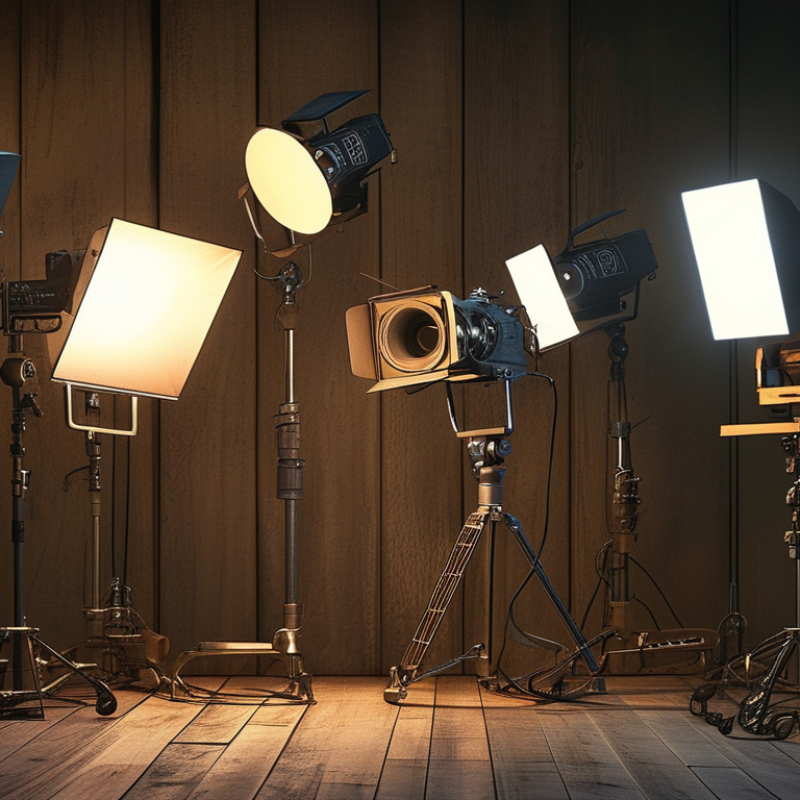
In cinematic interviews, lighting plays a crucial role. It shapes not only the mood but also the narrative. Understanding light modifiers can transform ordinary interviews into extraordinary visual stories. Softboxes, for example, diffuse harsh light and create a flattering appearance. They can enhance skin tones and reduce shadows. Another option is reflectors. A simple reflector can bounce light back onto the subject, adding warmth and depth.
Control is essential in each lighting setup. Using flags can block unwanted light and create more dramatic effects. However, it’s easy to underestimate the impact of natural light sources. Sunlight can add a beautiful, dynamic element to your shots, but it requires careful management. Learning to adapt to changing light conditions is vital but can be challenging.
Experimentation is key in mastering these modifiers. Each has its strengths and weaknesses. You may find that what works in one situation does not work in another. Reflect on your past experiences. Consider how different modifiers changed the atmosphere. Understanding these nuances will improve your cinematic storytelling significantly. Keep pushing the boundaries of how you use light to tell compelling stories.
This chart displays the popularity of various light modifiers used in cinematic interviews based on industry feedback. Each modifier's effectiveness is rated on a scale from 1 to 10, indicating their impact on achieving a desired cinematic look.
Light modifiers play a critical role in creating compelling cinematic interviews. They help shape, soften, or control light in ways that enhance the visual storytelling. Common types include softboxes, reflectors, and grids. Softboxes diffuse light, providing a soft and flattering effect. Reflectors redirect light, adding dimension to the subject. Grids can focus light and minimize spill, creating mood.
When selecting your light modifiers, consider their placement and distance. Experiment with angles to see how light interacts with your subject. This can drastically alter your shot's mood. Remember, too much light can wash out details. Reflectors can often work in harmony with natural light.
Remember to pay attention to shadows. They can add depth but also distract from the main subject. Adjusting the intensity gives you control over the atmosphere. Aim for balance without overwhelming your frame. Use different modifiers to see which fits your narrative style best. Every choice should serve your story.
Lighting plays a crucial role in the aesthetic quality of cinematic interviews. Light modifiers, such as softboxes and reflectors, can drastically change the mood and clarity of the interview setup. According to a report from the International Cinematographers Guild, 72% of cinematographers believe that the quality of light directly impacts audience engagement. This makes choosing the right modifiers essential for a professional look.
Soft light, often produced by diffusion materials, creates smooth shadows. This effect is significant in interviews as it enhances the skin tone and reduces harsh contrasts. Research shows that softer lighting can make subjects appear more approachable and relatable. Conversely, harsh lighting may lead to unflattering shadows and distract viewers. The balance between natural and modified light is critical, as it significantly affects emotional resonance.
Some filmmakers underestimate the importance of light modifiers. Simple adjustments, like repositioning a softbox, can yield profound differences. A poorly placed light can create unwanted glare or distort facial features. Even experienced creators may struggle with consistent lighting setups. Continuous reflection and experimentation can lead to improved techniques. Adopting a mindset focused on iterative learning will refine the interview lighting process, fostering better results over time.
When selecting the right light modifier for cinematic interviews, consider the mood and vibe you want to convey.
Softboxes can create a flattering and diffused light, which is ideal for skin tones. In contrast, reflectors can bounce light, adding depth and dimension. Each option has its strengths. The size and placement of the light modifier also play a critical role in achieving your desired effect.
It’s beneficial to experiment with different modifiers to see what resonates with your subject. A beauty dish might provide a glamorous look, while a grid will limit spill light and add focus. Keep in mind that the environment's colors and textures will interact with your chosen modifier. Sometimes, the results may not match your initial vision. Reflecting on what worked and what didn’t is key to improving your technique.
Also, consider the logistics of your setup. Some modifiers are easier to transport and deploy than others.
A large umbrella can be cumbersome, while a collapsible softbox is more user-friendly. This discretion allows room for thoughtful adjustments during filming. Whatever you choose, ensure it aligns with your artistic intention and enhances the narrative you aim to tell.
Lighting can make or break a cinematic interview. Using light modifiers effectively requires practice and understanding. Softboxes can diffuse harsh light, creating a flattering glow. They soften shadows and give subjects a delicate look. However, positioning is key. Placing a softbox too far can lead to losing this softness.
Reflectors are another great tool. They bounce light to fill in shadows. They come in various sizes and colors. A gold reflector adds warmth, while a silver one increases intensity. The downside? They can be tricky to manage. Positioning them at the wrong angle creates unwanted highlights. Sometimes, less is more. Using fewer modifiers can yield a raw, authentic feel.
Experimentation is essential. Each interview is unique, requiring different lighting solutions. Take time to adjust your setup. Reflect on how each modifier changes the mood. Seek feedback from others to improve your approach. Learning to read lighting dynamics takes time. Your journey in mastering light modifiers will enhance the impact of your interviews.
: Light modifiers shape, soften, or control light, enhancing visual storytelling in cinematic interviews.
Softboxes diffuse harsh light, creating a soft and flattering glow that softens shadows on the subject.
Reflectors bounce light to fill shadows, adding dimension and warmth to the subject's appearance.
Incorrect positioning can remove softness or create unwanted highlights, negatively impacting the shot's quality.
Excessive light can wash out details, making subjects appear flat and reducing visual interest.
Each interview is unique; experimentation helps discover the best lighting solution that fits your narrative.
Shadows add depth but can distract, so balance them carefully to focus on the main subject.
Sometimes, fewer modifiers create a more authentic feel; too many can overwhelm the scene.
Seeking feedback allows you to reflect on your choices and adjust for better lighting dynamics.
Managing reflectors can be tricky; wrong angles can result in unwanted highlights on the subject.
In the world of film production, understanding how to use light modifiers for cinematic interviews is crucial for achieving the desired aesthetic. Light modifiers, such as softboxes, reflectors, and diffusers, play a significant role in shaping the quality of light that illuminates subjects during interviews. By manipulating the intensity and direction of light, filmmakers can create flattering and dramatic looks that enhance storytelling.
When selecting the right light modifier, it's essential to consider the interview setup and the mood you wish to convey. Best practices include experimenting with various types of modifiers to see how they affect the overall lighting aesthetic. Whether aiming for a soft and inviting glow or a more striking contrast, knowing how to effectively employ light modifiers will elevate the visual appeal of your cinematic interviews, ensuring a professional and polished result.
