In the world of photography, lighting plays a crucial role. Understanding how to choose between continuous light and flash for photography can significantly impact your results. According to a study by the American Society of Photographers, 70% of successful images depend on effective lighting techniques. Each method has its unique characteristics and advantages, which can create distinct atmospheres in your shots.
Continuous lighting allows photographers to see how light interacts with their subjects in real-time. This is particularly beneficial for novices who may struggle with traditional flash setups. Interestingly, a survey by the National Photographic Society revealed that 60% of beginners prefer continuous light due to its ease of use. However, flash can produce remarkable effects, freezing motion and enhancing details in ways continuous light may not.
It's essential to acknowledge the limitations of each option. Continuous lights can lead to overheating and may drain batteries quickly. Conversely, flashes often require a learning curve. As you navigate the decision of how to choose between continuous light and flash for photography, consider your specific needs, equipment availability, and the scenarios you will encounter. The right choice can elevate your work, yet both methods have their challenges that warrant reflection.
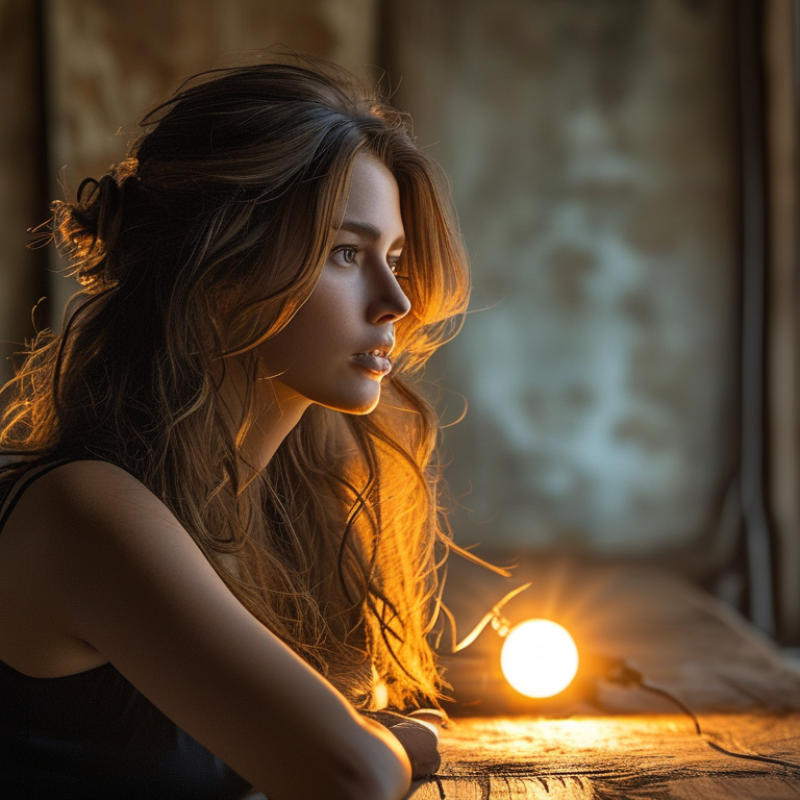
When choosing between continuous light and flash for photography, understanding the basics is key. Continuous light provides a steady source of illumination. It allows photographers to see the effect of lighting in real-time. This can be especially helpful for beginners. You can adjust positions and angles to create the desired look. However, continuous light can get hot. It may limit your lighting options in tight spaces.
On the other hand, flash can offer a burst of light that freezes motion. It’s powerful and versatile for various scenarios. Flash can create dramatic effects without generating heat. But it requires careful adjustment. Misjudged settings can lead to overexposed or underexposed images. Flash also involves a learning curve, as the timing and sync with a camera can be tricky.
Choosing the right option can be challenging. It depends on your specific needs and style. Consider the setting, subjects, and your comfort level with each type. Continuous light is forgiving, allowing for experimentation. Flash requires precision, often demanding more practice. Each option has its strengths and weaknesses, and that is what makes photography an ongoing journey.
When choosing between continuous light and flash for your photography, it's crucial to weigh the advantages and disadvantages of each. Continuous lighting provides a consistent source of illumination, making it easier for photographers to visualize shadows and highlights. This type of lighting is particularly useful for beginners, as it simplifies the process of setting up shots. However, the limitation lies in its power. Continuous lights may struggle to provide sufficient illumination in bright environments, leading to a need for adjustments in camera settings.
On the other hand, flash offers a powerful burst of light. This can freeze action and create stunning highlights, especially in portrait photography. The downside is that flashes can be unpredictable. They require planning and understanding to achieve the desired effects. The duration and intensity can vary, sometimes resulting in undesirable shadows or glare. Adapting to flash can take time and practice.
Both options have their unique characteristics. Continuous lighting promotes creativity by allowing for real-time adjustments. Flash, while powerful, can introduce complexity. Assessing your specific photography style and environment will guide your decision, but be prepared for trial and error. Embrace the learning curve involved in mastering each lighting technique.
| Criteria | Continuous Light | Flash |
|---|---|---|
| Setup Time | Quick and easy setup | Takes longer to set up |
| Light Output | Consistent and adjustable | Powerful and quick bursts |
| Heat Generation | May generate more heat | Minimal heat during use |
| Battery Life | Stays on for long periods | Limited to battery capacity |
| Cost | Generally more affordable | Can be more expensive |
| Learning Curve | Easier for beginners | Requires some technical knowledge |
| Versatility | Great for video and stills | Best suited for still photography |
| Portability | Bulky setups often needed | Compact and lightweight options |
| Shadow Control | Soft shadows possible | Sharp shadows with direction |
| Flicker | No flicker issues | Flicker can occur |
When choosing between continuous light and flash, speed is crucial. Continuous lights allow you to see how shadows and highlights interact in real time. This instant feedback is valuable for beginners. However, flash units have a much faster recycling time. They can freeze motion effectively, capturing sharp images in quick scenarios. This speed is particularly useful in sports or wildlife photography, where every second counts.
Power is another essential factor. Continuous lighting often lacks the intensity needed for certain settings. In contrast, flashes can produce a powerful burst of light. This is beneficial for outdoor shoots in bright conditions. Photographers often rely on flash to overcome high ambient light levels. It can create stunning contrast and depth in images.
Control over the lighting setup is equally vital. Continuous lights are easier to manipulate due to their consistent output. Adjustments are visible instantly, providing clarity throughout the shoot. Flashes, though sometimes complex, offer diverse options for creative effects. Understanding the intricacies of each type can lead to better decision-making. Experimentation is key. Trying both methods under different conditions can yield surprising results. Embrace the learning curve; every choice shapes your artistic vision.
Color temperature plays a crucial role in photography. It affects the mood and feel of your images. Continuous light sources typically offer a consistent color temperature, allowing for predictable results. In contrast, flash can vary in temperature, making it essential to assess carefully. Understanding the differences can enhance your photography significantly.
When choosing between continuous light and flash, consider the ambiance you desire. Soft white light often creates a warm, inviting atmosphere. On the other hand, a cooler light can evoke a more clinical, contemporary feel. Experimenting with different setups can lead to new artistic discoveries.
Always check how your light sources render colors. Use a gray card or color checker to help establish a reference point. This practice ensures the integrity of colors in your final image. Remember that the quality of light matters, too. Harsh shadows may require soft diffusers or modifiers for a more polished look. It's a balancing act that deserves thoughtful examination.
When budgeting for photography equipment, both continuous lights and flash units come with distinct costs. Continuous lights, typically favored for their ease of use, can range from $50 to several thousand dollars. Their affordability makes them a popular choice among beginners. However, remember that cheaper models may lack the power needed for certain professional applications.
Flash units also vary in price. Entry-level options start around $75. High-end units can exceed $1,500. However, flashes often require additional investments in sync triggers and modifiers, which can add to your budget. Industry data suggests that a complete lighting setup with flashes can cost an average of $500 to $1,000. It's crucial to evaluate how much you can afford to spend without sacrificing quality.
Tip: Assess your lighting needs based on your genre. Portrait photography may benefit from the directionality of flash, while product photography could enjoy the smoothness of continuous light. Tip: Consider your space. Continuous lights generate heat, potentially affecting your shooting environment. Remember, investing in quality equipment is vital for long-term success. You want to avoid having to replace cheaper options frequently.
: Continuous lighting offers a steady source of illumination, making it easy to visualize shadows and highlights.
It allows beginners to see lighting effects in real-time, helping with shot setup.
Continuous lights can struggle in bright environments and may become hot during use.
Flash provides a burst of light that can freeze motion and create dramatic highlights.
Flash requires careful adjustment, and misjudged settings can lead to exposure issues.
Flash introduces complexity, demanding practice and understanding to achieve desired effects.
Yes, it allows for real-time adjustments and experimentation in various settings.
Each option has distinct pros and cons, making it essential to consider personal style and environment.
Flash can create unpredictable shadows or glare, which may require adjustment and understanding.
No, it involves trial and error, requiring patience and willingness to learn from mistakes.
When considering how to choose between continuous light and flash for photography, it's essential to understand the foundational differences between these two lighting options. Continuous light provides a steady source that allows photographers to see shadows and highlights in real-time, while flash offers high intensity and is often preferred for freezing motion. Each comes with its own set of advantages and disadvantages, requiring careful evaluation based on the specific needs of the shoot.
Key factors to consider include the speed, power, and control of different flash types, as well as the color temperature and overall quality of both lighting solutions. Additionally, budgeting plays a critical role, as the costs associated with continuous lights can differ significantly from those of flash units. Understanding these elements will help photographers make informed decisions tailored to their creative vision and project requirements.
