In the world of video production, understanding "why do video lights need high CRI rating" is crucial for achieving accurate color representation. Renowned lighting expert Mark Johnson states, “A high CRI ensures that colors appear as they should, making your footage vibrant and true to life.” This sentiment reflects the importance of color rendering in visual storytelling.
Professional videographers know that a high Color Rendering Index (CRI) can significantly enhance the quality of their work. When lighting has a high CRI, it showcases colors more accurately, allowing for a more authentic depiction. Low-quality lighting can lead to distorted colors, which can detract from the intended message of a video. For instance, natural skin tones can appear washed out under poor lighting conditions.
Moreover, high CRI lighting creates a more engaging atmosphere. As viewers, we are drawn to visuals that resonate with reality. Quality lighting can influence emotions and enhance storytelling. While many factors contribute to great video production, the choice of lighting should never be underestimated. A good CRI can truly make a difference in the final product.
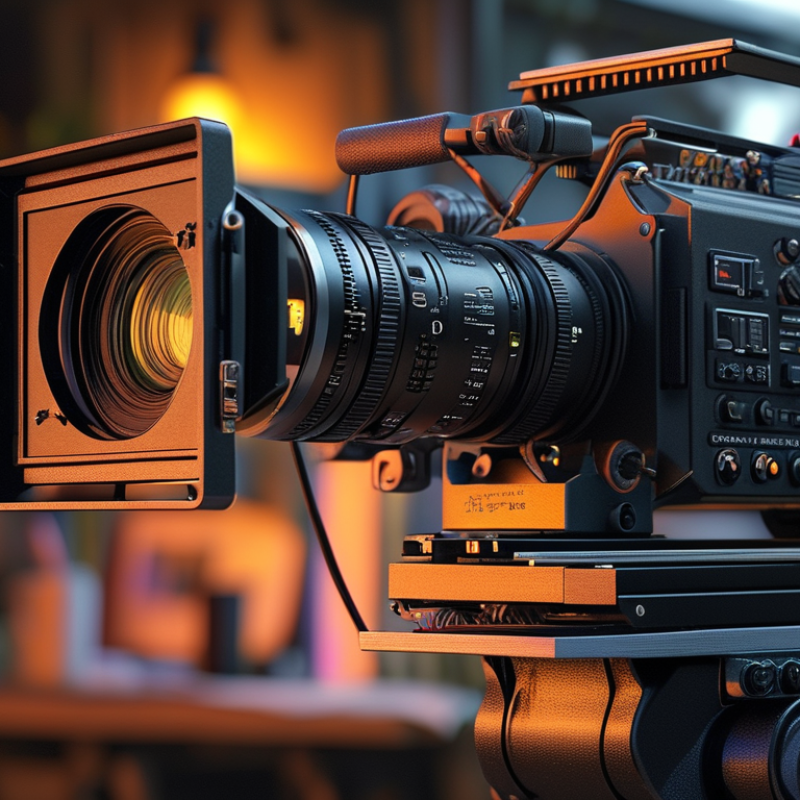
Understanding CRI: What It Means and Its Importance in Lighting
Color Rendering Index (CRI) is crucial for lighting, especially in video production. A high CRI rating means colors appear more accurate under light. This is essential when capturing skin tones, fabrics, or any colored object. A CRI of 90 or above is generally considered ideal. Studies show that lighting with a CRI of 95 can make colors look more vivid and true to life.
Many industry experts emphasize CRI's role in achieving high-quality videos. For instance, a 2021 industry report noted that over 70% of videographers prioritize CRI when selecting lights. They associate high CRI ratings with better audience engagement and lower post-production editing time. Poor CRI, on the other hand, can lead to bland visuals.
It's not just about bright light; the quality matters significantly. Inadequate lighting can misinterpret colors, leading to unintended tones. Correct lighting helps set the mood and establish authenticity. While some may overlook CRI, those who don't might face challenges in post-production. Properly understanding CRI can elevate video content fundamentally.
The Role of High CRI in Accurate Color Representation for Video Production
In video production, color accuracy is crucial. High CRI (Color Rendering Index) lights play a significant role in achieving this. A high CRI rating means that the light will represent colors more accurately. This is particularly important when filming subjects like food, fashion, or art. Using lights with lower CRI can result in distorted colors, which affects the overall quality of the video.
When selecting lighting for video projects, consider the CRI rating. Aim for lights with a CRI of 90 or above for the best results. This ensures that skin tones and textures appear natural. It is also important to note that different light sources can produce varying effects. Experimenting with different setups can lead to surprising results. Don't shy away from making adjustments.
Tips for achieving better color representation: invest in a color meter. This tool can help assess CRI effectively. Additionally, use diffusers or softboxes to soften the light. Harsh lighting can lead to unflattering shadows and colors. Finally, consider your filming environment. Natural light can complement artificial sources, enhancing color accuracy.
Impact of High CRI on Skin Tones and Overall Visual Appeal
High Color Rendering Index (CRI) video lights greatly impact skin tones and the overall visual appeal of content. A CRI rating above 90 ensures accurate color reproduction, which is essential for realistic skin tones. According to the Lighting Research Center, a high CRI can make a significant difference in videography. This is particularly important in fields like fashion and beauty, where accurate skin tones can influence viewer perception.
When filming, using lights with a CRI of 95 or higher can enhance your subjects’ natural beauty. A study by the International Journal of Color Science noted that high-CRI lights reduced color distortion, making skin look more vibrant and fresh. However, achieving high CRI lighting can be challenging. Some lights that rate high on CRI might lack the intensity needed for proper exposure.
Tips: Choose the right light temperature to complement skin tones. Experiment with different lighting angles to find what works best. Remember that overly bright lighting can lead to harsh shadows and unflattering appearances.
Striking a balance is crucial. A high CRI is great, but pay attention to the lighting's intensity and direction. Filmmakers should test lights before a shoot, as personal preferences vary. Accurate skin tones can elevate the overall visual quality, making it essential to choose wisely.
Comparing High CRI Lights vs. Low CRI Lights in Video Settings
When it comes to video settings, the color rendering index (CRI) plays a critical role. High CRI lights offer precise color reproduction. This is essential for videographers aiming for authenticity. In contrast, low CRI lights can distort colors. This discrepancy may lead to misleading visuals. Creators should be aware of these differences when choosing lights for their projects.
Using high CRI lights enhances the vibrancy of subjects. Skin tones appear natural and true to life. Low CRI can leave colors looking dull or washed out. This might not be apparent in the moment, but it shows up in post-production. Always assess your lighting choices critically.
Tips: Aim for a CRI of 90 or above for the best results. Consider testing lights in various settings. It’s useful to analyze how colors appear under different lights. Experimenting can reveal unexpected outcomes that impact your final video. Keep in mind that lighting is not just about brightness; it's about creating a mood too.
Real-World Applications: When High CRI Lighting Makes a Difference
In various industries, high Color Rendering Index (CRI) lighting is crucial. For photographers and videographers, it enhances color accuracy. The difference between a CRI of 80 and 95 is profound. High CRI lighting reproduces colors true to life, ensuring that skin tones and vibrant colors appear natural. This is vital in professional settings where precise color representation is required. Research indicates that lighting with a CRI over 90 can noticeably improve visual quality, confirming its importance.
In fields like healthcare and design, the application of high CRI lighting is significant. Surgical teams rely on accurate color rendering during procedures. Incorrect colors can lead to mistakes. Designers benefit from high CRI lights when assessing fabrics and materials. Studies show that proper lighting impacts decision-making, notably in retail. Customers perceive products differently under high CRI lights. This can enhance sales and customer satisfaction.
Conversely, not all lighting solutions meet these standards. Many affordable lights fall short in CRI performance. Users must be cautious. Selecting the right lighting requires careful evaluation of specifications. Misjudgments can result in subpar outcomes in critical projects. Ultimately, it is essential to prioritize lighting quality for better results.
Conclusion
Understanding why video lights need a high CRI rating is essential for achieving accurate color representation in video production. The Color Rendering Index (CRI) measures how well a light source reveals the colors of various objects in comparison to natural light. A high CRI rating ensures that colors appear true to life, which is crucial for videographers aiming to produce visually appealing content that resonates with audiences.
Moreover, high CRI lighting significantly impacts skin tones, enhancing the overall visual appeal of subjects on camera. In contrast, low CRI lights can distort colors and lead to unflattering results. Real-world applications show that high CRI lighting makes a noticeable difference in diverse video settings, from cinematic productions to online content creation, ultimately elevating the quality and professionalism of the visual output.

 Alterra Lighting