10 Essential Safety Rules for Operating Laser Stage Lights?

Time:2026-09-05 Author:Amelia
0%

In the world of live performances, laser stage lights add a stunning visual element. However, safety must be a priority. According to John Smith, an expert in stage lighting safety, “Ignoring safety rules can lead to serious injuries.” This highlights the importance of knowing what are the safety rules for operating laser stage lights.

Laser lights can pose risks if not handled properly. It's crucial to understand the impact of intense beams. Proper training and understanding are vital for all operators. As lighting technology advances, the potential dangers evolve, making adherence to safety protocols even more necessary.

Ensuring a safe environment during performances requires diligence. Regular inspections and maintenance of equipment are essential. Operators must be familiar with the equipment's specifications. Moreover, awareness of audience placement can prevent dangerous situations. These steps demonstrate a commitment to safety in a visually vibrant industry.
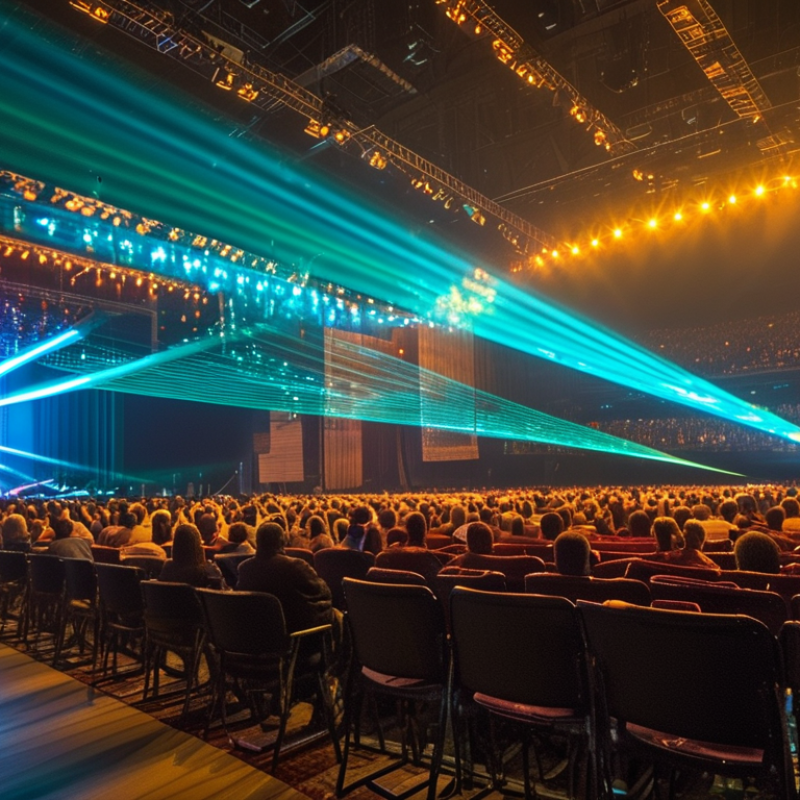
10 Essential Safety Rules for Operating Laser Stage Lights?

Understanding Laser Stage Lights: Types and Applications

Laser stage lights are a captivating feature in entertainment, offering vibrant visuals. They come in various types, such as RGB lights, moving heads, and laser projectors. Each type serves a unique purpose, enhancing concerts, theater performances, and dance shows. Understanding the applications of these lights can significantly elevate production quality.

For instance, RGB lights provide a wide color spectrum, perfect for dynamic effects. Moving head lights add movement, creating an immersive atmosphere. Laser projectors create stunning visuals on surfaces, engaging audiences in ways ordinary lights cannot achieve. Selecting the right type is essential for desired effects, yet understanding their operation is equally vital.

Operating laser stage lights requires careful attention. Safety should never be overlooked. Operators must familiarize themselves with equipment guidelines. Regular maintenance is crucial to avoid malfunctions. It is important to reflect on each use and be aware of potential hazards, such as direct exposure to laser beams. Seeking knowledge from experts can improve operational practices, ensuring a safe and effective lighting experience.

10 Essential Safety Rules for Operating Laser Stage Lights

Importance of Safety Regulations in the Entertainment Industry

Safety regulations in the entertainment industry cannot be overstated. Laser stage lights, while visually stunning, can pose significant hazards if mishandled. A single miscalculation can result in severe injuries. Operators should fully understand the risks associated with these powerful tools. Proper training is essential for all personnel involved in the operation of laser equipment.

Accidents often stem from negligence or lack of awareness. Establishing clear safety protocols is crucial. Every event venue should have written guidelines covering the safe use of laser lights. Regular drills reinforce safety measures and prepare staff for emergencies. Communication among crew members creates a safer environment.

It is easy to overlook the importance of routine inspections. Equipment should be checked regularly before events. Ignoring this step can lead to failures or accidents. Additionally, operators must remain vigilant and aware of audience interactions. Continuous reflection on safety practices is necessary to ensure everyone’s well-being. Safety regulations are not just rules; they are vital for protecting lives in the entertainment industry.

Key Safety Precautions for Installing Laser Lights on Stage

When installing laser lights on stage, safety should be a top priority. The placement of these lights can have a significant impact on both performer and audience safety. Ensure that lasers are mounted securely to avoid any accidental falls. It's vital to assess the venue's layout. Make adjustments if the audience areas are within the laser beam's path. Create a designated zone where performers can work safely away from the laser's direct exposure.

Regularly inspect laser equipment before each use. Check for any signs of wear or damage that could compromise safety. Outdated or malfunctioning equipment can lead to accidents. Establish clear signage to warn about the laser's presence. Make sure that everyone involved understands the potential risks. Training staff on emergency procedures can help mitigate any issues quickly.

Be mindful of the environment. Factors like smoke or fog can intensify laser visibility but also lead to unintended exposure. Testing the setup with low light conditions can be helpful. It's worth noting that laser safety is often overlooked until an incident occurs. Learning from past mistakes is crucial. Engaging experts for guidance can bring confidence in your setup. Proper planning and attention to detail can ensure a safer experience for everyone involved.

Guidelines for Proper Operation of Laser Equipment During Events

Operating laser stage lights requires careful attention to detail. The powerful beams can create stunning effects but also pose risks if not handled properly. Always ensure that the equipment is set up in a well-ventilated area, away from flammable materials. This creates a safer environment for both performers and the audience. Check the area for potential hazards and keep the operating zone clear.

Training personnel is crucial. Everyone must understand the operation of laser equipment. A knowledgeable team can minimize risks effectively. Regular inspections of the equipment are necessary to ensure it is functioning correctly. Small issues can lead to bigger problems if they are overlooked. Each event should have clear safety protocols in place.

Communication is essential during events. All staff members should be informed about the laser setup and emergency procedures. Having designated roles can prevent confusion in high-pressure situations. Remember, safety is not just about avoiding accidents. It’s about creating an enjoyable experience for everyone involved. Reflecting on previous events can help identify what worked and what didn’t. Adjusting based on past lessons is vital for continuous improvement.

Emergency Protocols and First Aid for Laser-Related Incidents

Operating laser stage lights can be thrilling, but the potential for accidents makes emergency protocols vital. In the event of a laser-related incident, immediate action is crucial. Understand the basic first aid steps. For eye exposure, cover the eye with a sterile cloth and seek medical help. Do not attempt to flush the eye unless instructed by a professional.

For skin burns caused by a laser, cool the affected area with running water. Avoid ice as it may cause further damage. Keep the area clean to prevent infection. Always have a first aid kit accessible backstage, stocked with ointments and dressings. This readiness can make a significant difference in an emergency.

Preparing for laser accidents requires regular training. Conduct drills that simulate various scenarios. Encourage the team to communicate openly about safety concerns. Practice can identify weaknesses in protocols. Reflection on past incidents can shed light on improvement areas. Establish clear communication lines among the crew. A simple call for help can be lifesaving. Regularly review these procedures and make necessary adjustments to stay prepared.

FAQS

: Why are safety regulations important in the entertainment industry?

: They prevent severe injuries and protect lives during events.

What are the risks of using laser stage lights?

They can cause significant hazards if mishandled, including burns or eye damage.

How can operators minimize accidents with laser equipment?

Proper training and awareness of safety protocols are essential for all personnel.

Why are regular inspections of equipment necessary?

Routine checks help prevent failures or accidents at events, ensuring safety.

What should be done in the case of eye exposure to lasers?

Cover the eye with a sterile cloth and seek medical assistance immediately.

How should skin burns from lasers be treated?

Cool the burn with running water and keep it clean to prevent infection.

What role does communication play in safety protocols?

Open communication among crew members can create a safer working environment.

How can training help in emergencies?

Regular drills identify weaknesses and improve the team's response to accidents.

What should be included in a backstage first aid kit?

Ointments, dressings, and supplies for various emergencies should be readily available.

How often should safety procedures be reviewed?

Regular reviews and adjustments keep everyone prepared and improve safety practices.

Conclusion

Laser stage lights are widely used in the entertainment industry, but their operation requires strict adherence to safety protocols. Understanding the different types of laser stage lights and their applications is crucial for ensuring safety during performances. Safety regulations serve as a foundation to protect both performers and the audience, highlighting the importance of proper installation and usage practices.

Key safety precautions include securely mounting laser lights, ensuring proper beam direction, and using barriers to limit audience exposure. Guidelines for operation emphasize the need for trained personnel who can manage the equipment effectively during events. In case of any laser-related incidents, having emergency protocols and first aid measures in place is essential. Overall, it's vital to ask, "what are the safety rules for operating laser stage lights," to ensure a safe and enjoyable experience for everyone involved.

Amelia

Amelia

Amelia is a seasoned marketing professional with a wealth of expertise in our company’s core offerings. With an unwavering passion for driving growth and innovation, she plays a pivotal role in shaping our marketing strategies and enhancing brand visibility. A key aspect of her responsibilities......