In the dynamic world of live performances, understanding how to control stage lighting via DMX controller is crucial for creating memorable experiences. Recent industry reports indicate that an impressive 78% of event professionals recognize the importance of advanced lighting systems. A well-coordinated lighting setup can transform an ordinary show into an extraordinary spectacle. It not only enhances the audience's emotional engagement but also highlights the performers' talents effectively.
Mastering DMX controllers involves technical skills and a deep understanding of lighting design principles. It’s not just about pressing buttons; it requires creativity and attention to detail. According to a study from the Event Lighting Association, 65% of lighting technicians reported struggles with programming DMX systems, often leading to frustration. Learning how to control stage lighting effectively means overcoming these challenges and embracing both the art and science of lighting design.
The potential to elevate performances using DMX systems is immense yet often underutilized. Many technicians have yet to harness the full capabilities of their equipment. This indicates a gap in knowledge and training that could be addressed. By focusing on how to control stage lighting via DMX controller, professionals can take significant strides towards enhancing their craft and delivering exceptional shows.
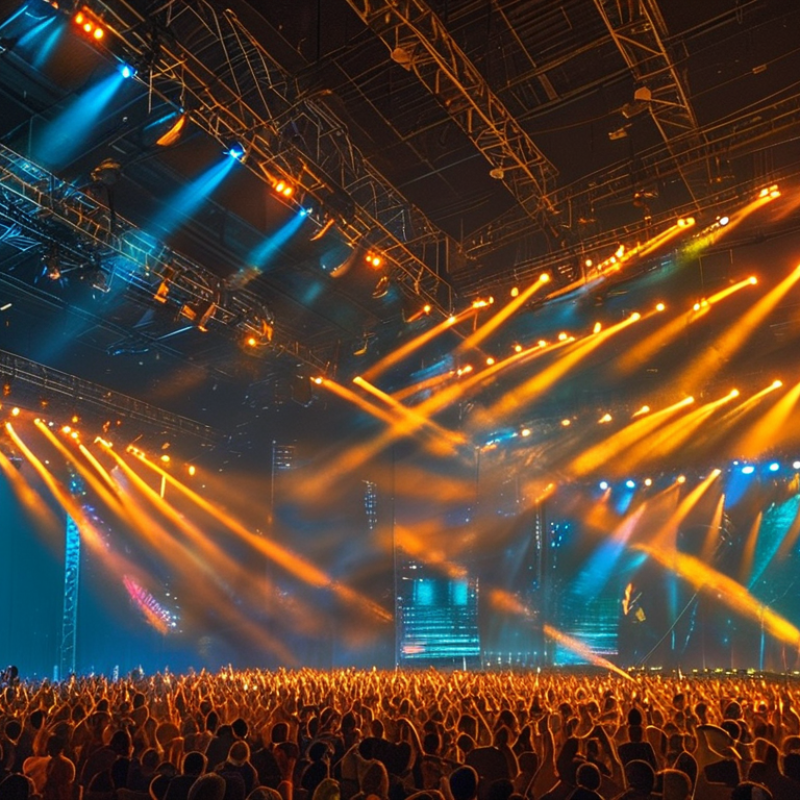
Understanding DMX Controllers and Their Functionality
DMX controllers are essential tools for managing stage lighting. They allow for precise control over lights, creating dynamic atmospheres. Understanding their functionality is critical for achieving professional results. A DMX controller transmits data to lights via a digital signal. This enables synchronizing multiple lights, changing colors, and controlling their intensity.
These controllers generally feature various channels, each corresponding to a specific light fixture or function. However, learning to navigate this system can be challenging. Users often struggle to remember which channel controls what, leading to confusion during performances. Documentation and practice are vital.
Additionally, it's not uncommon for users to forget to save their lighting scenes, resulting in lost work. This highlights the importance of regularly saving your settings. Testing lighting configurations before performances can prevent on-stage mishaps.
While DMX controllers enhance stage presentations, mastering them takes time and patience. Keep experimenting, and don't hesitate to explore tutorials for further understanding.
Setting Up Your DMX Controller for Optimal Use
Setting up your DMX controller for optimal use involves attention to detail and a clear understanding of your lighting needs. Start by connecting your DMX devices in the correct sequence. Ensure that cables are securely plugged in to avoid any interruptions during a performance. Remember to address each device with a unique DMX address. This allows the controller to communicate effectively with them.
**Tips:** Test each light component separately after setup. This can save you time and stress when you are live. If a light isn’t responding, recheck the addressing. It's essential to reassess your setup if something isn't functioning as expected.
Next, familiarize yourself with the controller's interface. Each controller varies slightly, so gaining knowledge of your model is crucial. Experiment with different lighting scenes before the actual event. Take notes on what works and what doesn’t. Sometimes, a planned scene may not fit the mood of the event.
**Tips:** Use color swatches to visualize your chosen palette. This can greatly enhance your lighting design. If a color combination feels off, don't hesitate to try something new. Be prepared to adapt your setup based on the venue’s ambiance.
DMX Controller User Experience Ratings
This chart represents user ratings of various aspects of DMX controller usage, based on a survey of 100 users. Each category is rated on a scale of 1 to 10, where 10 indicates the highest satisfaction.
Configuring Stage Lighting Fixtures with DMX Protocols
Configuring stage lighting fixtures is crucial for any live performance. The Digital Multiplex (DMX) protocol simplifies this process, allowing for precise control over multiple lighting devices. According to industry reports, around 70% of lighting technicians cite DMX as the most reliable protocol in live stage settings.
Proper configuration starts with understanding fixture capabilities. Each fixture has unique parameters. Familiarity with these specifications enhances personal expertise. For instance, LED lights typically require different addressing than traditional incandescent fixtures. A failure to recognize such differences can lead to disorganized control and unsatisfactory results during performances.
Physical setup is equally important. Connecting devices without proper cabling can cause data loss. Technicians should routinely check connections to avoid unexpected failures. As noted in a survey by the Professional Lighting & Sound Association, 50% of reported issues in events stem from connection problems. Training and experience in basic troubleshooting can significantly reduce such occurrences and improve overall performance quality. Focusing on rigging efficiency and checking hardware can yield better control at critical moments. This approach ensures a seamless blend of light, color, and mood—essential for a captivating audience experience.
Creating and Managing Lighting Scenes for Performance
Creating and managing lighting scenes effectively is crucial for any performance. A well-designed scene creates atmosphere and supports the narrative. According to a survey conducted by the Event Safety Alliance, nearly 70% of lighting failures occur due to poor planning. This emphasizes the importance of rehearsal and preparation.
To craft a successful lighting scene, start with a clear vision. Consider the emotional tone and pacing of the performance. Use color theory to your advantage. For instance, warm colors often evoke comfort, whereas cooler tones can create tension. Break scenes into manageable parts. Create presets for different moods, ensuring quick transitions. This allows for smoother changes during live performances, which is vital when timing is critical.
Technology plays a significant role in modern lighting design. A report from the International Association of Venue Managers highlights that over 60% of venues now use DMX controllers for precise control over lighting. However, it's essential to know that technology can falter. Regular system checks are vital. A poorly functioning controller can disrupt an entire performance. Learning from past technical glitches can inform better practices in future events. Always be prepared for unexpected challenges.
Tips for Troubleshooting Common DMX Lighting Issues
When dealing with DMX lighting systems, troubleshooting can often be a challenge. Common issues include unresponsive lights or erratic behavior. It’s crucial to check connections first. Loose cables can cause significant disruptions. Ensure that all DMX cables are securely connected and functioning properly. A simple visual inspection can save time and effort.
If specific lights are not responding, consider channel addressing. Each light should be assigned a unique DMX address. Mistakes in addressing can lead to confusion in control. Resetting the lights may resolve some issues. Sometimes, factory resets can clear persistent problems. Remember that not all lights will react the same way, so testing each one individually can provide insights.
Another area to examine is the DMX controller itself. Sometimes, software updates may be necessary. Old software might lead to incompatibility issues. If you notice glitches while controlling the lights, revisit the user manual for troubleshooting guidance. Noting patterns in the problems can also help refine your approach. Learning from each experience helps build a more efficient setup.
How to Control Stage Lighting with DMX Controller Effectively?
| Issue |
Possible Cause |
Solution |
Prevention Tips |
| Flickering Lights |
Insufficient power supply |
Check and upgrade the power source |
Regularly monitor power supply |
| Unresponsive Lights |
Faulty DMX cable |
Replace or repair the DMX cable |
Use high-quality cables |
| Color Inconsistencies |
DMX channel misconfiguration |
Reconfigure DMX settings |
Keep consistent settings |
| DMX Signal Loss |
Excessive cable length |
Reduce cable length or use a DMX repeater |
Plan layout to minimize distances |
| Unexpected Dimmed Lights |
Software glitch |
Restart the DMX controller |
Keep software updated |
Conclusion
In the realm of stage production, understanding how to control stage lighting via DMX controller is essential for creating captivating performances. DMX controllers serve as the backbone of stage lighting systems, enabling users to manipulate multiple lighting fixtures simultaneously through a standardized protocol. The first step involves setting up the DMX controller to ensure optimal functionality. This includes connecting the controller to the lighting fixtures and configuring their unique addresses.
Once the setup is complete, users can program and manage complex lighting scenes that enhance the atmosphere of performances. This process requires familiarity with DMX protocols to ensure accurate communication between devices. Additionally, it is important to troubleshoot common issues that may arise during operation, ensuring that lighting effects are executed flawlessly. Mastering these aspects allows lighting technicians to deliver vibrant and dynamic visual experiences on stage.

 Alterra Lighting