Choosing the right color temperature for product photography can significantly impact your images. Leading expert in photography, Mark D. Wilson, emphasizes this critical aspect: “The right color temperature can make or break your product shots.” His insight invites photographers to reflect on their choices.
When asking, "what color temperature should I use for product photography," many struggle with the answer. Color temperature is measured in Kelvin (K). It determines the warmth or coolness of light. Different products require different temperatures for the best results. For example, warm light can enhance the beauty of wooden products, while cool light can give metallic items a sleek appearance.
Understanding these nuances is essential. It’s not merely about setting your camera’s white balance. It’s about knowing your product and how it interacts with light. Experimentation and reflection are key. Every light source has its own characteristics. The wrong choice can lead to an undesired effect. Strive for balance, and don’t hesitate to learn from your mistakes. Each photo is a learning opportunity.
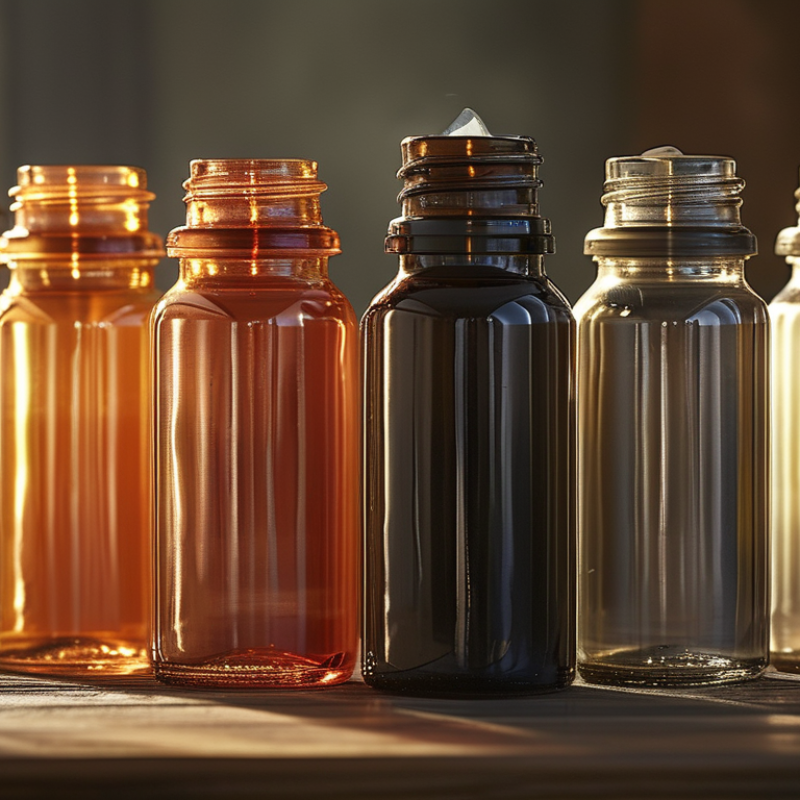
Understanding Color Temperature in Photography
Understanding color temperature in photography is crucial for conveying the right mood and emotion. It measures the warmth or coolness of light, usually expressed in Kelvin (K). A lower Kelvin value, like 2000K, yields a warm, inviting glow. This is ideal for cozy product shots, creating an intimate atmosphere. In contrast, higher values, such as 6000K or more, produce a cooler, bluish light. This can enhance sleek, modern products but may seem harsh if overused.
When selecting a color temperature, consider your subject and desired effect. A golden hour light mimics lower temperatures and can add depth. Yet, cool light is sometimes unflattering, making products look less appealing. Experiment and see how different temperatures interact with your product's colors and textures. Sometimes, what seems perfect during a shoot may not resonate the same in post-processing.
Be aware of how various light sources impact color. Incandescent bulbs cast a warm tone, while fluorescents can introduce greenish tints. Mixing these can lead to an unattractive color cast. It's essential to test and evaluate under actual shooting conditions. The goal is to find a balance that enhances your product while ensuring it remains true to life. Don't hesitate to adjust as you learn what works best for your specific photography style.
The Importance of Color Temperature for Product Imagery
Color temperature plays a crucial role in product photography. It significantly affects how consumers perceive colors and details. Various studies indicate that 90% of buyers base their purchasing decisions on color. A precise color temperature is vital for making products appear appealing. For instance, a color temperature around 5500K mimics daylight. This setting provides a natural look that enhances product colors without distortion.
Different products may require different temperatures. For instance, jewelry shines best under a cooler light. Meanwhile, food photography benefits from warmer tones. Research shows that warmer colors evoke feelings of comfort and hunger. Conversely, colder tones can create a more modern aesthetic.
However, choosing the wrong temperature can lead to unappealing results. Many photographers still struggle with this essential aspect.
While guidelines exist, individual situations vary. A simple product can look flat under harsh lighting, while intricate items may lose detail in soft light. Experimenting with different setups is essential. Lighting should complement the product, not overshadow it.
Would bright light make a white shirt look washed out? Color perception is subjective. Continuous adjustments based on feedback and test shots are crucial for professional quality.
How Different Lighting Conditions Affect Color Temperature
Lighting conditions significantly impact color temperature in product photography. Natural light varies throughout the day. During sunrise and sunset, the light has a warm tone. In midday, it’s much cooler. These changes influence how colors appear in your images.
Artificial lighting also affects color temperature. Common sources include incandescent, fluorescent, and LED lights. Incandescent bulbs emit a warm hue, while fluorescent lights are cooler. It's essential to know the color temperature of your light source, typically measured in Kelvin. Matching this with your product can enhance the visual appeal.
Consider your product's material and color. Reflective materials may distort colors under different lights. White or light products might look dull in warm light. Experimenting with various lighting setups is crucial. This trial-and-error process can lead to better results. Understanding light will elevate your skills and create more compelling imagery.
How Different Lighting Conditions Affect Color Temperature in Product Photography
Choosing the Ideal Color Temperature for Various Product Types
Choosing the ideal color temperature is vital for product photography. Different products require different approaches. For instance, warm tones around 2700K can enhance the look of wood or textile products. This warmth creates a cozy feel. Cold products, like electronics or skincare items, do better with a cooler tone around 5000K. It gives a sleek, modern appearance.
Lighting conditions also matter. Natural light can skew color temperatures throughout the day. Shooting at different times may lead to inconsistent results. Using artificial lighting sources can help maintain a stable environment. Adjusting the color temperature of your lights to fit your product type is crucial.
Sometimes, achieving the perfect temperature can be challenging. It might take multiple attempts to find the right balance. Experimentation is essential, especially with complex items. Consider testing various setups before settling on one.
Each product tells a story, and the right color temperature helps convey it effectively.
Techniques to Adjust Color Temperature in Post-Processing
Adjusting color temperature during post-processing is a key technique in product photography. Your choice can dramatically alter a product’s appearance. First, assess the lighting conditions under which the photos were taken. Warm lights, like incandescent bulbs, tend to give a soft golden hue. Cool lights, such as fluorescent tubes, often lend a bluish cast.
Using editing software, one can adjust the color balance. Sliders for temperature or tint can be quite effective. Subtle shifts might enhance the product without distorting its actual colors. For instance, if a product appears too yellow, a slight move towards the cooler side can restore balance. But this process requires careful consideration. Over-correcting can result in unnatural colors that may mislead consumers.
Experimentation can lead to valuable insights. Sometimes, a photo doesn’t quite match reality after editing. This might prompt you to rethink the lighting setup for future shoots. Reflection on these details can improve your photography skills over time. Aim for accuracy, while also allowing for creative expression. Remember, every adjustment tells a story.
FAQS
: Natural light changes throughout the day. Sunrise and sunset provide warm tones, while midday is cooler.
Warm tones around 2700K enhance wood or textiles. This warmth creates a cozy feel that suits these materials.
Understanding your light’s color temperature helps match it with your product. This enhances visual appeal in your images.
Achieving the right balance can be tough. It often requires multiple attempts and experimentation with different setups.
Yes, using artificial lighting keeps conditions stable. It helps ensure consistency across shoots and reduces color shifts.
Post-processing allows adjustments to color balance. Changes can enhance the product, but over-correction might lead to unnatural colors.
Yes, over-correcting during edits can mislead viewers. It’s crucial to maintain accuracy and avoid creating unrealistic representations.
Reflective materials might distort colors. Testing various lighting setups is important to find the right appearance for these products.
Reflect on the original lighting conditions. Each adjustment can affect the story your photo tells, so be thoughtful.
Experimentation can lead to valuable discoveries and improvement. Reflecting on past attempts can refine your skills over time.
Conclusion
Choosing the right color temperature for product photography is essential for achieving accurate and appealing images. Understanding color temperature in photography helps to set the mood and convey the right vibe of a product. Different lighting conditions significantly affect the color temperature, making it crucial to tailor the choice according to the specific product types. For instance, warmer tones may suit natural and organic products, while cooler tones can enhance tech and modern items.
When pondering "what color temperature should I use for product photography," it's vital to consider these factors and adjust accordingly. Techniques to modify color temperature during post-processing can also help refine the final image, ensuring that the products are represented accurately and attractively. Ultimately, a thoughtful approach to color temperature not only highlights the product effectively but also enhances the overall quality of the photography.

 Alterra Lighting