Wondering why is my camera flash causing red eye in photos? You're not alone. Many photographers face this common issue. It often occurs when the flash is too close to the camera lens. The bright light reflects off the subject’s eyes. This effect is most visible in low-light conditions. The pupils expand, increasing the chances of reflection.
Understanding the red eye phenomenon requires a bit of knowledge about light and photography. The camera flash can overpower ambient light, causing abrupt contrast. As a result, the eyes’ red hue becomes more pronounced. It’s important to consider angles and distances when using a flash. For instance, trying to take photos from different heights can help mitigate this problem.
Moreover, there are technical solutions available. Adjusting flash settings or using external diffusers may lessen red eye. Sometimes, however, the issue remains. Experimenting with different methods can lead to improvement. Remember, capturing the perfect shot is about trial and error. Each attempt teaches something valuable.
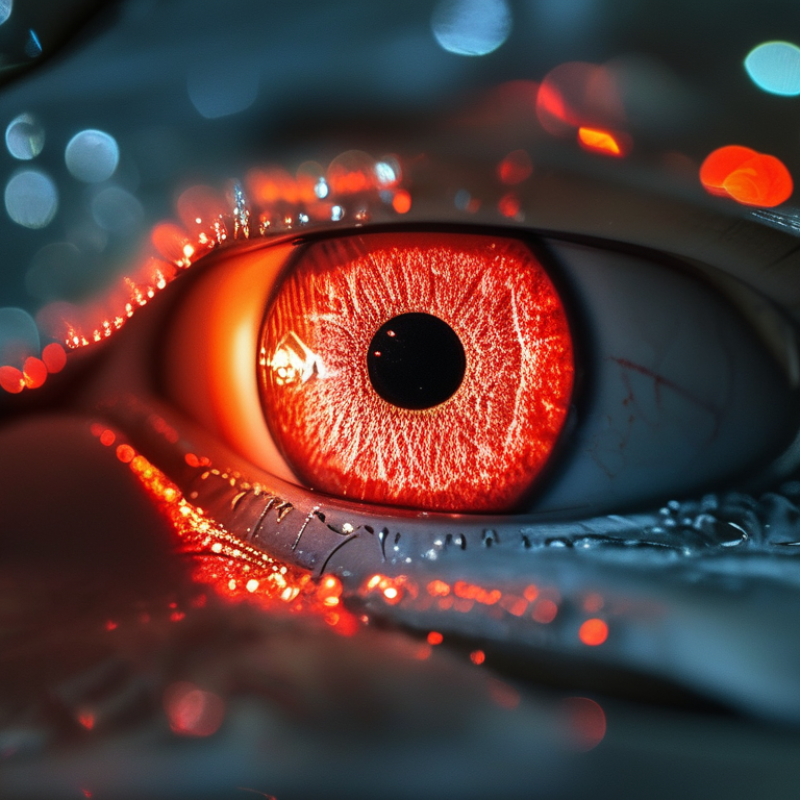
The red eye phenomenon is a common issue in photography. This occurs when a camera's flash reflects off the retina. The flash creates a bright light that captures the blood vessels in the back of the eye. Research indicates that red eye affects up to 60% of photos taken with a direct flash. This can be particularly noticeable in low-light conditions, where pupils are dilated.
Understanding this phenomenon involves recognizing the positioning of the flash. A direct flash aimed at the subject's face is more likely to cause red eye. A study revealed that using an off-camera flash reduced red eye occurrence by over 80%. Additionally, some photographers report an increase in red eye when taking photos of pets. Their unique eye structure contributes to this effect, showcasing a remarkable variance in photography outcomes.
Color depth plays a role as well. Images with less color saturation may enhance the visibility of red eye effects. Many photographers find themselves reflecting on these factors, realizing they could better control outcomes. Simple adjustments like changing flash angle or using natural light can lead to significant improvements. Overcoming red eye requires not just technical knowledge but also an understanding of your subject and environment.
When using a camera flash, many people notice an annoying red eye effect in their photos. This phenomenon occurs due to light reflecting off the retina. The retina contains a rich supply of blood vessels, which are visible when the flash illuminates the eyes. The bright light effectively floods the pupil, causing it to dilate. As a result, the red color becomes prominent.
The conditions that lead to this effect are common. Dark environments cause pupils to widen, making the chance for red eye much higher. The intensity of the flash can exacerbate the problem too. One might think that adjusting the distance or angle of the flash would solve the issue, but results can vary. Sometimes, simply controlling the ambient light can help. However, in many cases, the red eye phenomenon occurs unexpectedly.
Each attempt to capture a moment can sometimes lead to unforeseen challenges. It's essential to experiment and understand your camera settings better. This process helps in mastering techniques that reduce red eye. Understanding lighting dynamics and subjects' positioning improves outcomes. Adapting to the environment is key in photography, but remember, even seasoned photographers encounter red eye occasionally.
When using a camera flash, red eye can often appear in photos. This effect is mainly caused by the angle of the flash and the surrounding lighting. When the flash fires directly at the subject's eyes, it can reflect off the retina, resulting in a red eye effect. This is more common in low-light environments where pupils are dilated. Thus, understanding the role of lighting and the flash angle can help prevent this issue.
Choosing the right angle for your flash can make a significant difference. Try to position your flash above the camera lens or slightly off to the side. This helps redirect the light and minimizes the chance of it hitting the eyes directly. Additionally, using ambient light can enhance your photos and reduce reliance on the flash.
Consider using a diffuser for your flash. A diffuser softens the light, making it less harsh. Soft light is less likely to cause red eye. Experiment with distance as well; the farther your flash is from your subject, the less likely red eye will occur. Adjusting your flash settings can also have a positive impact. Always keep these tips in mind for brighter and clearer pictures without red eye.
Red eye in photos often occurs due to the camera flash reflecting off the retina. This happens when the flash fires too close to the lens, causing a strong reflection. It's a common issue that many photographers encounter, but it can be minimized using a few effective techniques.
One approach is to increase the distance between the camera and the subject. A study indicated that moving the flash further away can reduce red eye by up to 80%. Additionally, changing the angle of the flash can help. If the flash is pointed away from the subjects, it reduces direct reflection. Photographers can use a diffuser to soften the light, further decreasing the chances of red eye.
Using pre-flash or red-eye reduction settings on cameras can also be beneficial. Pre-flash helps the pupil constrict before the main flash fires, reducing the likelihood of red eye. According to research, using pre-flash methods can lead to a 70% reduction in red eye occurrences. Awareness of lighting conditions is crucial; low light encourages pupil dilation, increasing red eye risk. Adjusting the environment can create better outcomes. These strategies not only enhance photo quality but also enrich the overall photography experience.
Red eye is a common issue in photography, often caused by flash reflecting off the retina. This phenomenon can be especially pronounced in low light conditions. A 2019 survey indicated that over 40% of photographers experience this issue regularly. Fortunately, there are effective post-processing solutions to correct red eye and enhance your images.
One essential technique is using photo editing software. Most tools offer a red-eye removal feature, which allows you to quickly fix affected areas. You can usually zoom into the eyes and click on the red region. The software detects the red hue and replaces it with a more natural color. This process is generally straightforward but may need fine-tuning for optimal results.
When working with red eye, lighting plays a pivotal role. Consider adjusting your flash placement or using diffusers during your photoshoots. You might find that changing angles and perspectives while shooting can significantly reduce red-eye occurrences. Experimentation can lead to surprising results in image quality. Red eye might seem minor, yet it can distract from the subject's expression, so addressing it in post-processing is key.
: Red eye occurs when a camera's flash reflects off the retina, highlighting blood vessels.
Research shows that up to 60% of photos shot with a direct flash can exhibit red eye.
In low-light situations, pupils dilate, increasing the likelihood of red eye when the flash fires.
Yes, directly aiming the flash at the subject increases the chance of red eye; off-camera flash reduces it.
Adjusting the flash angle, using ambient light, and applying diffusers can help minimize red eye occurrences.
Yes, pets may exhibit red eye due to their unique eye structure, which reflects light differently.
Absolutely, mastering your camera settings and understanding lighting can significantly help control red eye effects.
Images with lower color saturation may make the red eye effect more pronounced in the photograph.
It's a common issue, and even experienced photographers can encounter it; being mindful is key.
Yes, understanding how lighting interacts with your subject is crucial in reducing red eye outcomes.
The phenomenon of red eye in photography is a common issue many photographers encounter, prompting the question, "why is my camera flash causing red eye in photos?" This effect occurs when the camera flash reflects off the subject's retina, particularly in low-light conditions. The angle and intensity of the flash play crucial roles in this occurrence, as direct flash aimed at the subject can enhance the likelihood of red eyes appearing.
To mitigate or prevent this issue, several techniques can be employed, such as adjusting the flash angle, increasing ambient lighting, or utilizing red-eye reduction settings on the camera. In cases where red eye is present post-capture, various post-processing solutions are available to effectively correct it. By understanding the causes and implementing these strategies, photographers can significantly reduce the chances of red eye in their images.
