Creating an optimal streaming environment is essential for any content creator. The right lighting setup can greatly impact the quality of your streams. This leads us to a common question: what is the best lighting setup for stream rooms?
Different lighting options exist, each with unique characteristics. Many streamers find that softbox lights provide a warm and even glow. Others prefer LED lights for their versatility. Some creators even use a mix to get the perfect ambiance. However, not every setup works for everyone. The choice often depends on room size and personal style.
Achieving professional lighting can feel daunting. You may struggle to eliminate harsh shadows or find the right color temperature. Experimentation is key. Consider adjusting your setup as you gain experience. There is no one-size-fits-all solution, but understanding your needs will guide you. Remember, the best lighting enhances your presence and engages your audience effectively.
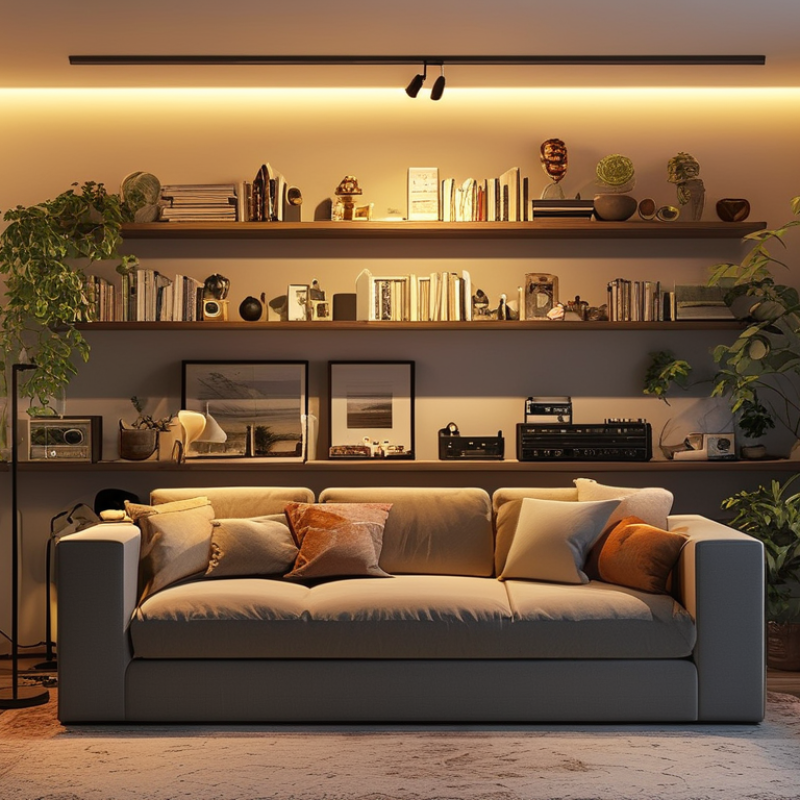
Lighting plays a crucial role in video streaming environments. It affects how viewers perceive your content. Good lighting enhances clarity and engagement. Poor lighting can lead to unprofessional results, making the stream less appealing. Proper illumination ensures that your audience focuses on you and not shadows or glare.
Choose a combination of soft and hard lights. This mix creates depth and reduces harsh shadows on your face. Use ring lights or softboxes to achieve even lighting. Position the main light source at eye level, slightly in front of you. It helps highlight your facial features. Remember to adjust your lights based on the time of day and your room’s natural light.
Tips: Always test your lighting before starting a stream. Small changes can have a big impact. Experiment with different setups to find what works best for you. Don’t be afraid to ask for feedback from your audience. It’s important to keep evolving your setup. Reflect on how you can improve your streaming environment continuously.
Lighting is crucial for creating an engaging stream room. Three key types of lighting can significantly improve your setup: key light, fill light, and backlight. Each serves a distinct purpose.
The key light is your primary source, illuminating your face and making you the focus of the stream. It should be positioned at a 45-degree angle to avoid harsh shadows. You might experiment with positioning; finding the right angle may take time.
Fill light complements the key light. It softens shadows and creates a more balanced look. Using a dimmable fill light can provide versatility. You might find that a softer fill makes a noticeable difference. It enhances features and creates depth, yet the brightness should not overpower the key light. Pay attention to its placement. A poor position may create unwanted highlights or an overly flat appearance.
Backlight adds dimension to your overall scene. It separates you from the background, creating visual interest. This light can highlight textures behind you or enhance the ambient feel of the room. However, be careful not to overdo it. Excessive backlighting may leave you looking like a silhouette. Balancing all three lights can be challenging, requiring patience and adjustments. Don't rush this process; experimentation is key for the best outcome.
Lighting plays a crucial role in stream rooms. The right color temperature can enhance visual appeal significantly. Studies suggest that a color temperature between 4000K and 5500K is optimal. This range provides a balanced white light, minimizing color distortion. Many professionals recommend bringing soft white light into your setup.
Using cooler temperatures, around 5000K to 6500K, can energize the atmosphere. This cooler light mimics daylight and boosts visibility, helping viewers see details better. However, it can sometimes feel harsh. A careful blend of warm and cool tones is key.
Experimenting with placement and intensity is also essential. Overhead lights can create unwanted shadows. Desk lamps with adjustable color temperatures can offer flexibility. Aim to layer your light sources for a more dynamic environment. This can be a trial-and-error process. Find the right mix that enhances both you and your background without overpowering. Balancing aesthetics and functionality requires attentive adjustments.
Lighting plays a crucial role in creating an engaging streaming environment. Proper placement can significantly reduce shadows, enhancing overall quality. Research shows that 80% of viewers prefer well-lit streams. Avoid placing lights directly above or too far behind you. Instead, consider a 45-degree angle. This technique reduces harsh shadows on your face.
To achieve an effective look, experiment with different light intensities. A soft light source in front can improve clarity. Aim for 300-500 lumens for optimal brightness without glare. Additionally, ambient light should complement key lighting. Too much contrast can distract viewers. Balance is key; avoid overexposure or dark areas.
**Tips:** Use reflectors to bounce light and minimize shadows further. They are an inexpensive yet effective solution. For a more cinematic feel, try a three-point lighting setup with a key, fill, and backlight. Regularly assess your lighting. Adjust as needed to maintain a professional appearance.
Creating a budget-friendly lighting setup for a streaming room doesn’t have to be complicated. Start with natural light. Position your setup near a window. This helps with soft, diffused lighting during the day. However, it may be inconsistent. You might face harsh shadows or changes in brightness throughout the day.
For evening streams, consider affordable LED lights. They can easily be adjusted for warmth and brightness. A ring light can serve as a central fixture. Experiment with placing it at different angles. This will help soften your face and reduce unwanted shadows. Consider adding some desk lamps with adjustable arms. They can provide additional lighting from various directions.
Using colored bulbs can enhance your stream without breaking the bank. These can create an engaging atmosphere. However, be mindful of overdoing it; too many colors can be distracting. Keep it simple, and ensure the main focus remains on you. Regularly assess what works and what doesn't, making adjustments as needed. This trial and error process is crucial. You want a setup that complements your content rather than overwhelms it.
: The key light is your primary light source, illuminating your face. It makes you the focus of the stream.
Position the key light at a 45-degree angle. This helps avoid harsh shadows on your face.
The fill light softens shadows created by the key light. It creates a more balanced and appealing look.
The fill light should complement the key light, so it should not overpower it. Dimmable options offer flexibility.
Backlight adds dimension, separating you from the background. It creates visual interest and highlights textures.
Place lights at a 45-degree angle. Experiment with light intensities to avoid harsh contrasts and dark areas.
Use natural light from a window. It provides soft lighting but can be inconsistent throughout the day.
Yes, colored bulbs can enhance your stream's atmosphere. Keep it simple to avoid distractions from your appearance.
Avoid overexposure or dark spots. Regularly assess your lighting to maintain a professional look.
Regular assessment helps identify what works and what doesn't. Adjustments are key for an engaging streaming environment.
When considering what is the best lighting setup for stream rooms, it's essential to understand the critical role lighting plays in creating a professional-looking streaming environment. The article outlines the importance of various lighting types, namely key light, fill light, and backlight, which together enhance video quality and help convey a clearer image to viewers. It emphasizes the need for optimal color temperature to ensure skin tones appear natural and appealing.
Additionally, strategic placement of lights is crucial in minimizing shadows that could detract from the content being streamed. For those on a budget, there are various cost-effective lighting solutions available that aspiring streamers can implement without compromising on quality. This comprehensive approach not only aids in achieving better visual aesthetics but also elevates the overall viewer experience.
